Heraklion, Crete
Greece • June 21, 2026 • Day 11 of 16
👨🏻 Happy Father's Day to all the Dads! 👨🏻
Palace of Knossos, Village of Epano Archanes, and Archaeological Museum of Heraklion
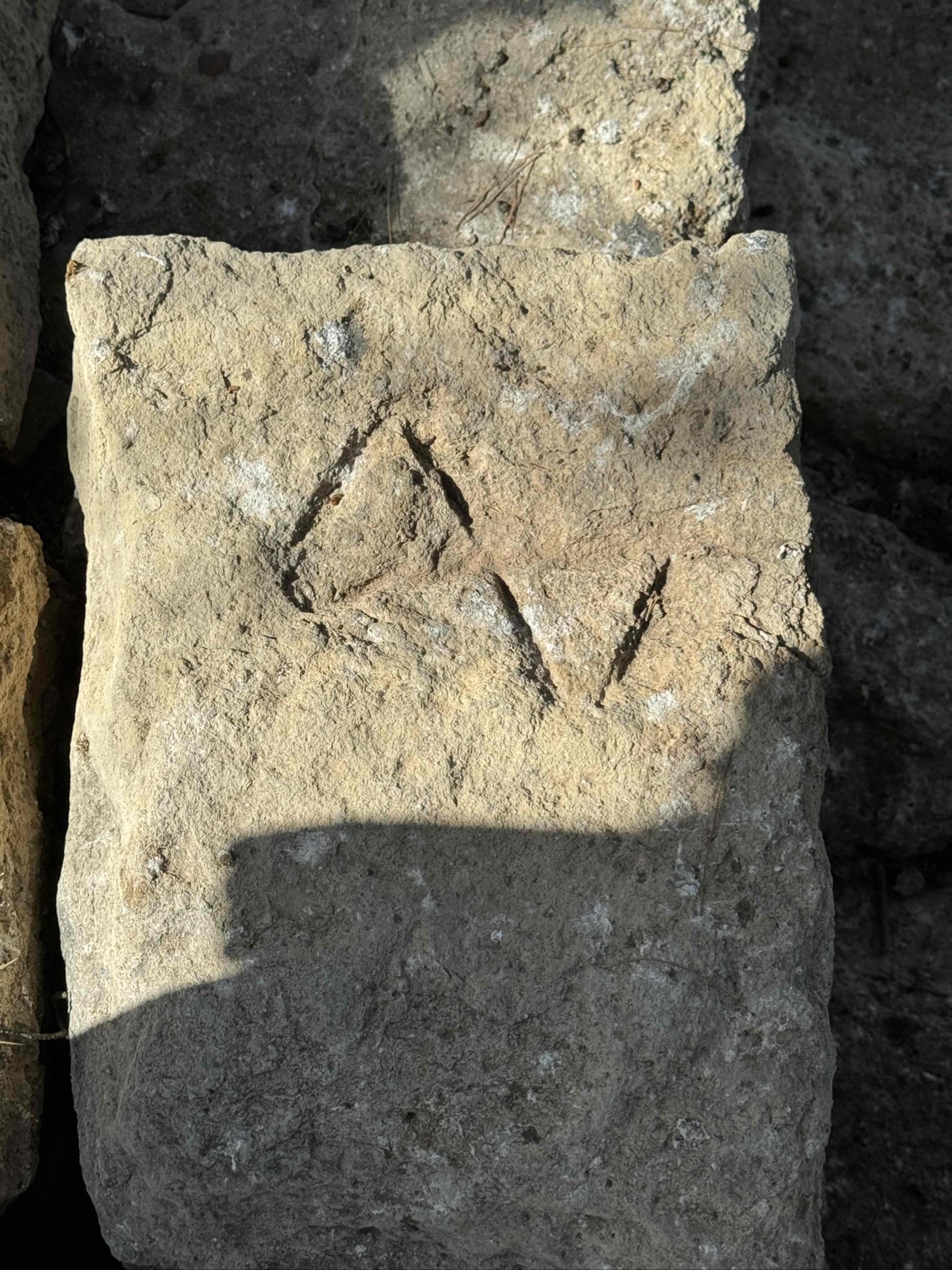
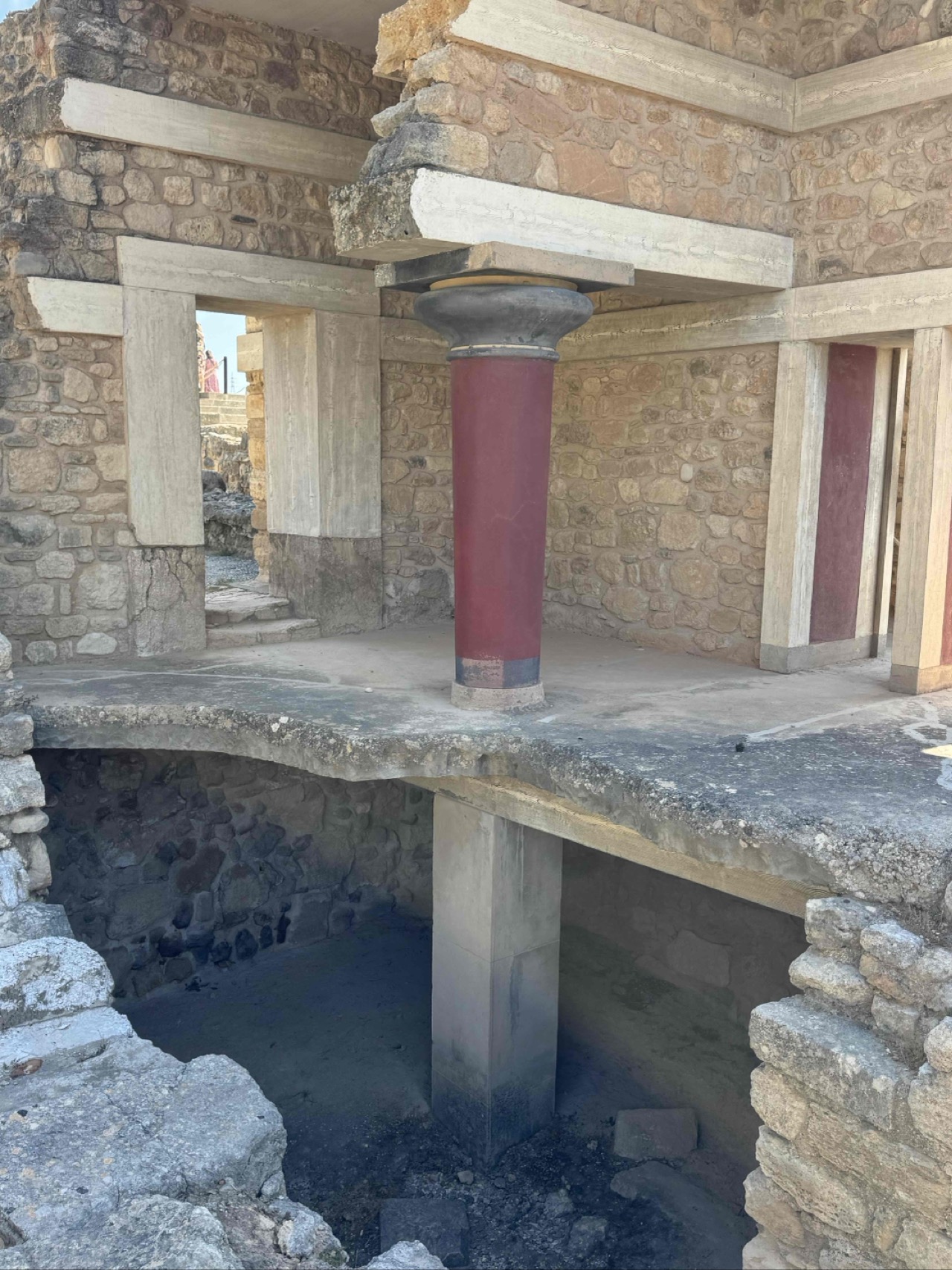
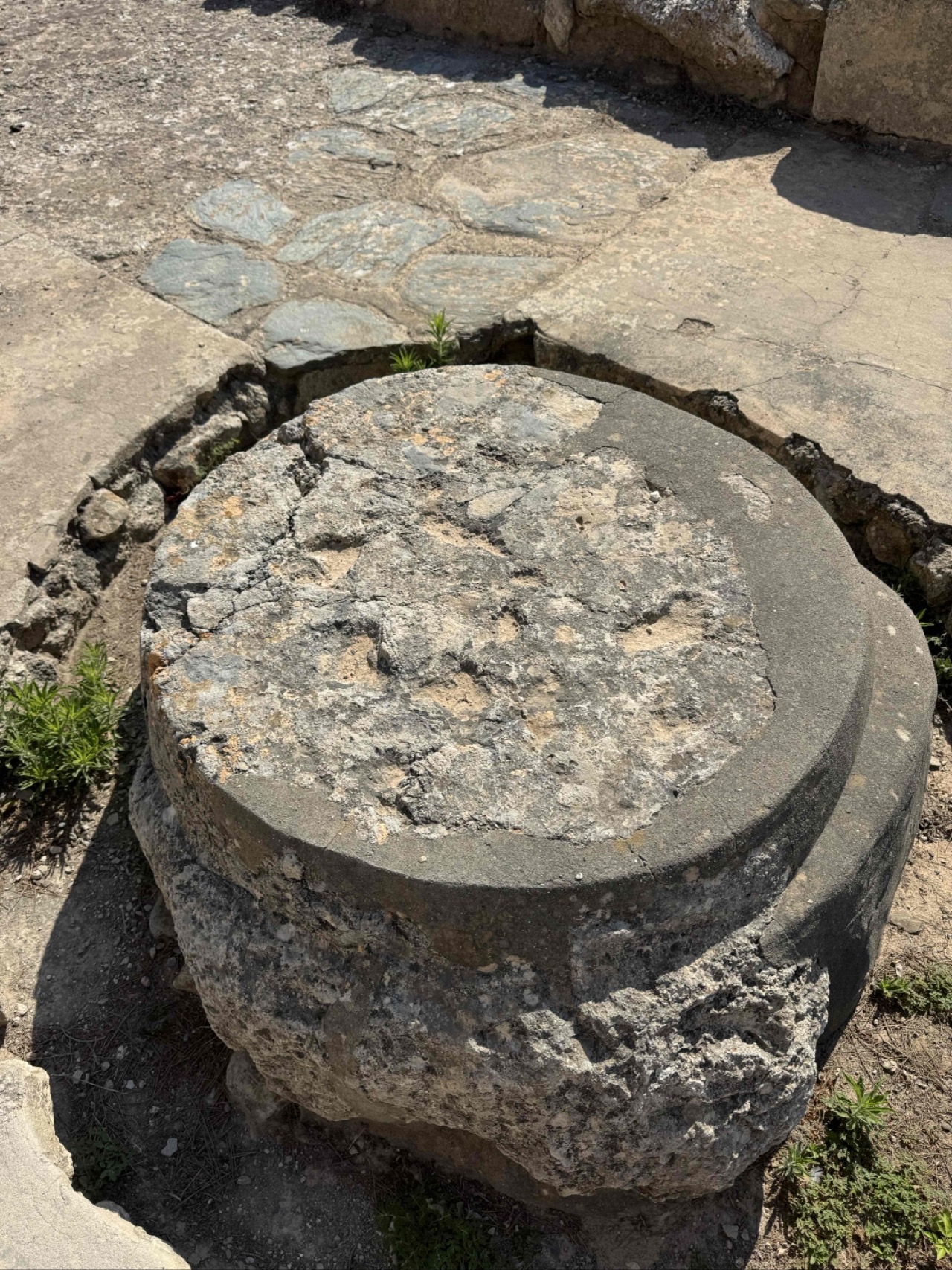
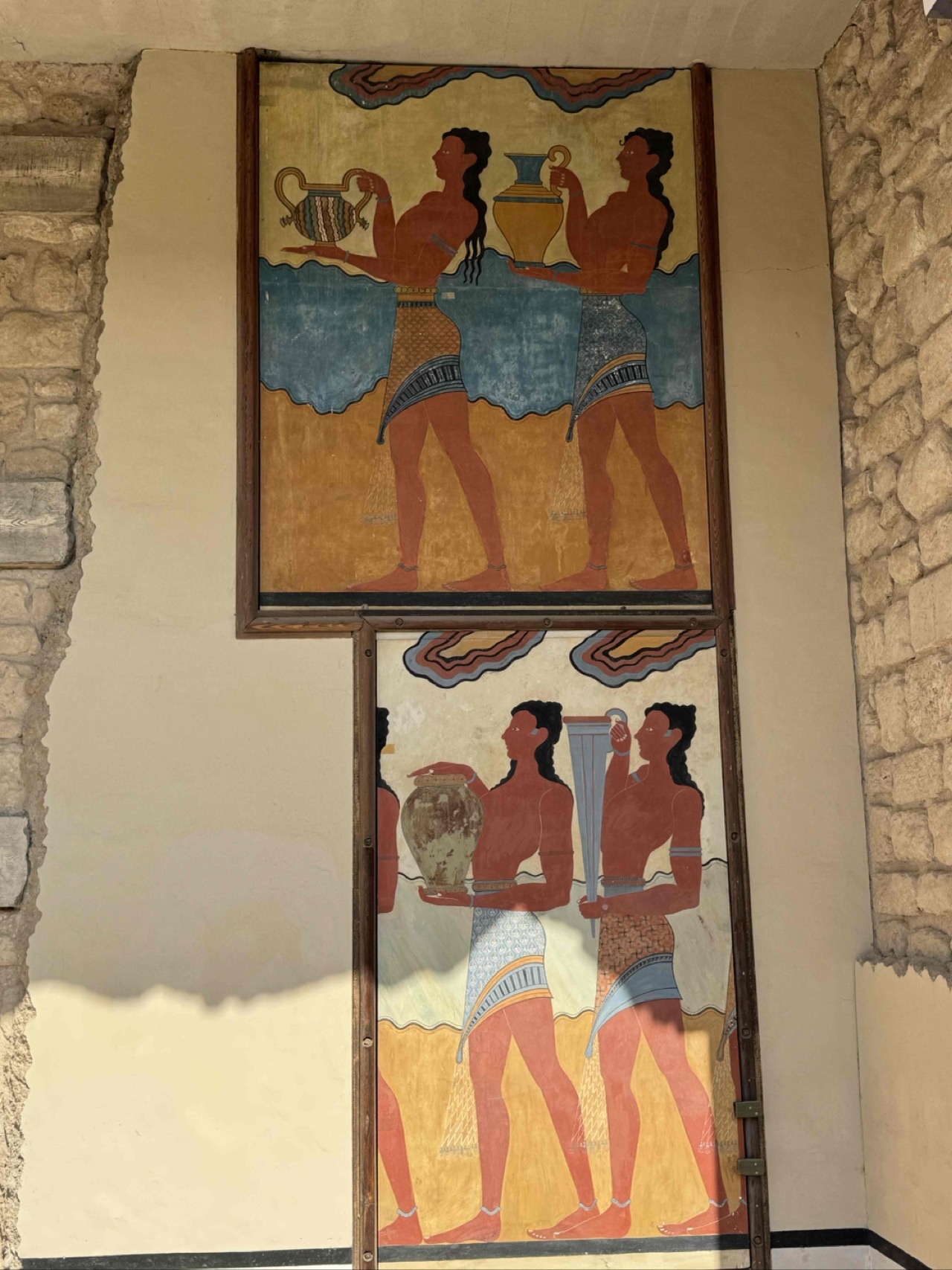
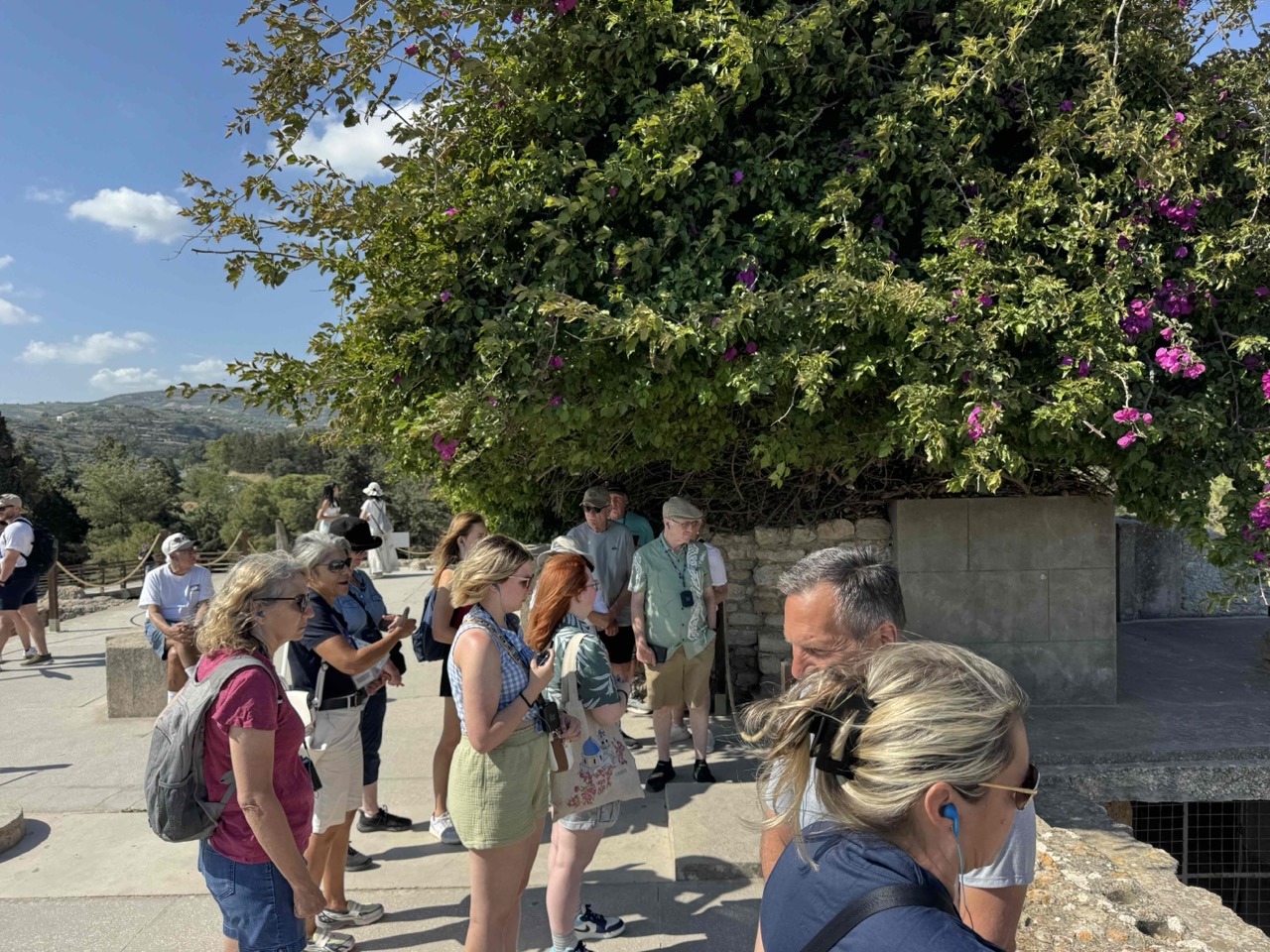
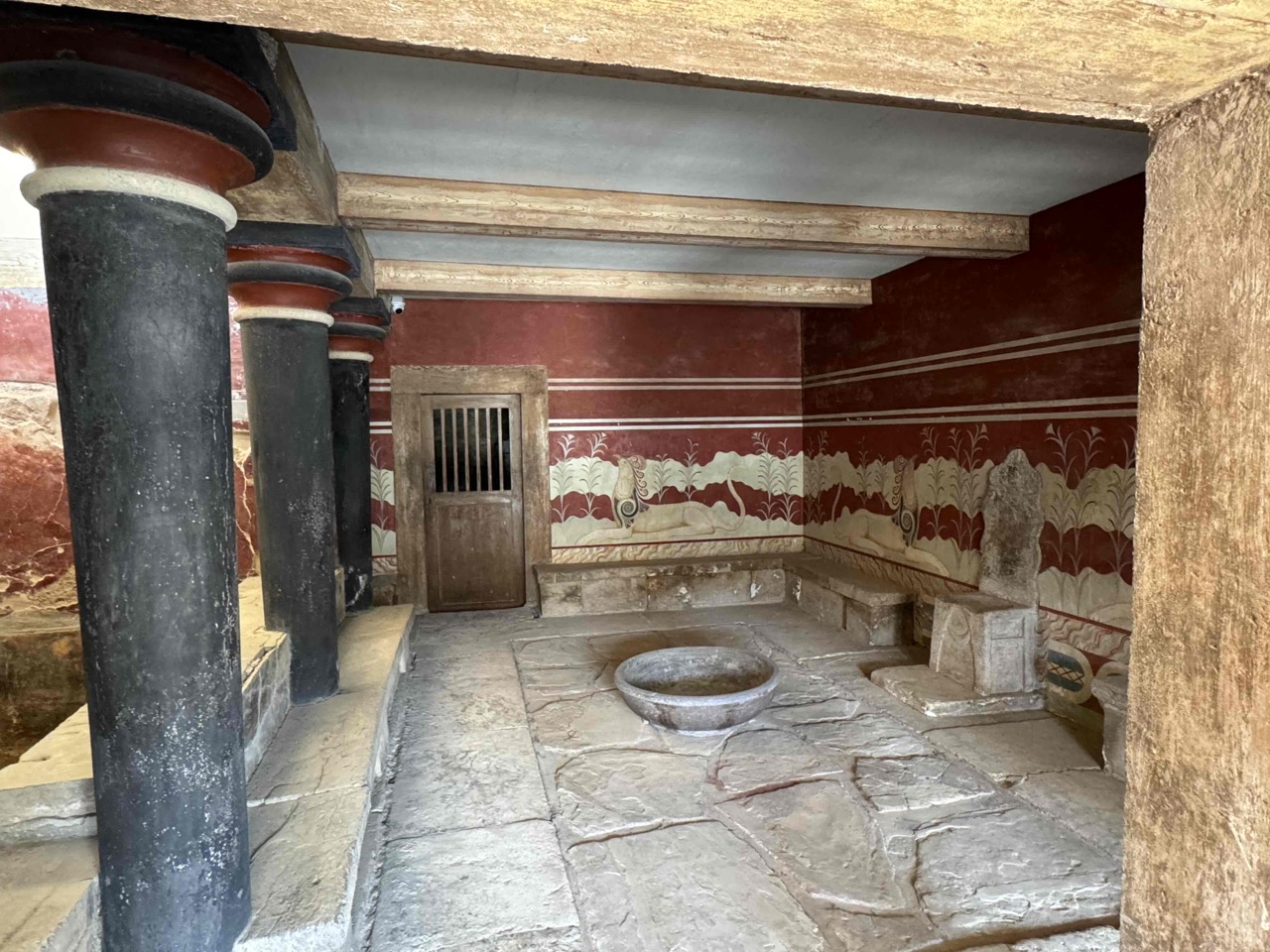
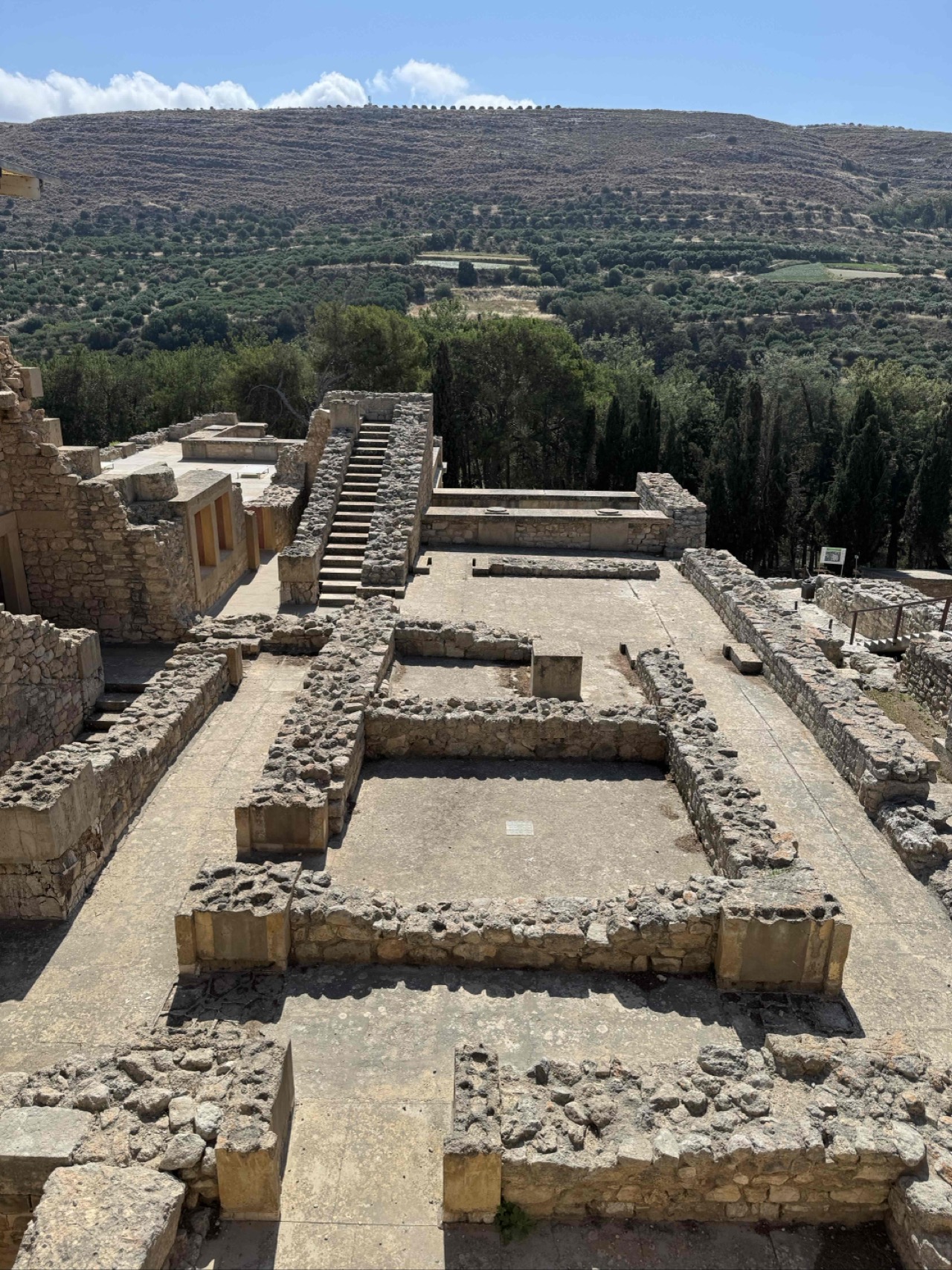
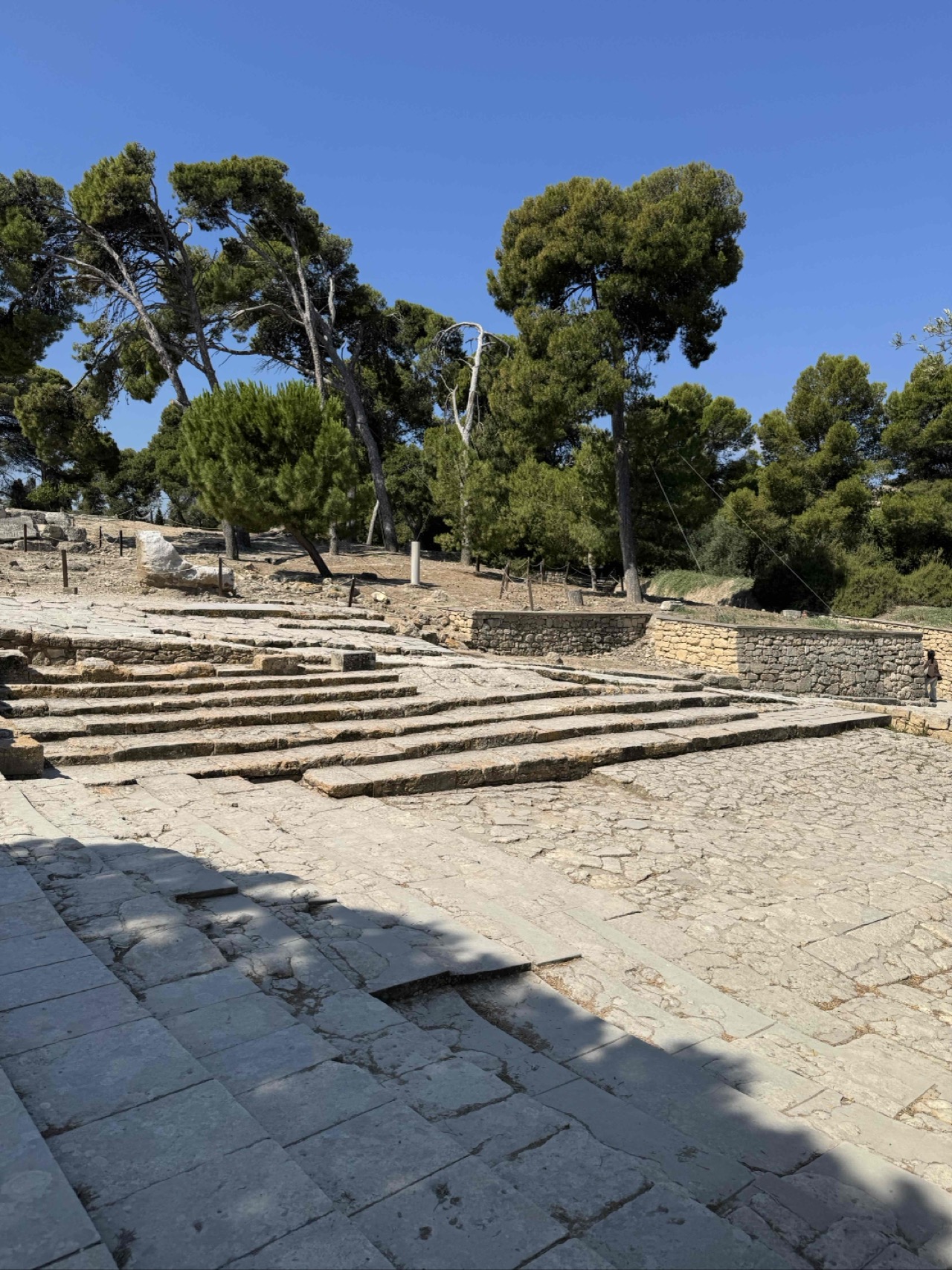
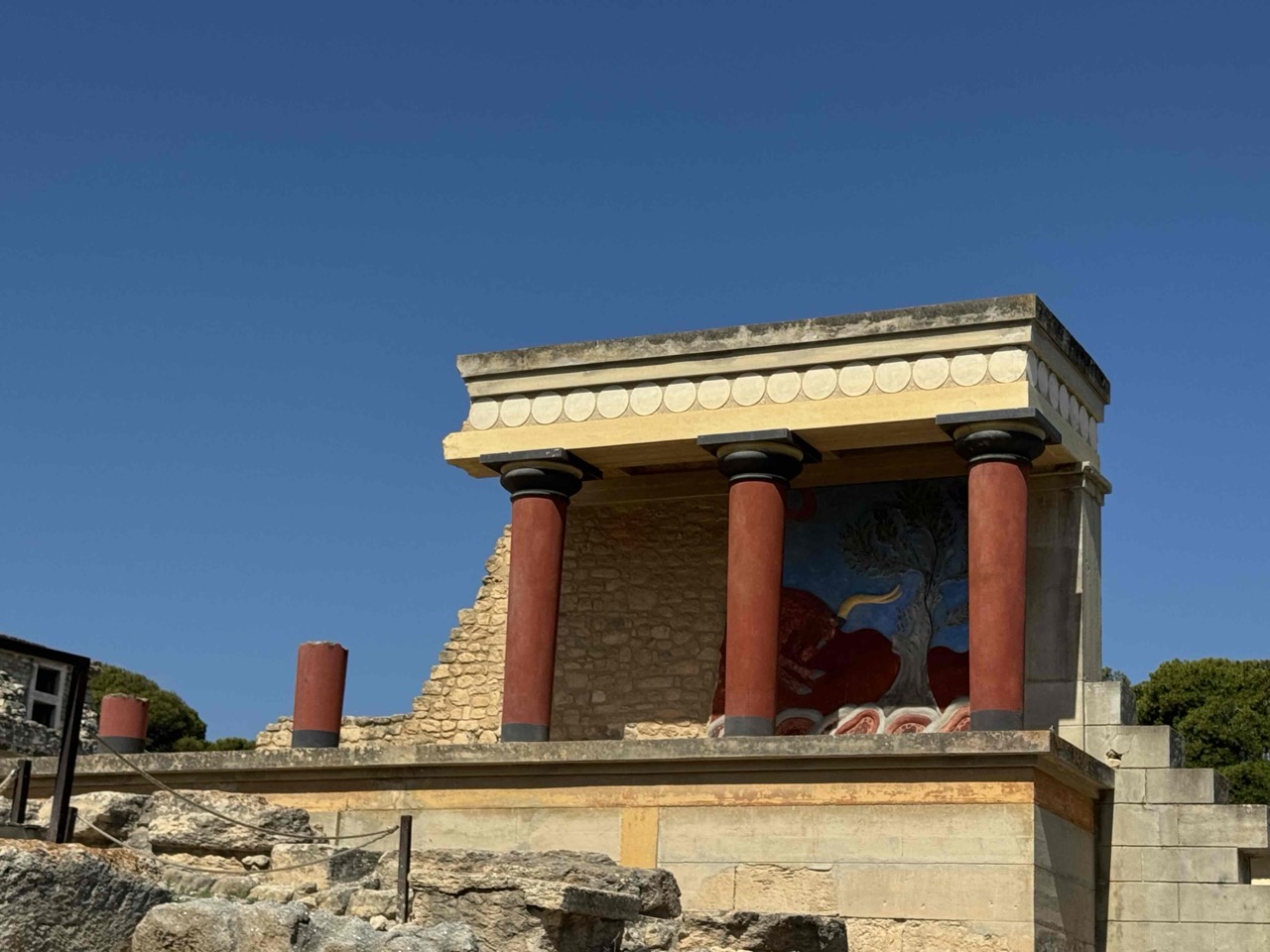
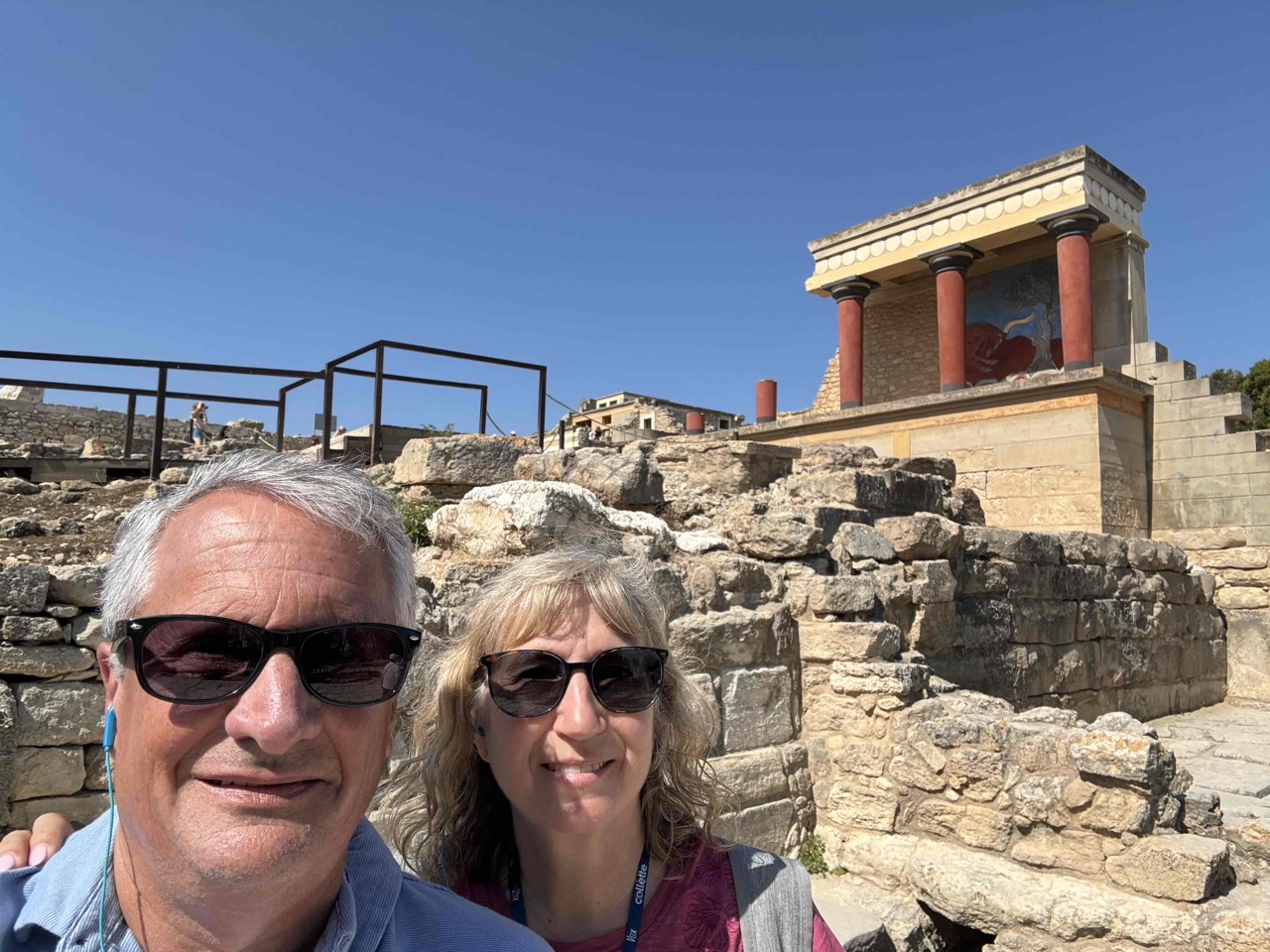
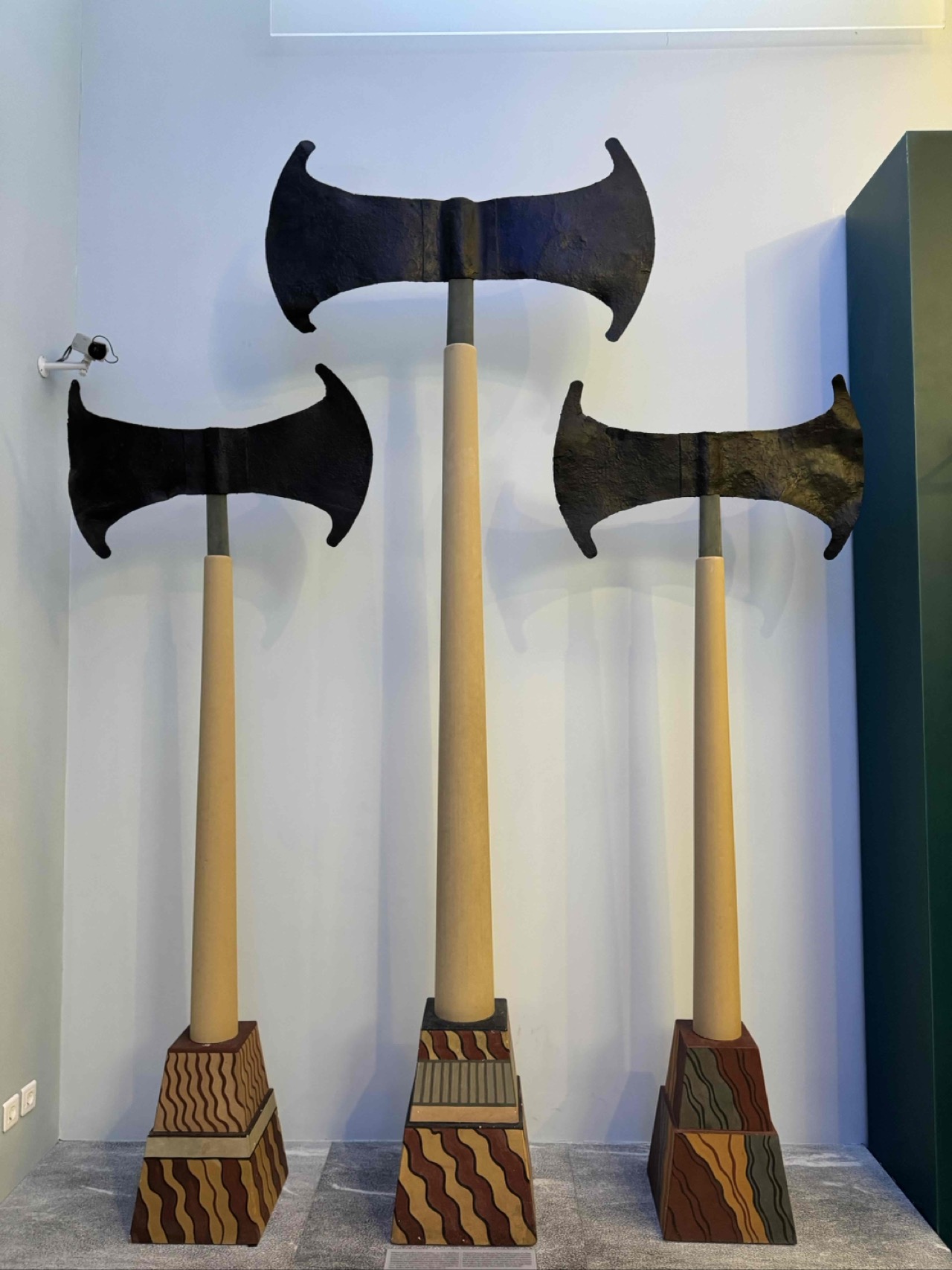
At nine, we met our guide Maria, who took us to the Palace of Knossos. This is Greece's second most visited spot outside of the Acropolis. It chronicles the ancient Minoan people, who were present in this area from around 3000-1100 BC (this was the Bronze Age). Sir Arthur Evans did much of the excavation on the site, but he was not the first archaeologist to explore the site.
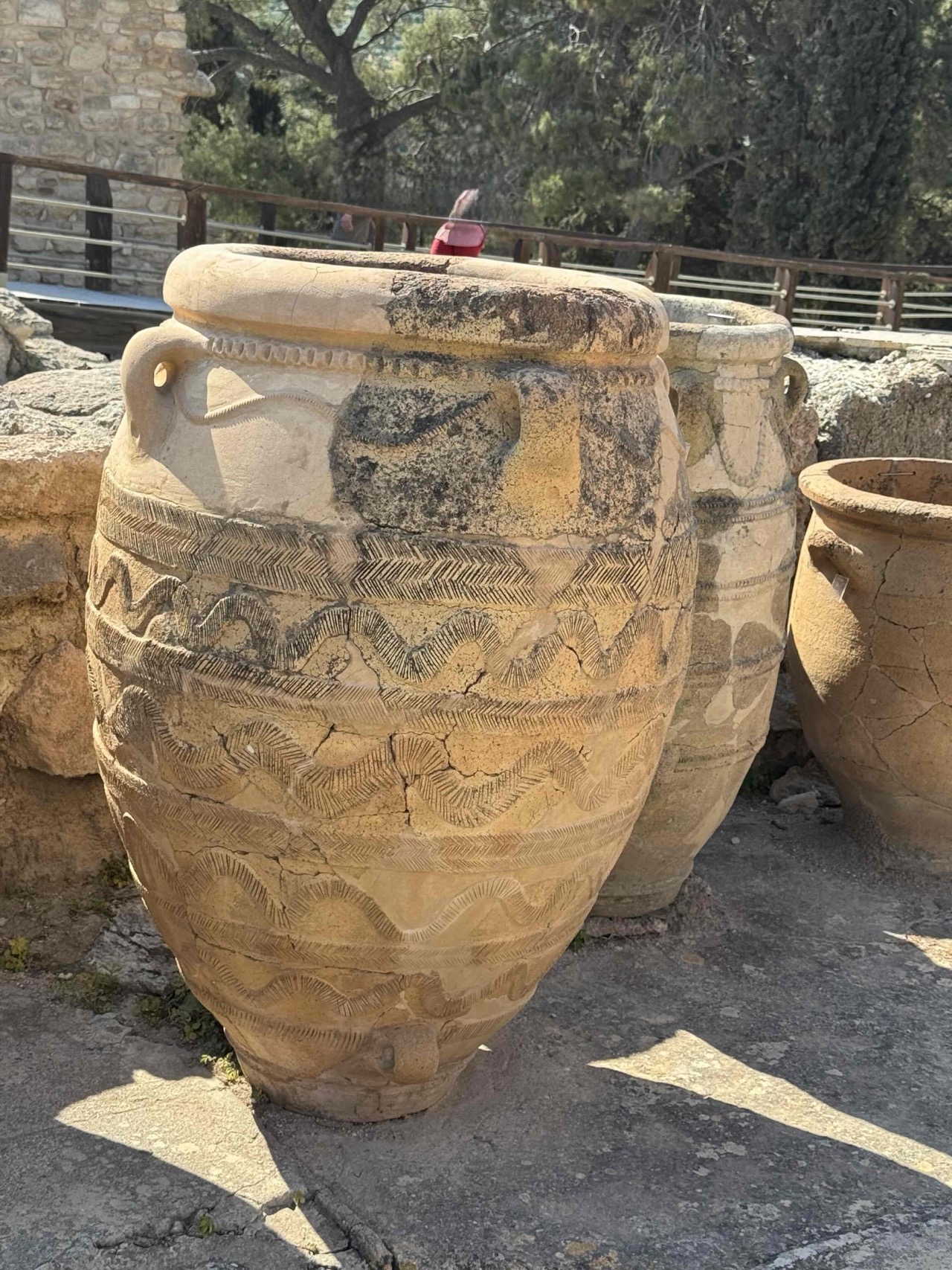
In 1878, a local Cretan businessman and scholar named Minos Kalokairinos conducted the very first trial excavations on Kephala Hill and discovered the first ancient walls and large storage jars (pithoi).
Fun Fact: Kalokairinos had to stop because Crete was still under Ottoman rule, and there was a massive risk that any major finds would be confiscated and shipped to Constantinople. Decades later, after Crete gained autonomy, Evans used his substantial family fortune to buy the entire piece of land so he could excavate it without bureaucratic interference, beginning his groundbreaking work in March 1900. Ultimately, he gifted it back to Greece.
We learned that there were two major earthquakes that destroyed Knossos, with one causing a fire around 1400 BC.
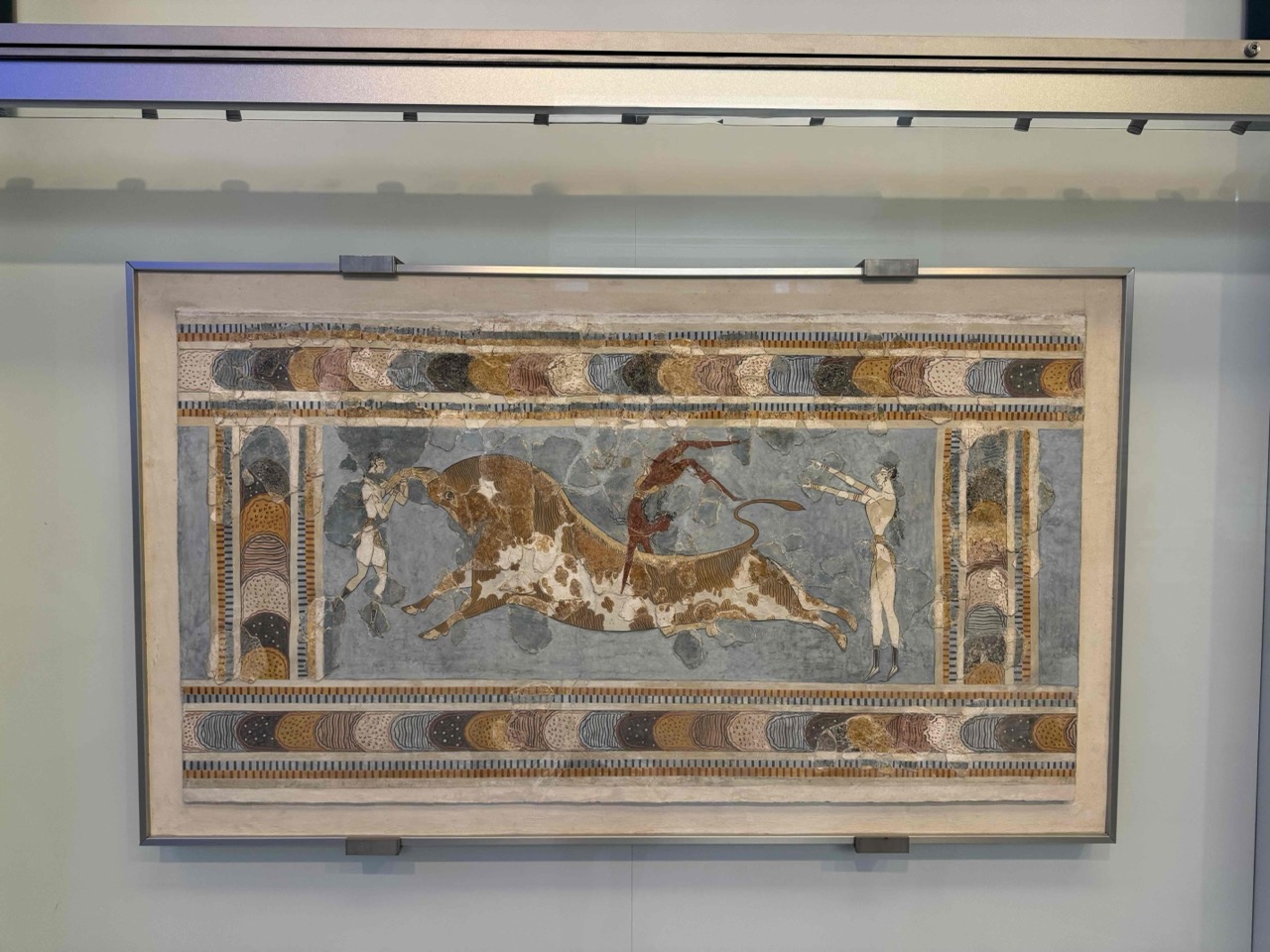
One of the most interesting myths we learned about was King Minos, his wife, and the Minotaur. It goes something like this...Minos prayed to Poseidon (god of the sea) for a sign. Poseidon sent a magnificent, snow-white bull from the waves, on the condition that Minos sacrifice it back to him. Minos decided to keep the snow-white bull for himself, and as a curse, Poseidon made Minos' wife, Queen Pasiphae, have an uncontrollable, unnatural infatuation with the white bull. She had Daedalus build a hollow wooden cow for her to hide inside so she could mate with the bull, and she became pregnant, eventually giving birth to the Minotaur. As the Minotaur grew, it became violently feral, devouring only human flesh. Horrified and embarrassed, King Minos ordered Daedalus to build the Labyrinth—a massive, inescapable maze beneath the palace—to permanently imprison the beast.
To feed it, Minos used his military dominance over Athens to demand a grim tribute every nine years: seven young Athenian men and seven young Athenian women, who were cast into the maze to be hunted down by the monster.
This cycle of terror finally ended generations later when the Athenian hero Theseus volunteered as a tribute, navigated the maze using a ball of thread given to him by Minos's daughter Ariadne, and slew the Minotaur.
Yup, that's the story we heard from our guide Maria!
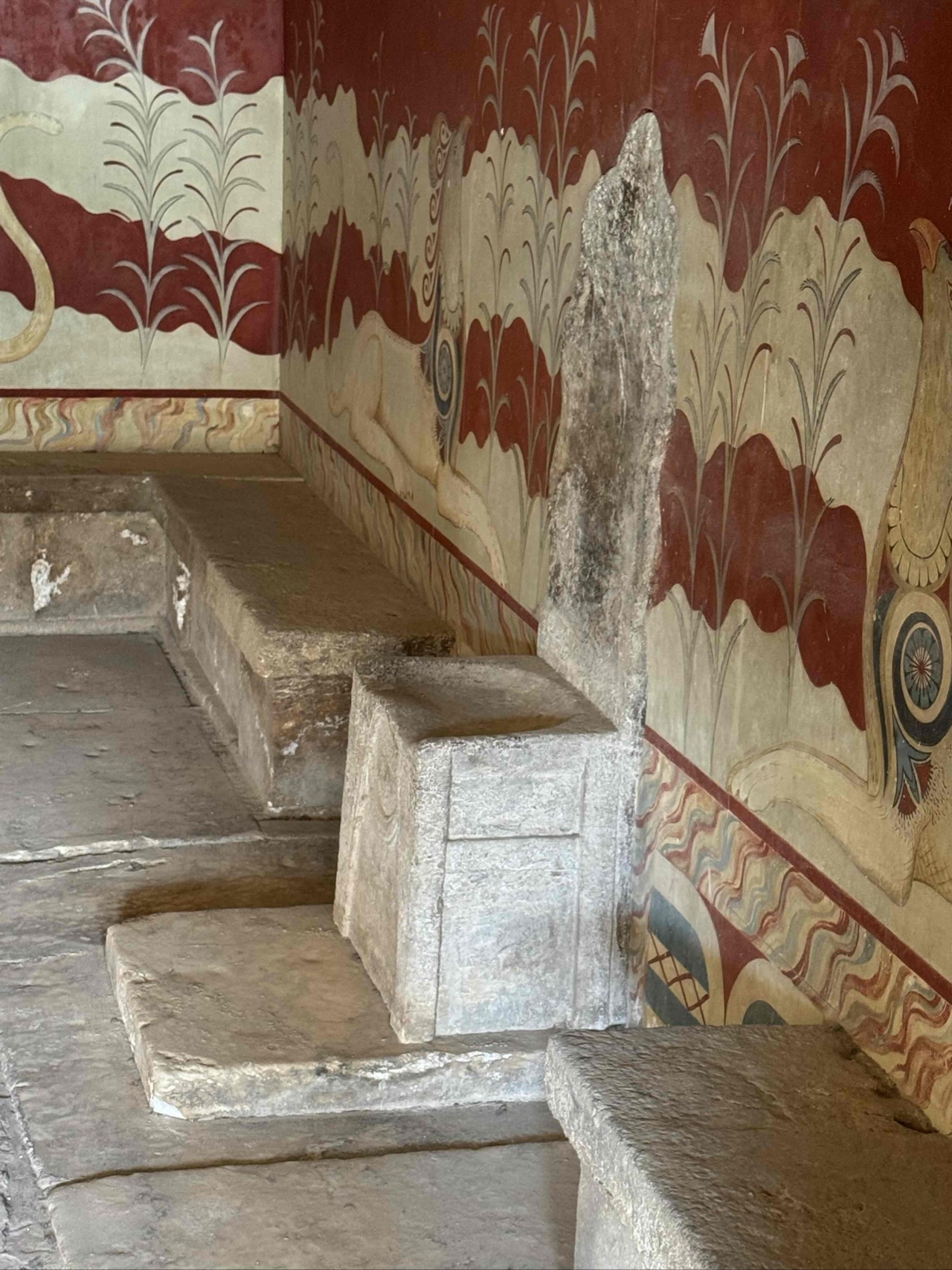
Fun Fact: We learned that King Minos' throne was used as a model for the head seat at the Hague. While we've heard over time that the Romans were responsible for plumbing, we saw evidence of a sewage system in Knossos. The Minoans were the first to have aqueducts in 2000 BC (crazy!).
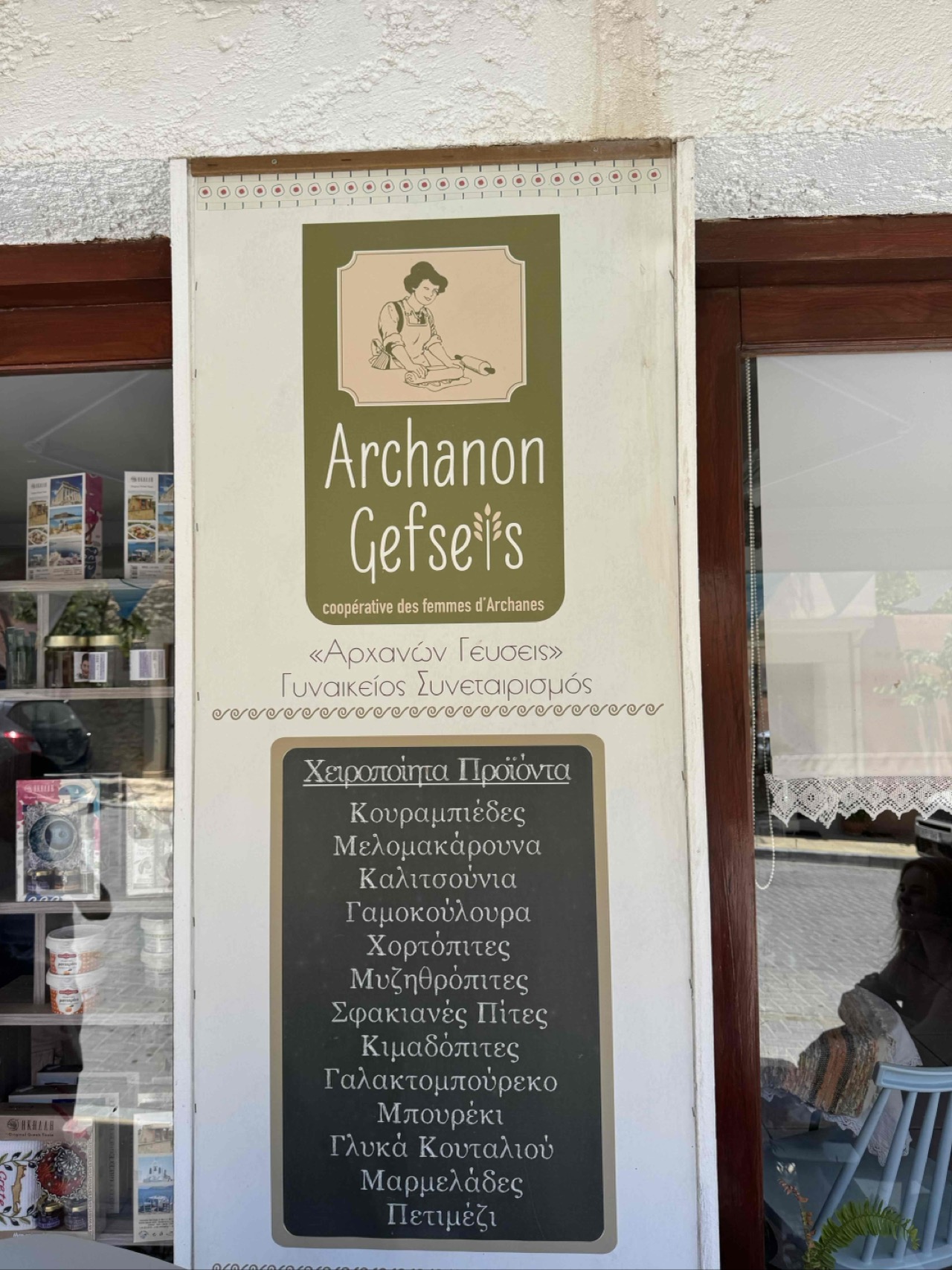
Archanon Gefseis (Αρχανών Γεύσεις — meaning "Tastes of Archanes")
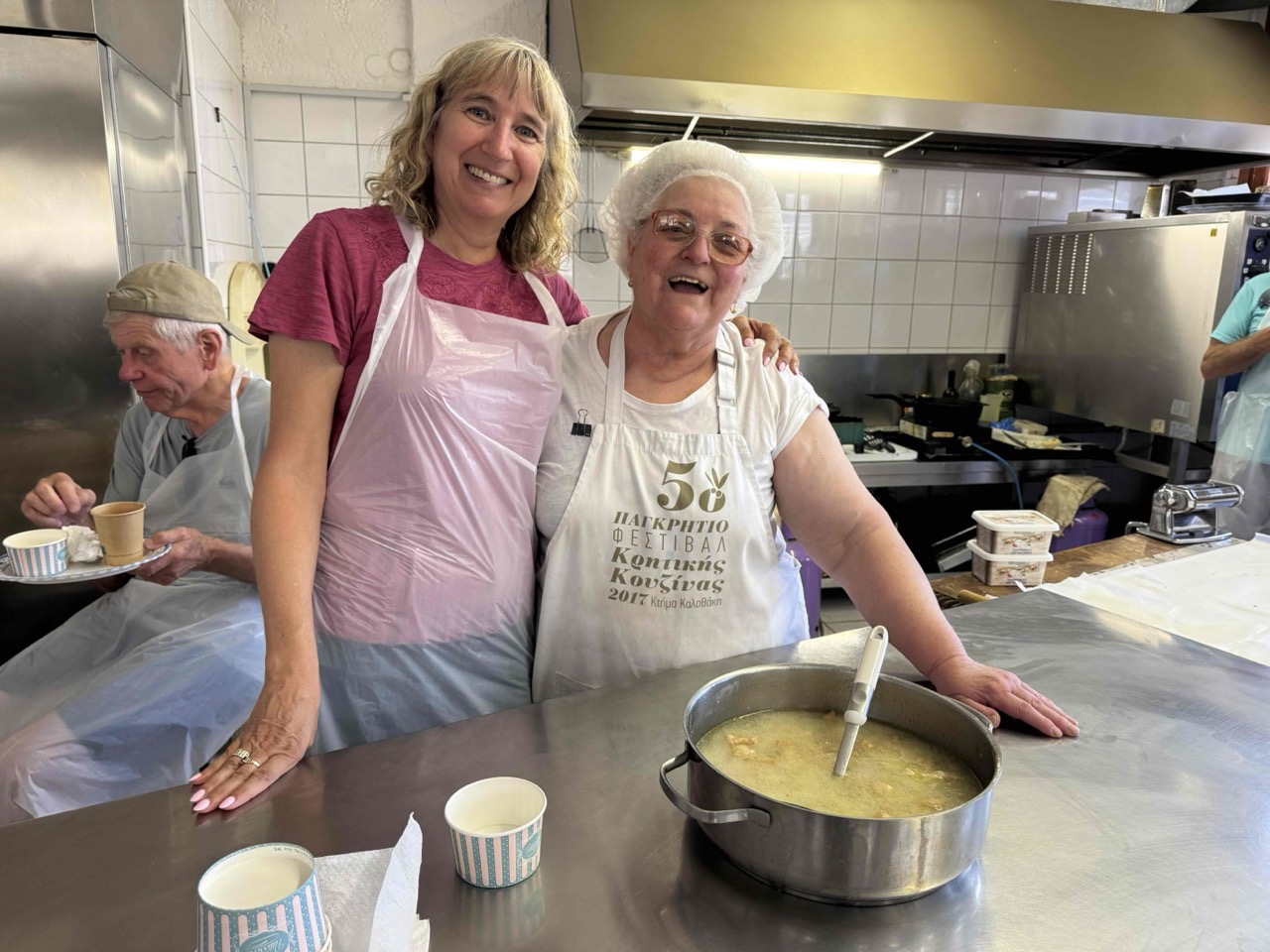
We visited the historic, award-winning village of Epano Archanes. There we met Spyridoula, a lovely old lady who took great pride in telling us about her business, and the development of the village co-op (which was only broken up due to intervention by the government).
Founded to empower women in the rural Cretan community, it allows them to achieve financial independence while actively safeguarding their cultural heritage. The group has even won the Χρυσή Εταιρεία (Golden Company) award for its outstanding contribution to the local community.
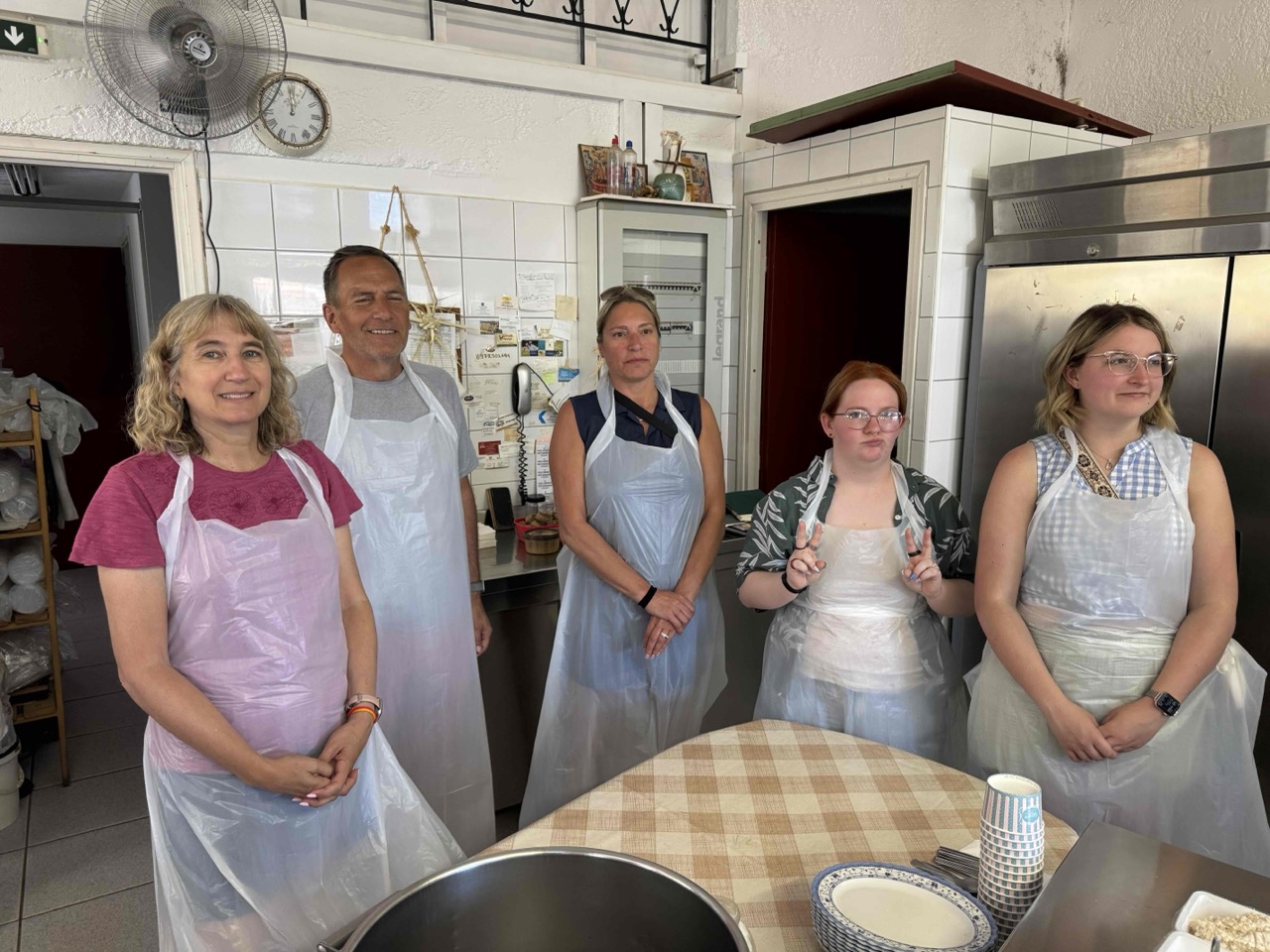
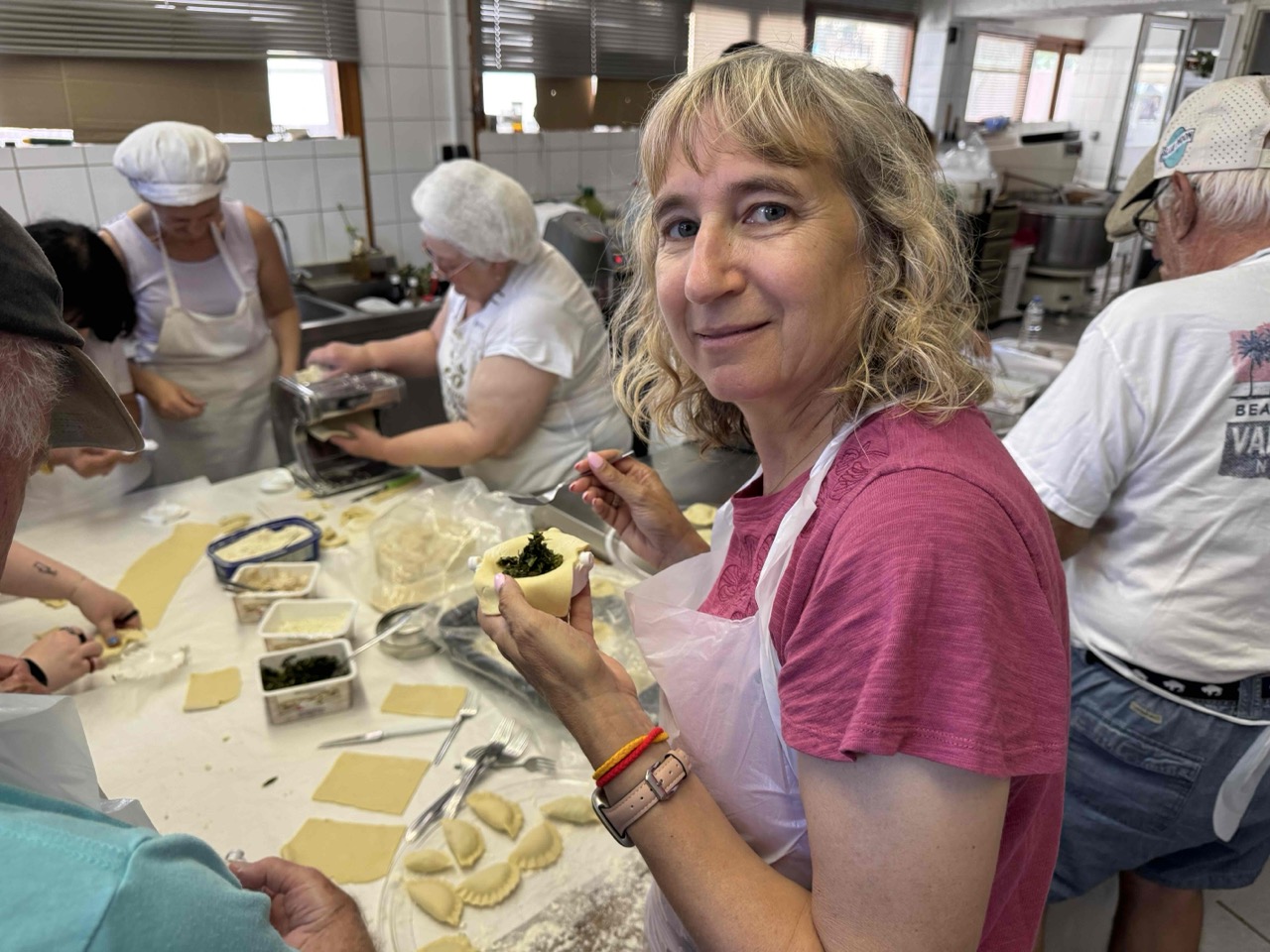
We learned how to make kaltsounia, which are traditional Cretan sweet pastries stuffed with fresh, mild mizithra cheese. We also made Wild Herb Pies (Hortopites), which are savory pastries packed with wild, hand-foraged mountain greens and aromatic herbs like thyme and sage. There are only six ingredients in the dough, which are lemon, flour, raki, olive oil, salt, and water. We all got to make the dumpling-like pastries, which was a lot of fun. Susan made the grandson's day by purchasing a clay pot that he had made in an arts class. He was selling it for €1 and Susan paid €5.
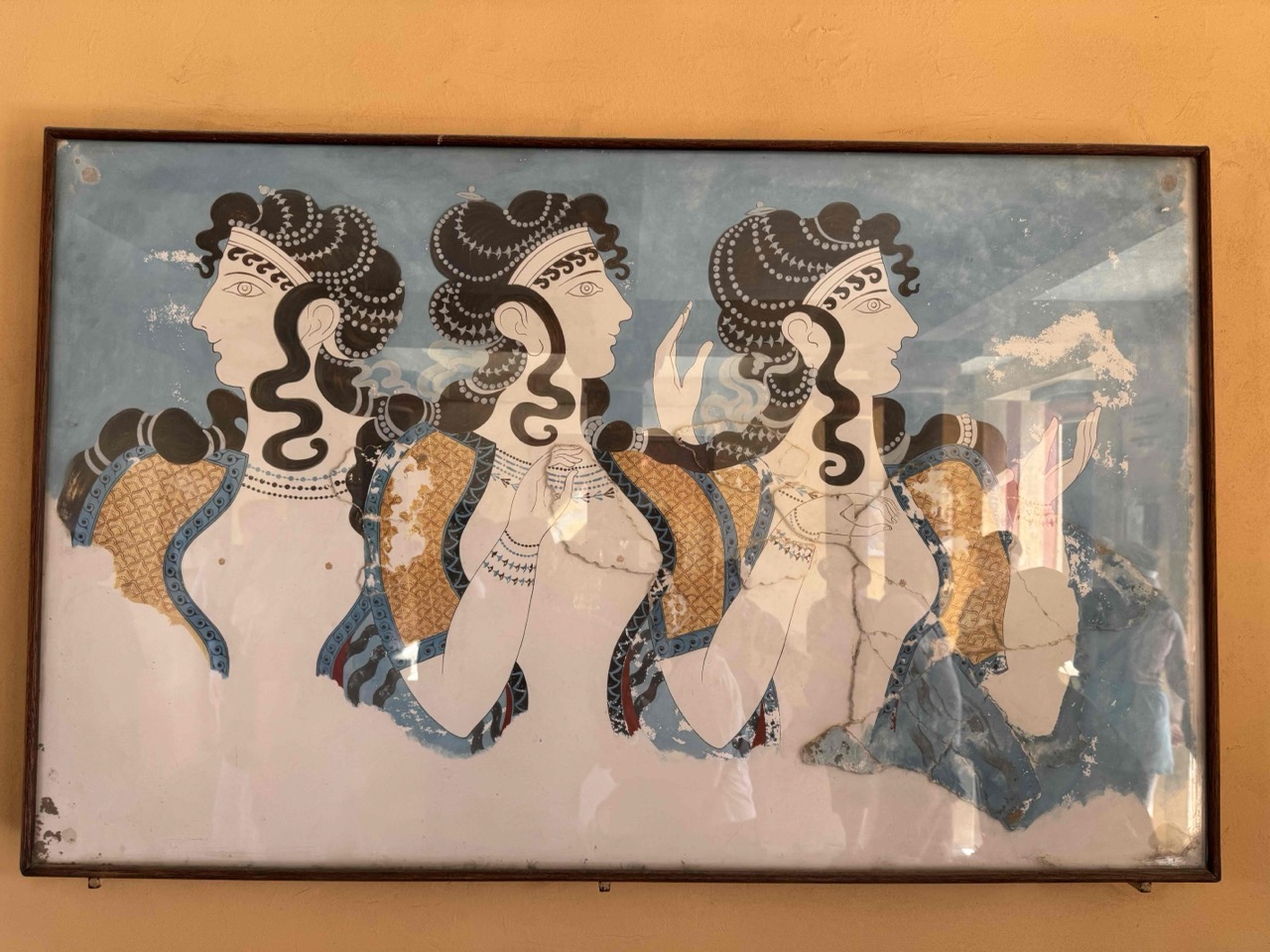
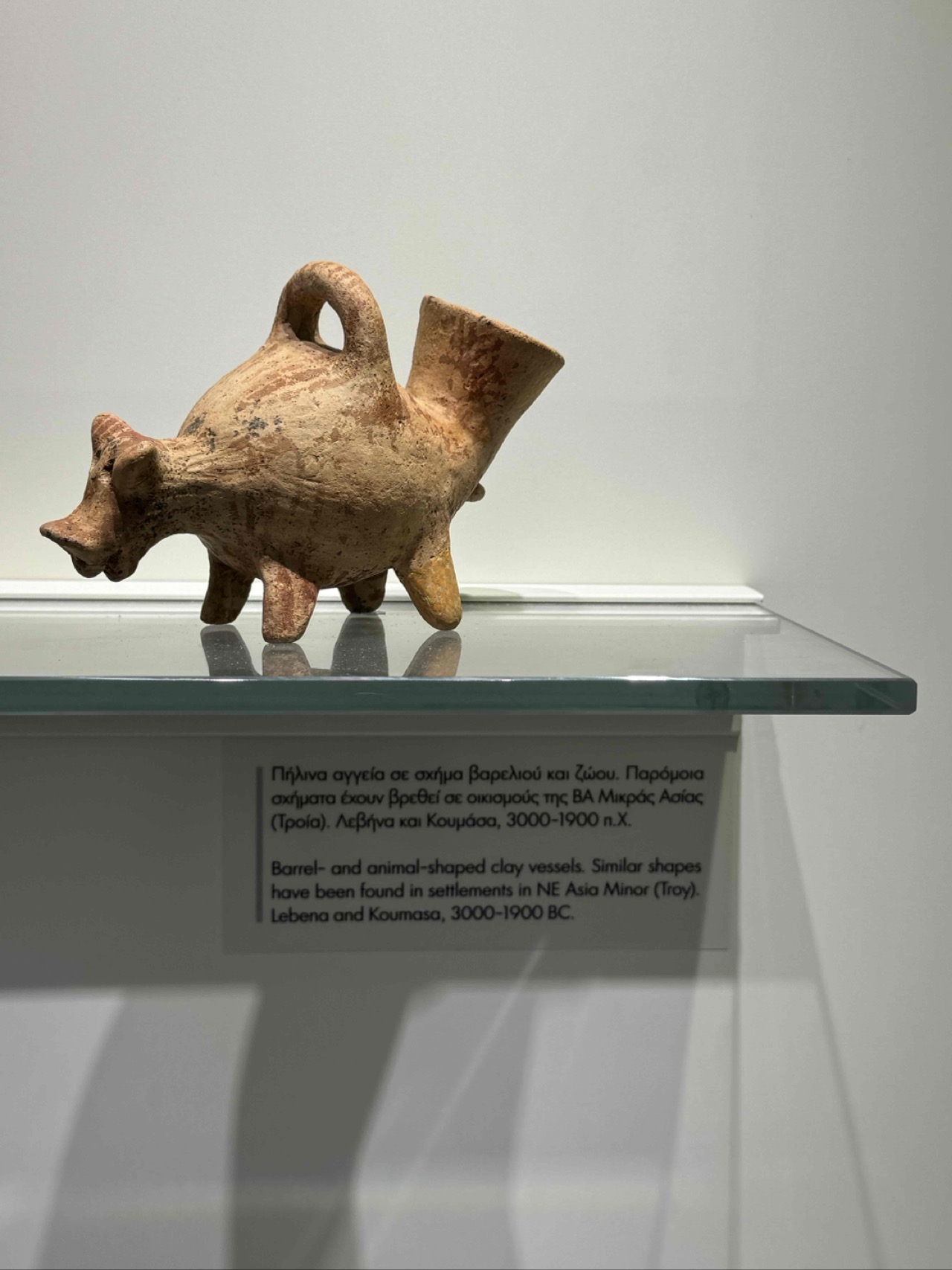
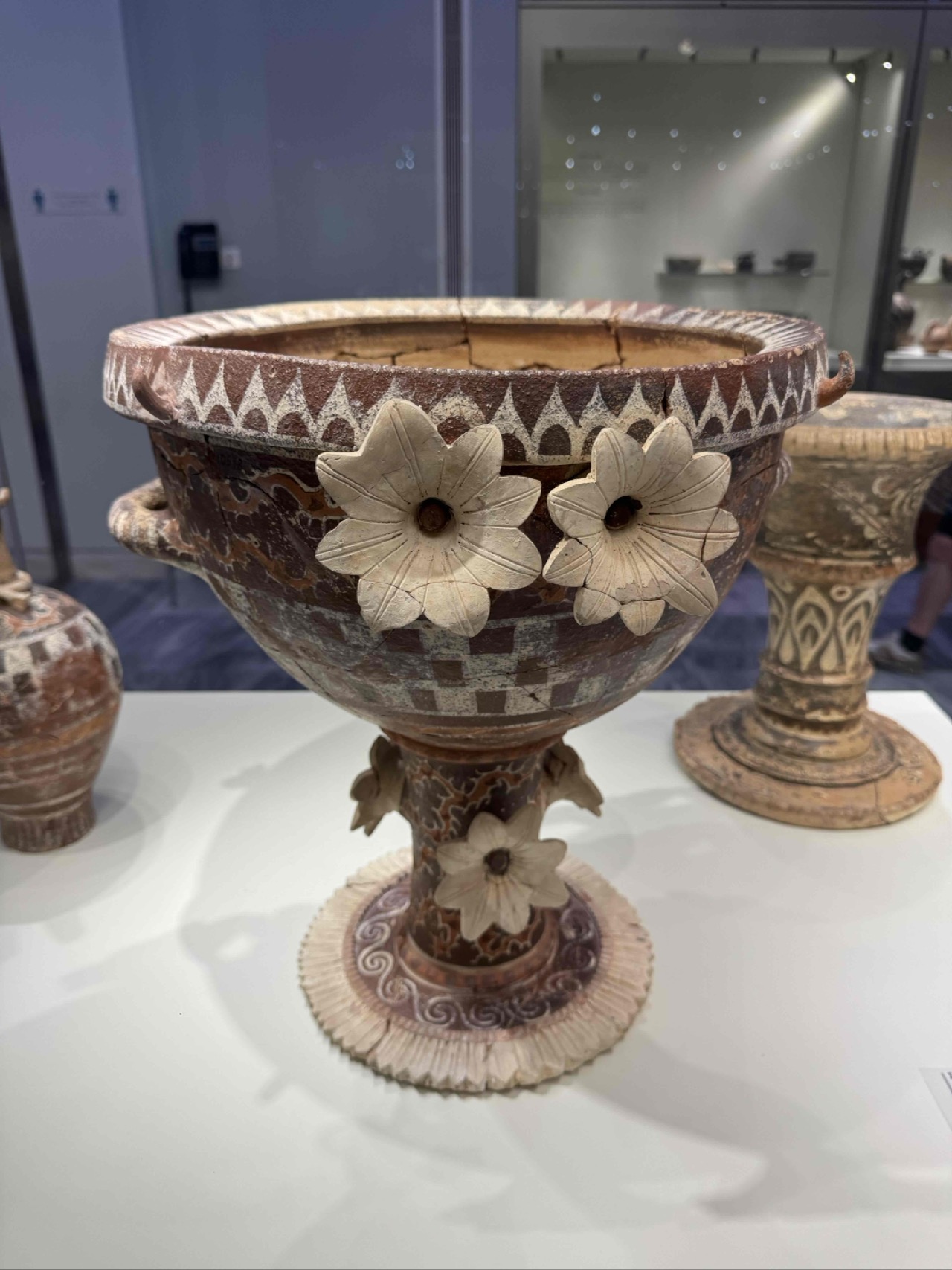
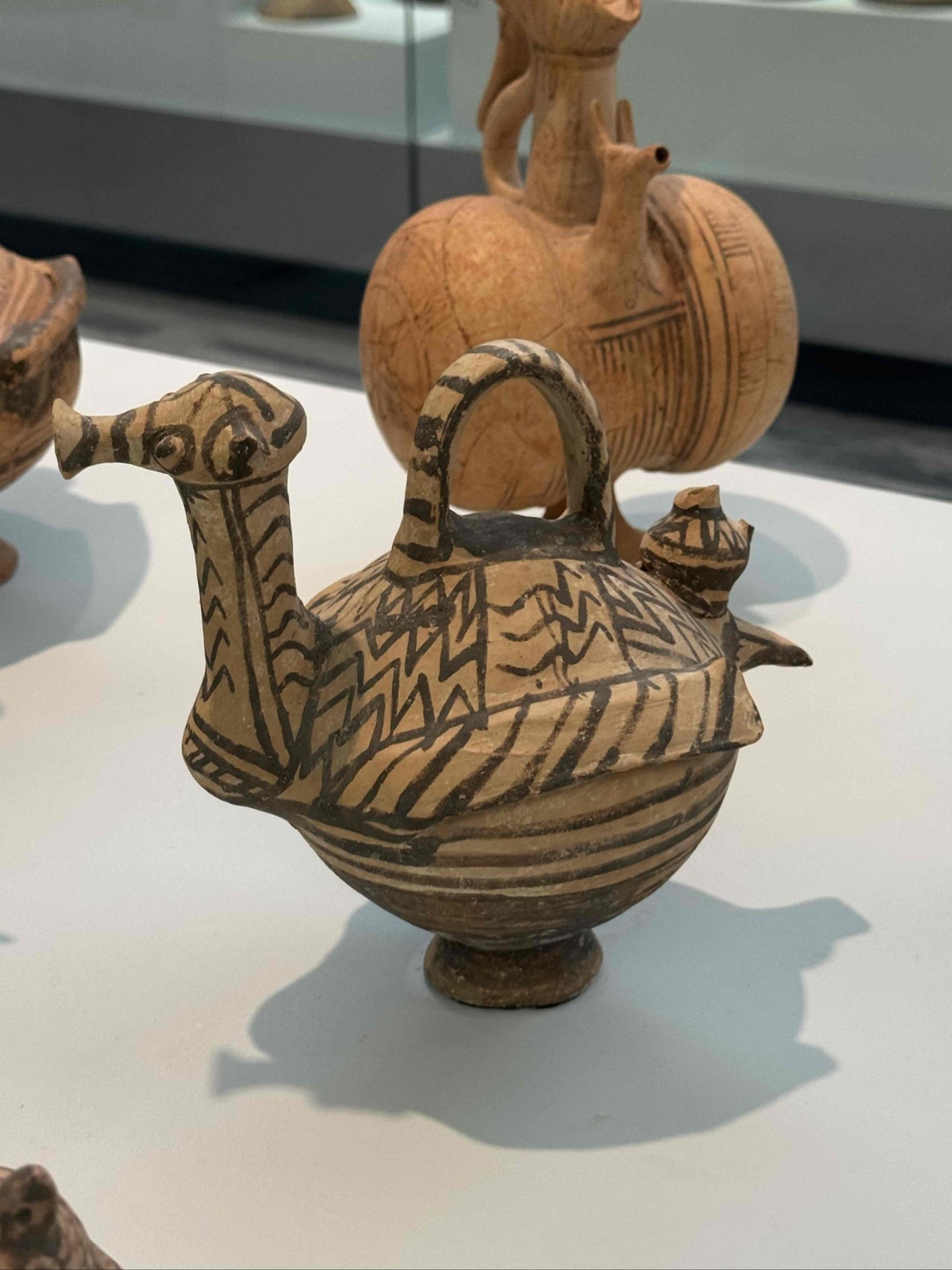
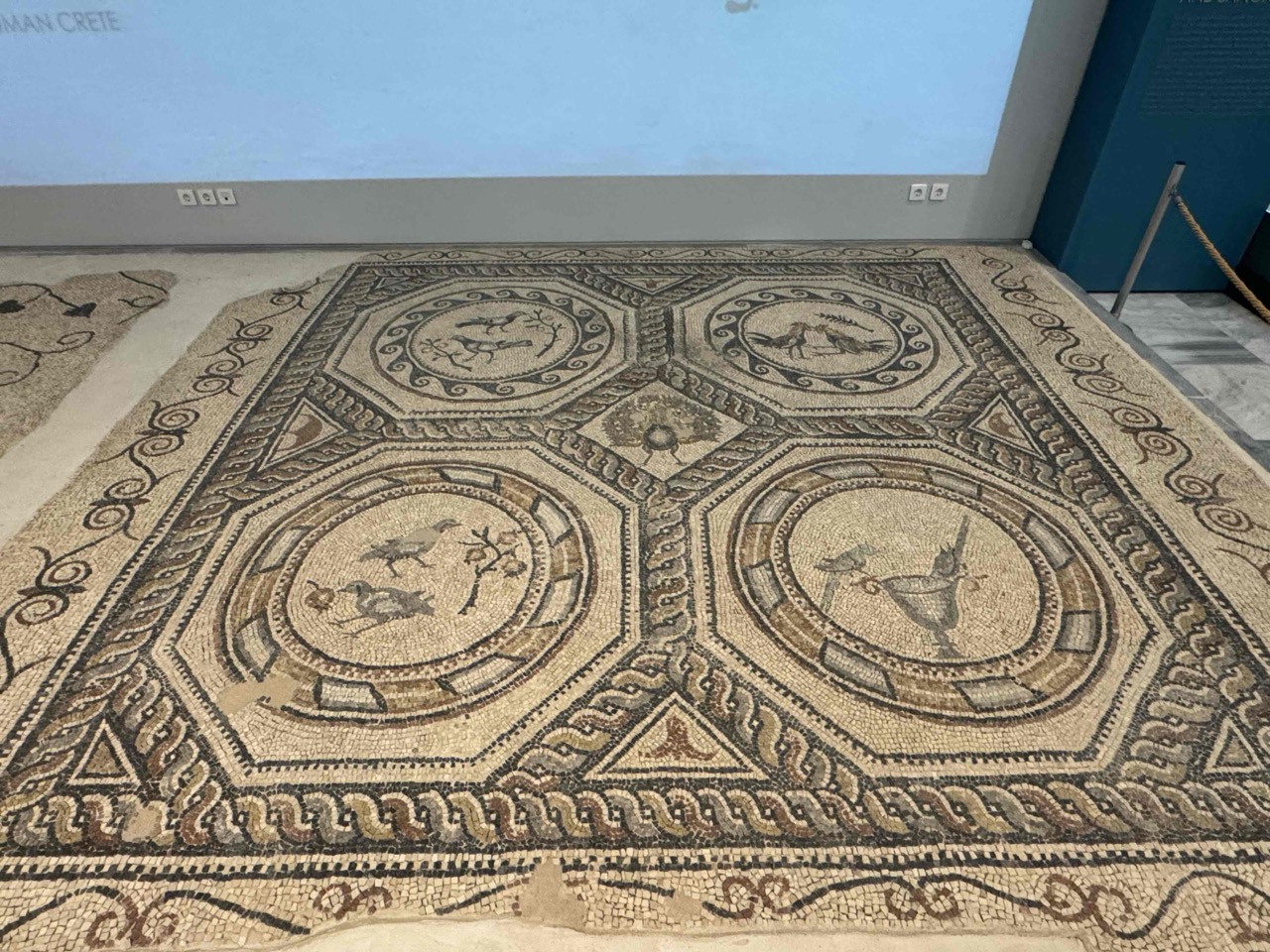
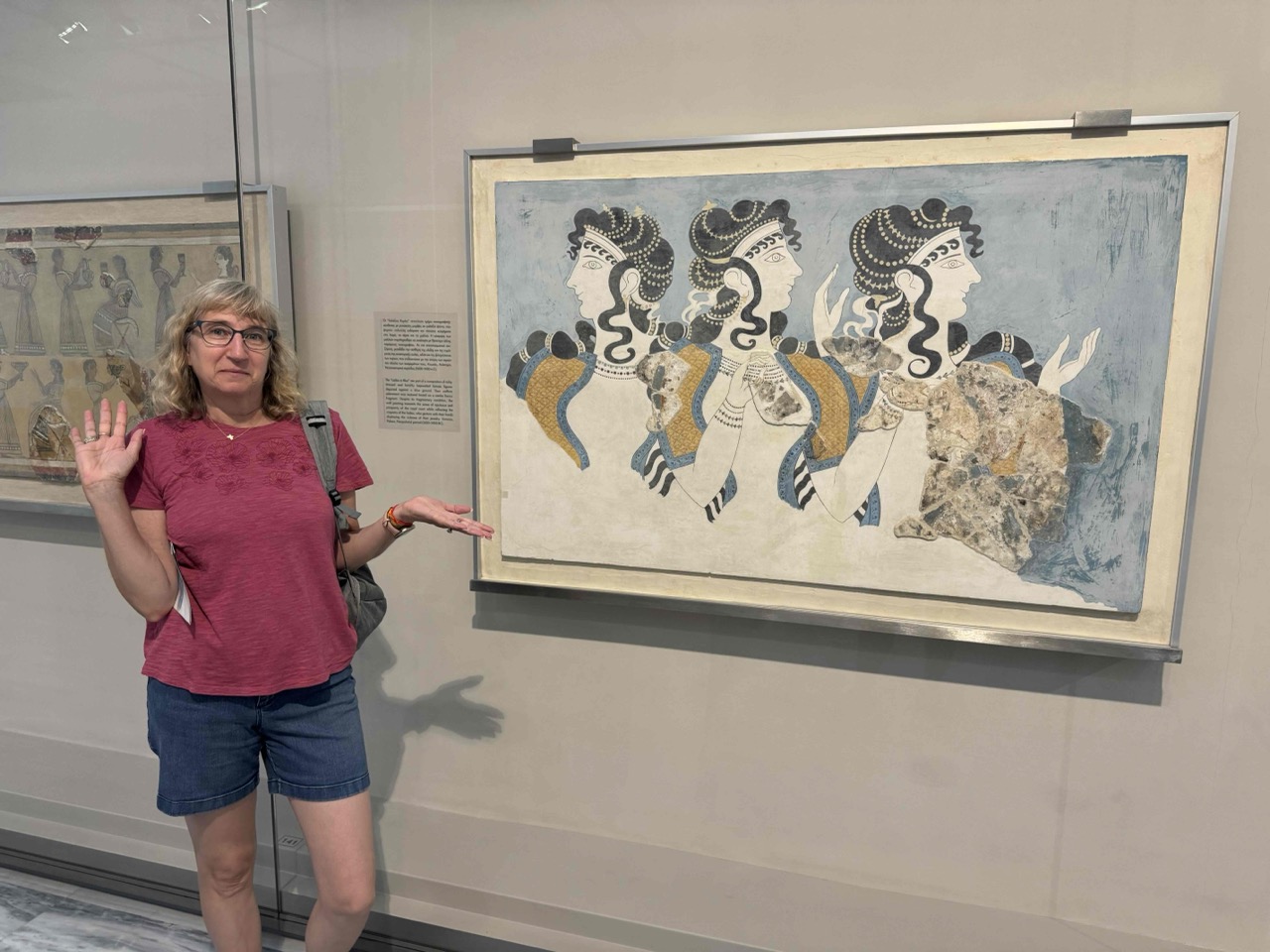
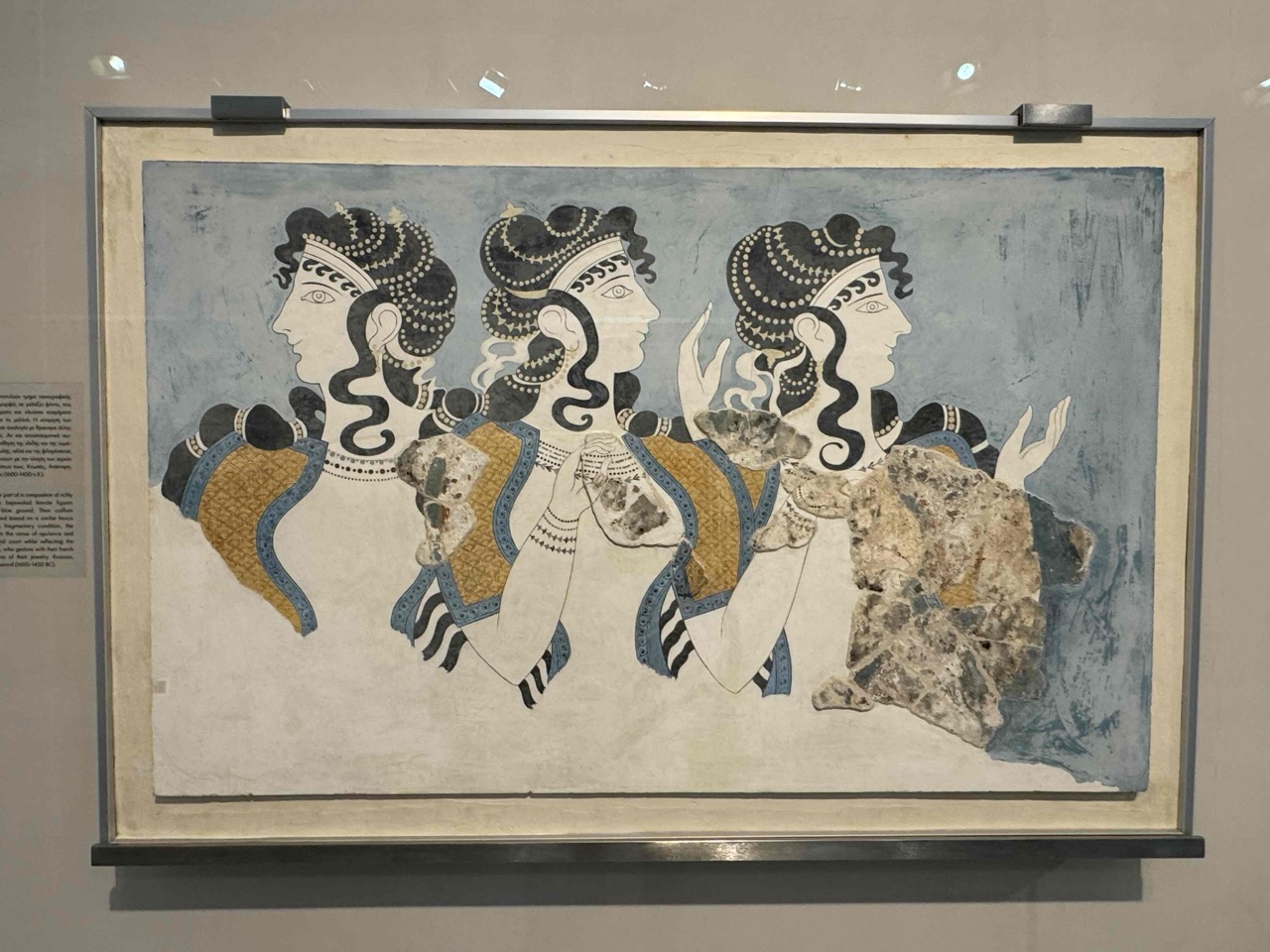
We came back to Heraklion and made a visit to the Archaeological Museum, where we were able to see some amazing frescoes that had been rescued by Sir Arthur Evans from Knossos.
What's Next
Tomorrow we are scheduled to head from Heraklion to Chania.
— David