Day 12: Himeji Castle
Himeji & Osaka • October 14, 2026 • Day 12 of 14
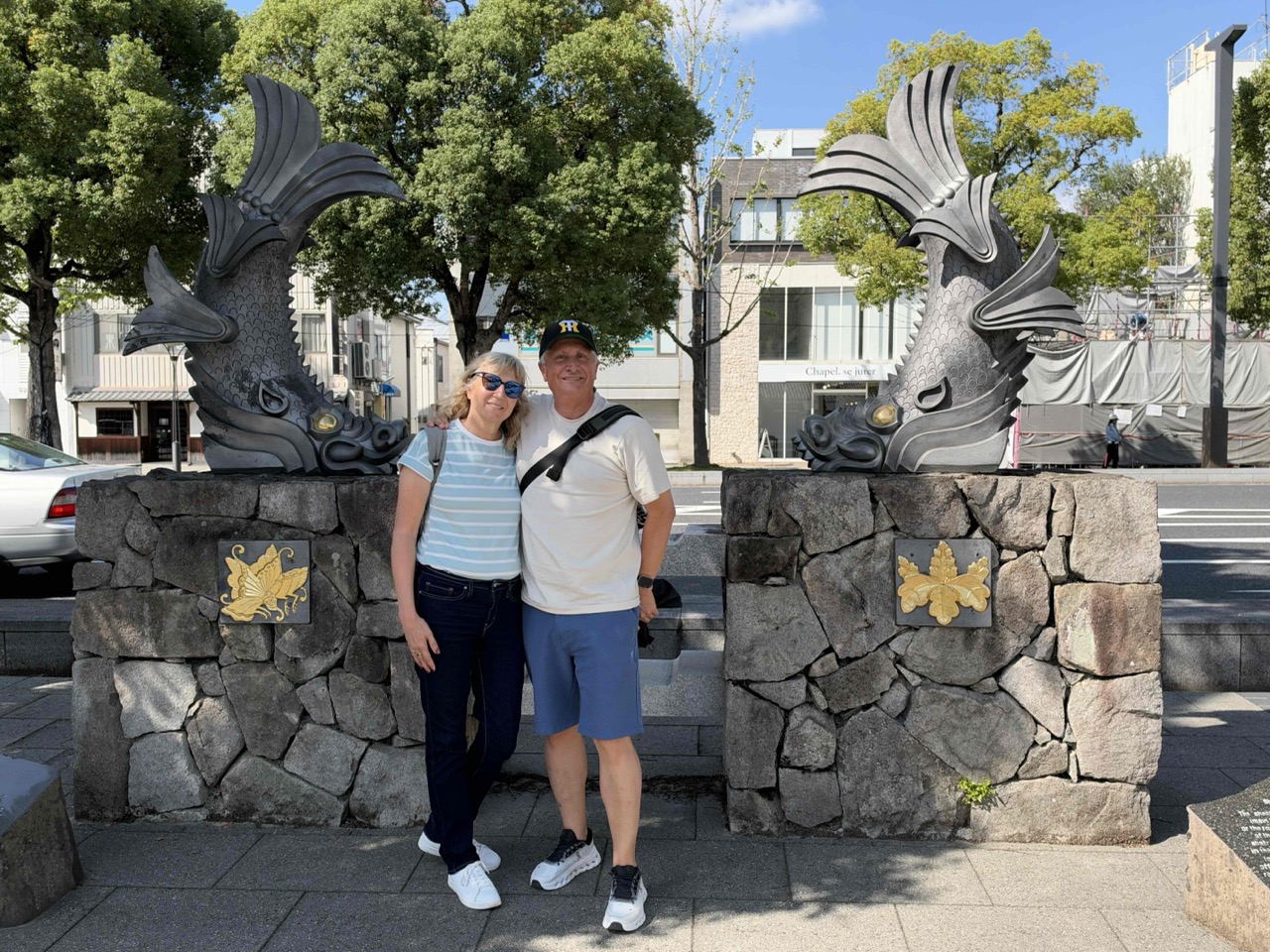
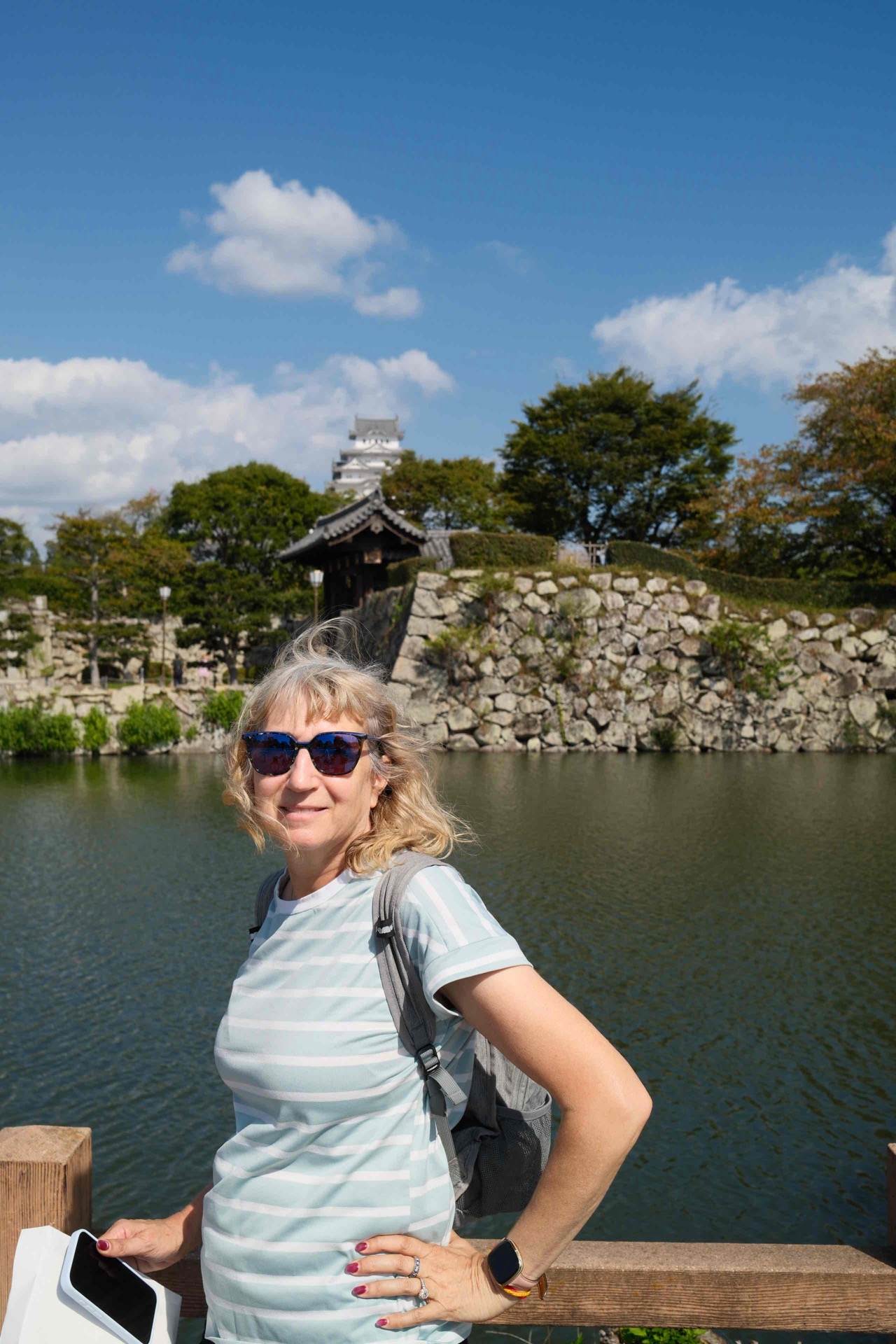
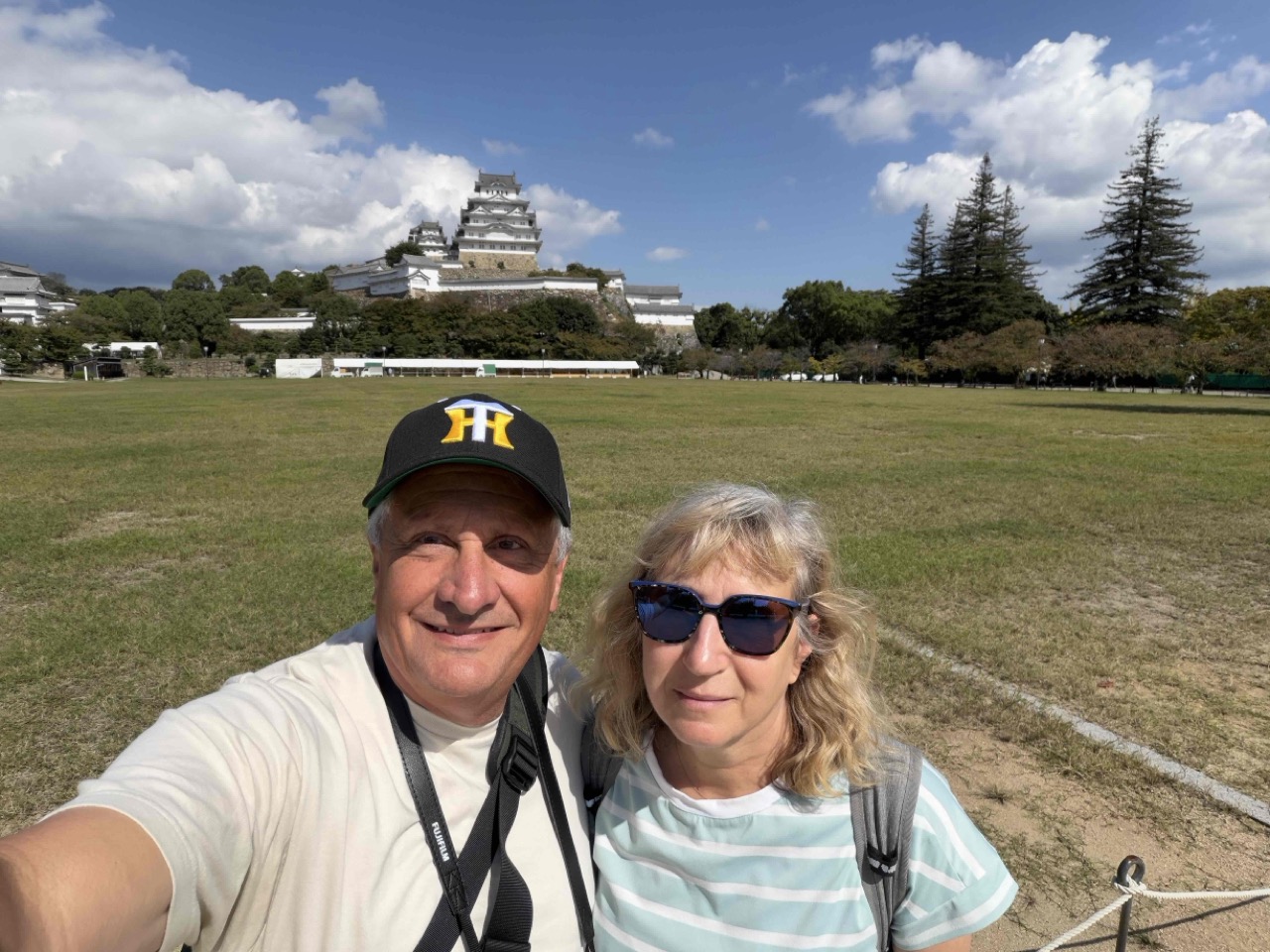
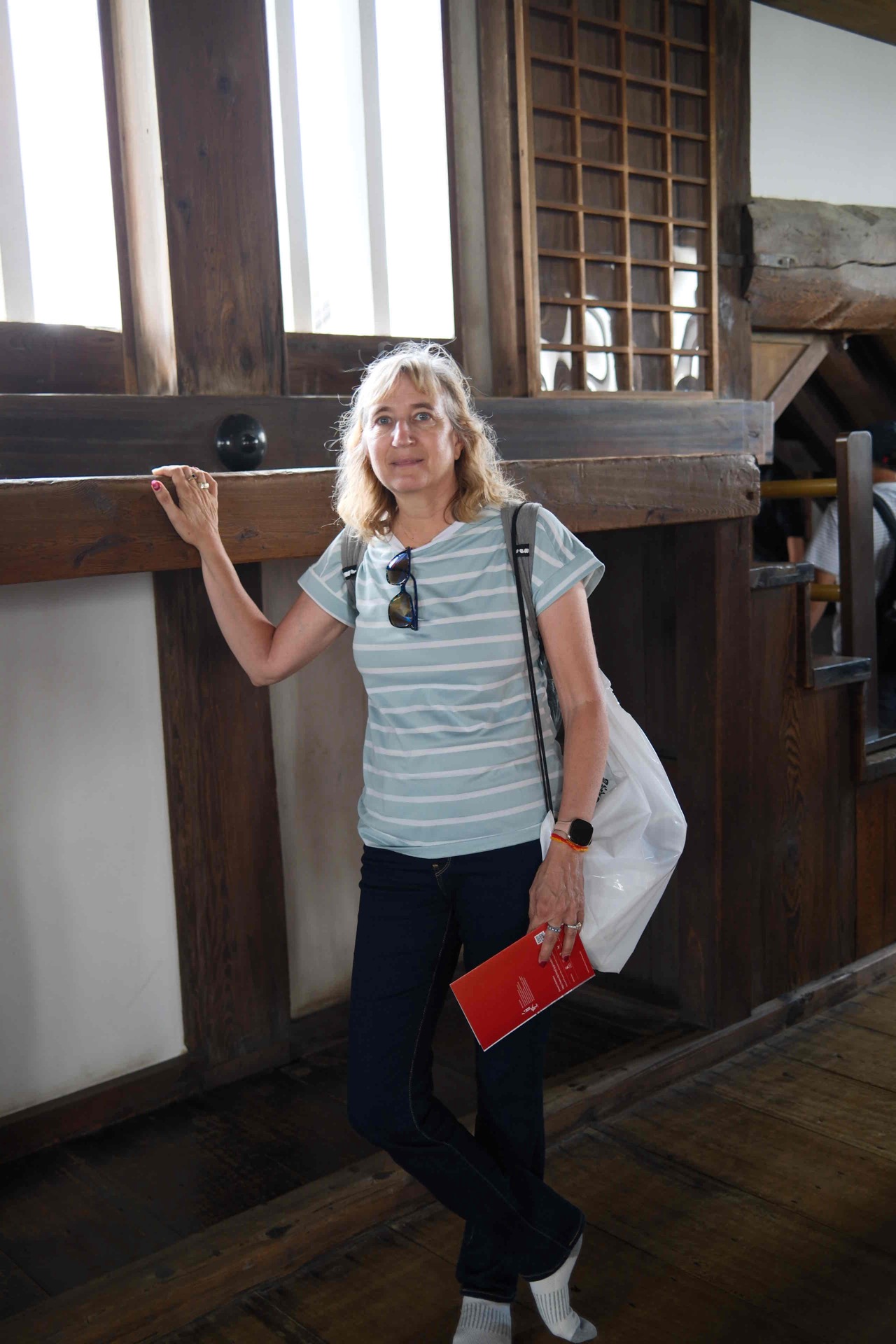
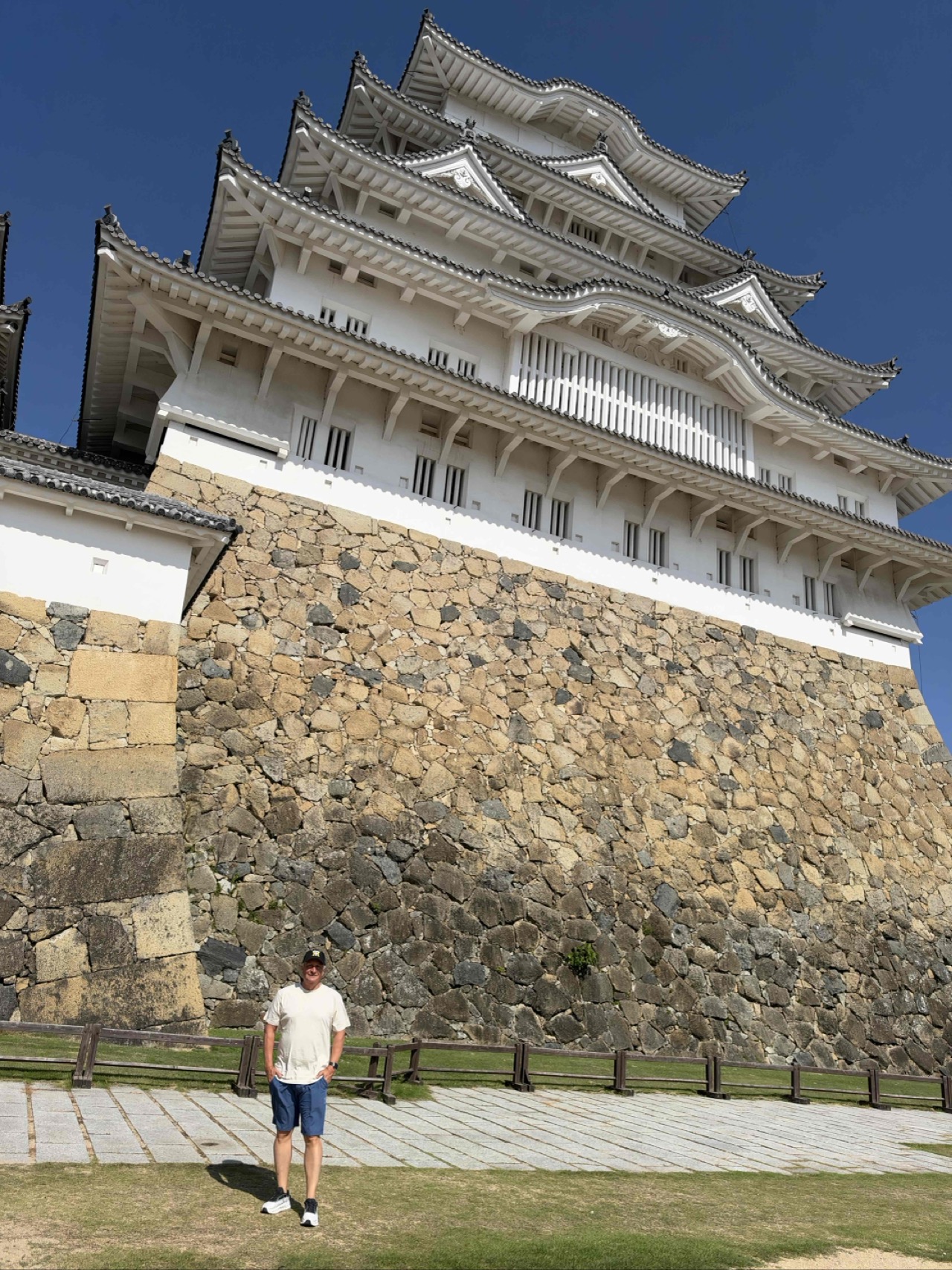
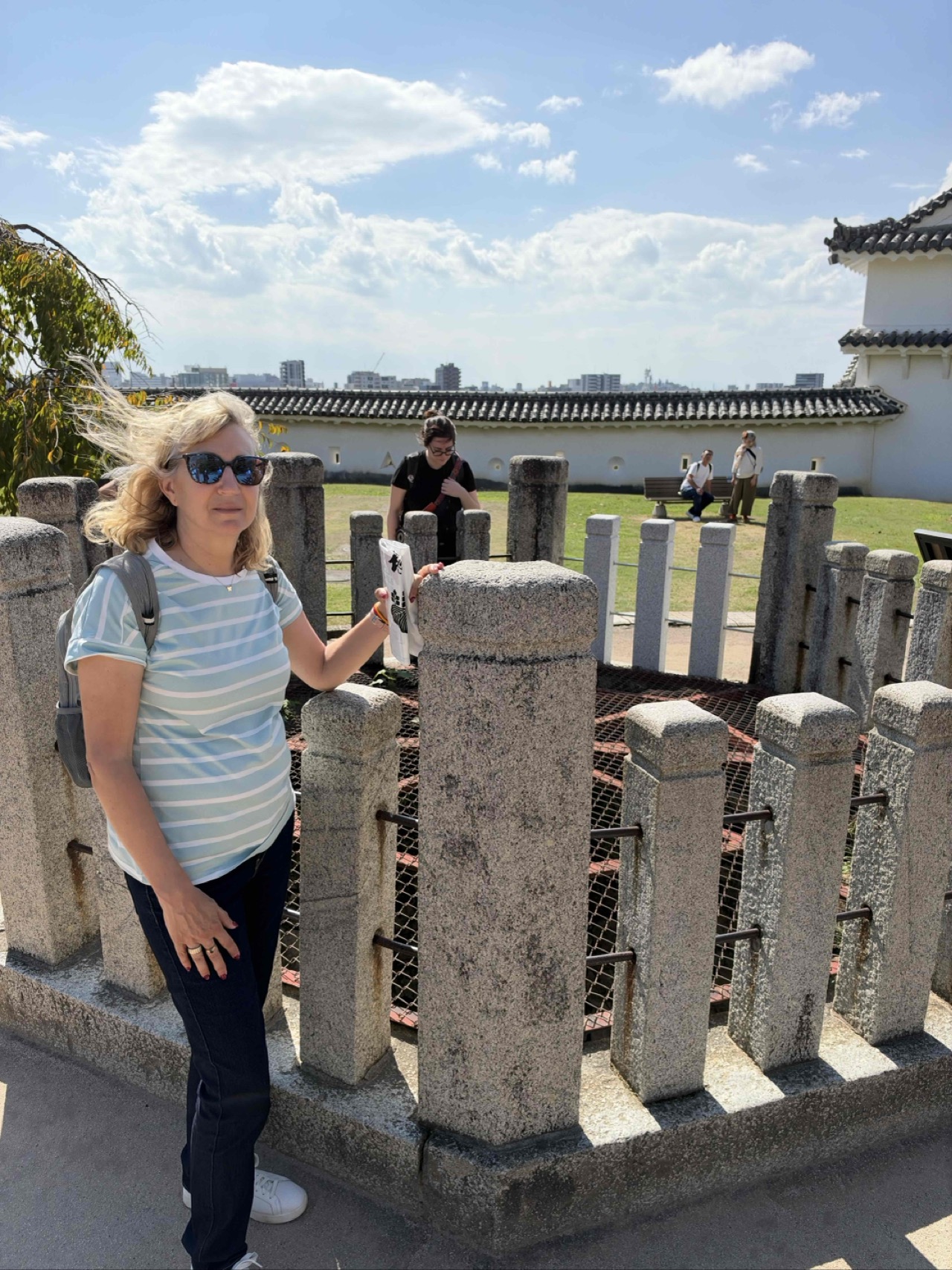
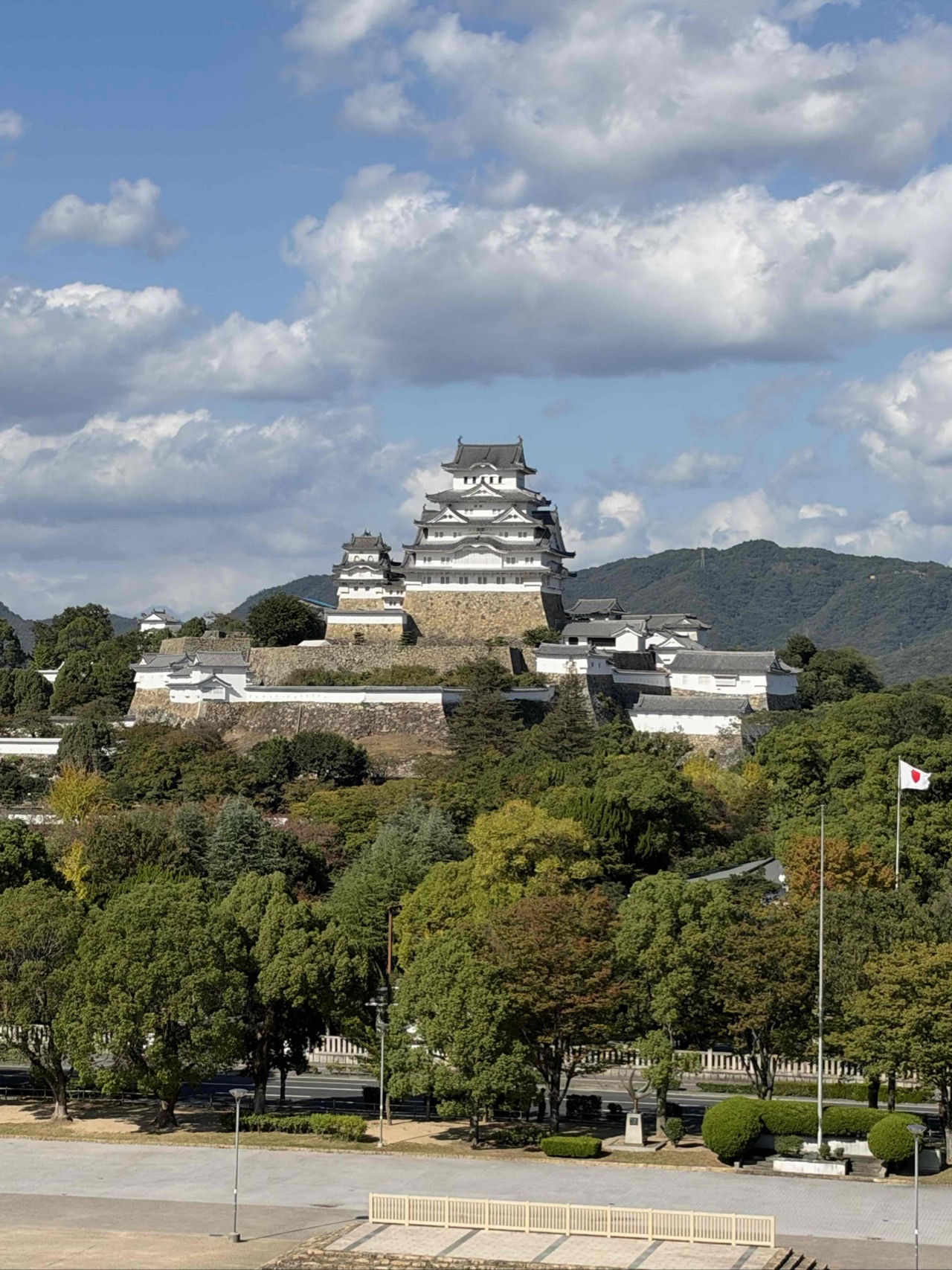
In 1982, as a 16-year-old exchange student living with a host family in Nagoya's Aichi Prefecture, I had the opportunity to visit Himeji Castle for the first time. Today, 44 years later, I made the return trip — this time with Susan by my side. Some places deserve a second visit. Himeji is one of them.
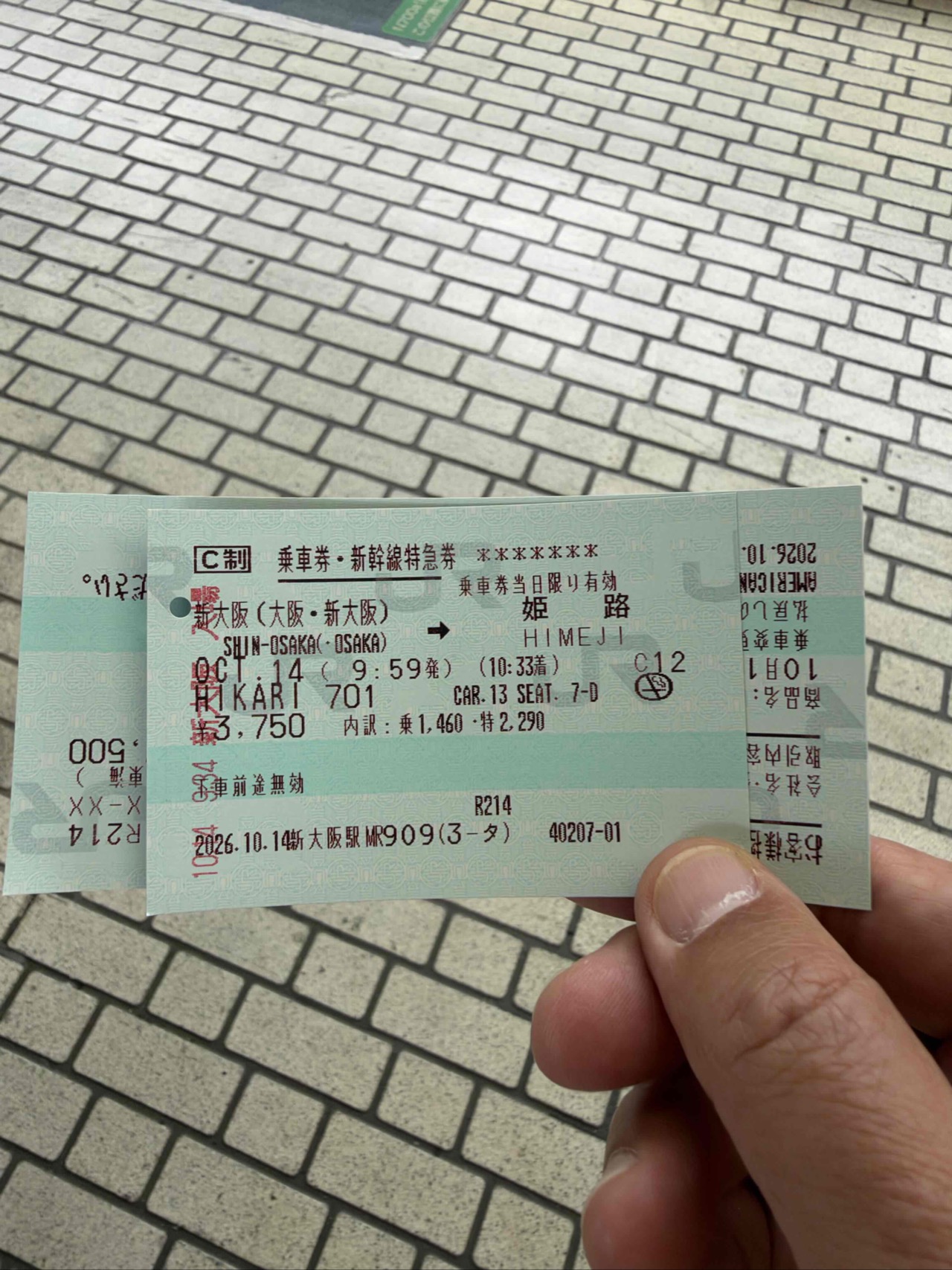
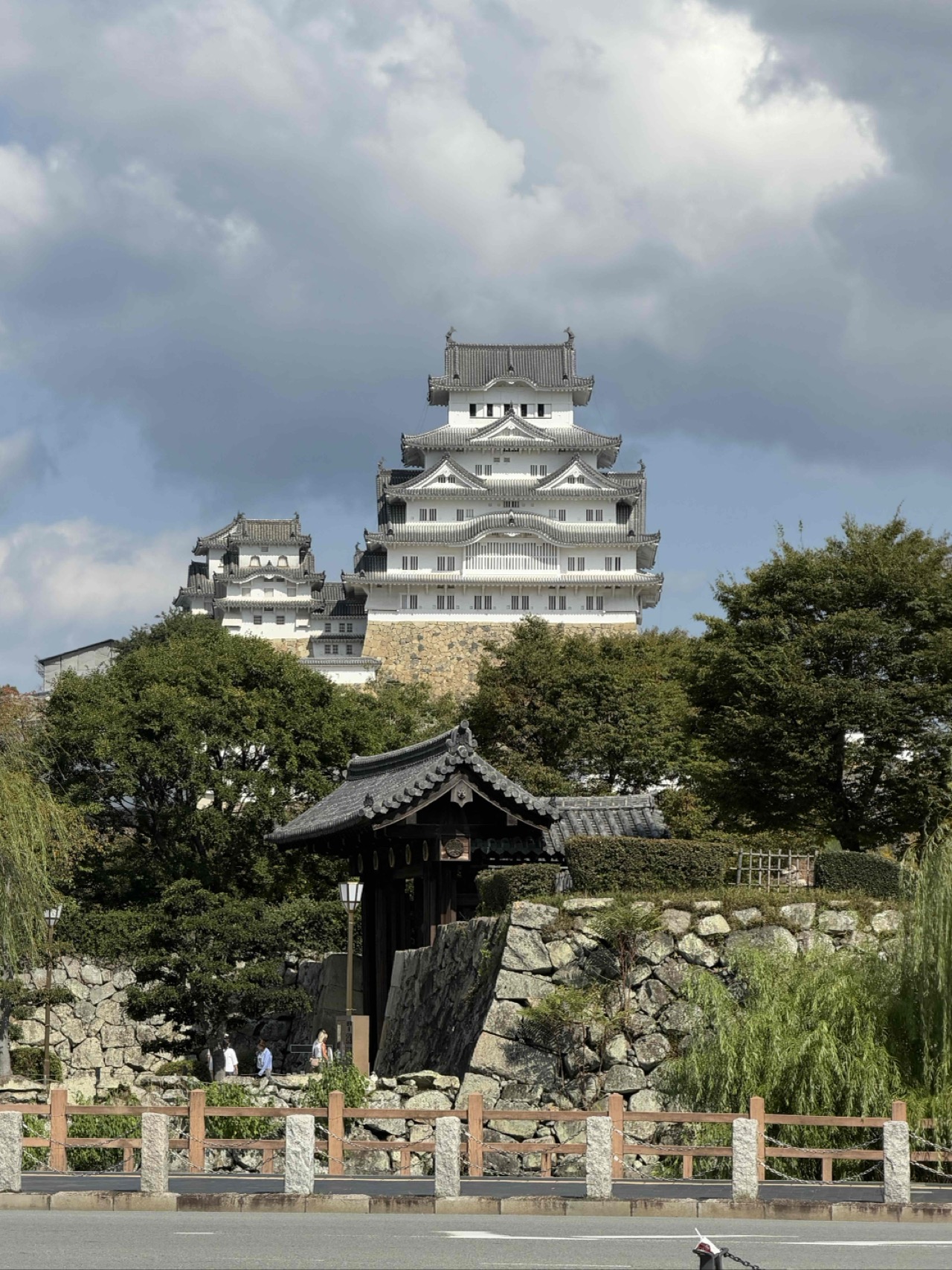
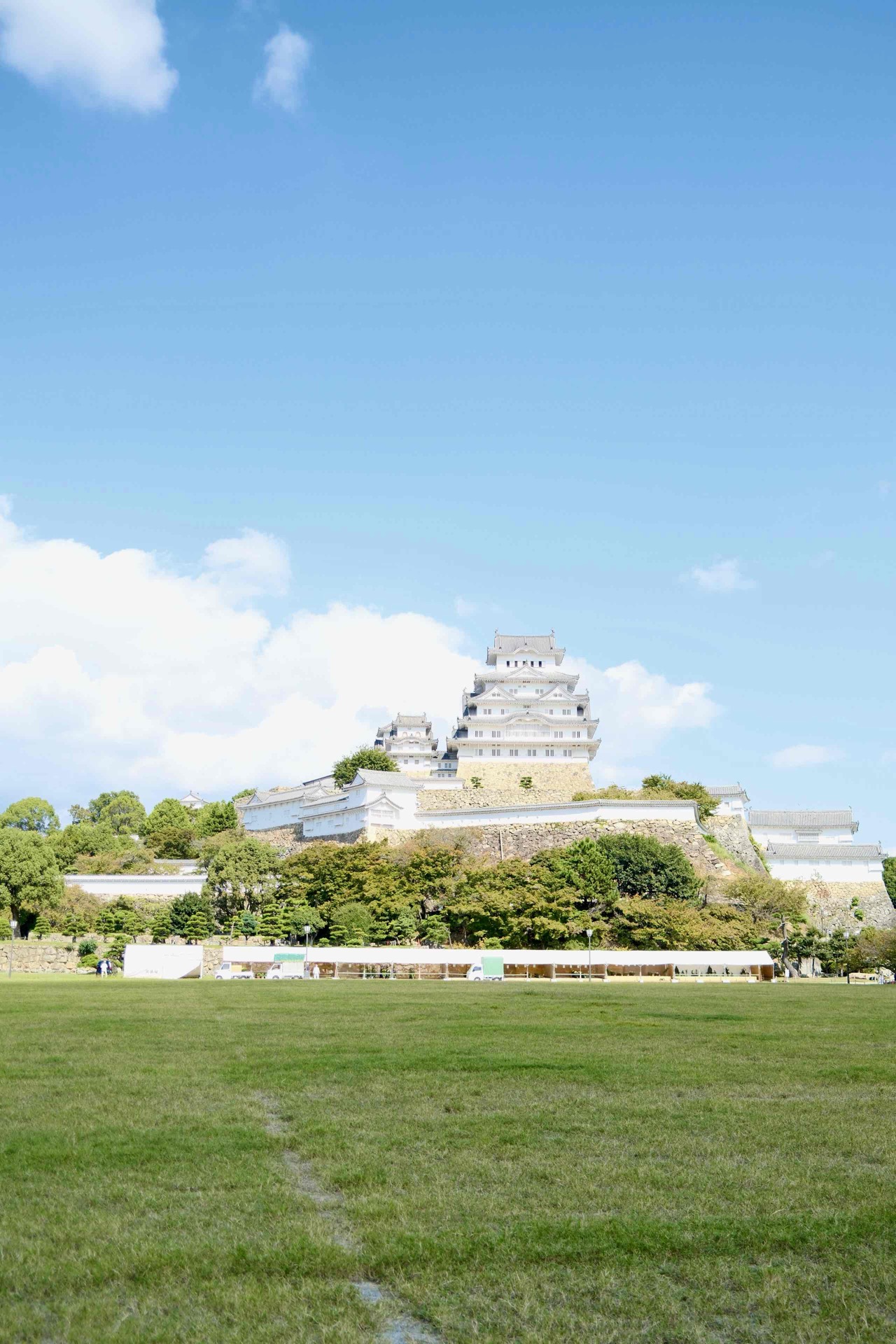
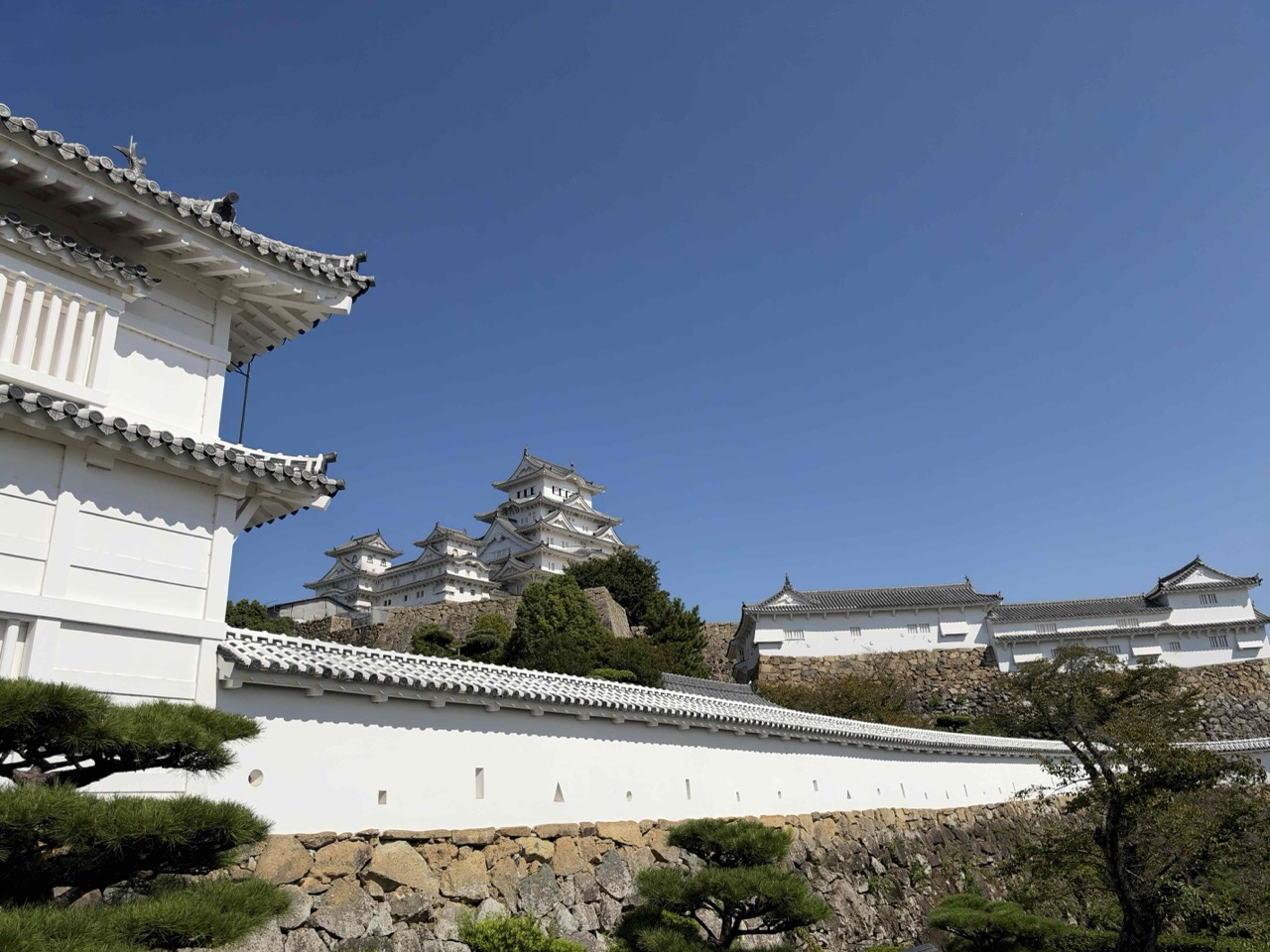
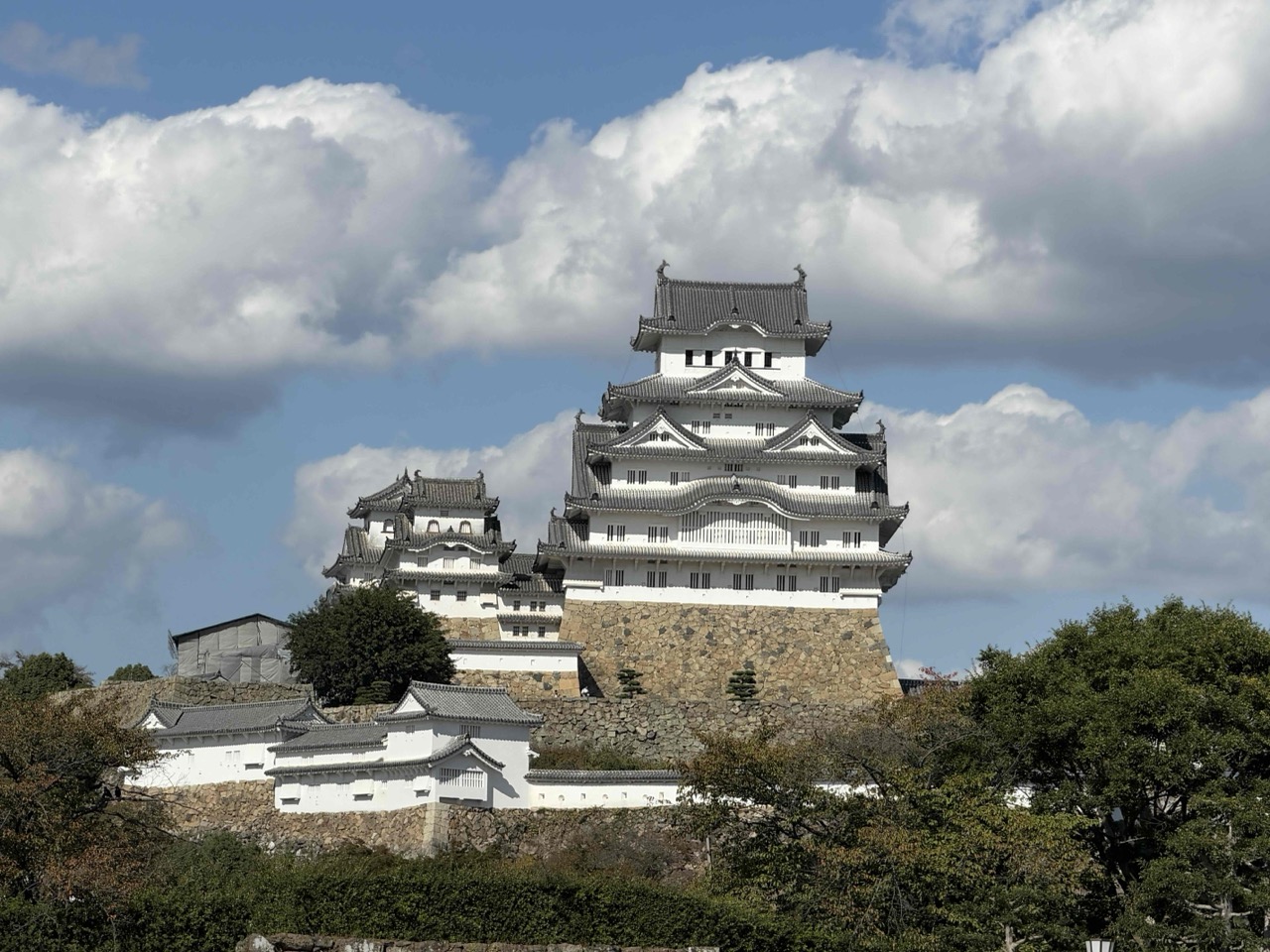
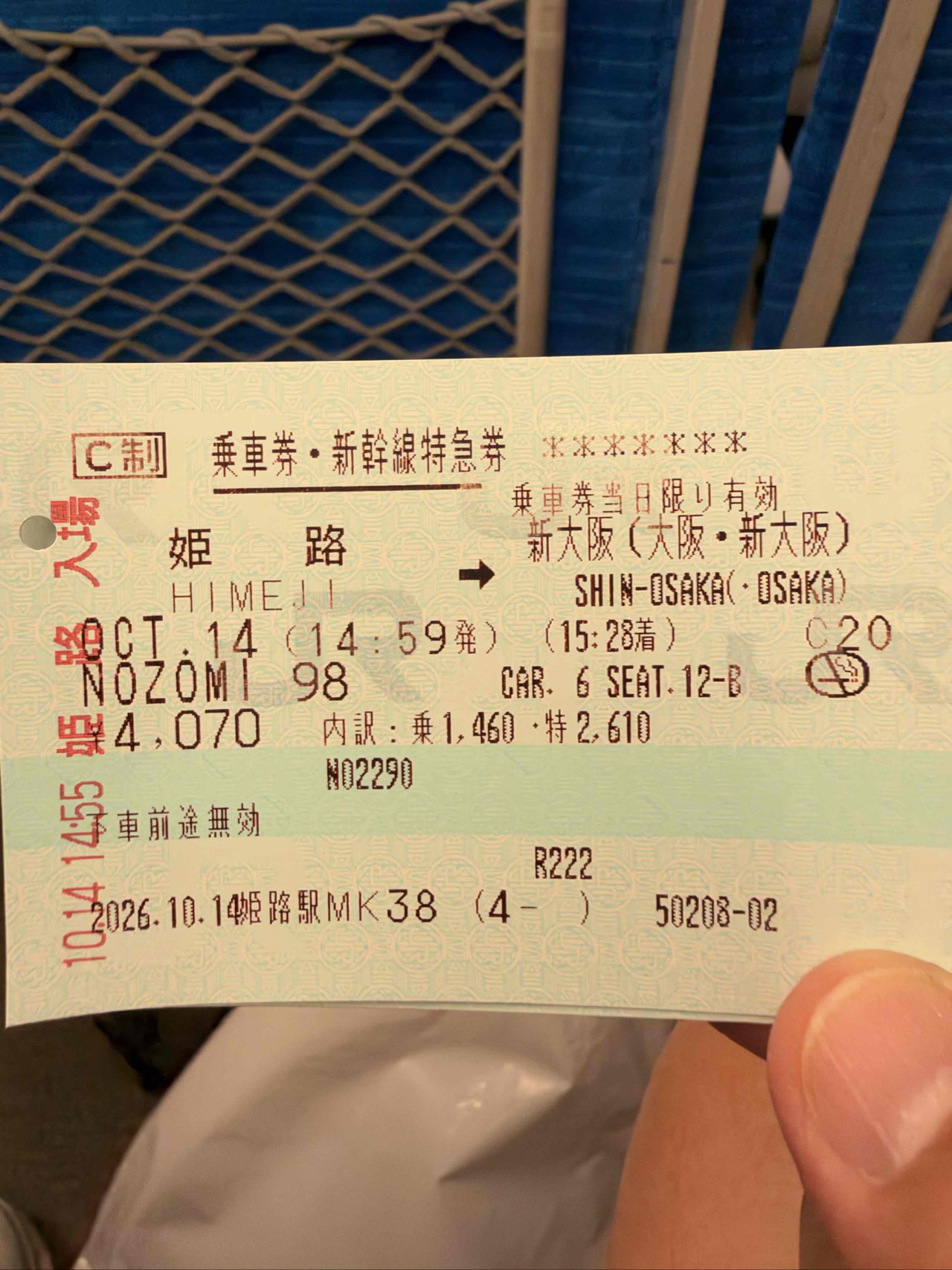
We departed from Shin-Osaka Station by Shinkansen and arrived in Himeji around 10:30 AM. From the station, the castle is visible straight ahead at the end of a long, tree-lined boulevard — an approach that has been intentionally preserved so that visitors see it exactly as arriving travelers would have centuries ago. Even knowing what was coming, it stopped us both in our tracks.
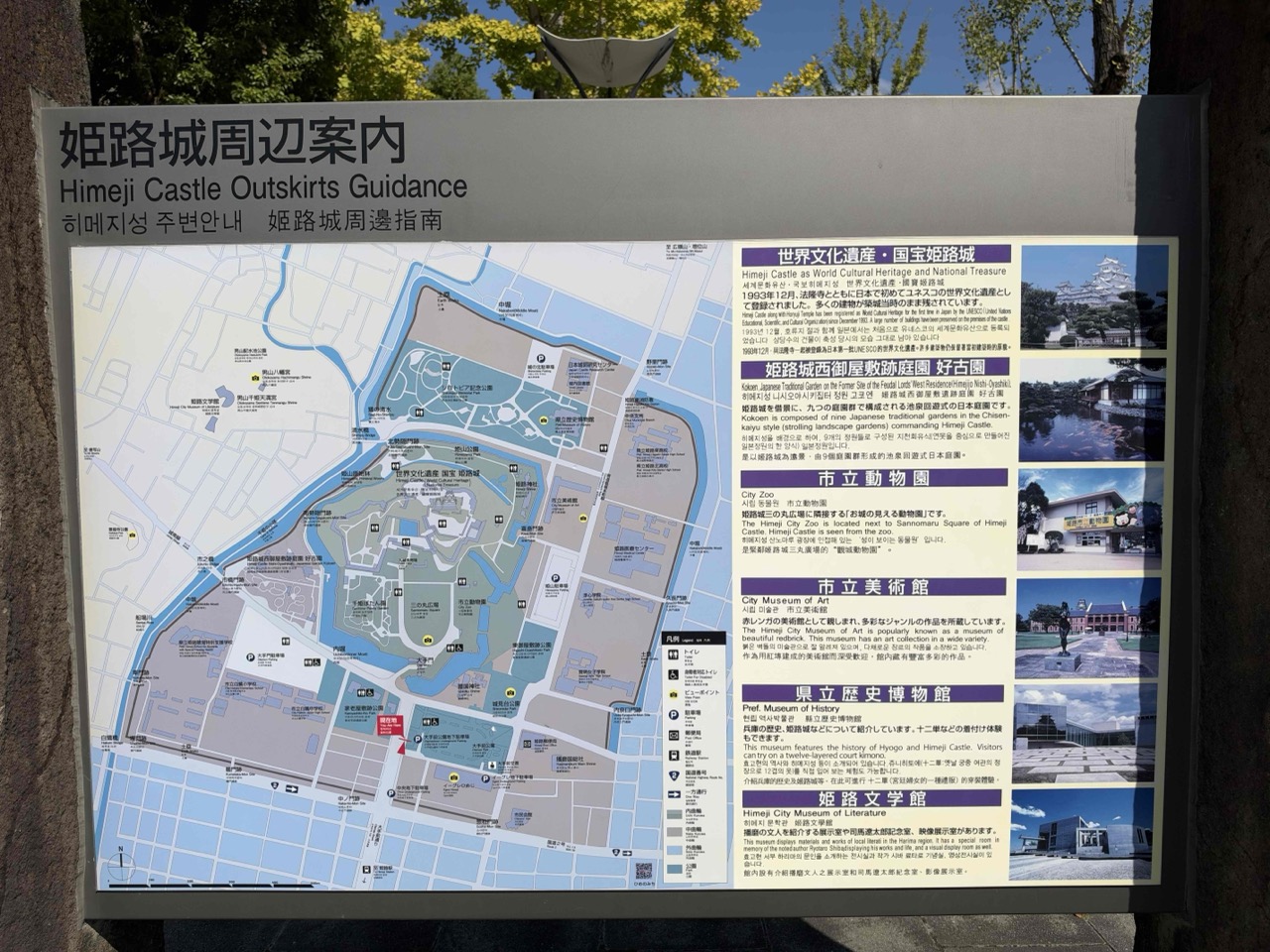
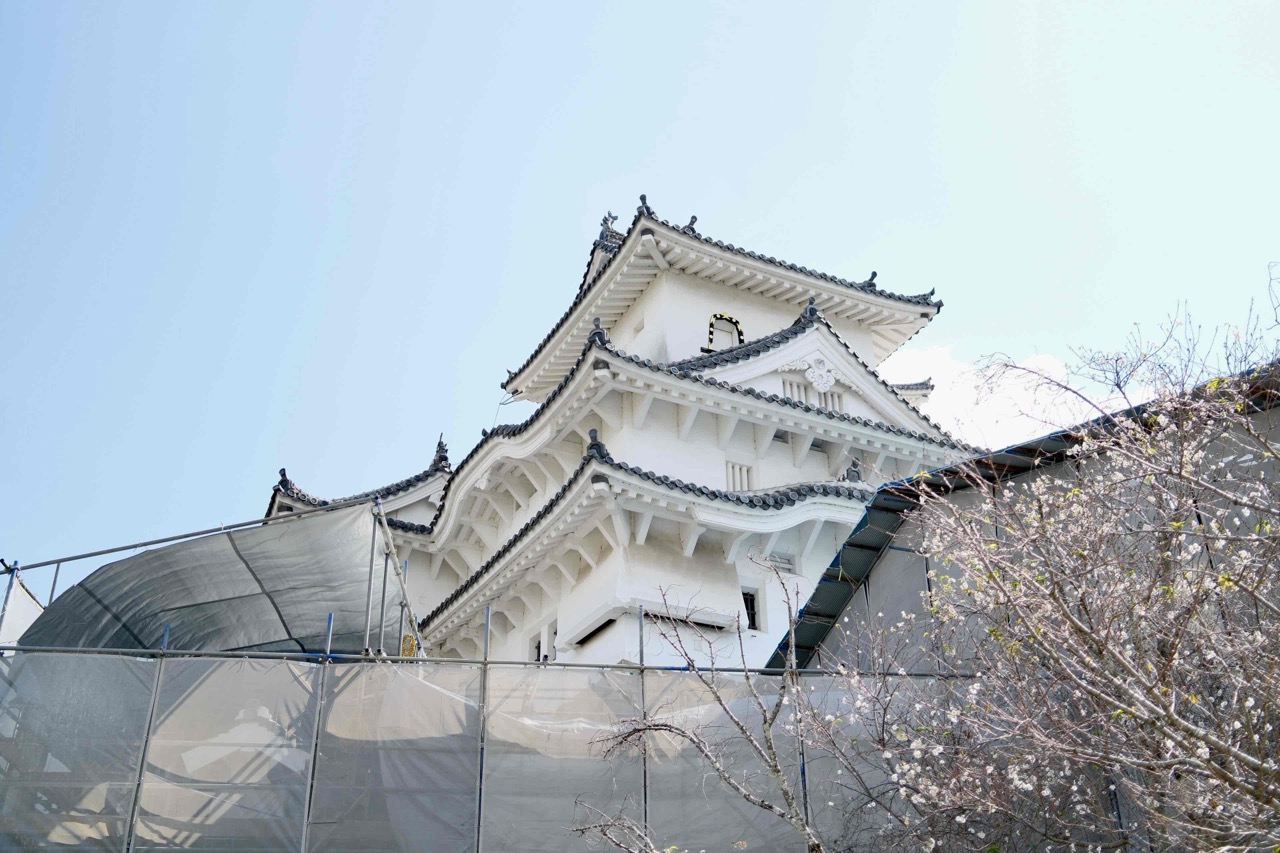
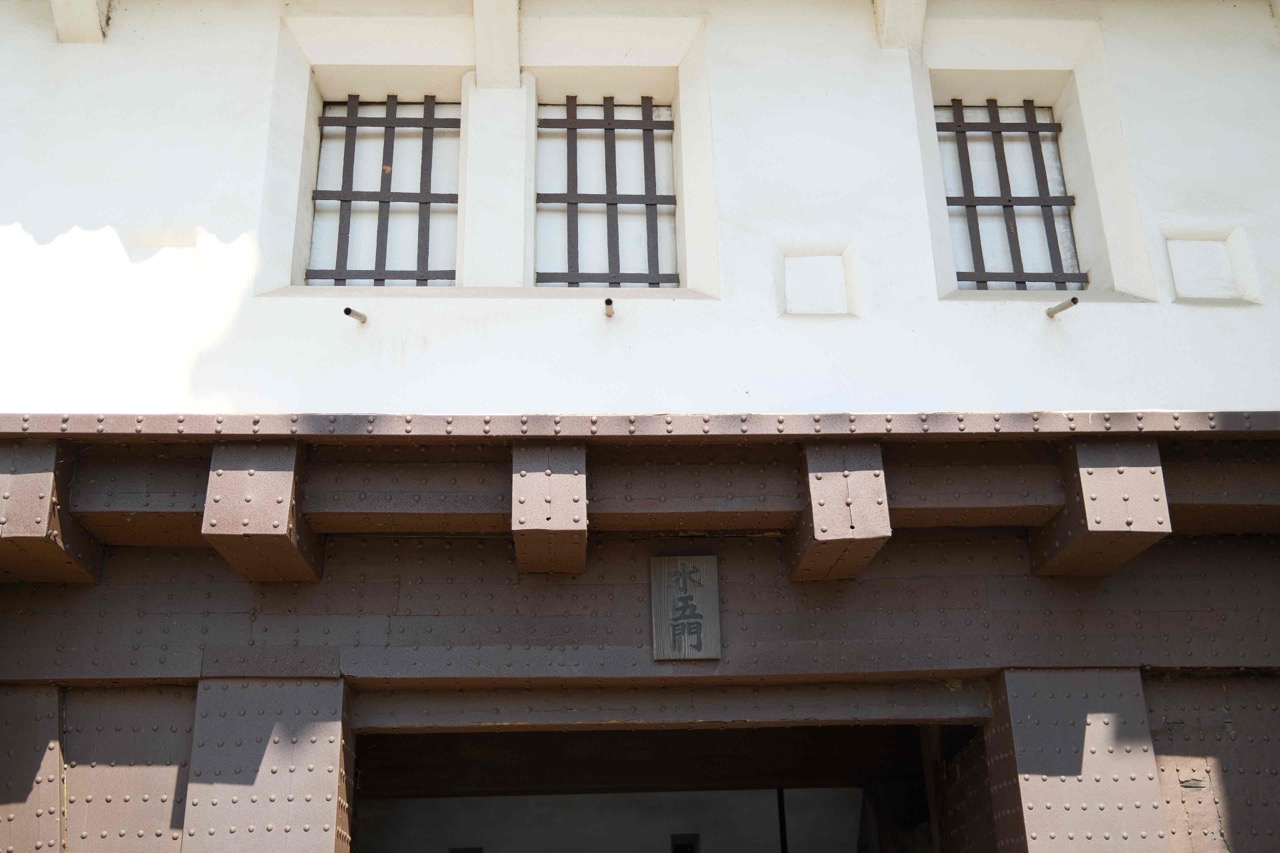
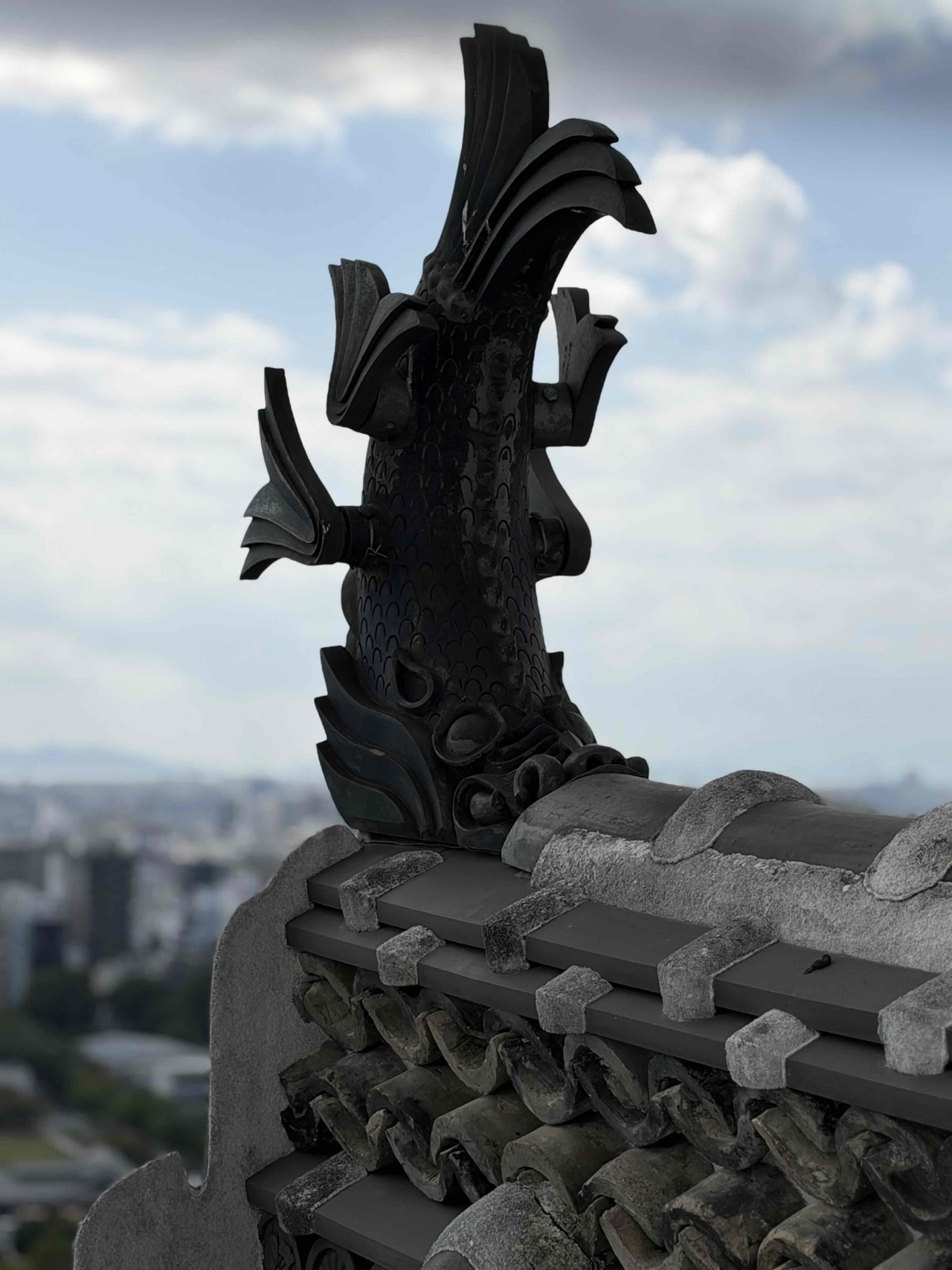
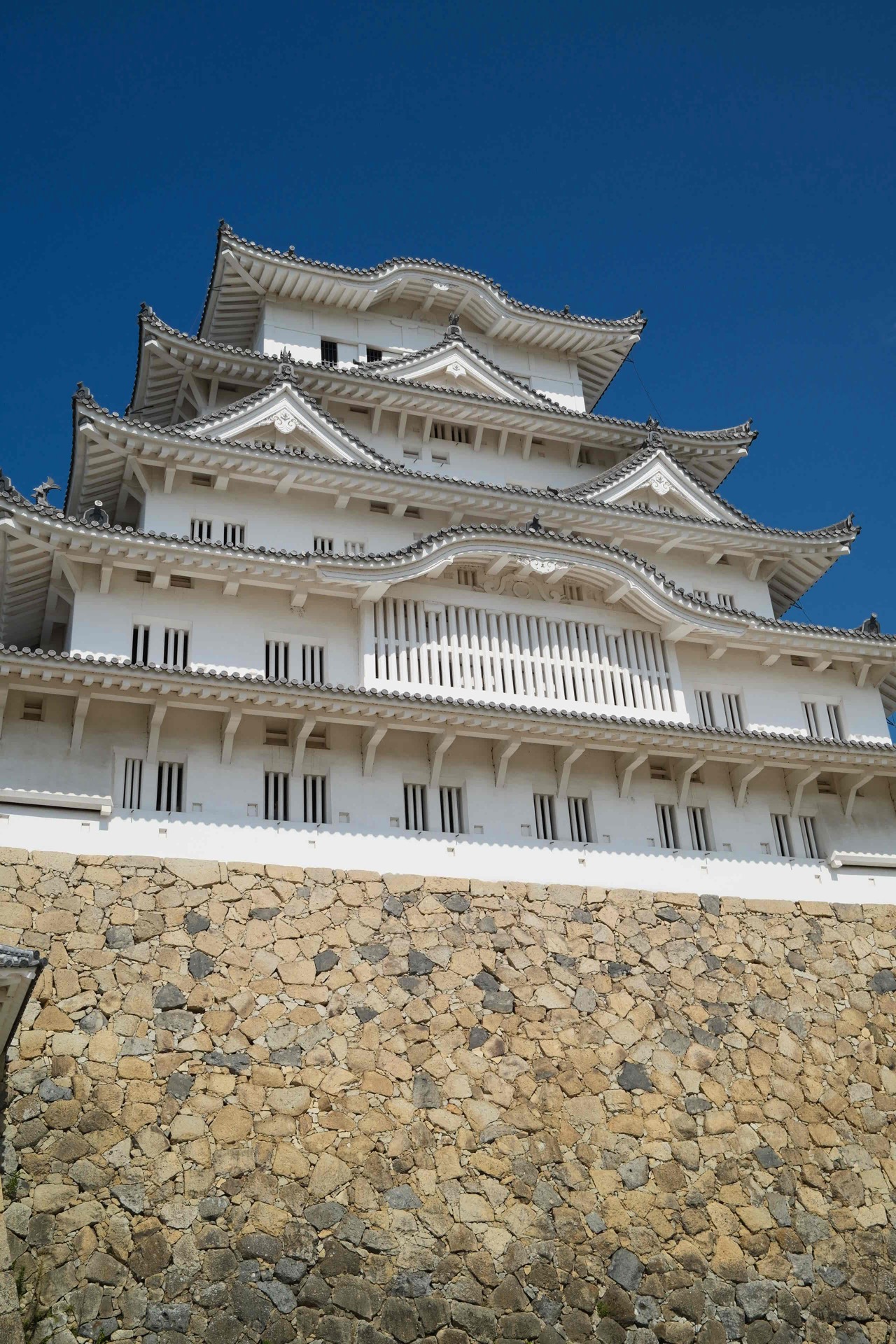
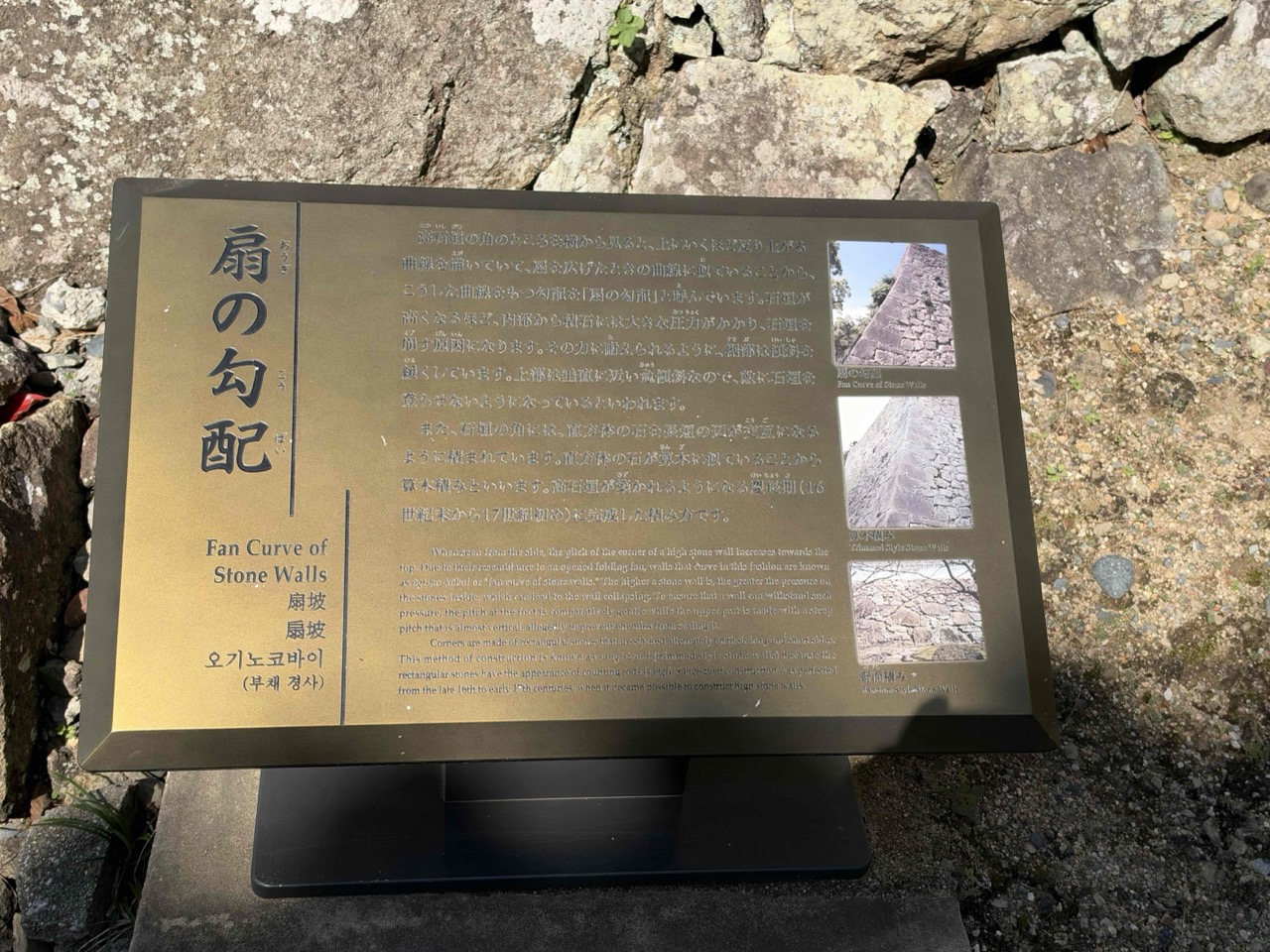
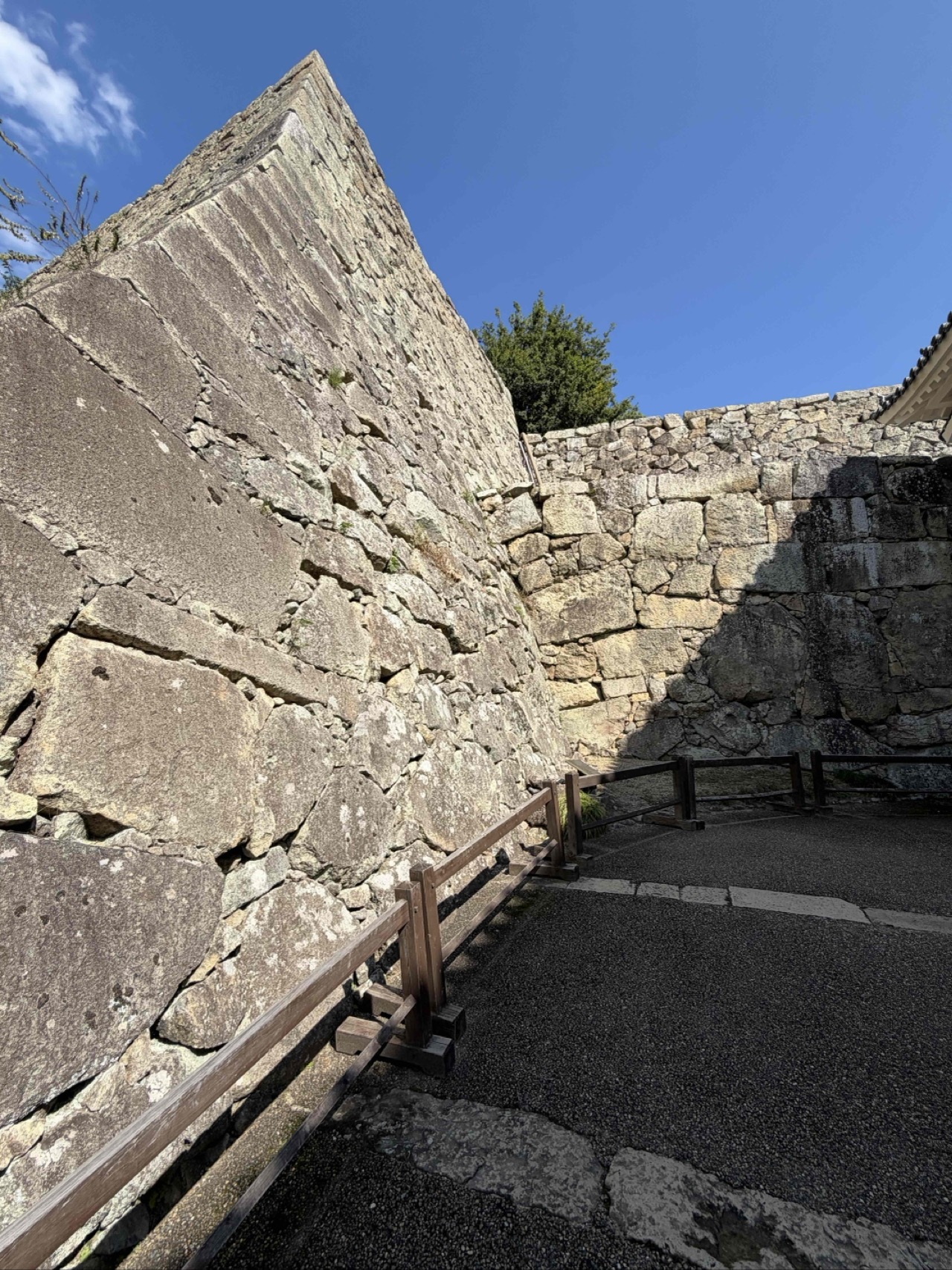
Himeji Castle (姫路城) is Japan's finest surviving example of prototypical Japanese castle architecture, and the country's oldest completely intact castle keep. Its history stretches back to 1333 when a fort was first built on the site, but the main keep as it stands today was constructed between 1601 and 1609 by feudal lord Ikeda Terumasa, following Tokugawa Ieyasu's victory at the Battle of Sekigahara. The castle has never been destroyed in battle, never burned, and survived both the bombings of World War II — an almost miraculous record that earned it UNESCO World Heritage status in 1993. Its brilliant white plaster exterior — which gives it its nickname, Shirasagi-jo or "White Heron Castle" — is maintained through an elaborate system of fire-resistant plaster applied over the wooden framework. The complex covers 233 hectares and contains 83 buildings connected by a labyrinthine series of paths, gates, and walls designed to confuse and trap attackers.
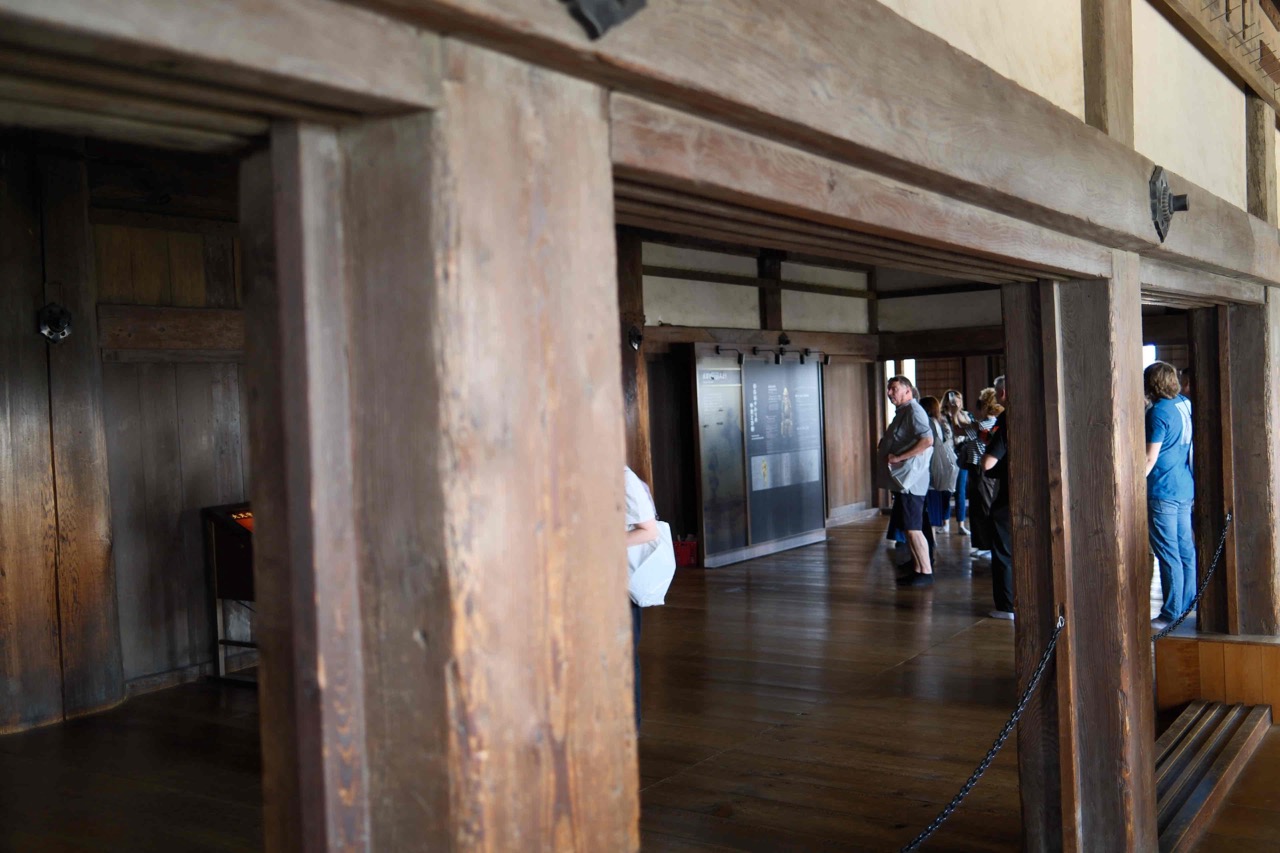
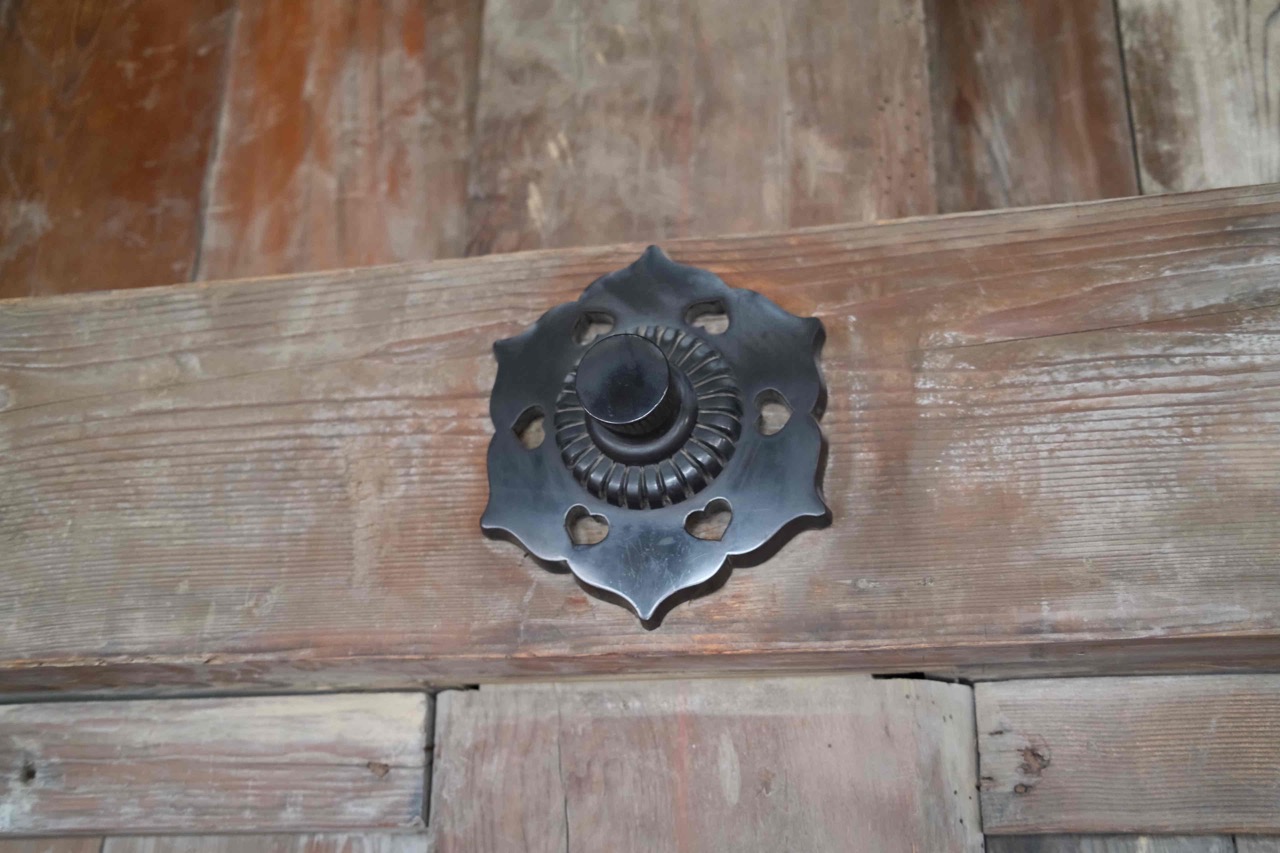
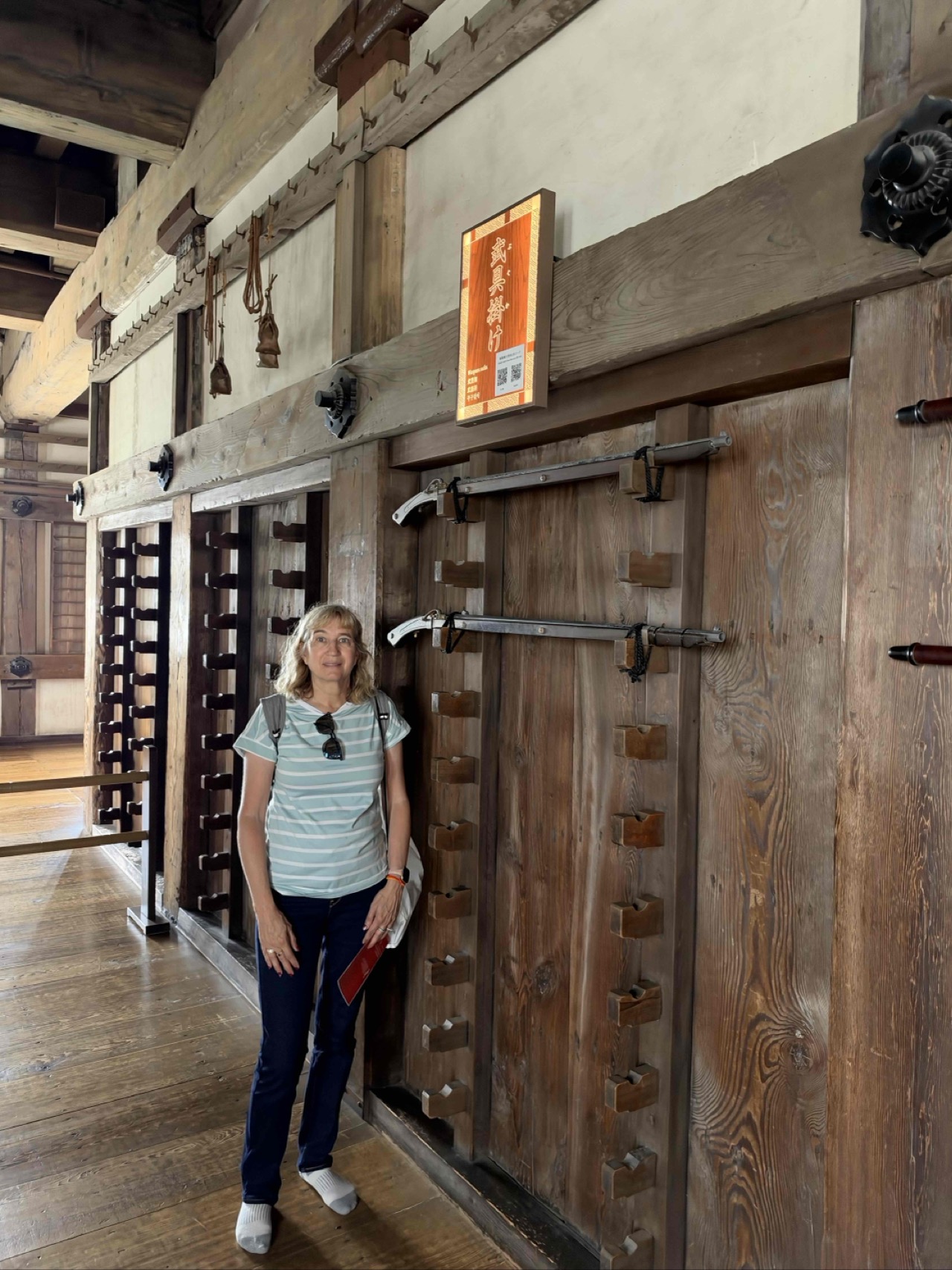
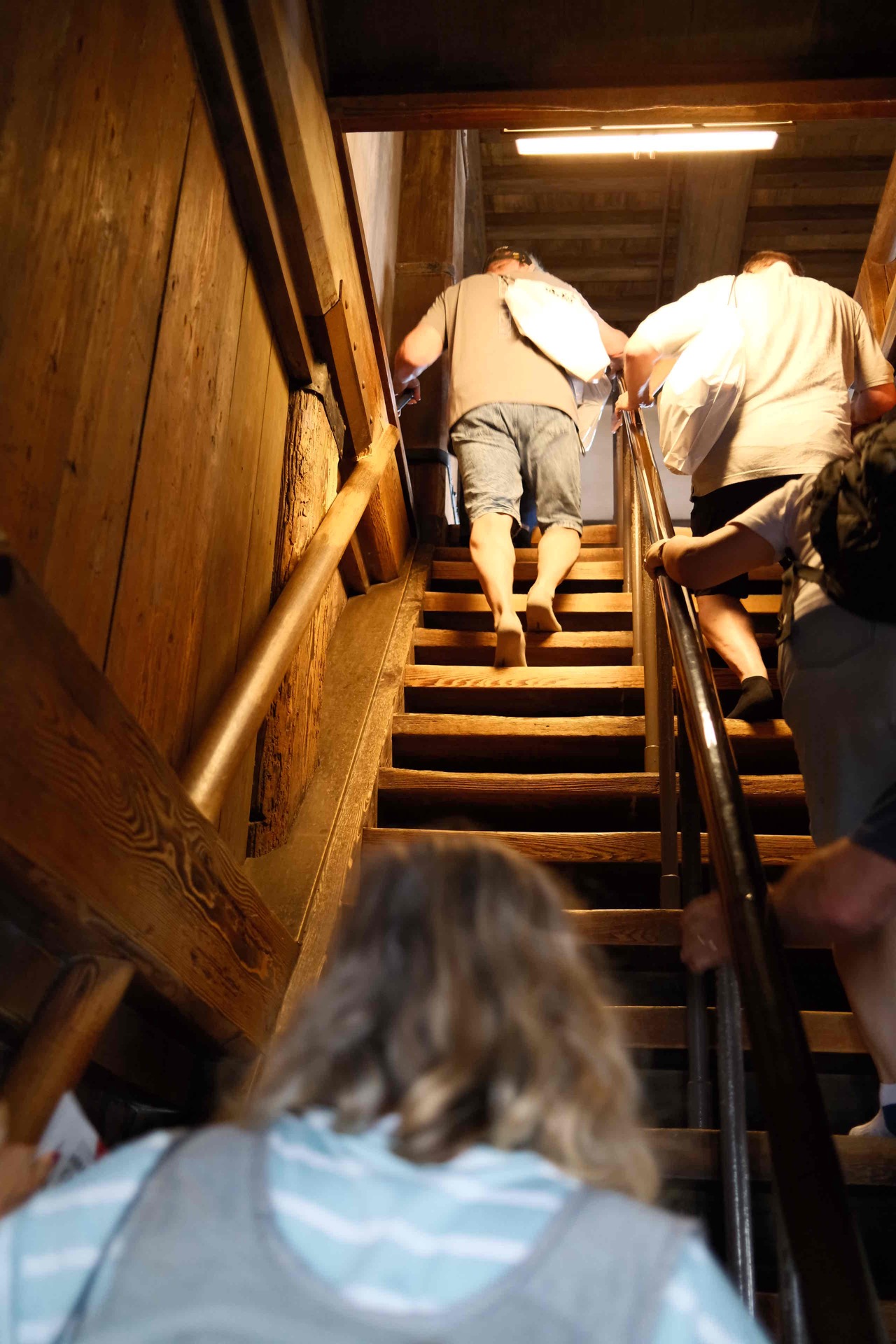
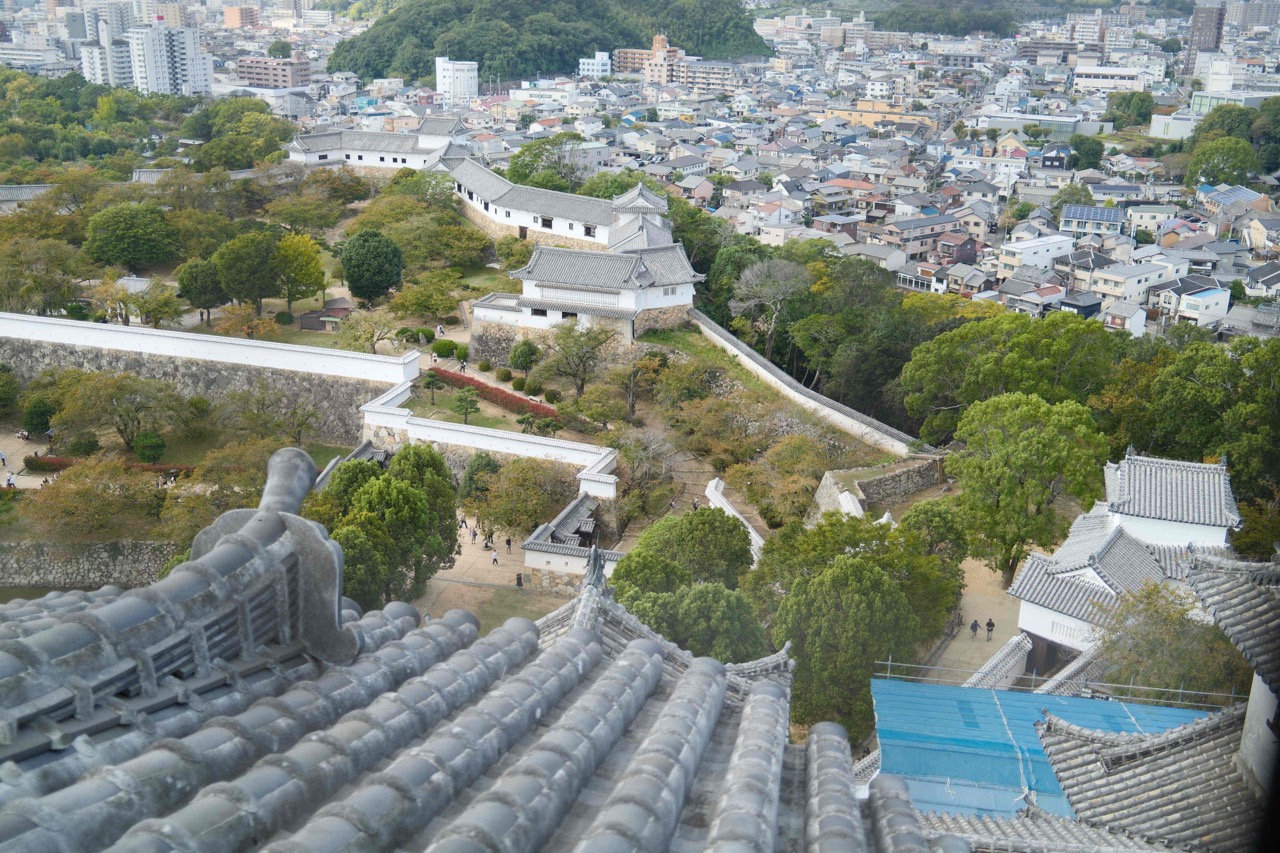
Inside the main keep we climbed the steep interior stairs through six floors of history, taking in the original wooden structure, the weapons displays, and the views that opened up at every level. From the top, Himeji spreads out below in every direction, the Harima Plain stretching to the sea in the distance — the same view that feudal lords and samurai garrisons would have surveyed for over 400 years.
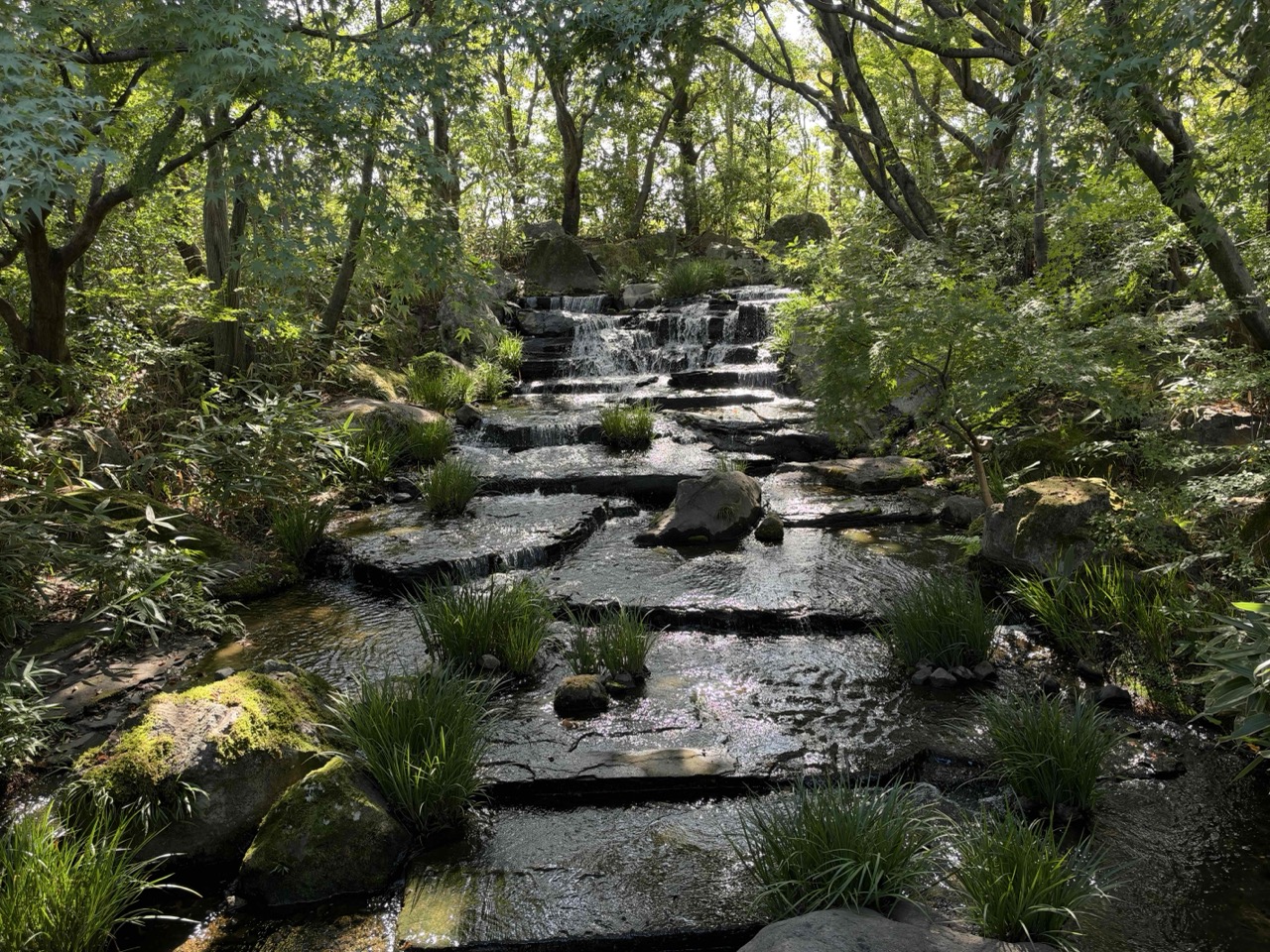
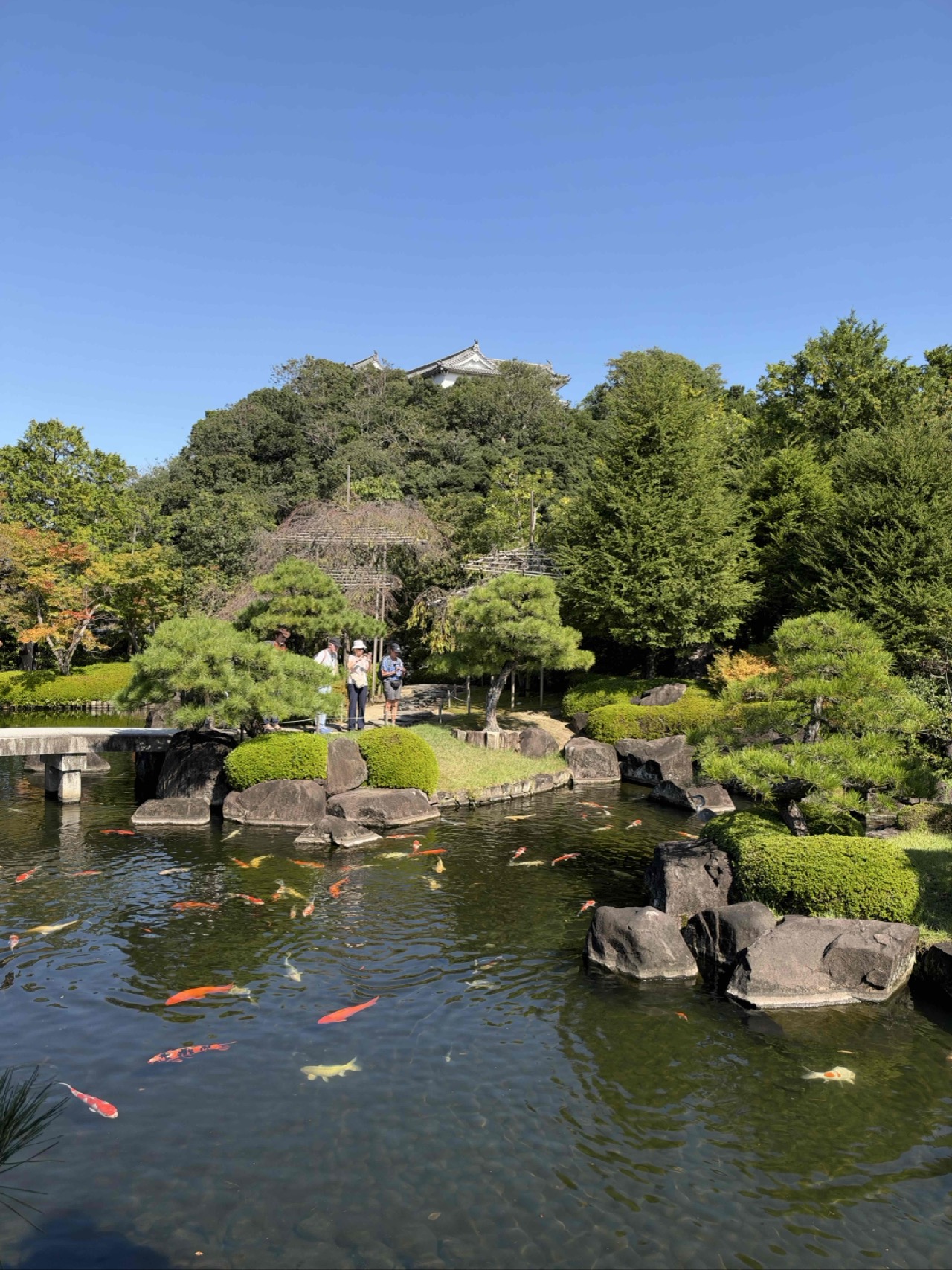
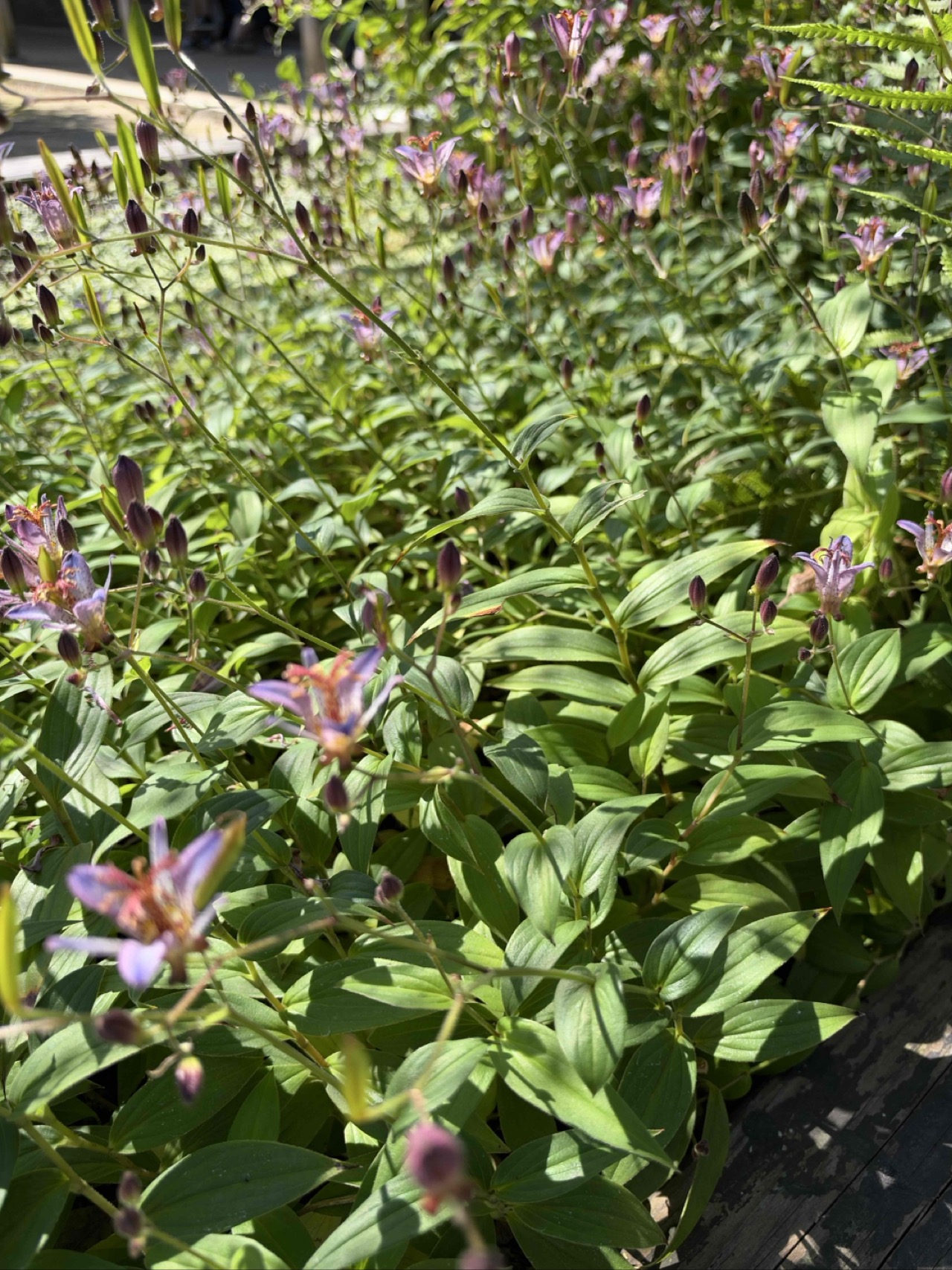
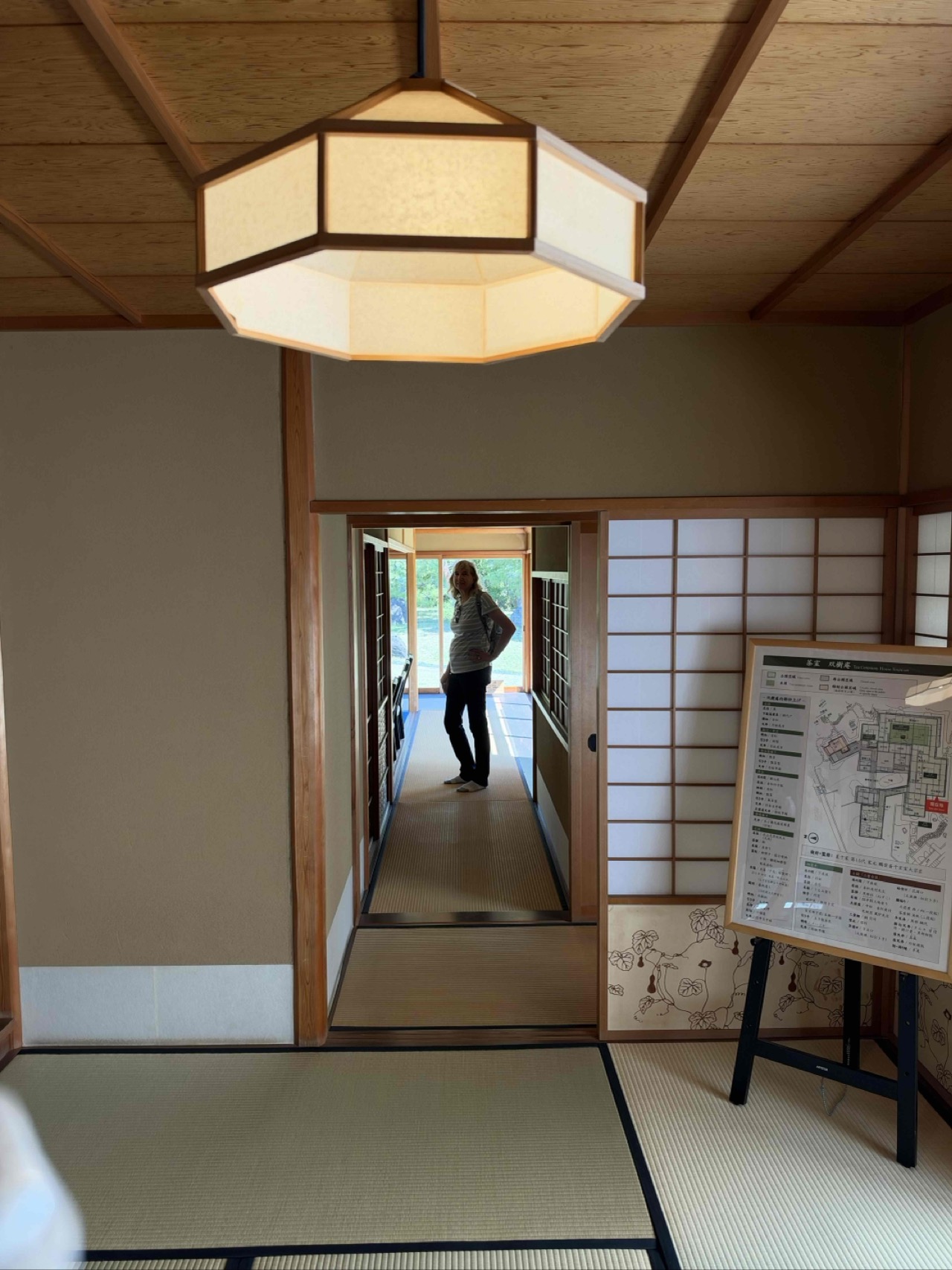
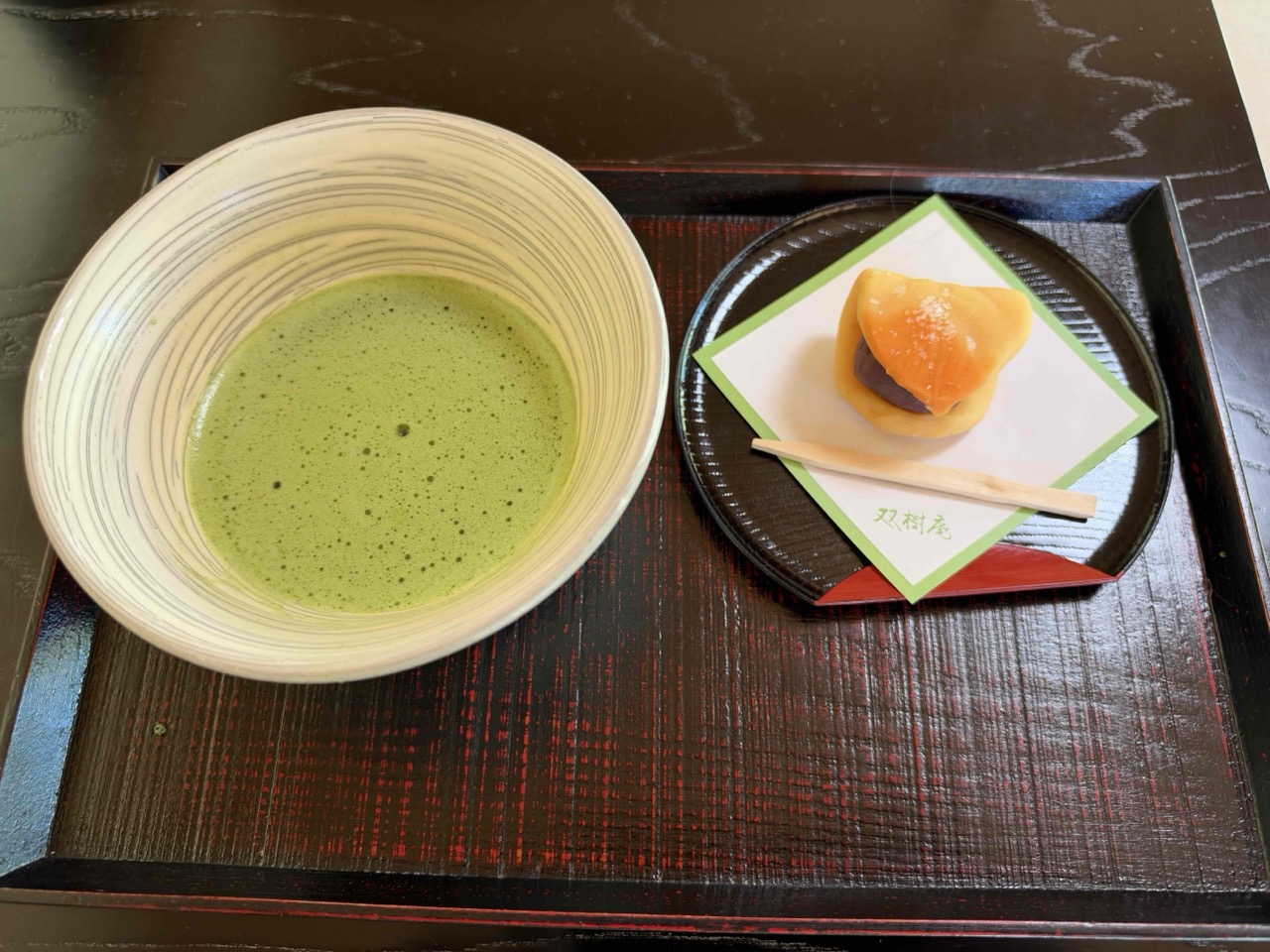
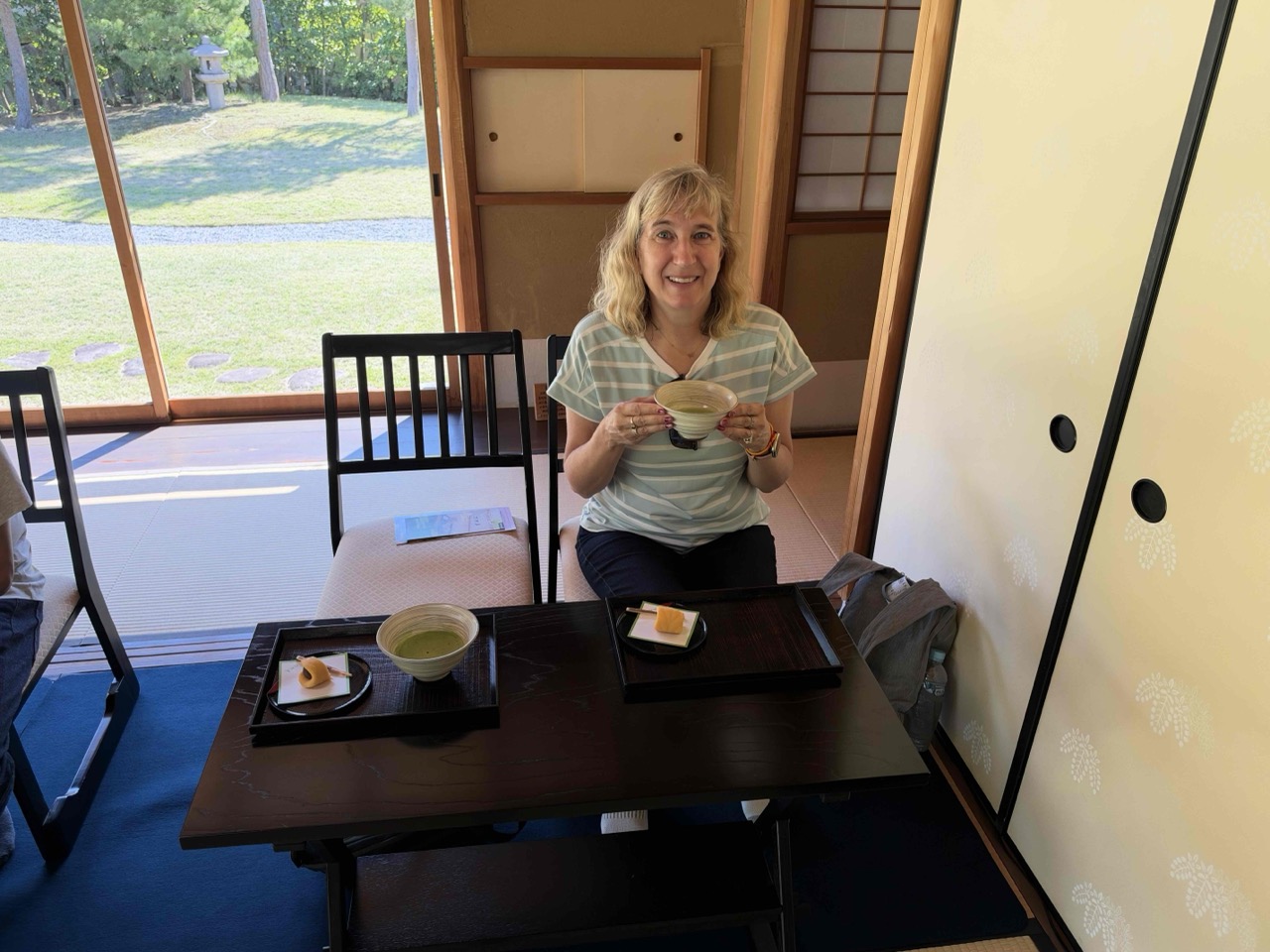
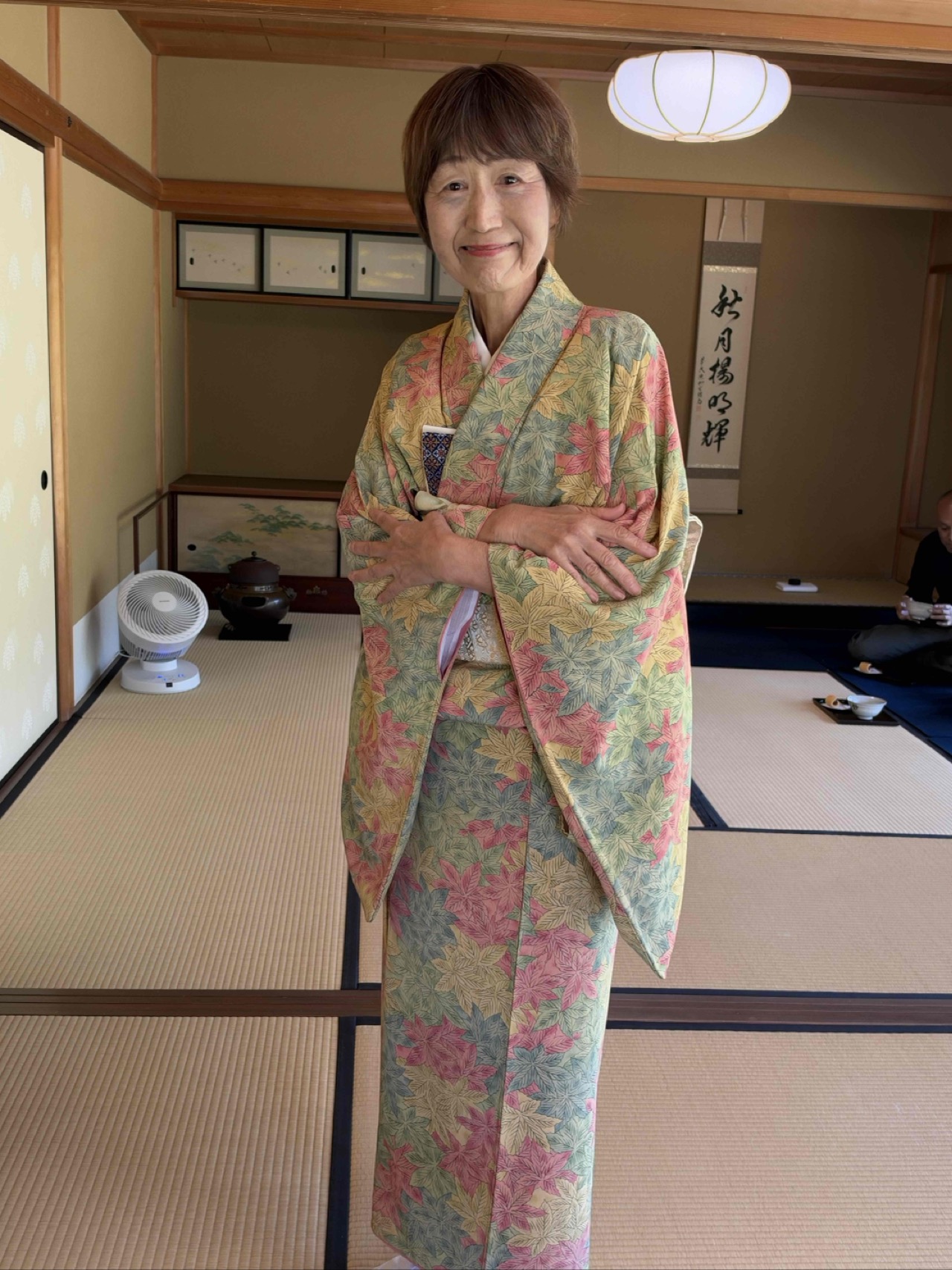
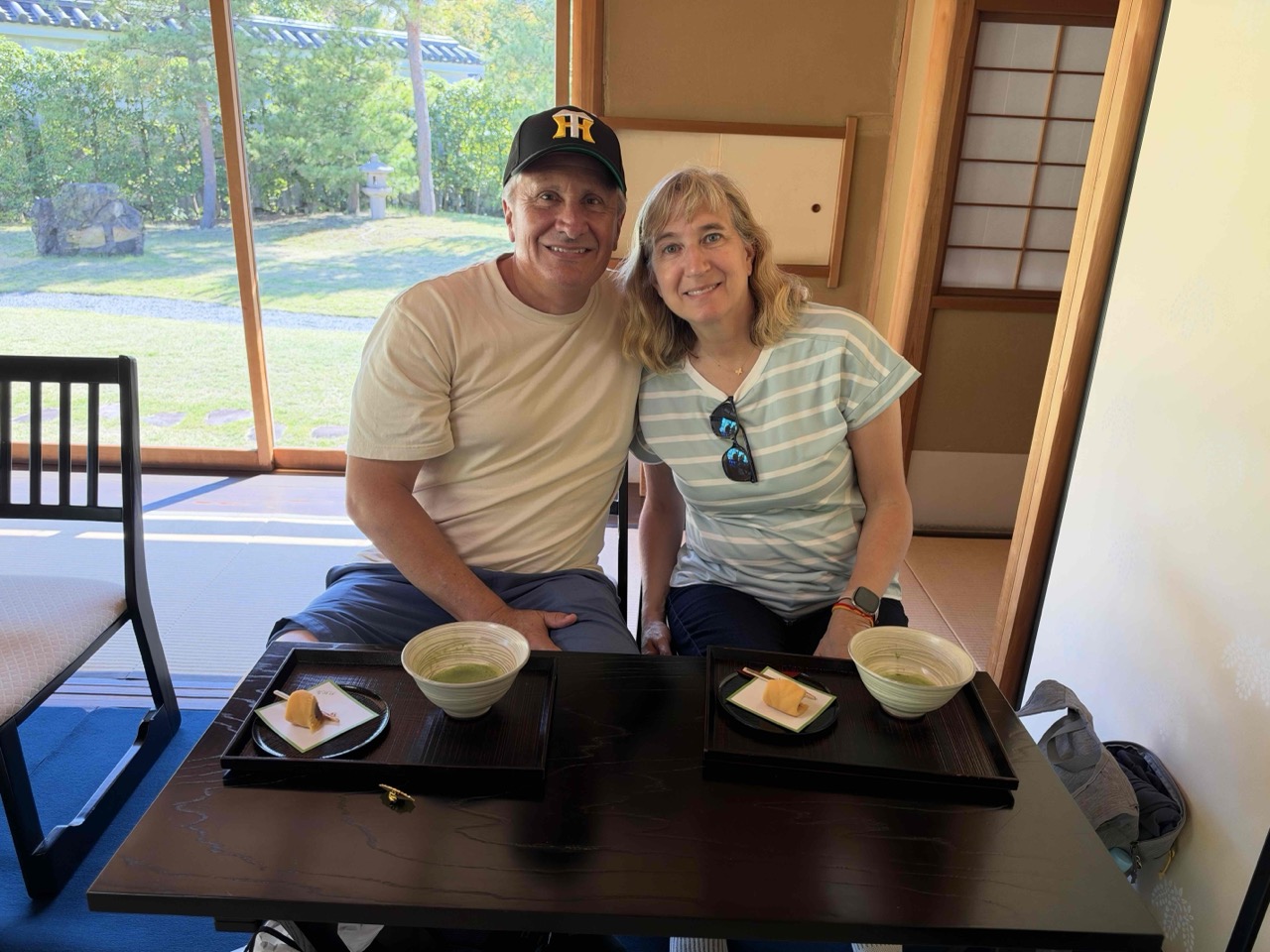
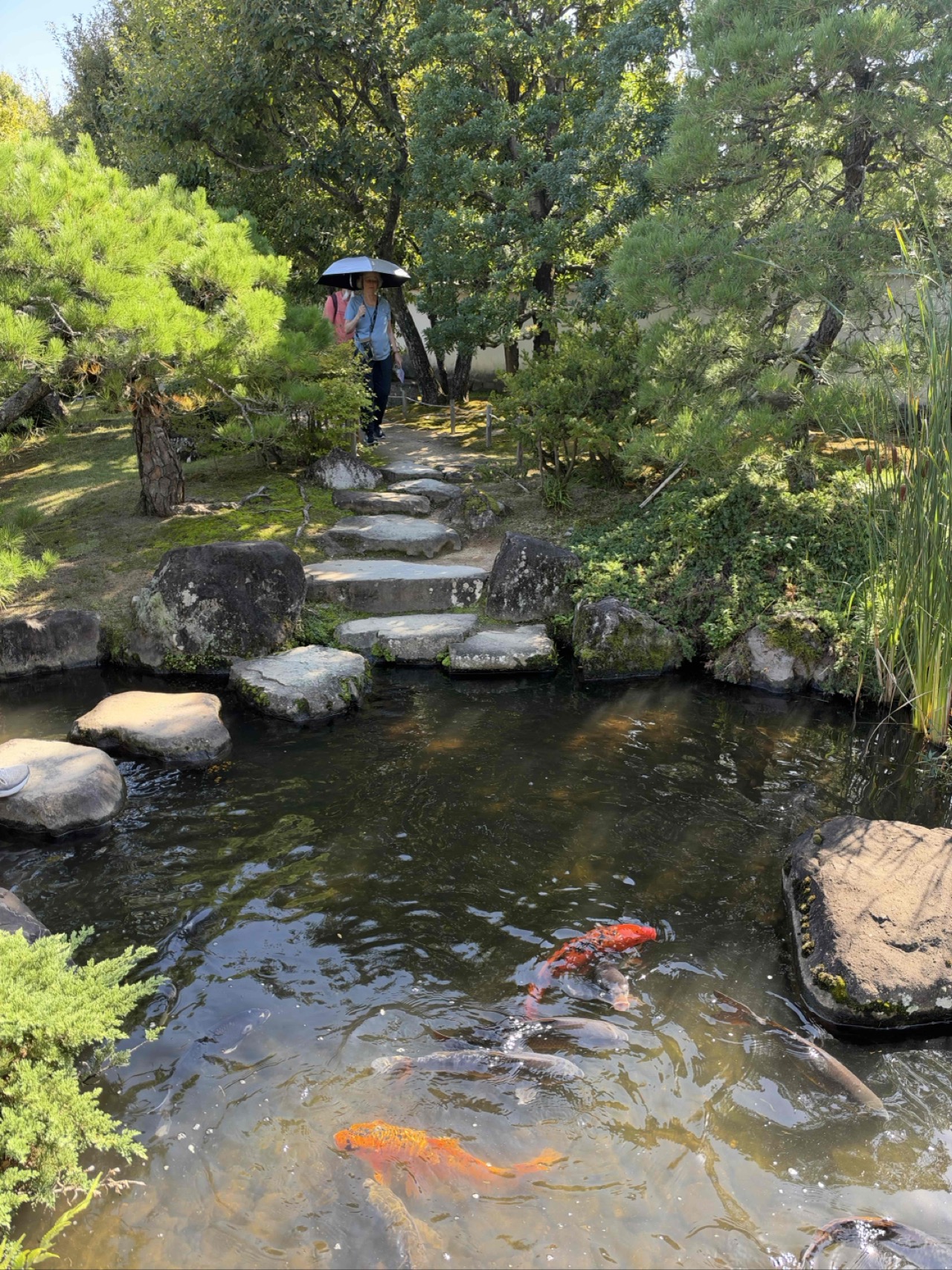
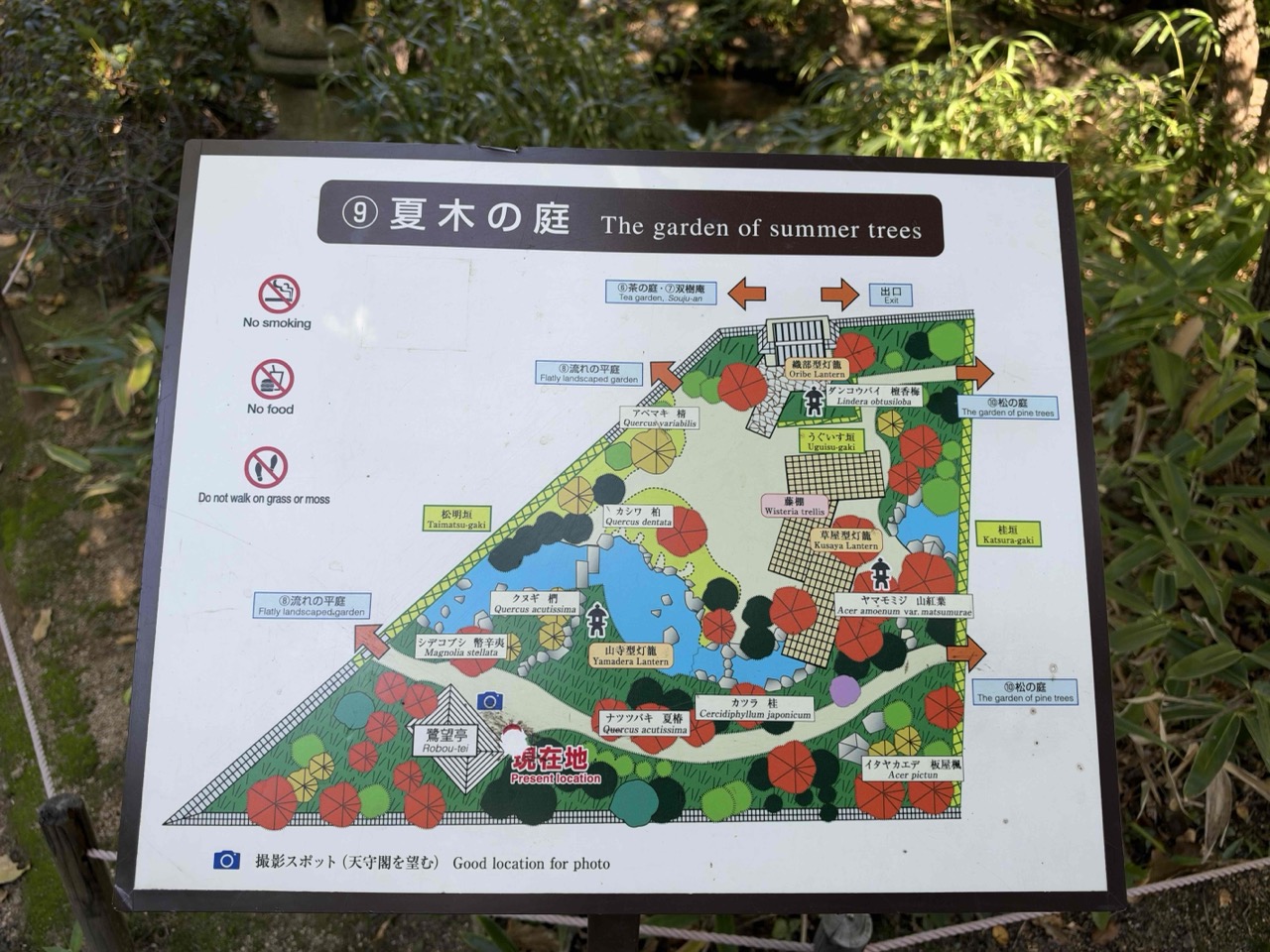
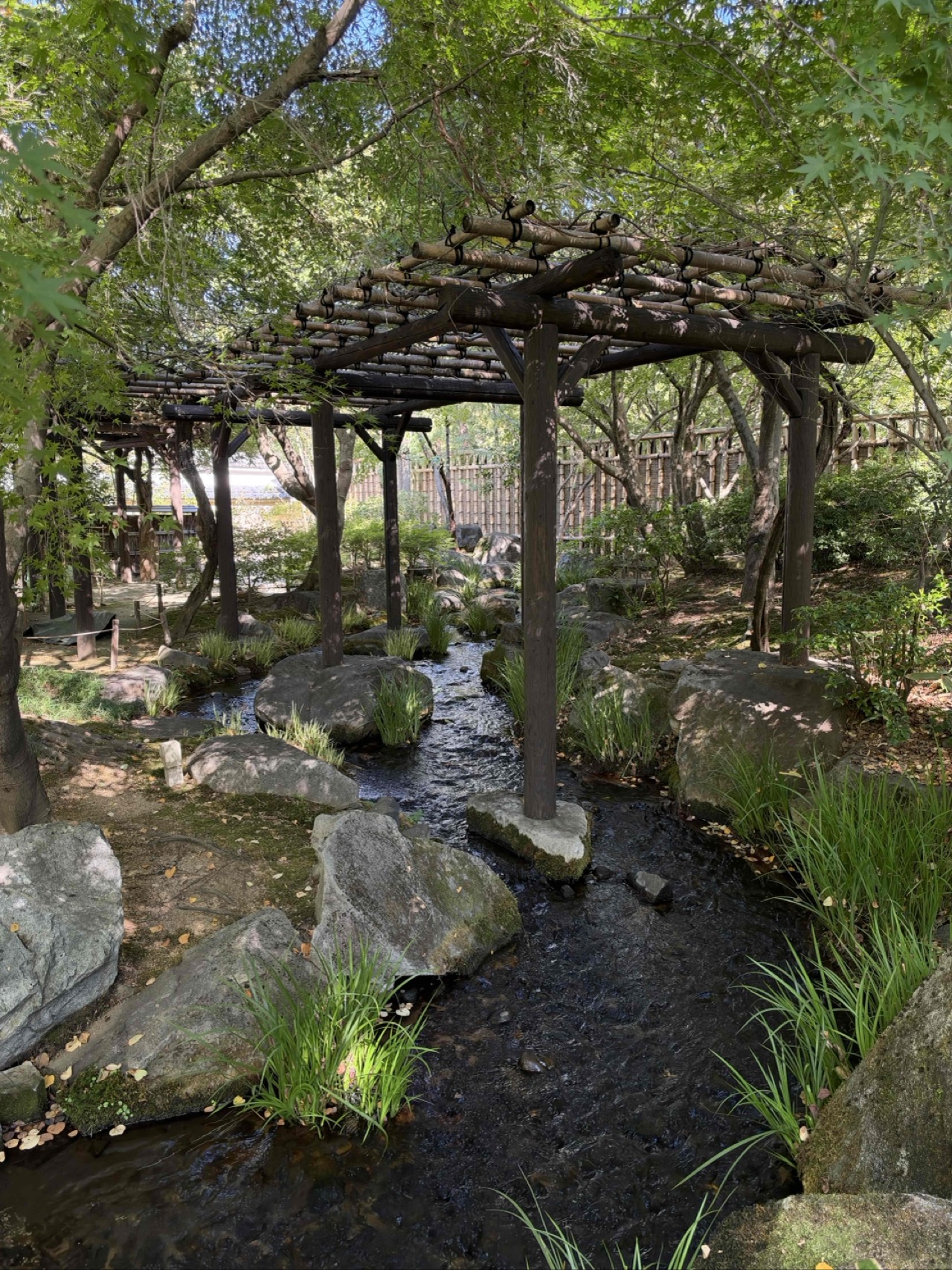
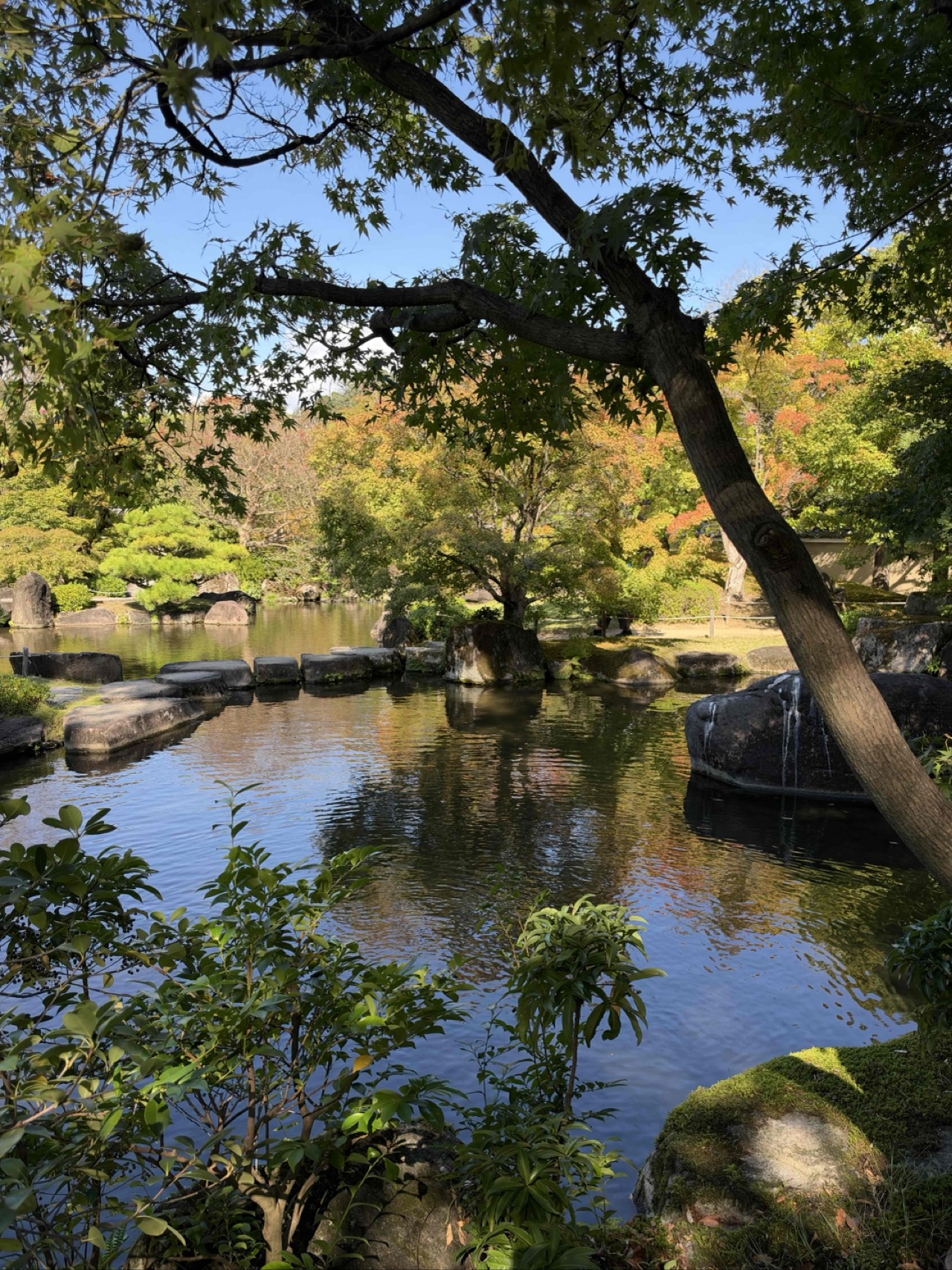
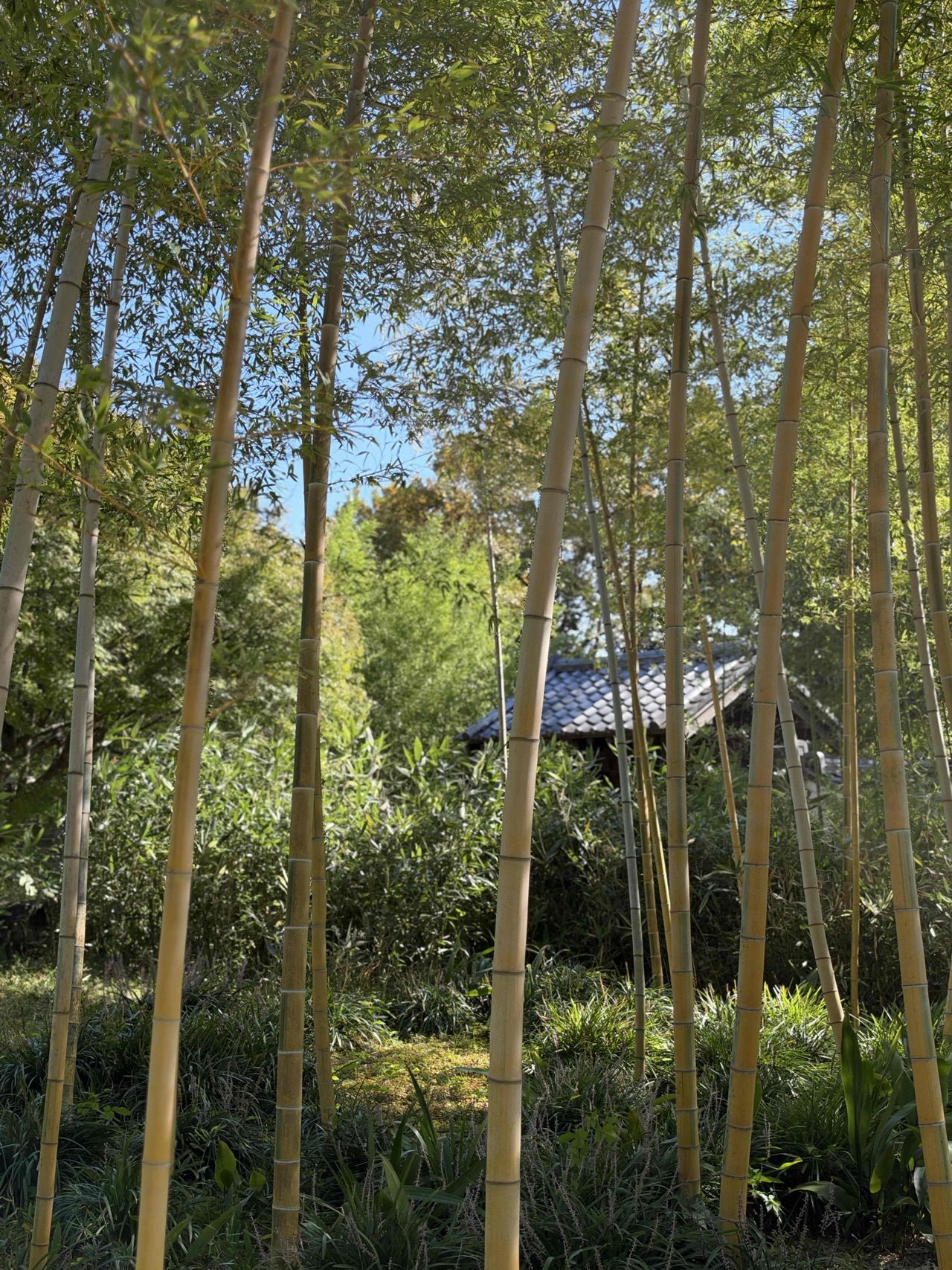
After the main keep we crossed over to the Koko-en Garden — a beautiful traditional Japanese garden adjacent to the castle walls, built on the site of the former samurai quarters. We stopped into the Tea House for a quiet matcha ceremony, receiving a bowl of ceremonially prepared matcha and a small seasonal sweet. After the pace of the last two weeks, sitting in a tatami room overlooking a garden pond felt like exactly the right pace.
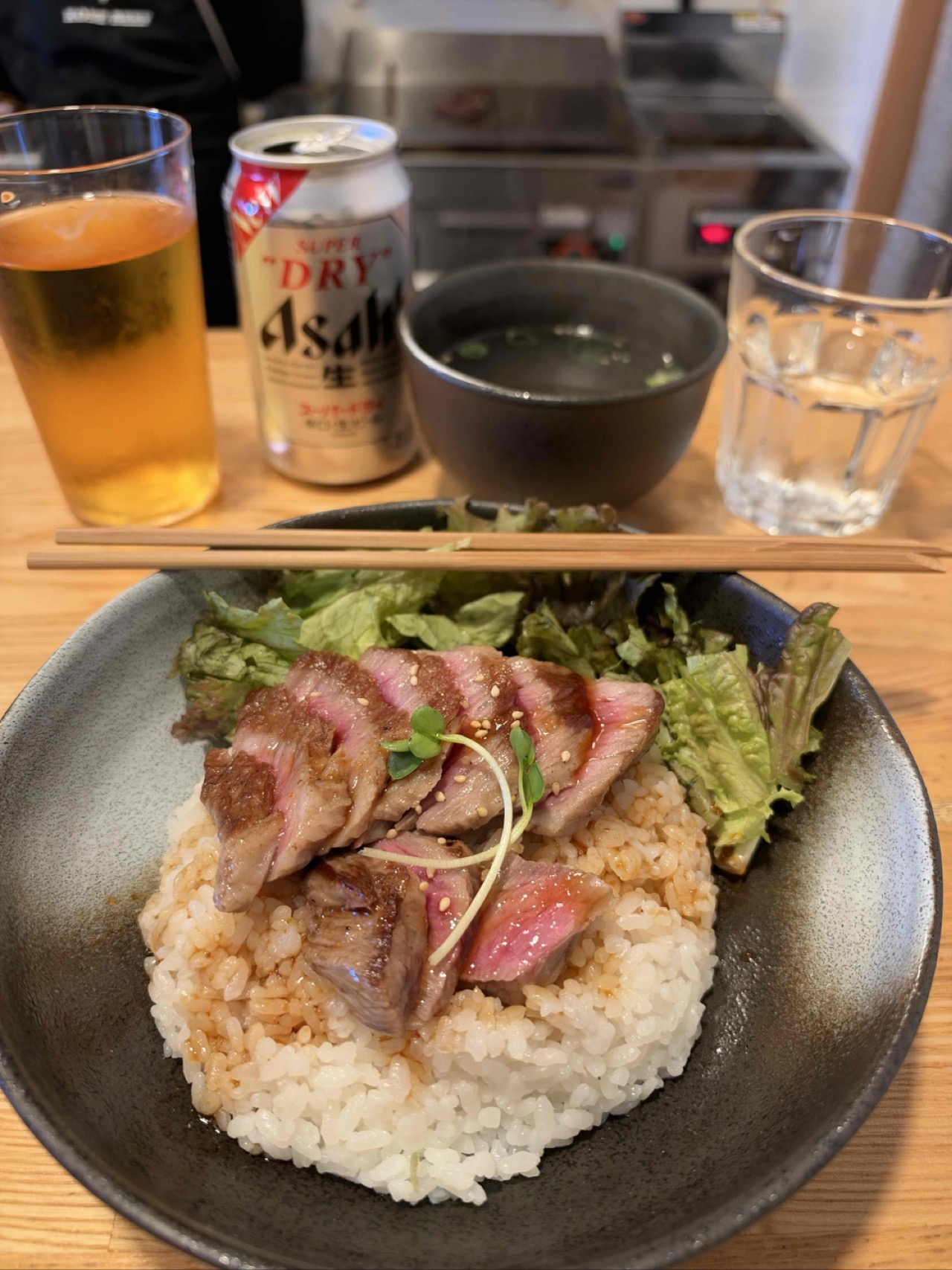
From the garden we made our way to Kushiyaki for Kobe beef bowls — a perfect lunch before catching the Shinkansen back to Osaka.
Back in the city, we found a spot at HUB LINKS UMEDA to catch the Hanshin Tigers game. The Tigers are Osaka's beloved baseball team and the city takes them very seriously. The atmosphere in any Osaka bar during a Tigers game is something to experience — even with the final result not going their way. After the game we capped the evening with a well-earned bowl of ramen before calling it a night.
What's Next
Tomorrow we head back to Tokyo for our final 24 hours in Japan. This trip is winding down — but what a journey it has been.
— David