Day 2: Tokyo
Tokyo • October 4, 2026 • Day 2 of 14
We met our guide, Ippei, to kick off a full-day tour covering several of Tokyo's most iconic historic sites.
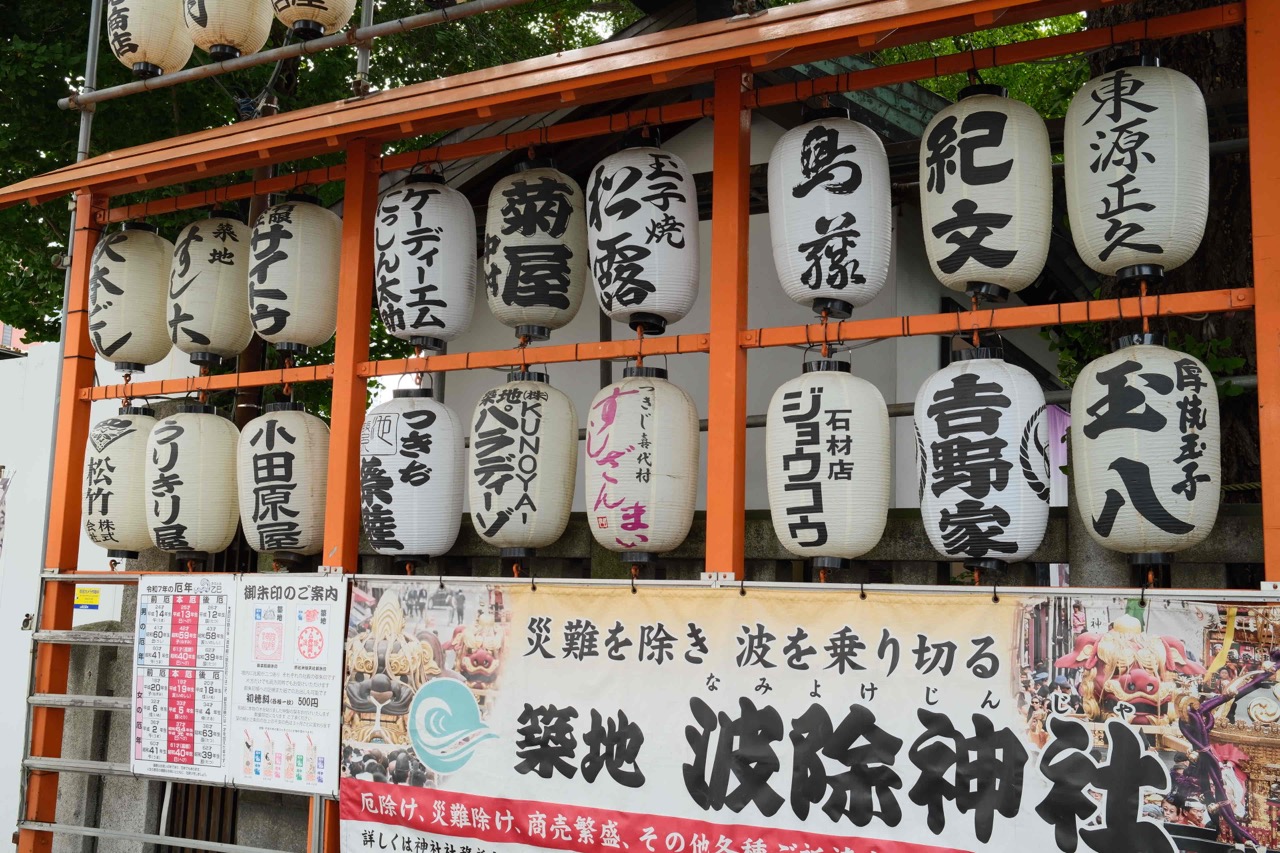
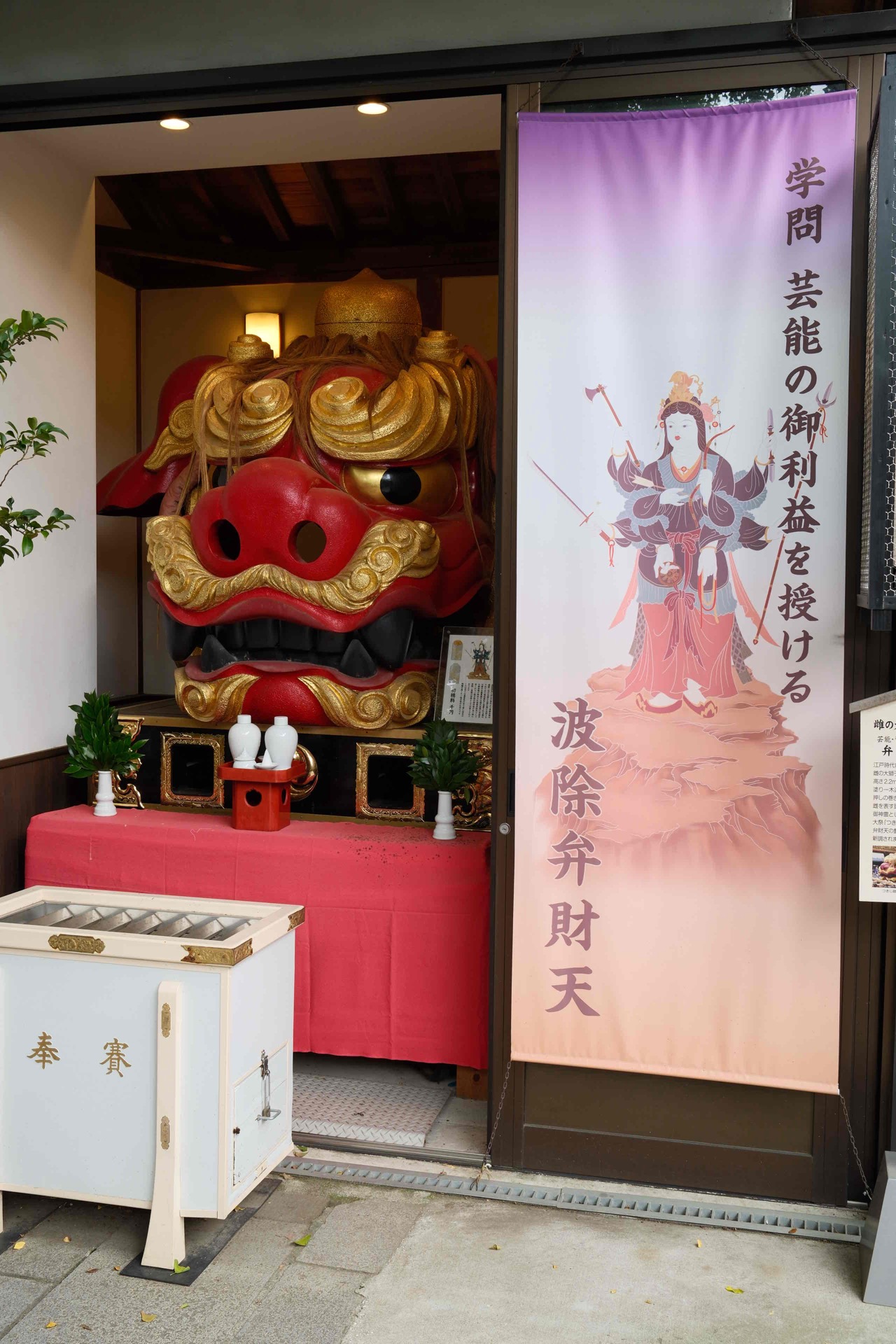
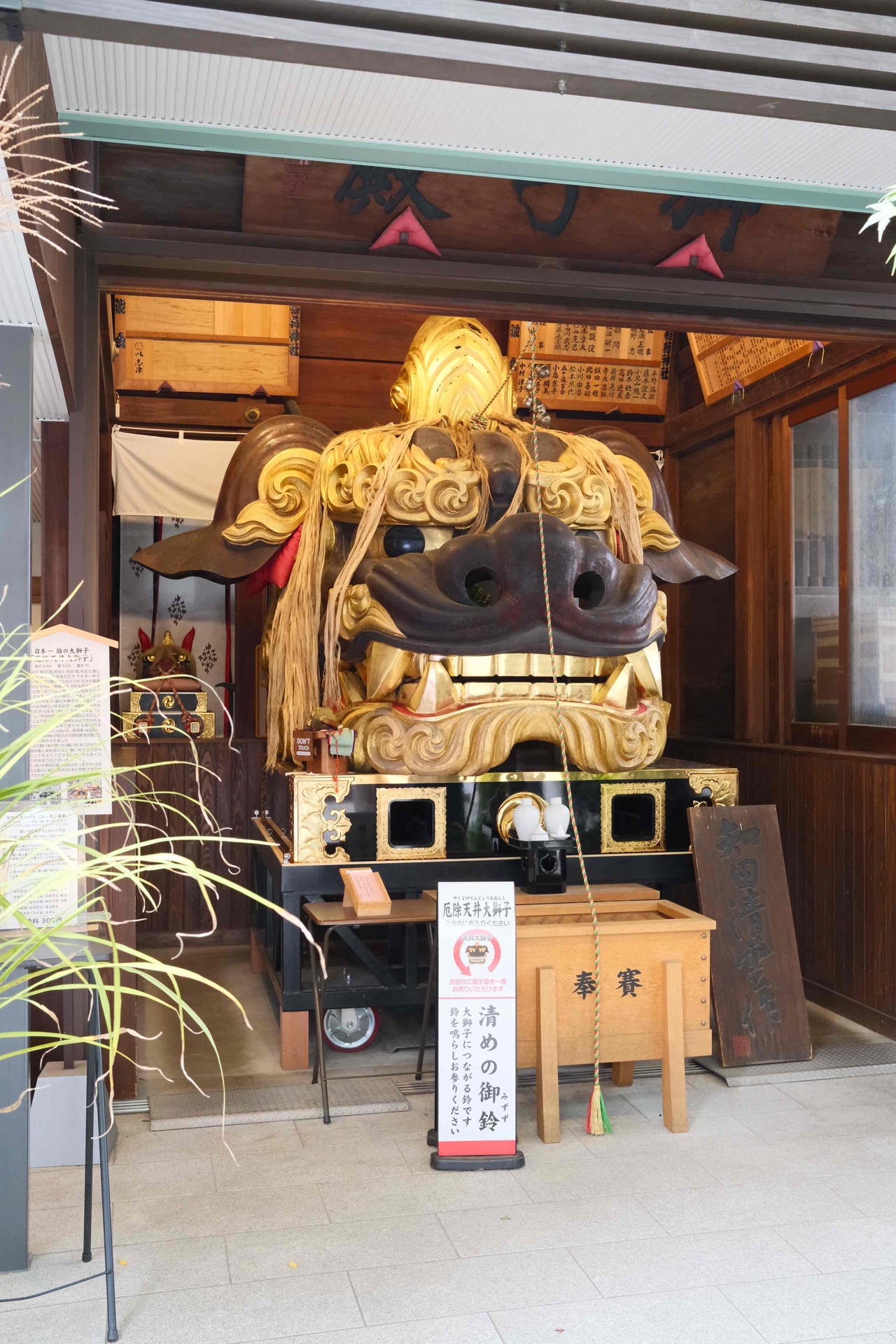
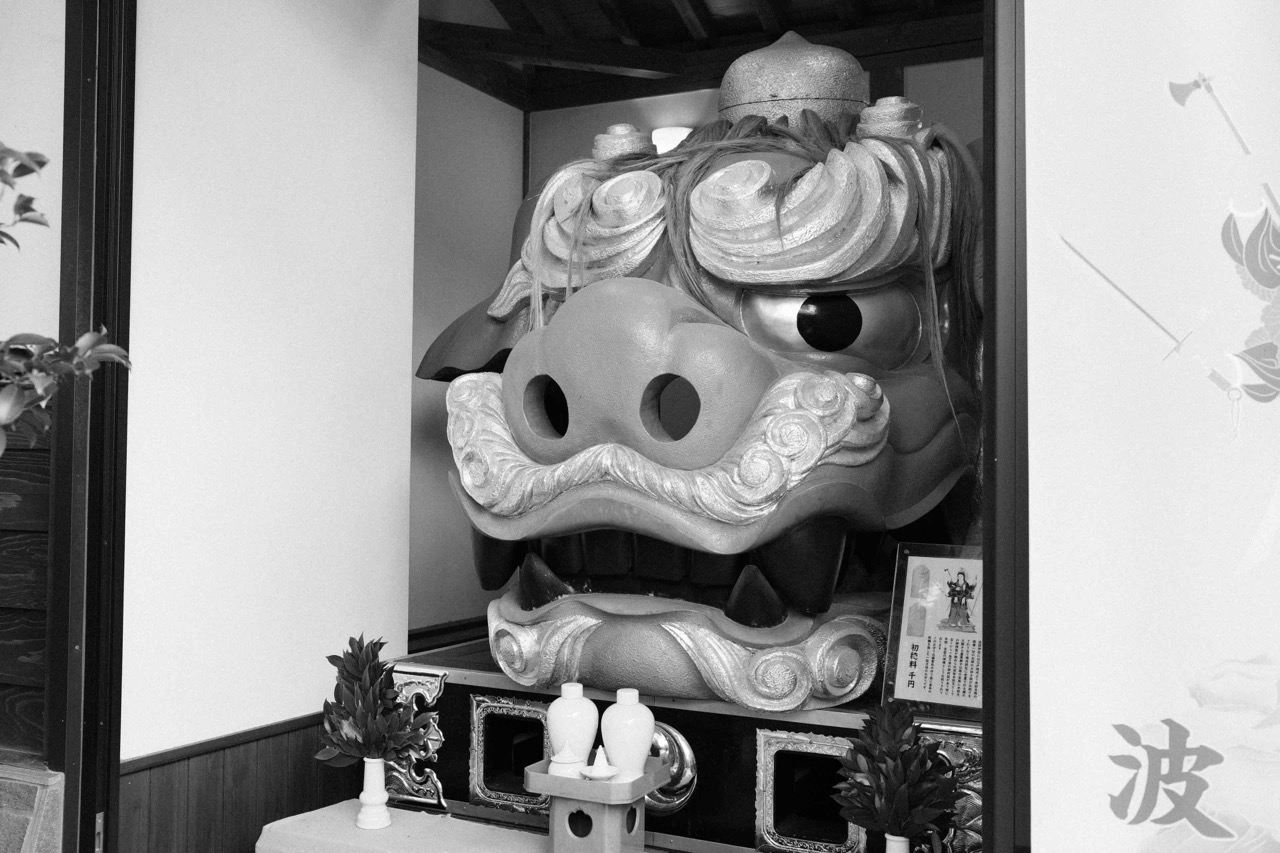
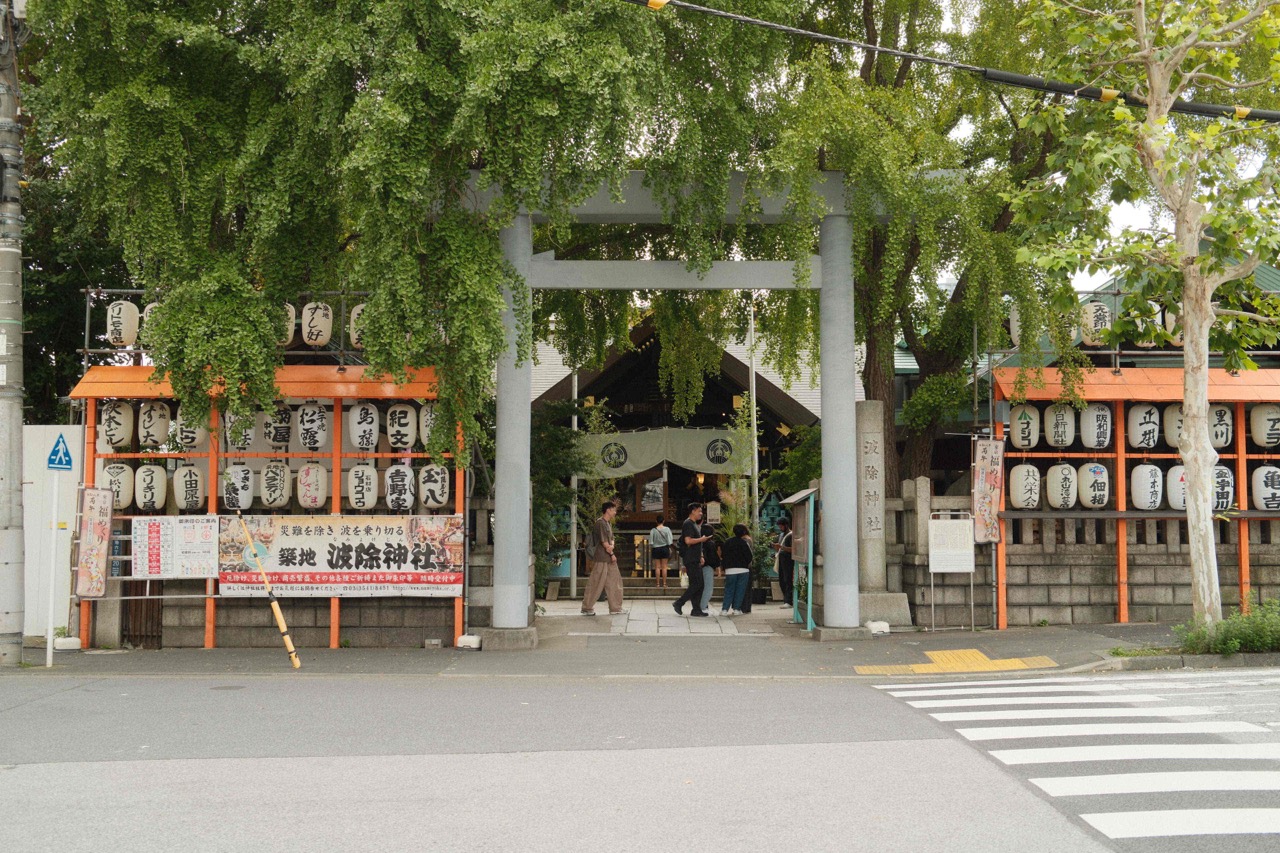
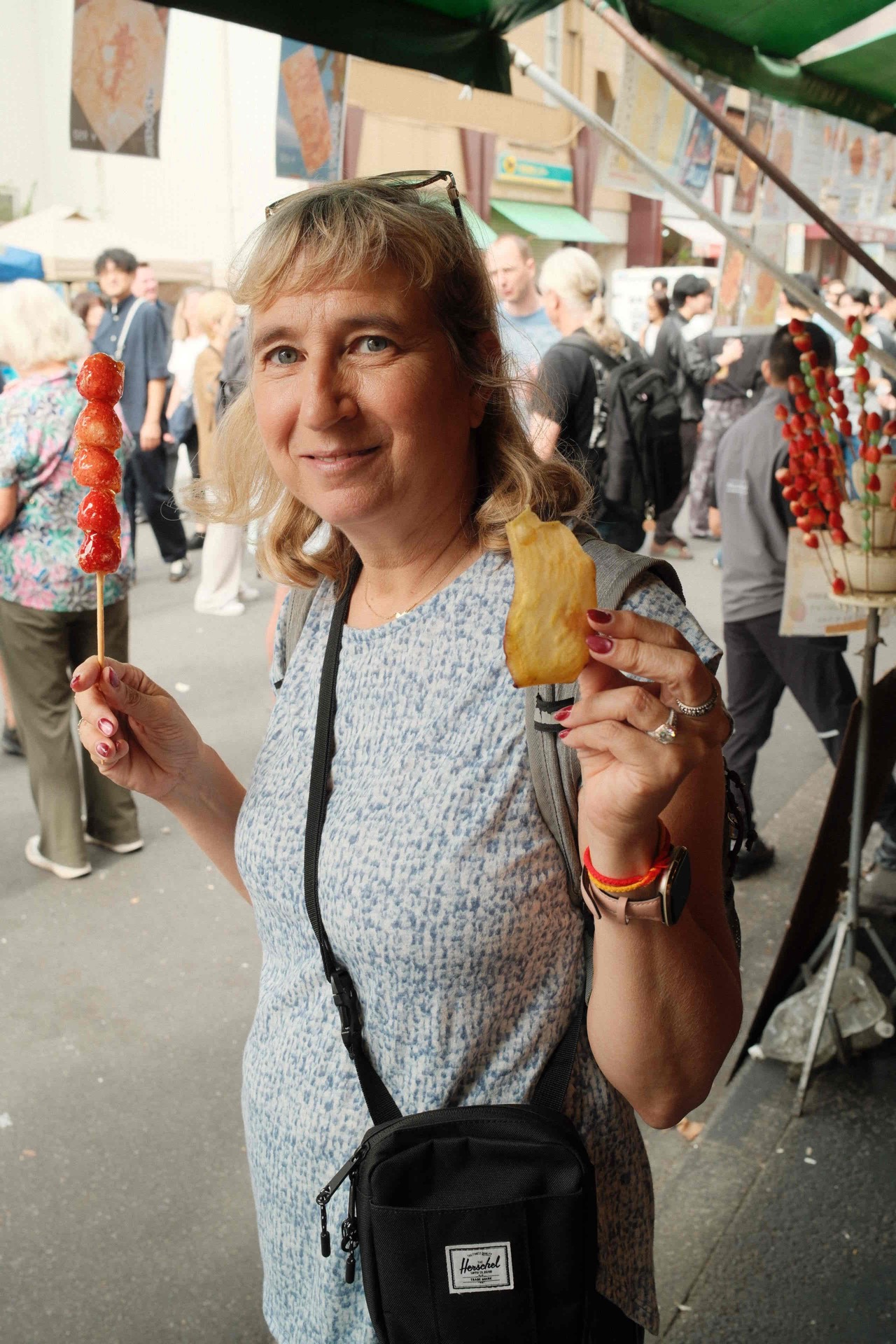
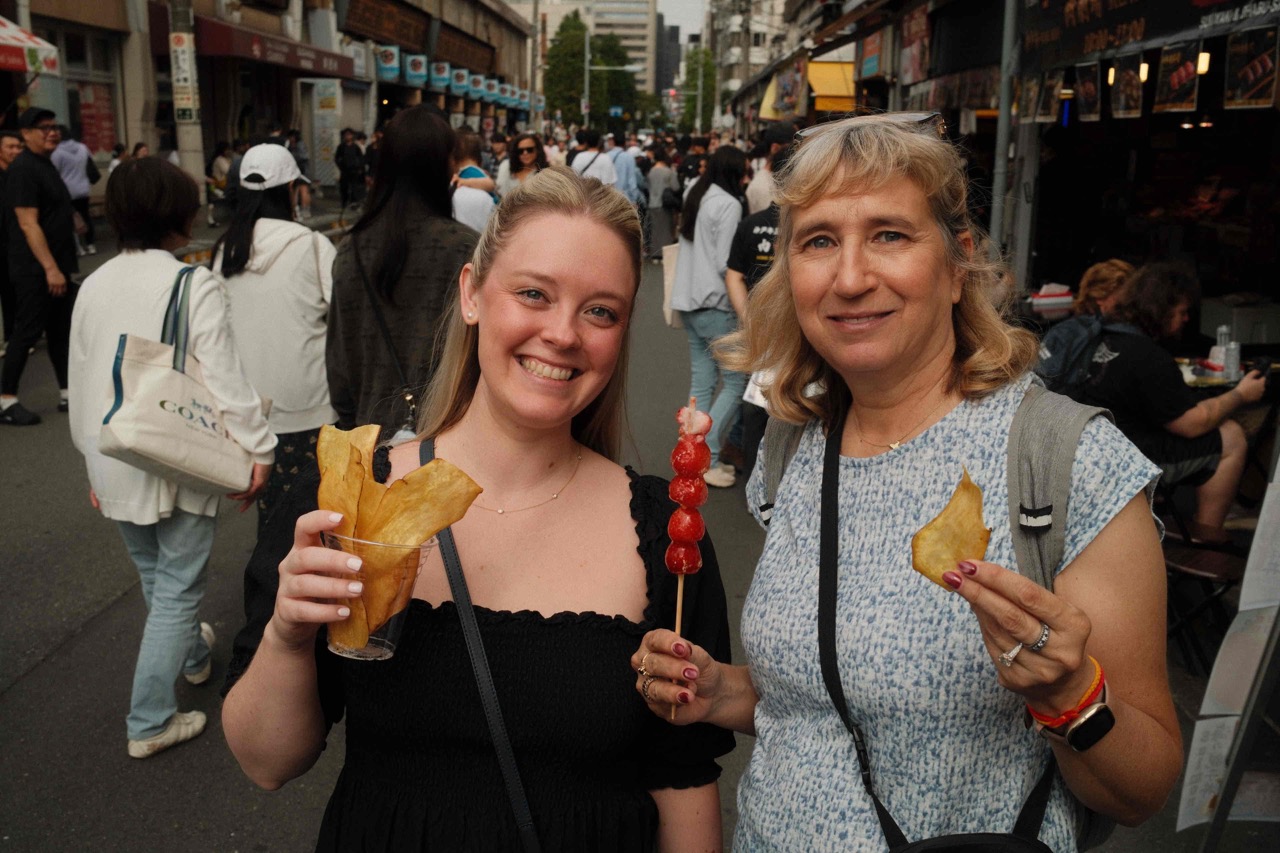
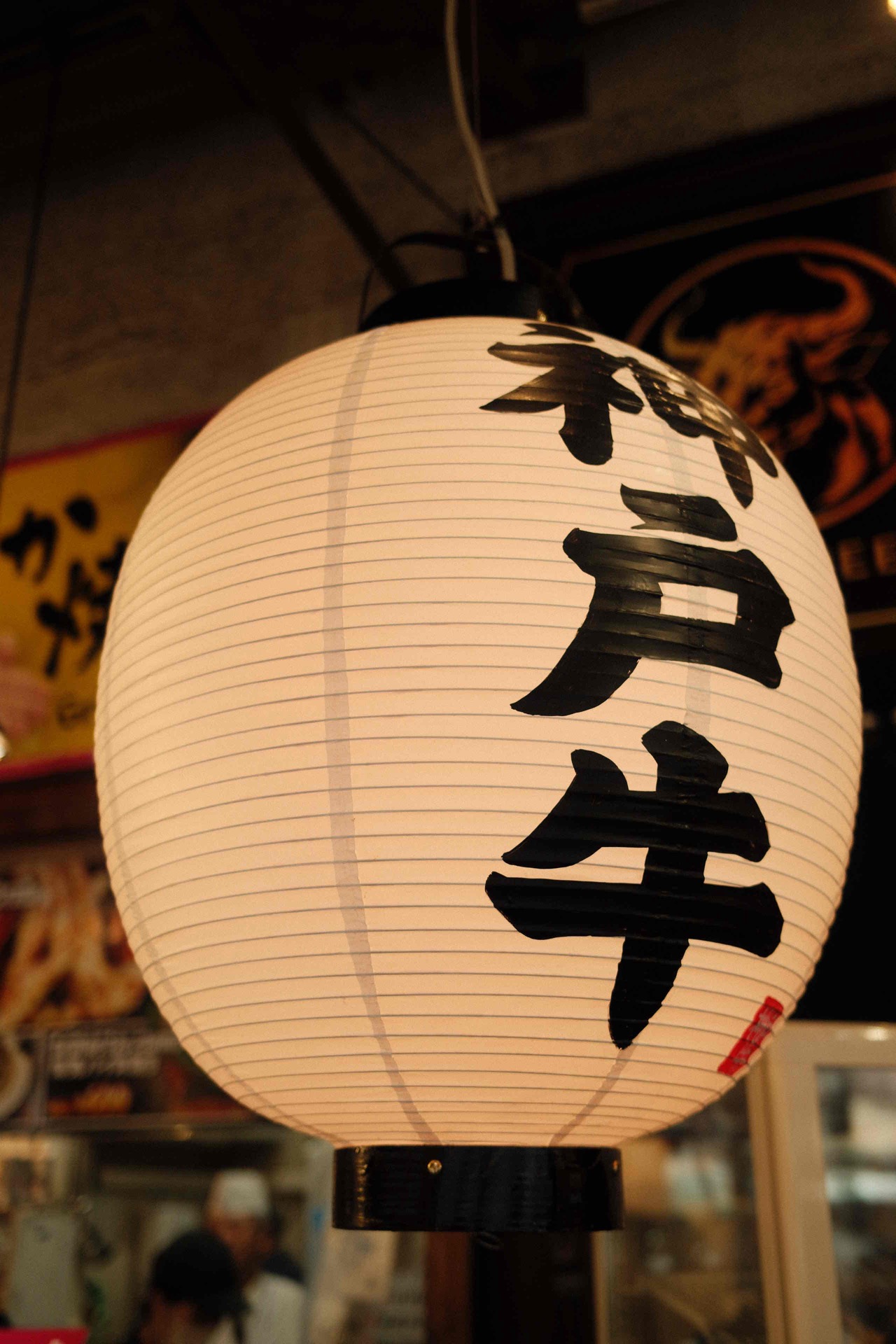
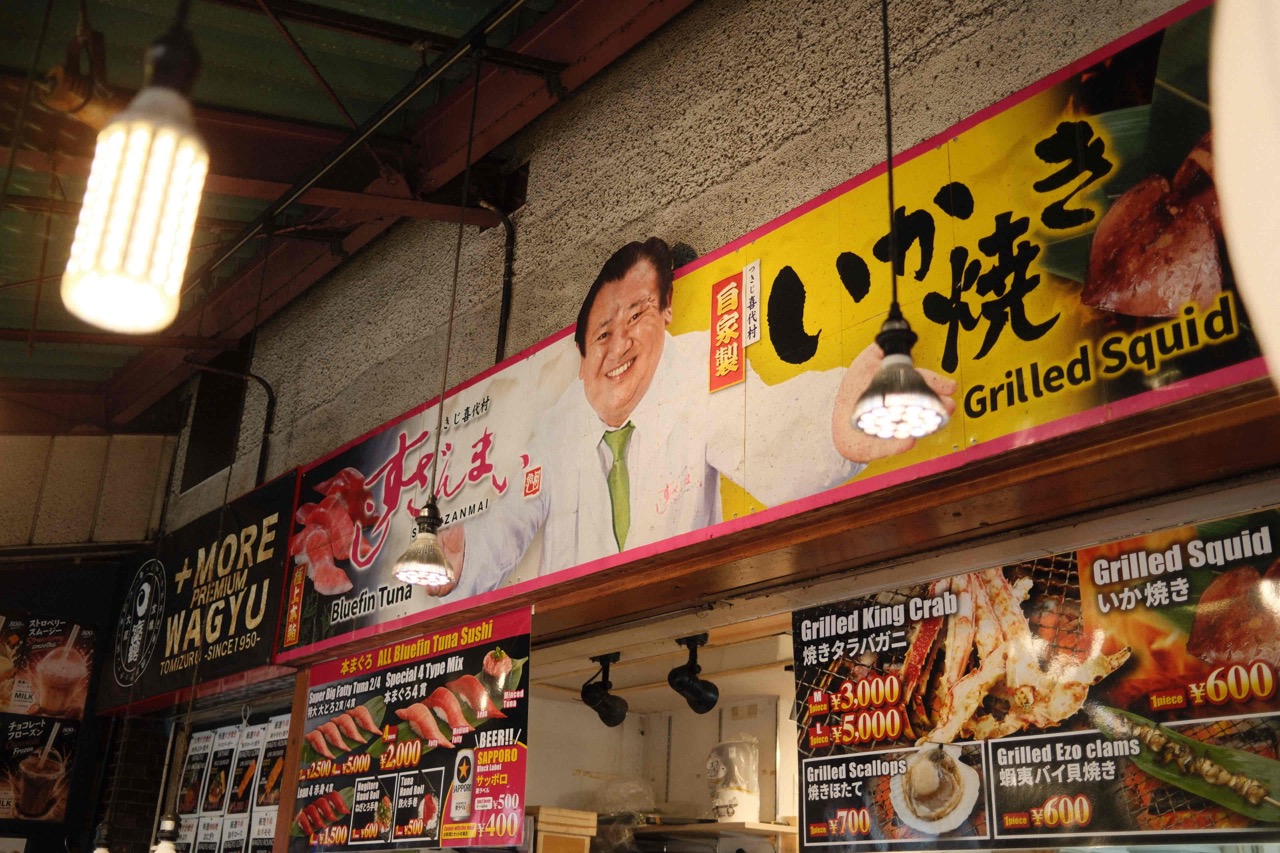
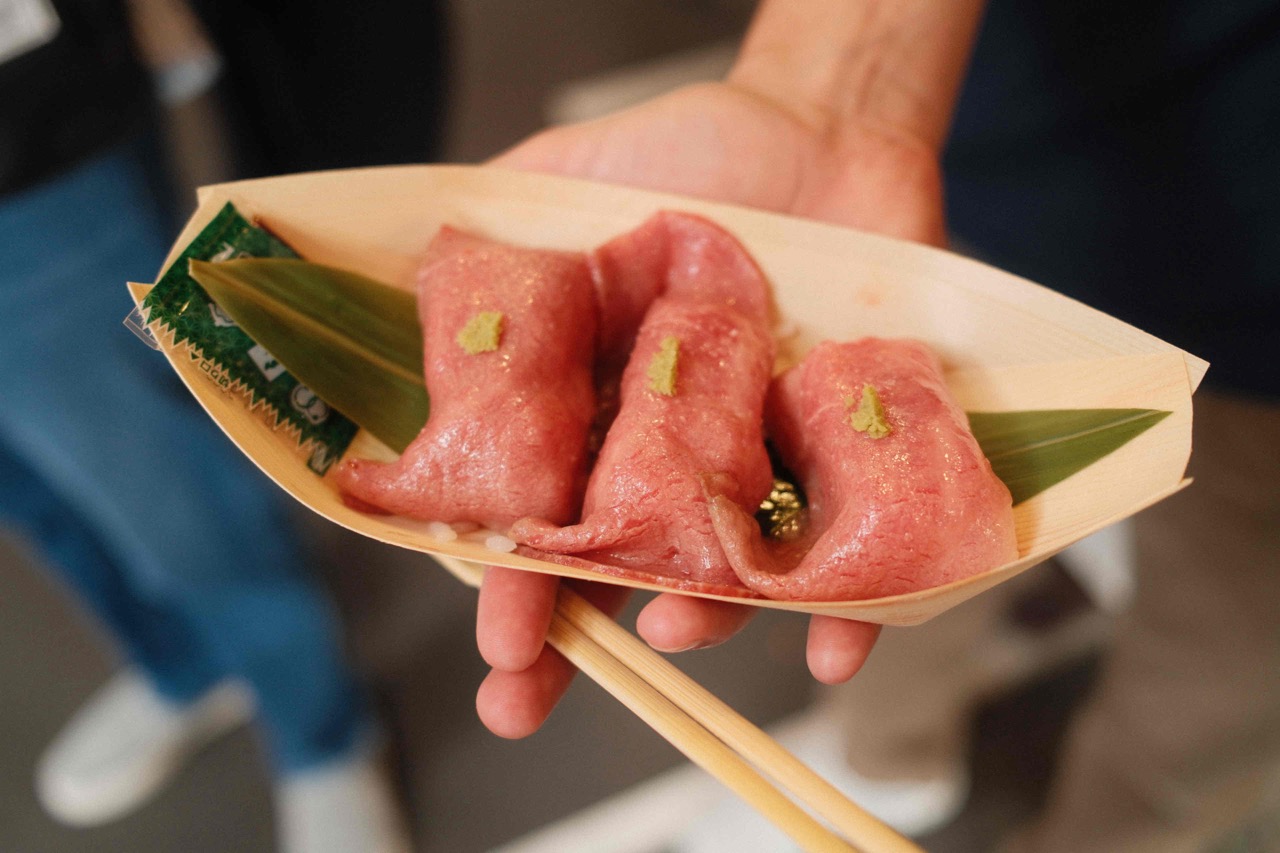
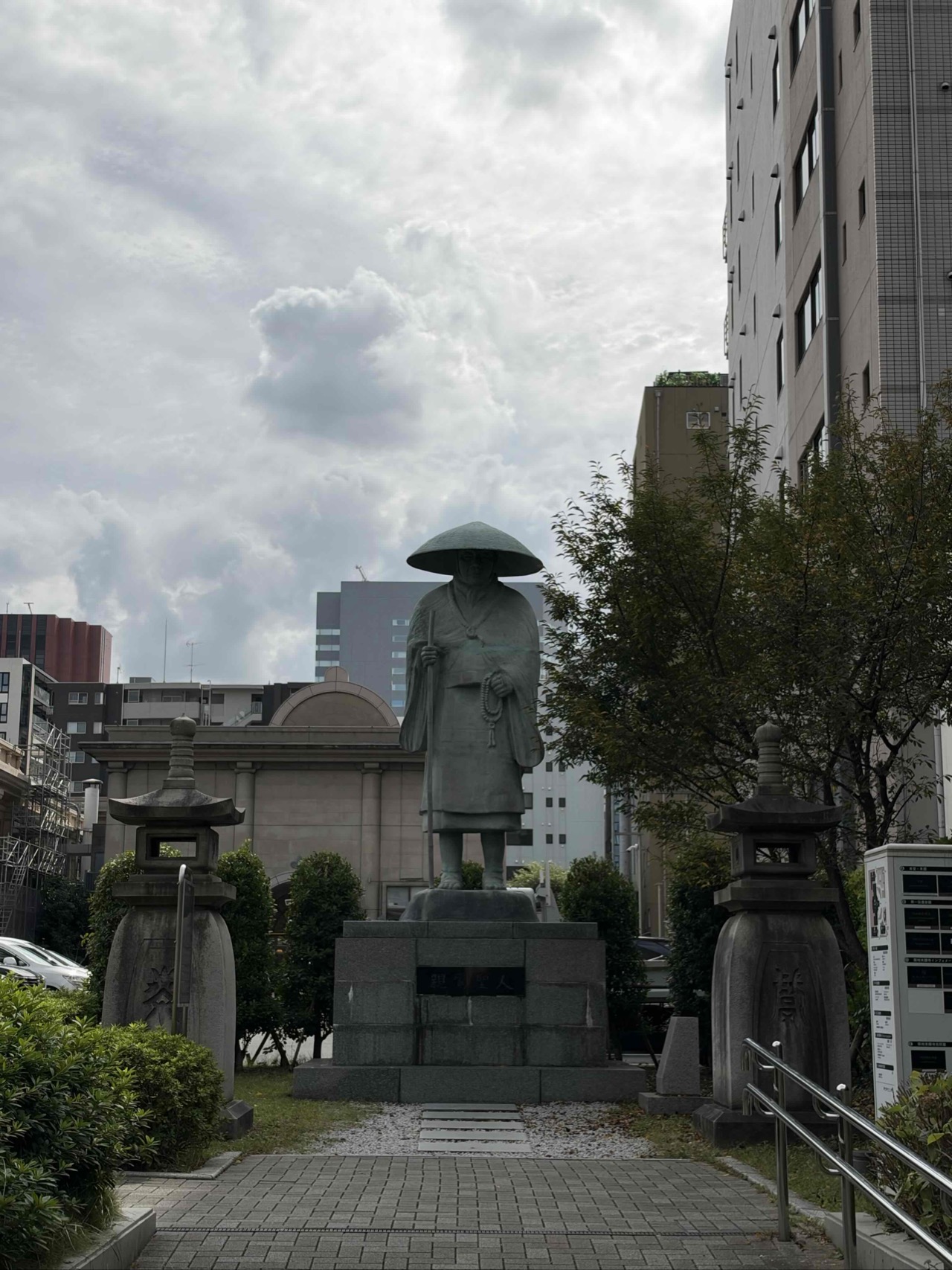
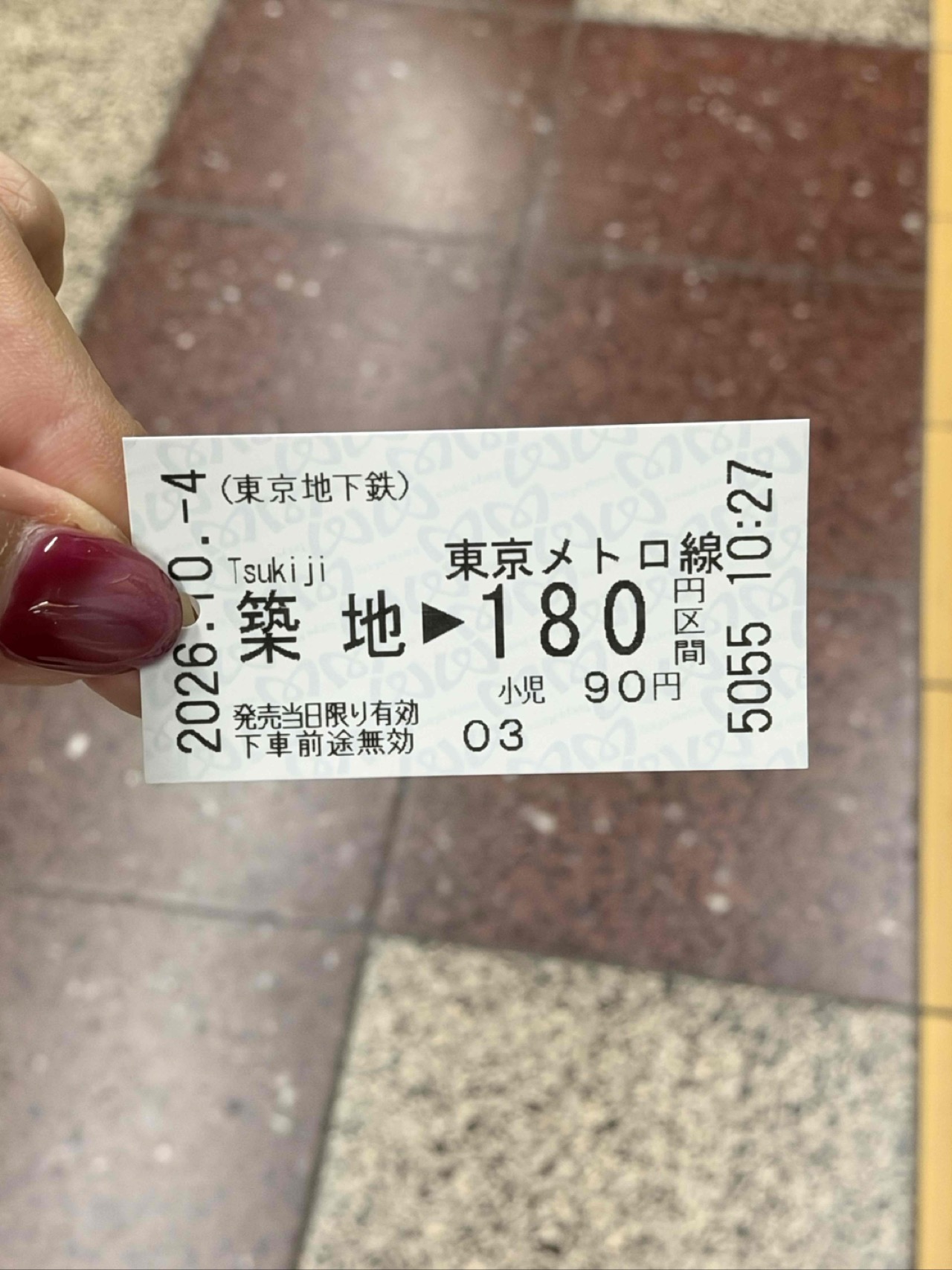
Our first stop was Namioke Inari Shrine, a fascinating little spot nestled right at the edge of the historic Tsukiji area. The name "Namioke" literally translates to "waves protection," and legend has it that when the shrine was built in the 17th century, the local ocean waves miraculously calmed down, allowing the reclamation of the Tsukiji land to finish. From there, we strolled through the lively Tsukiji Outer Market—which was humming even on a Sunday—and sampled an incredible spread: crisp fried sweet potatoes, melt-in-your-mouth wagyu beef sushi, and refreshing frozen strawberries on a stick.
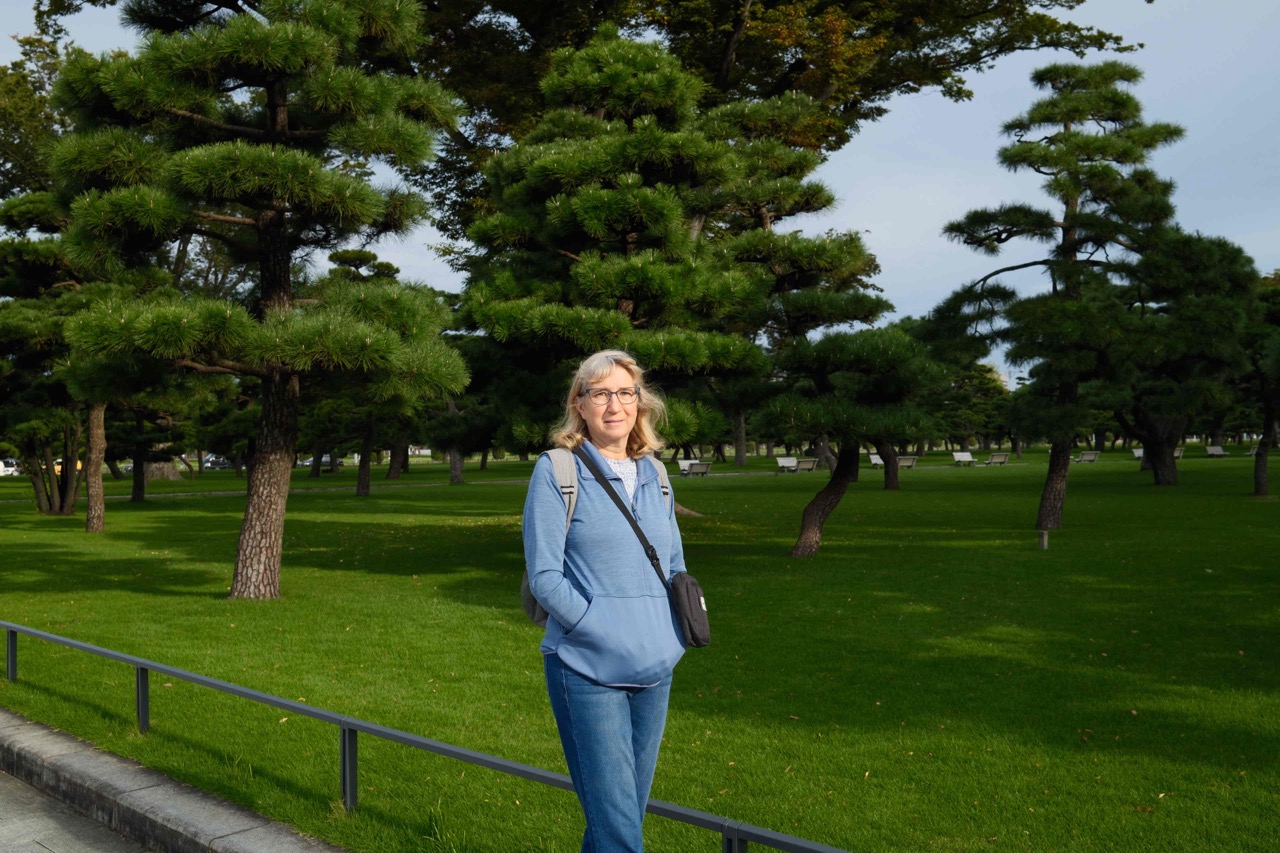
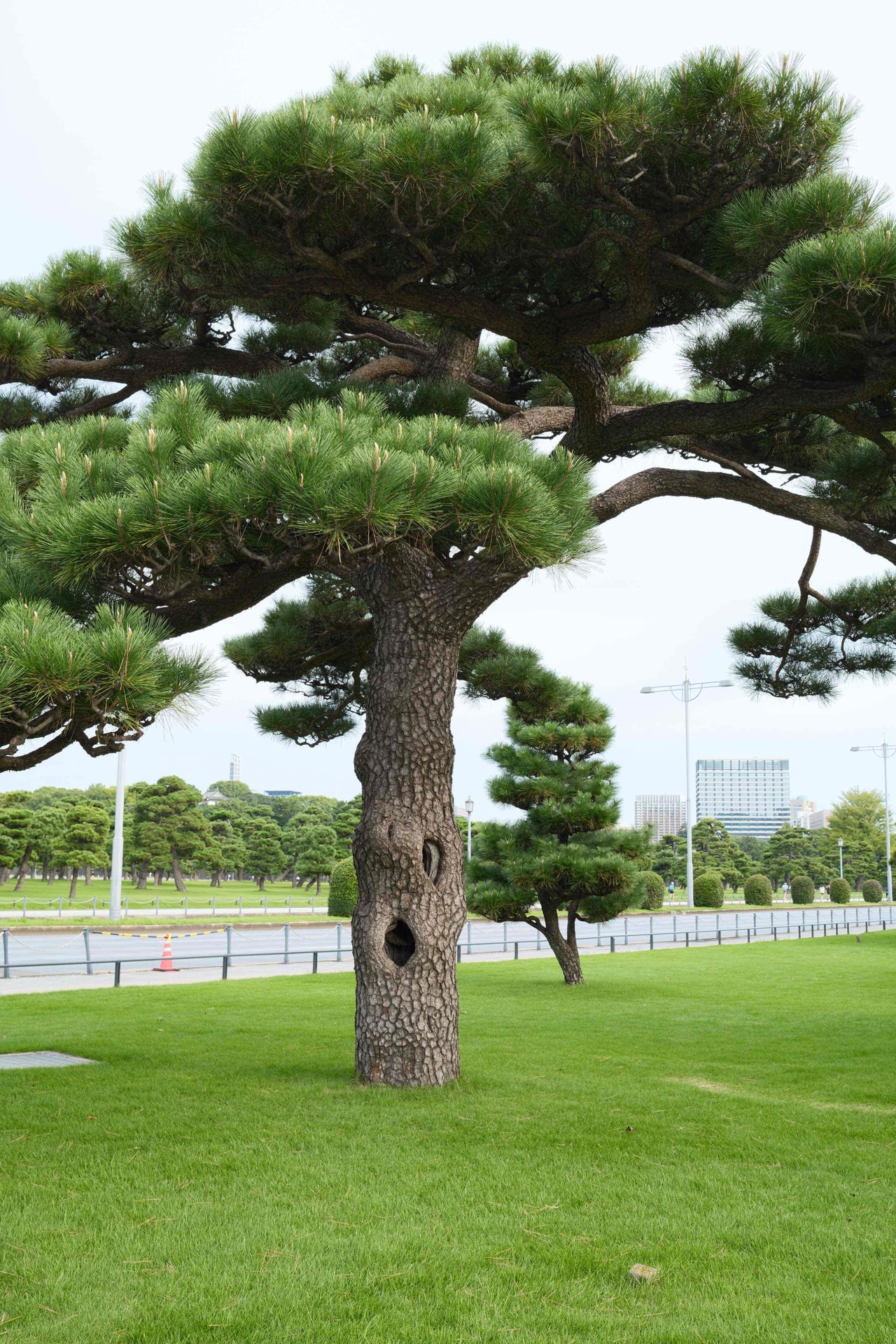
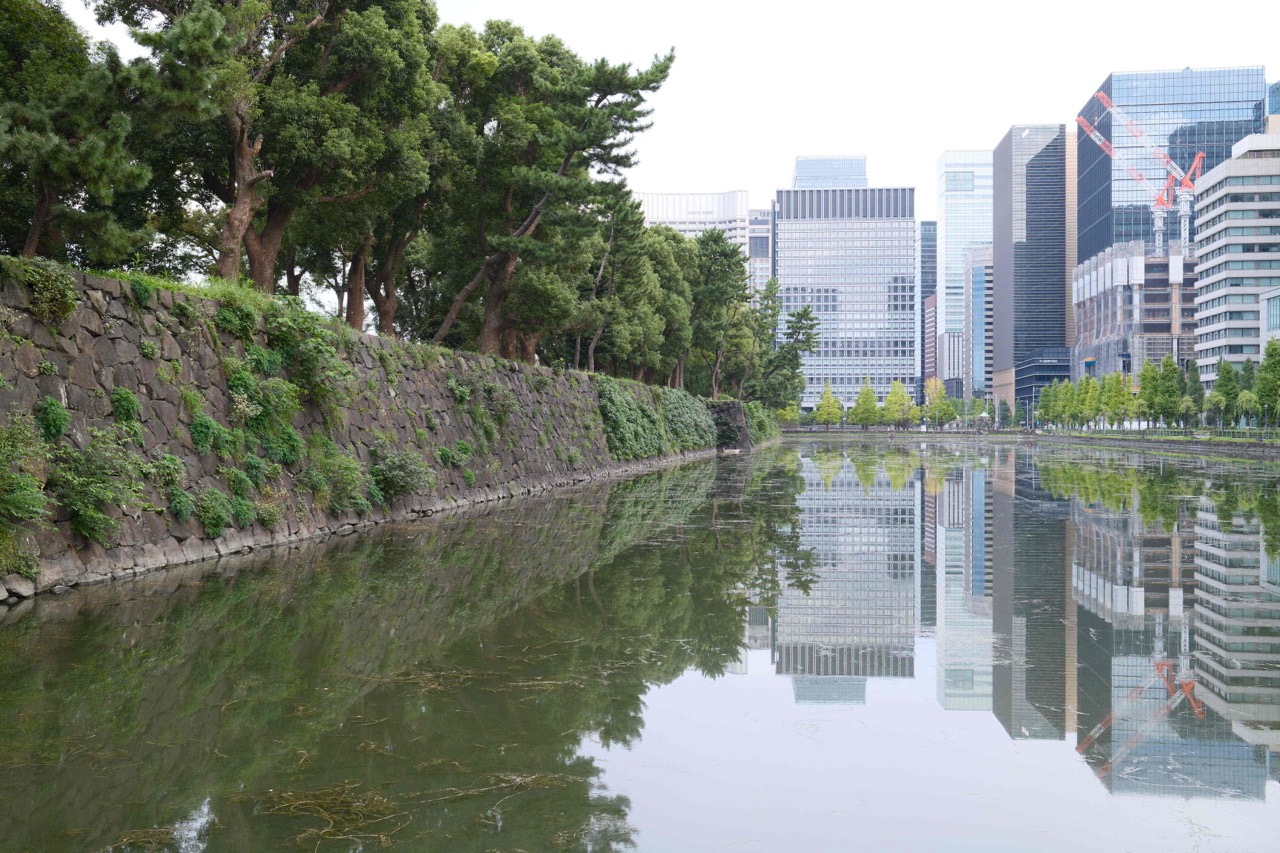
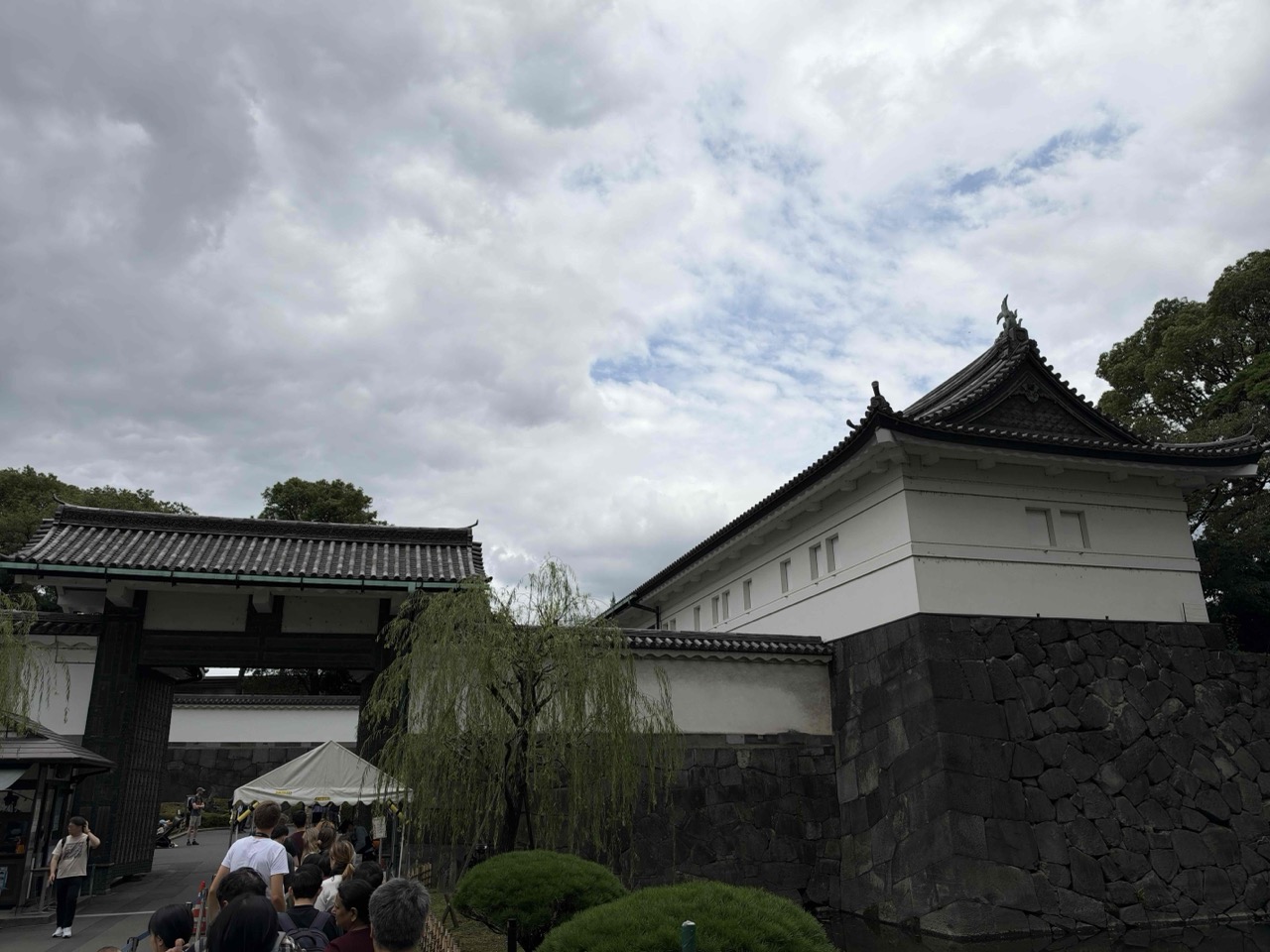
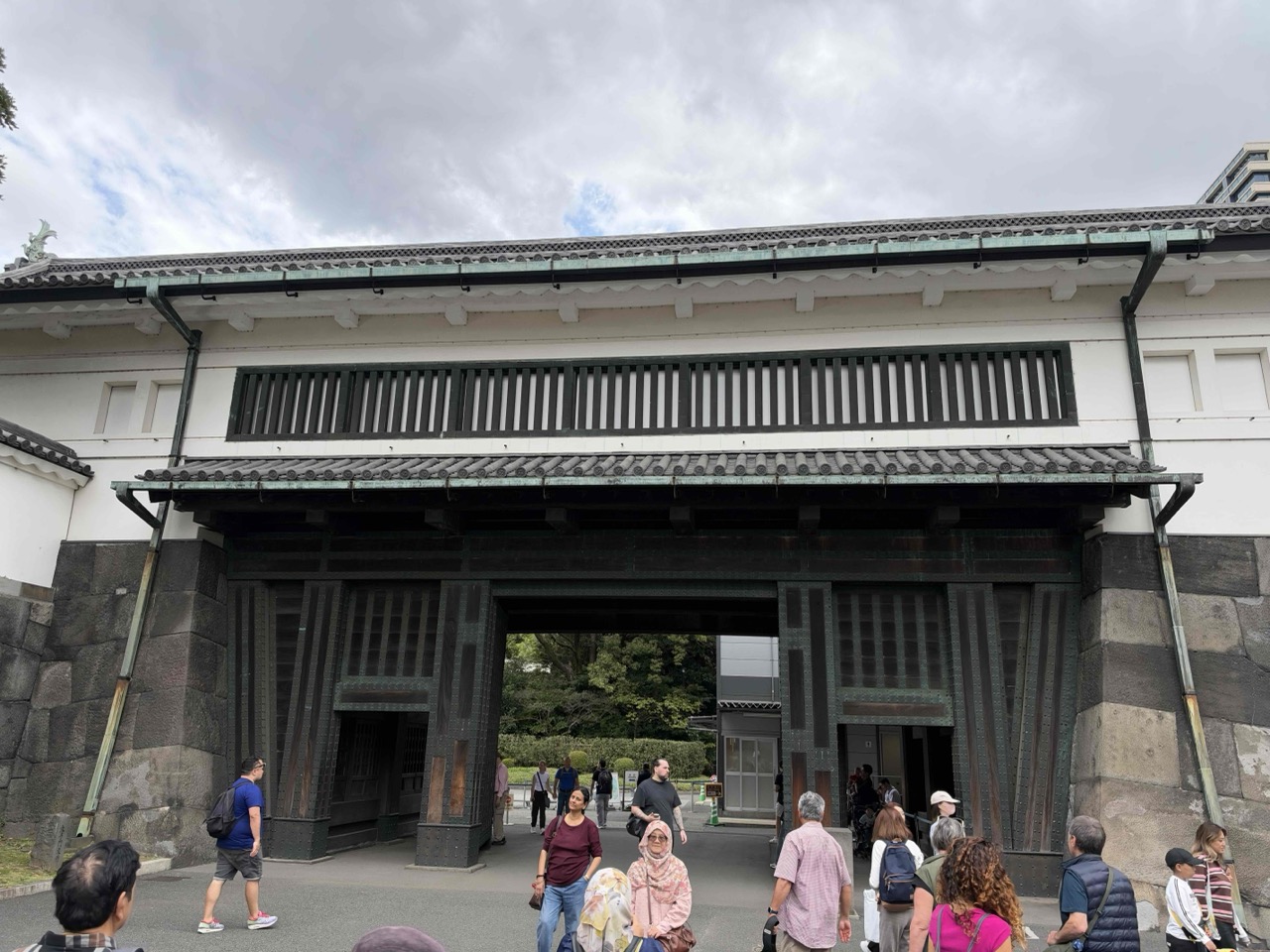
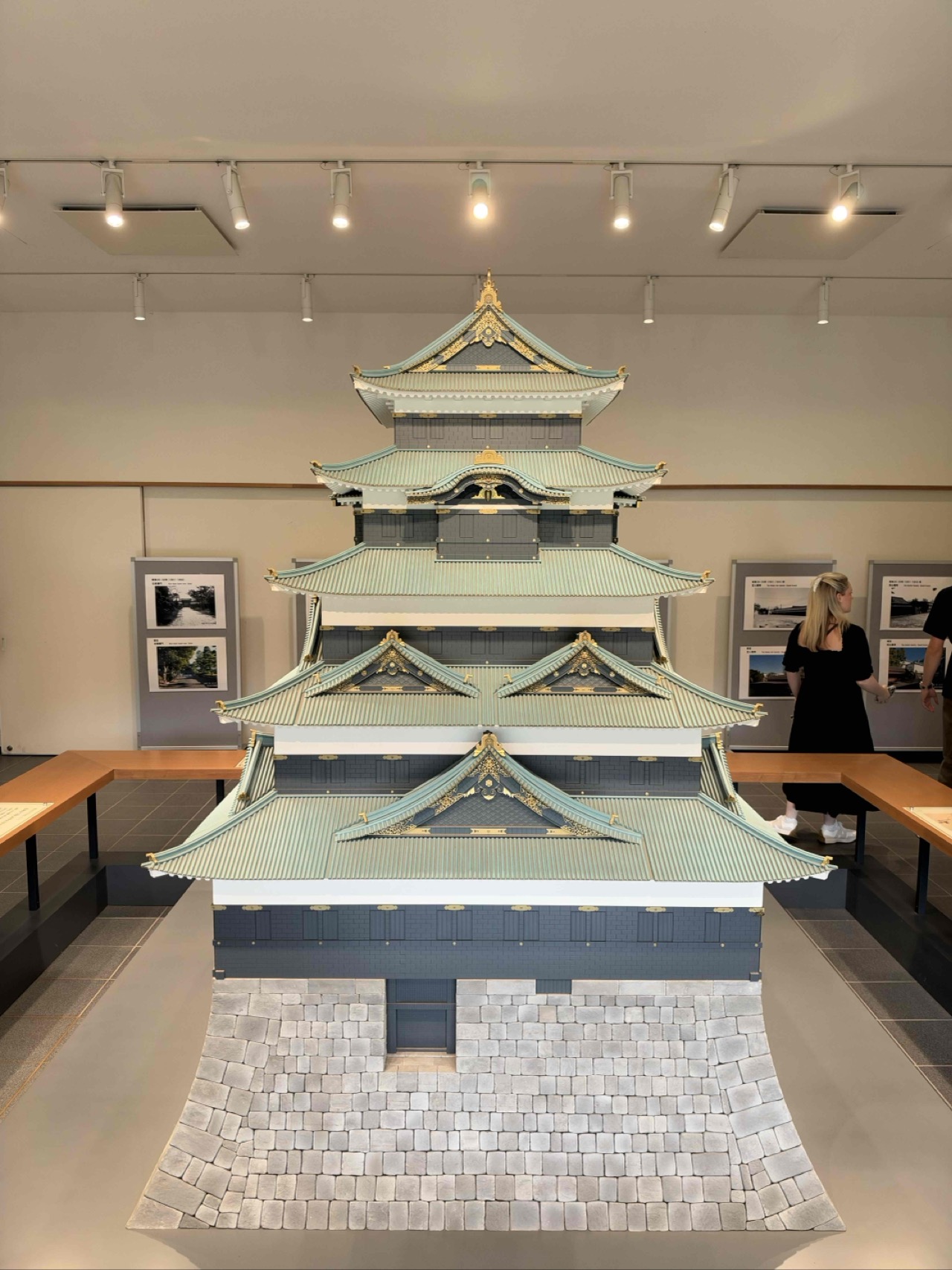
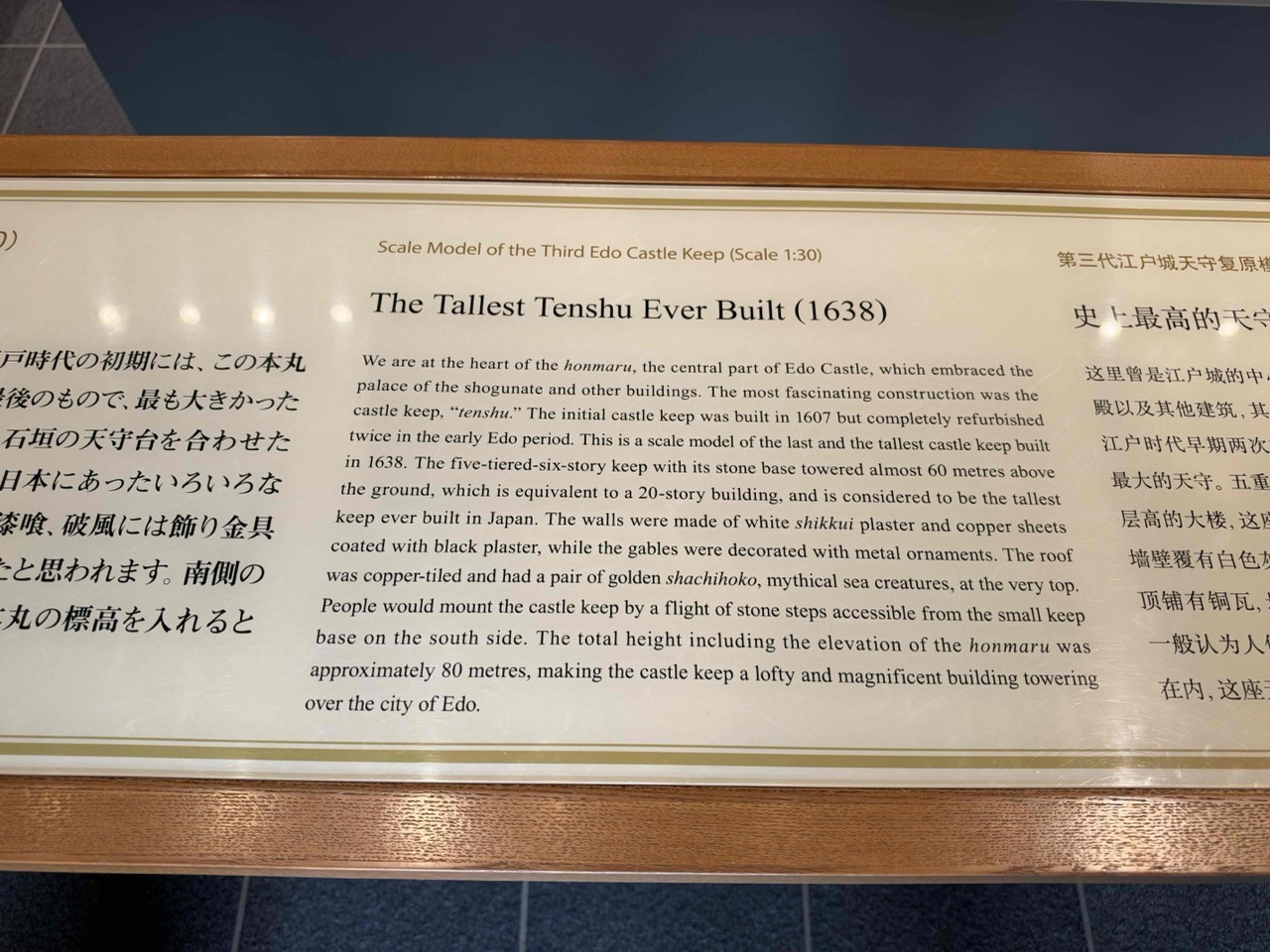
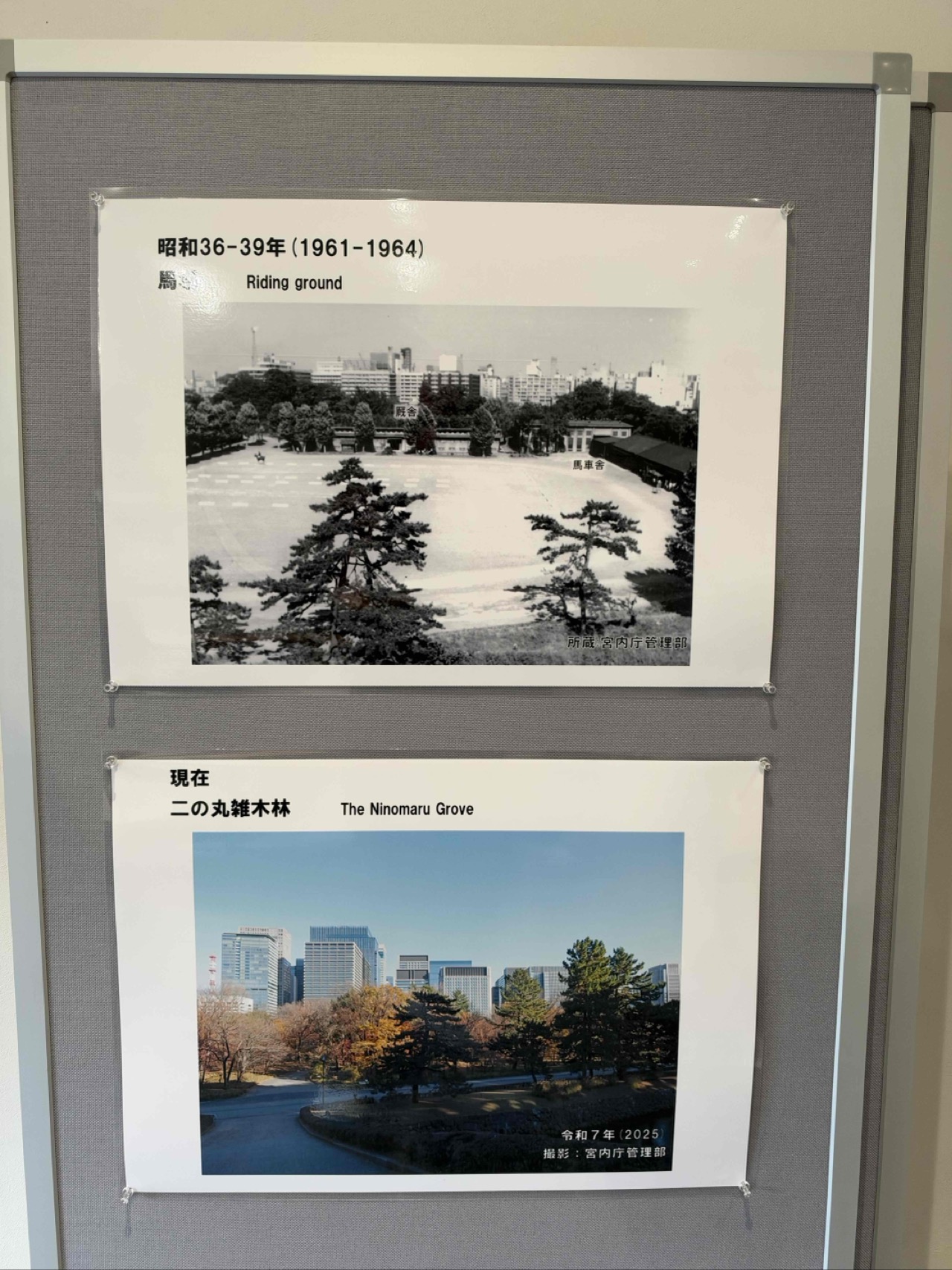
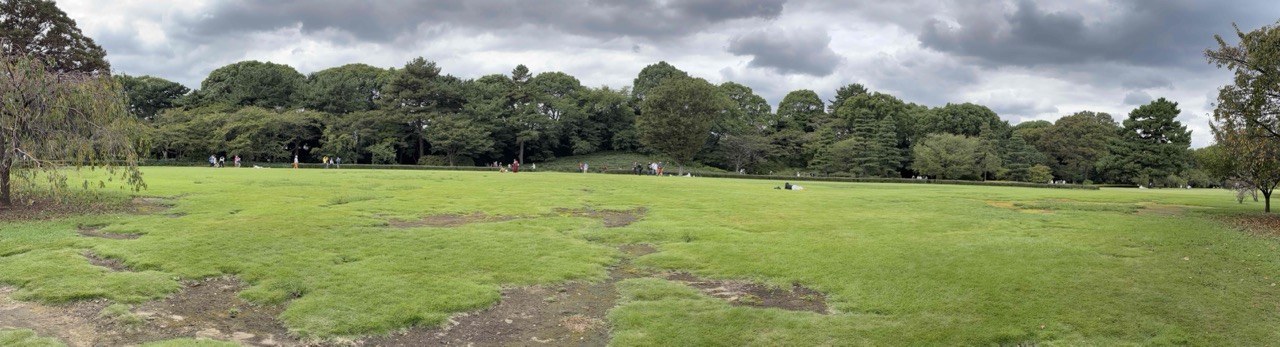
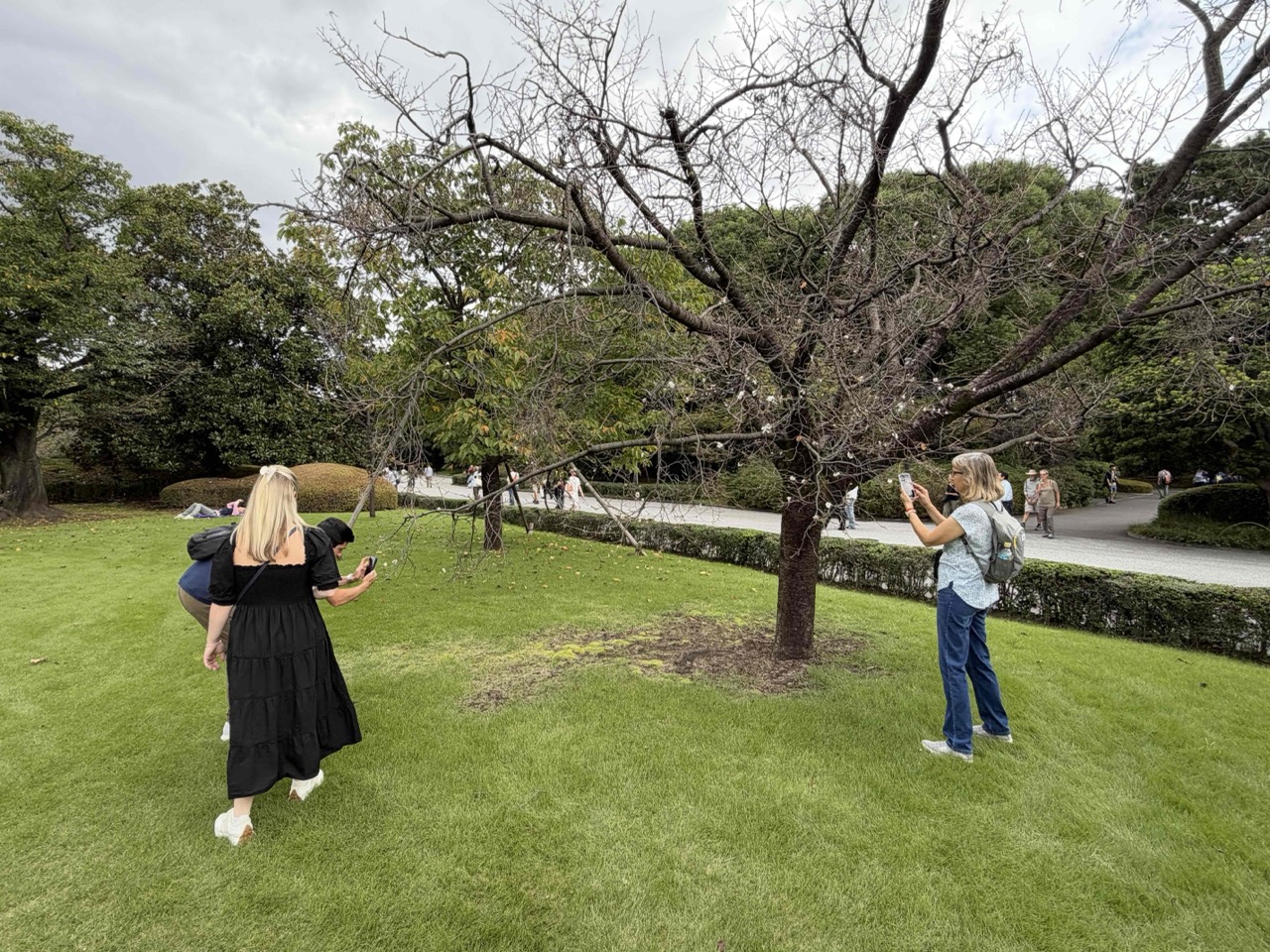
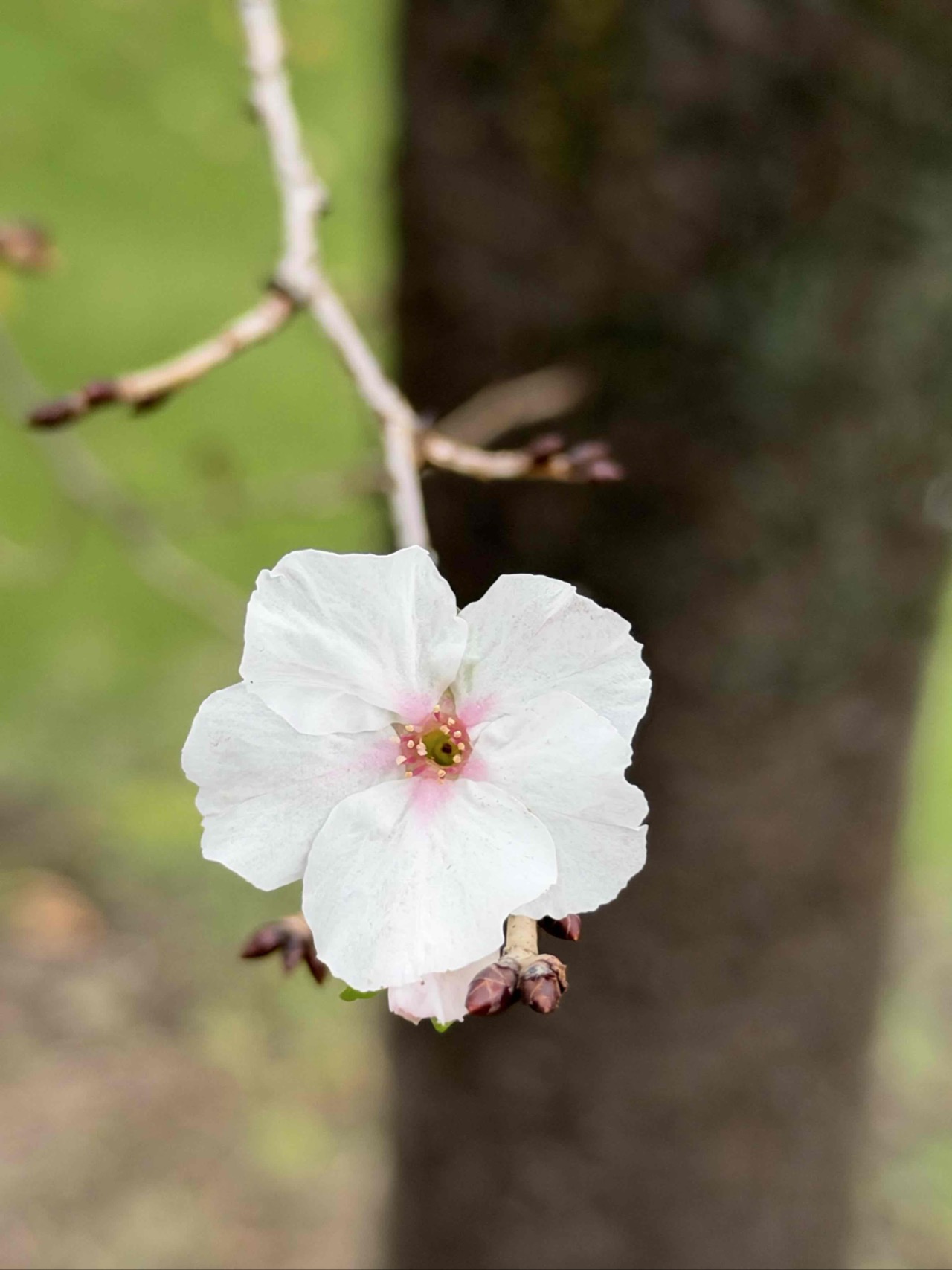
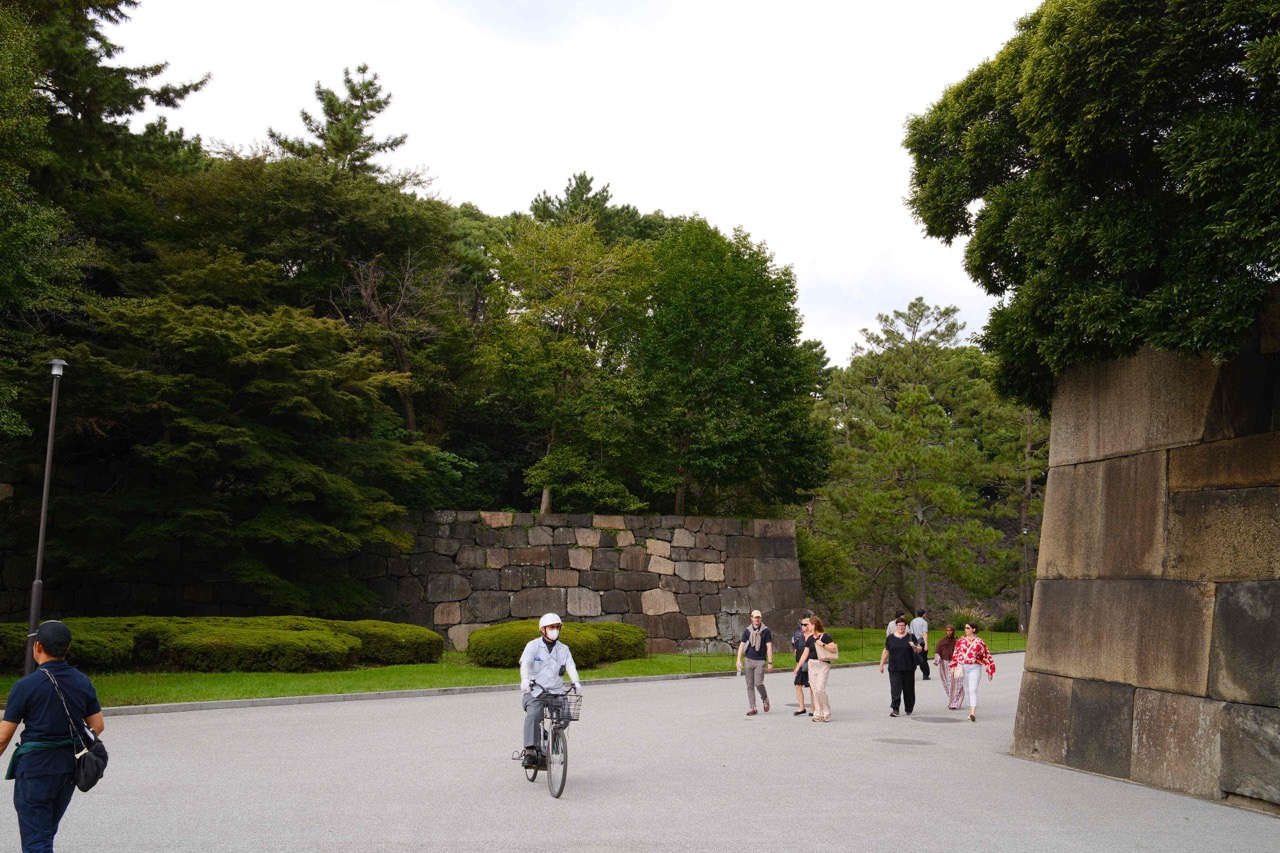
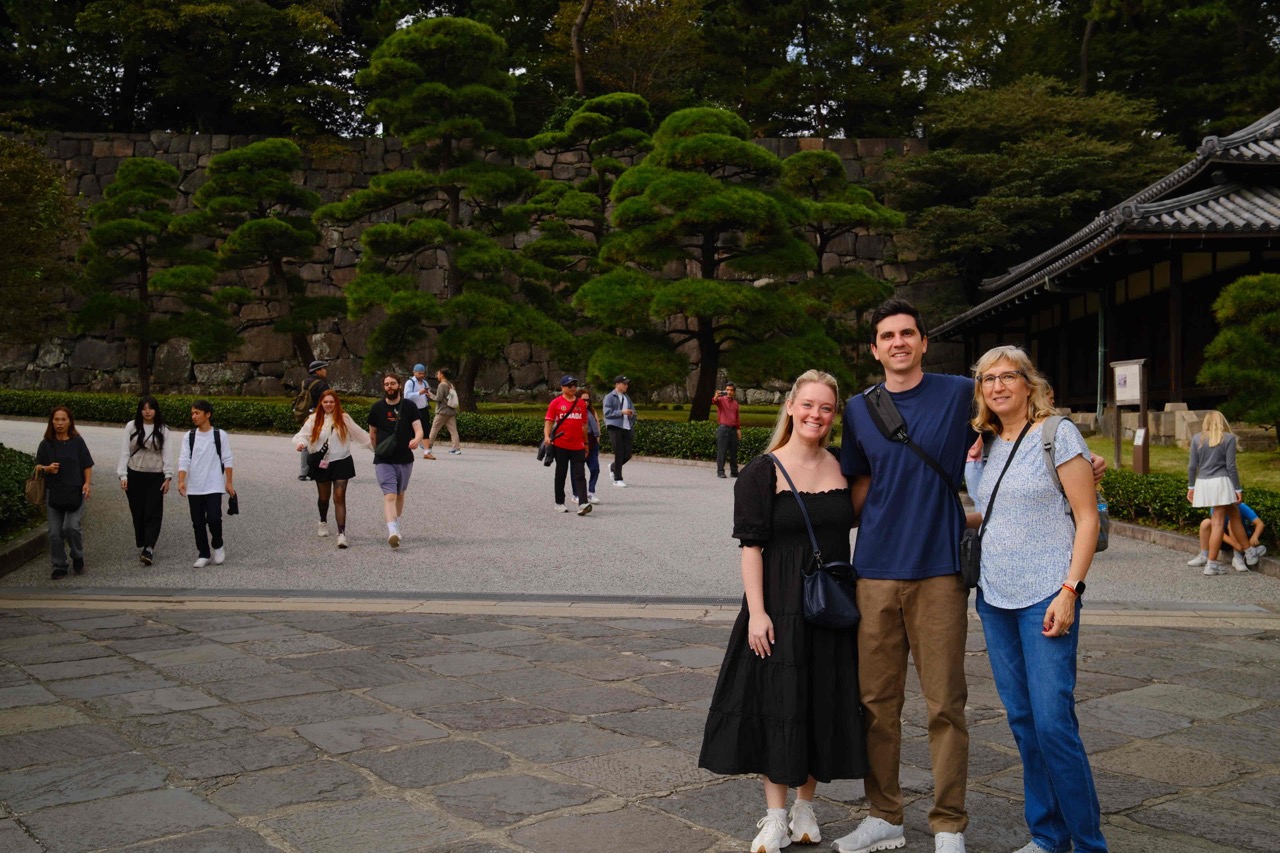
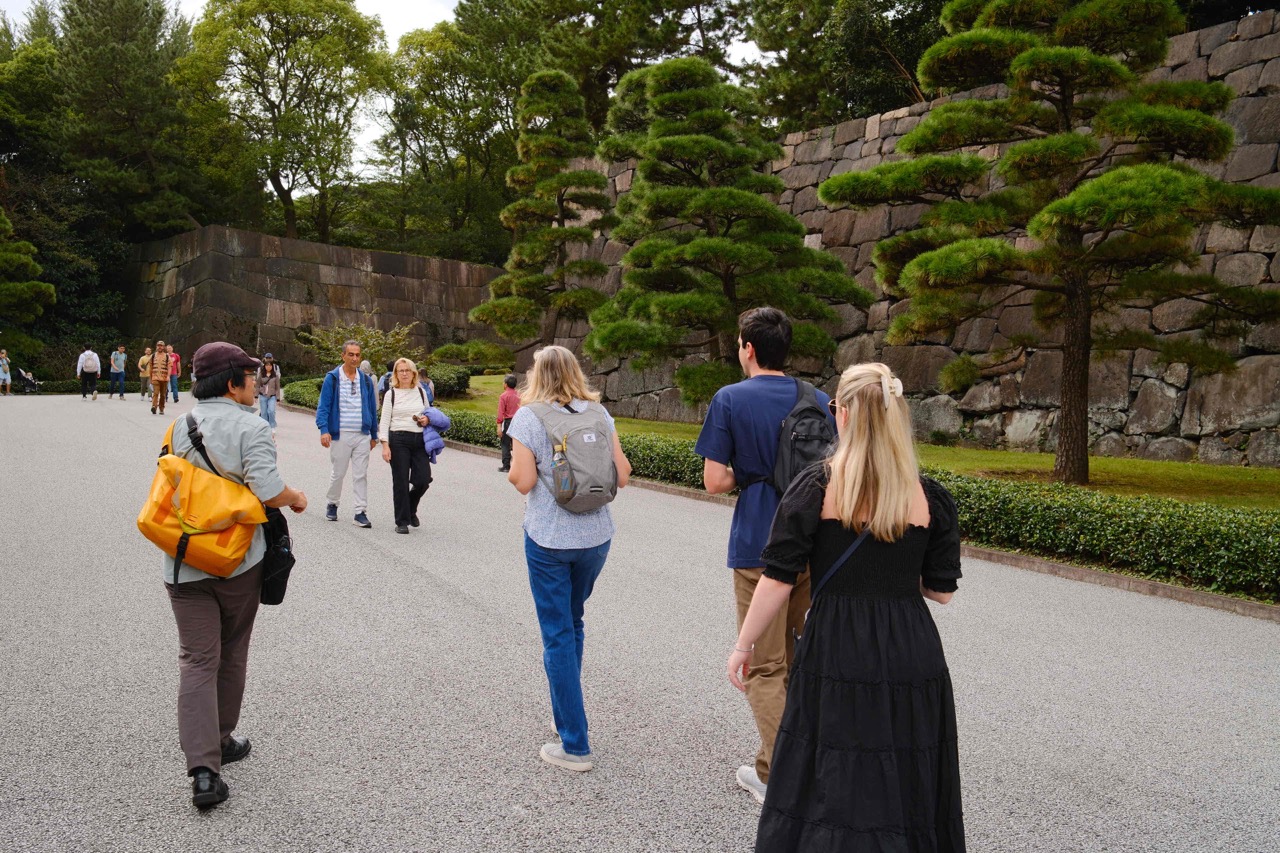
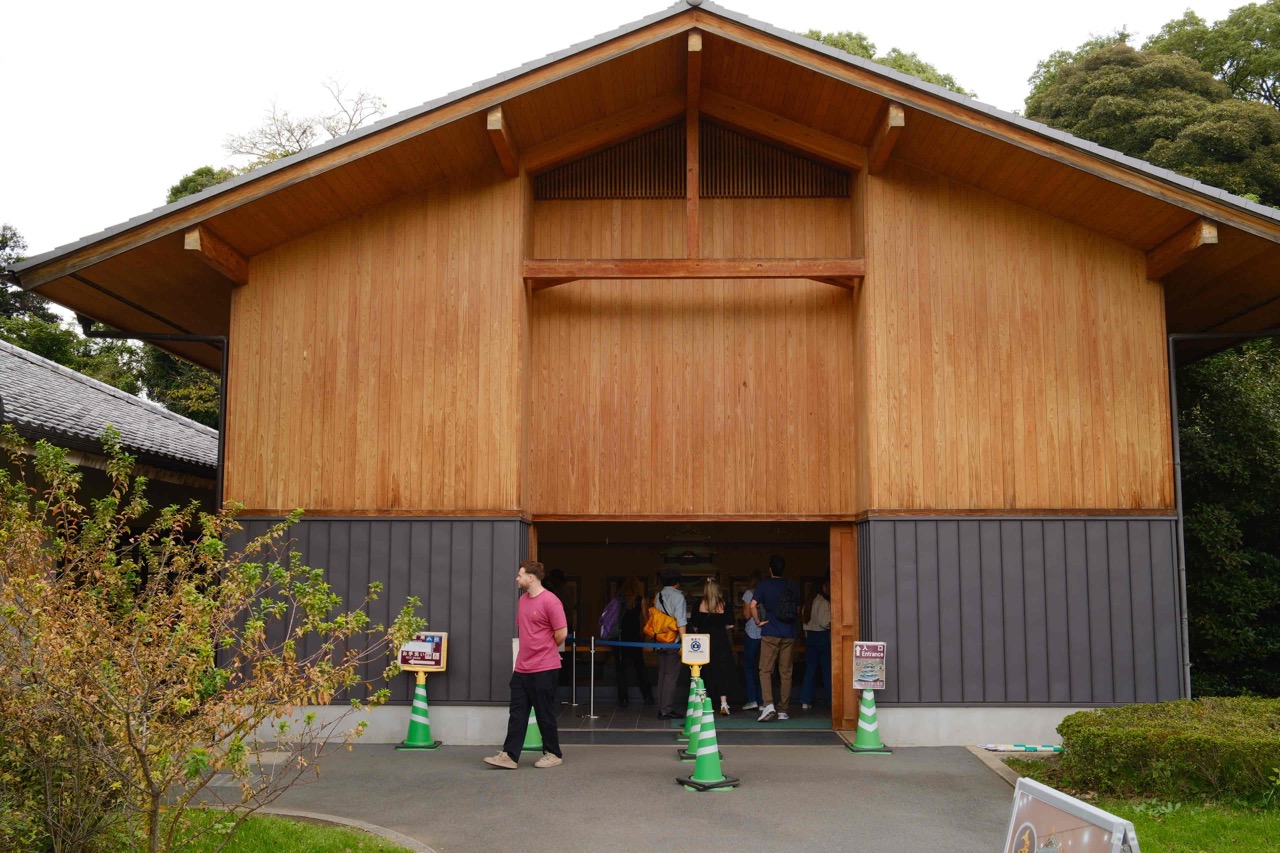
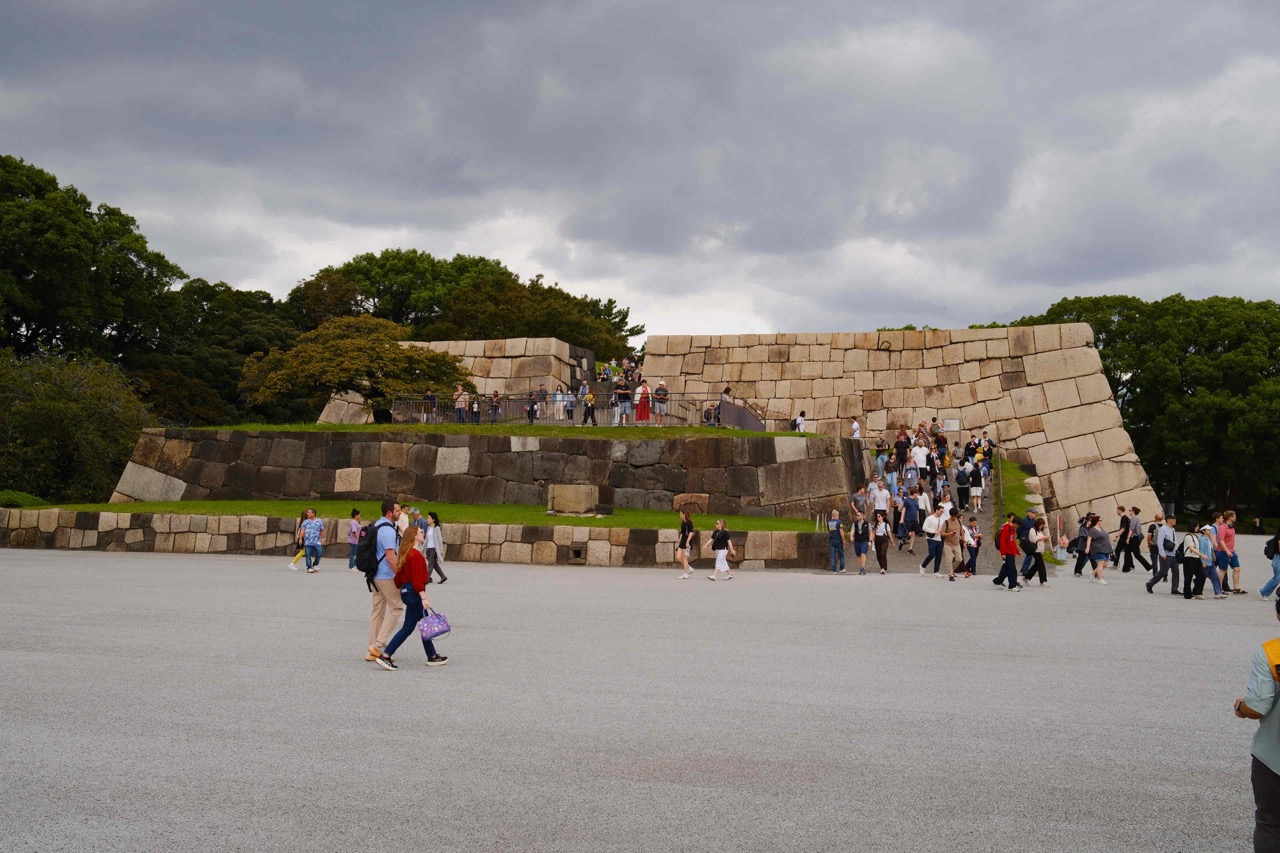
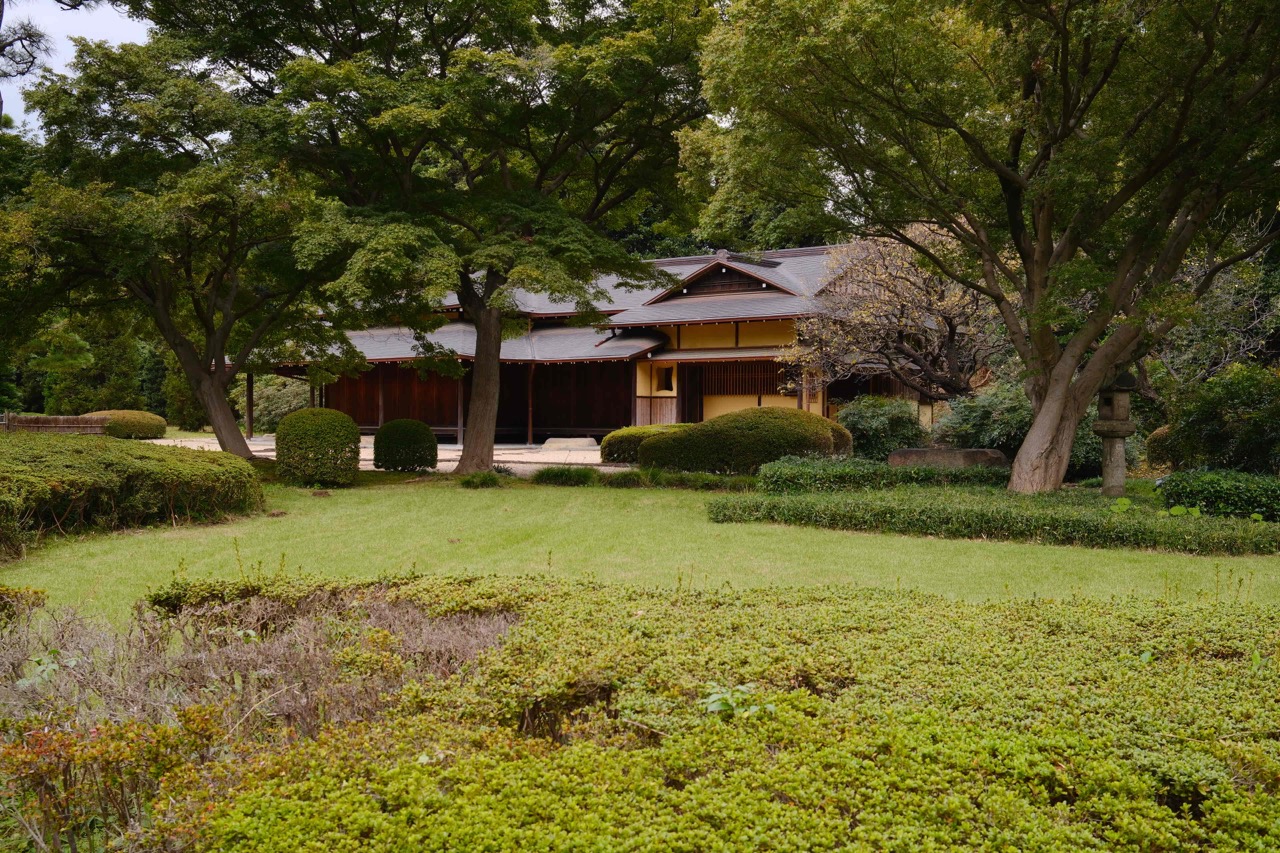
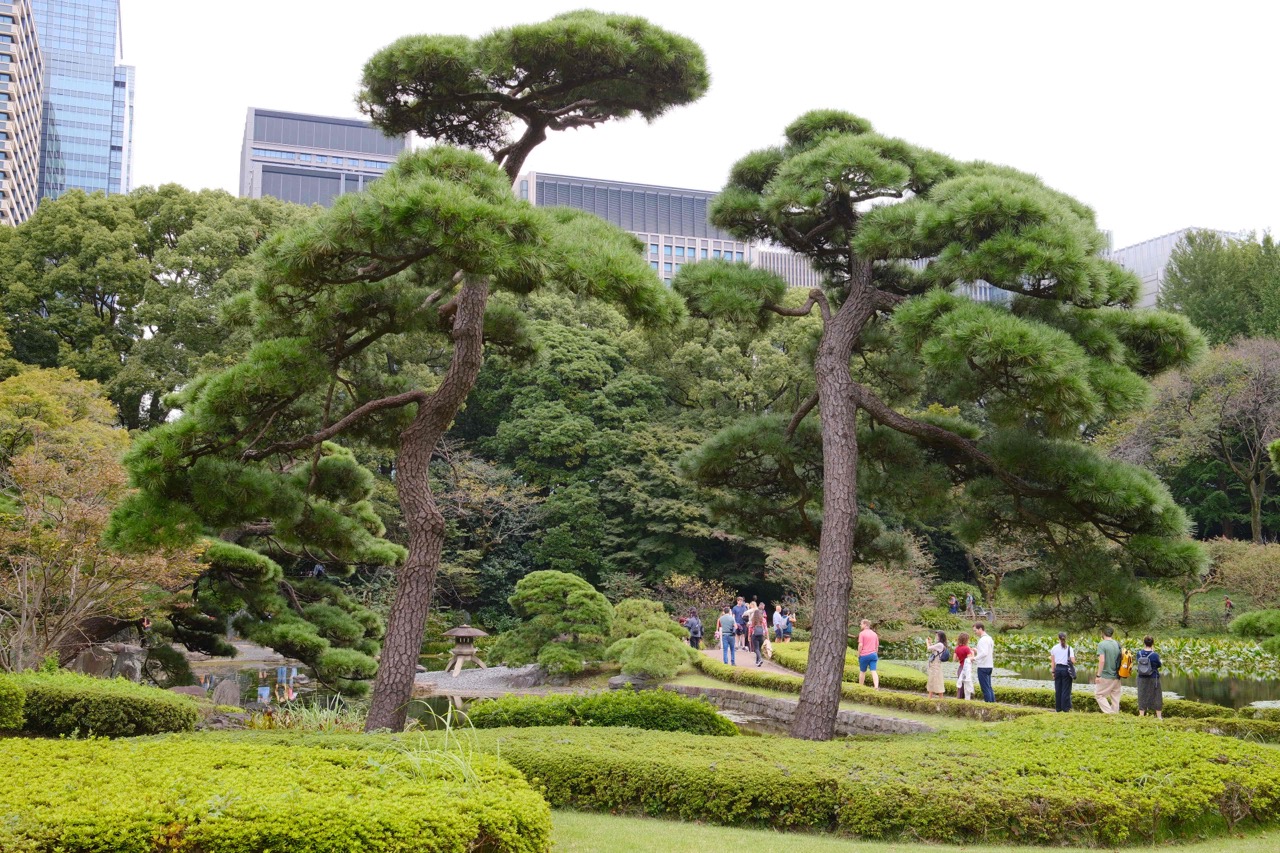
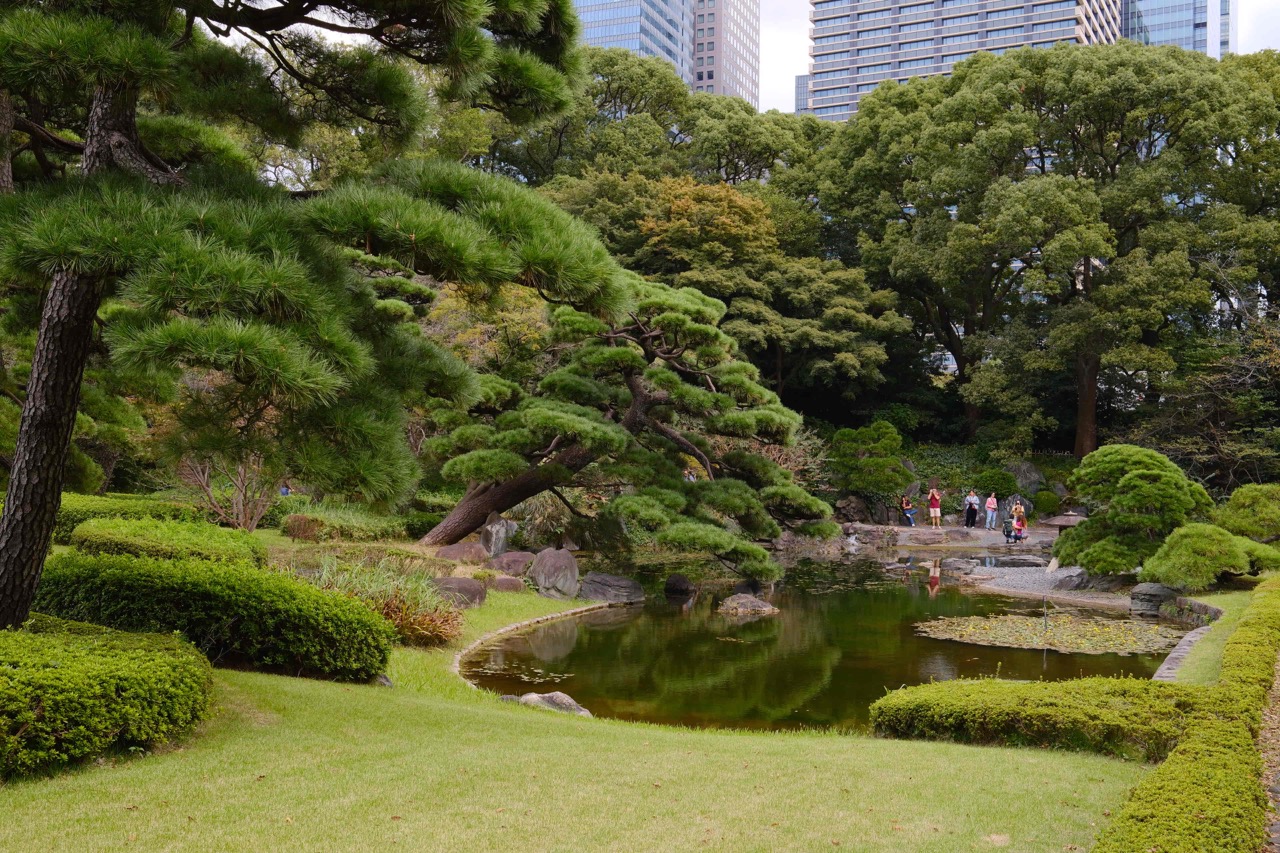
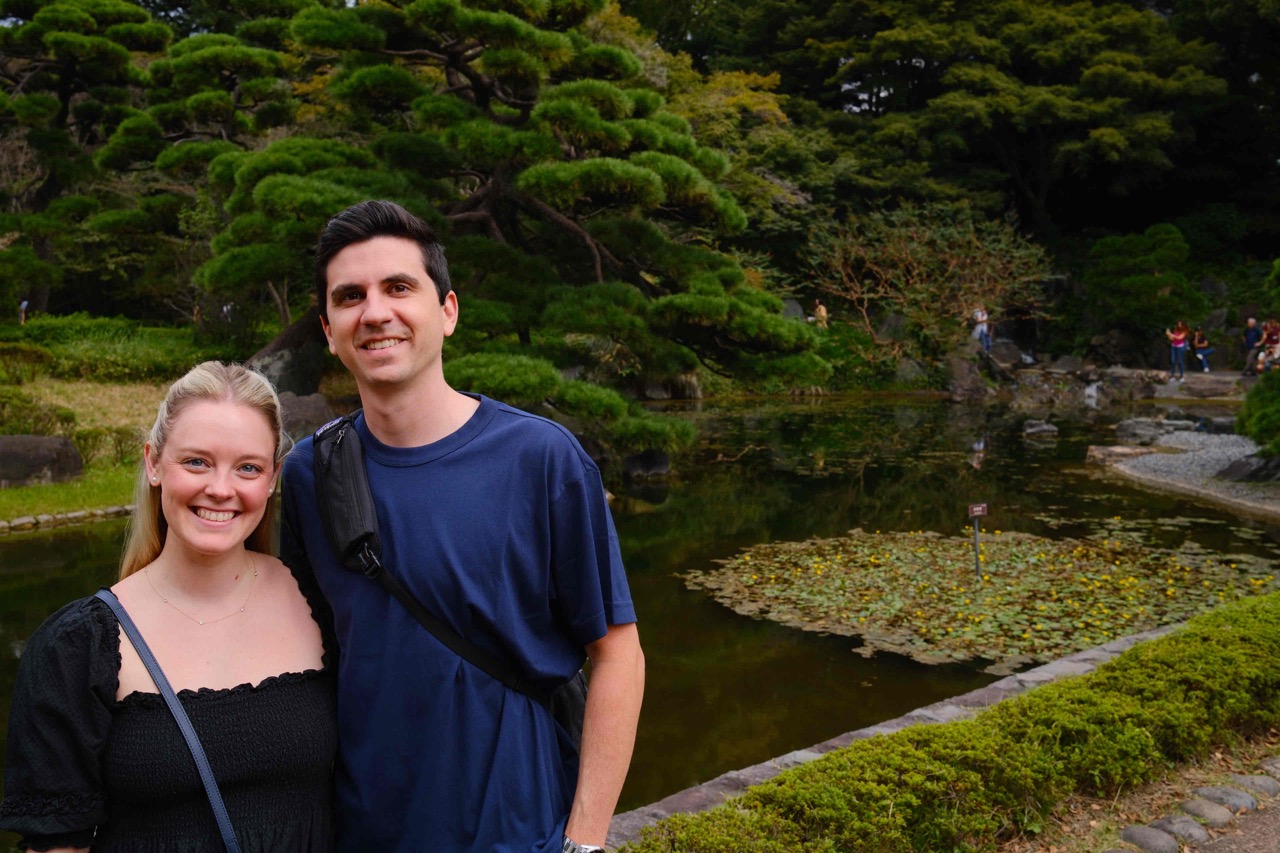
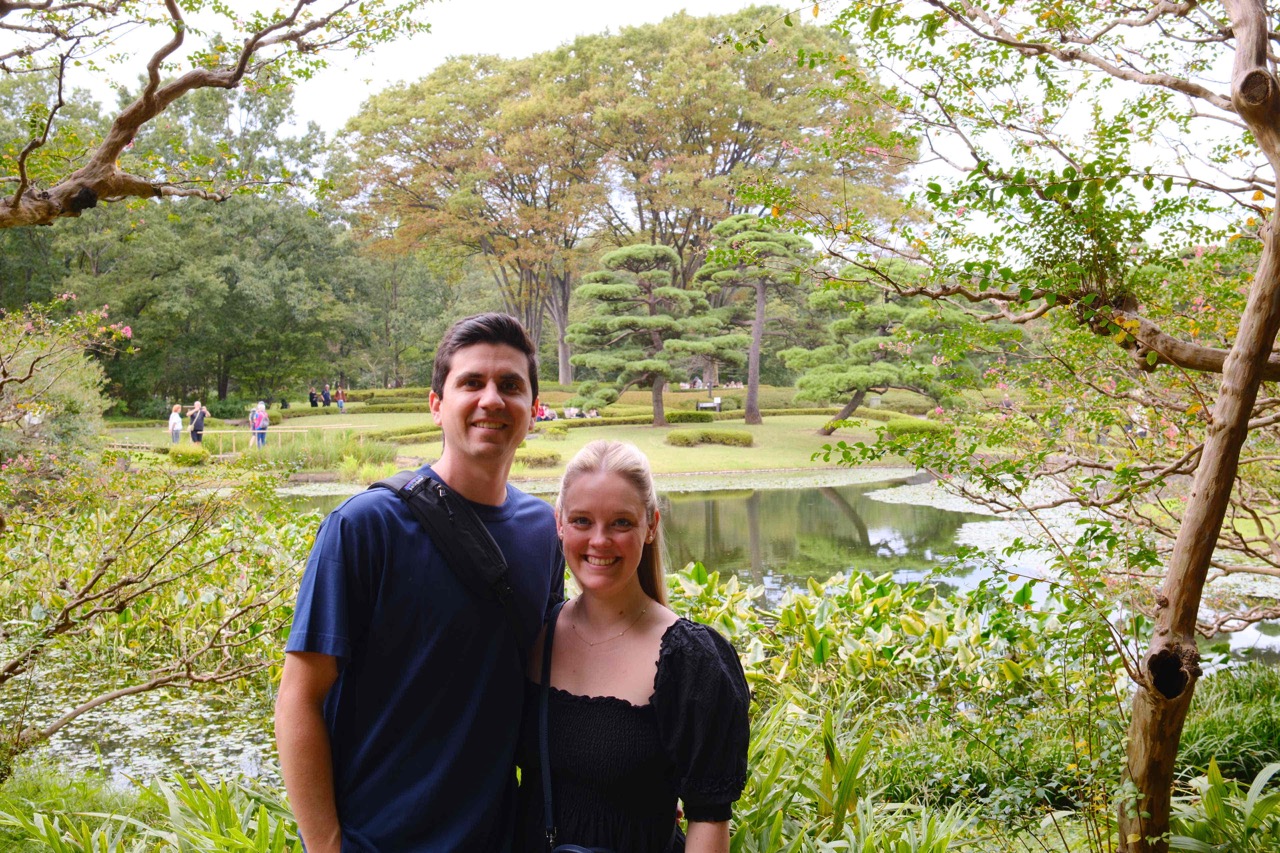
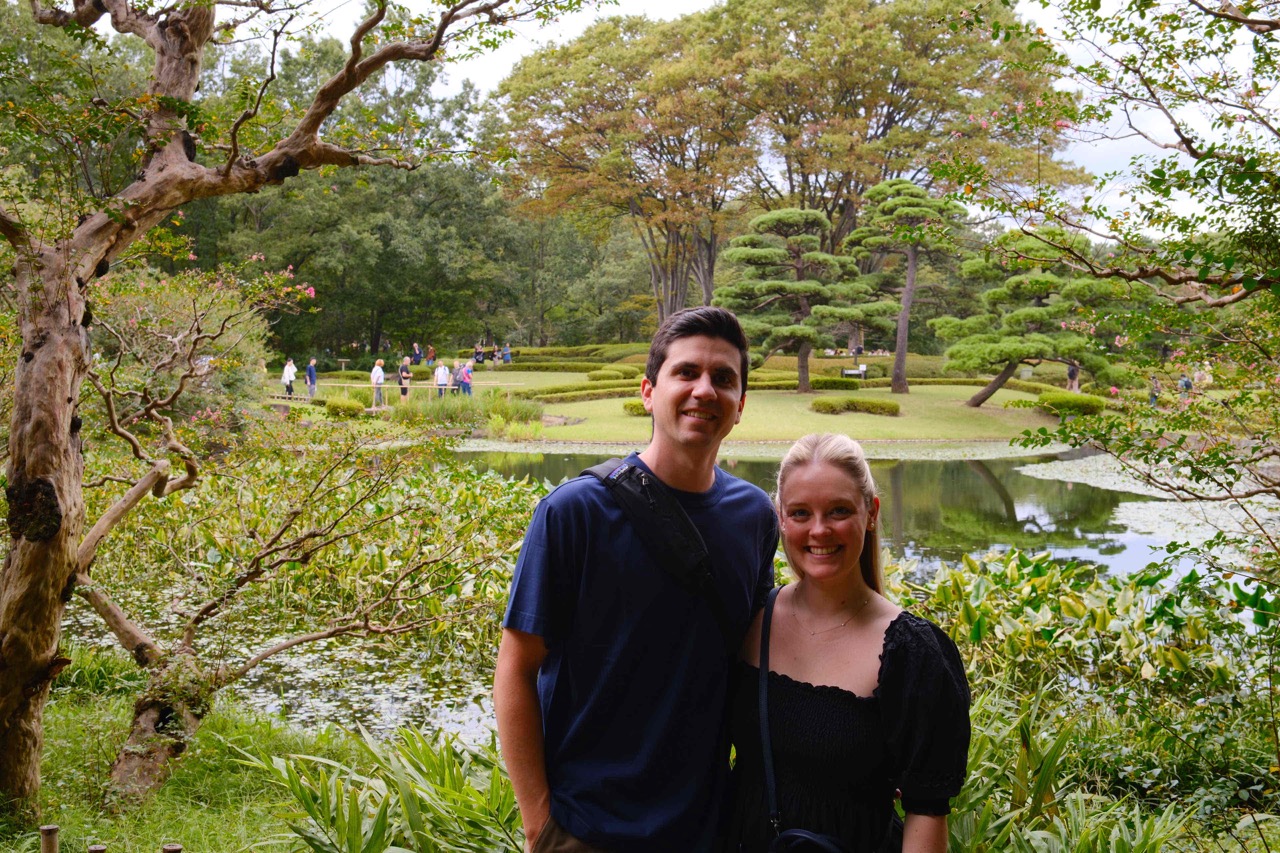
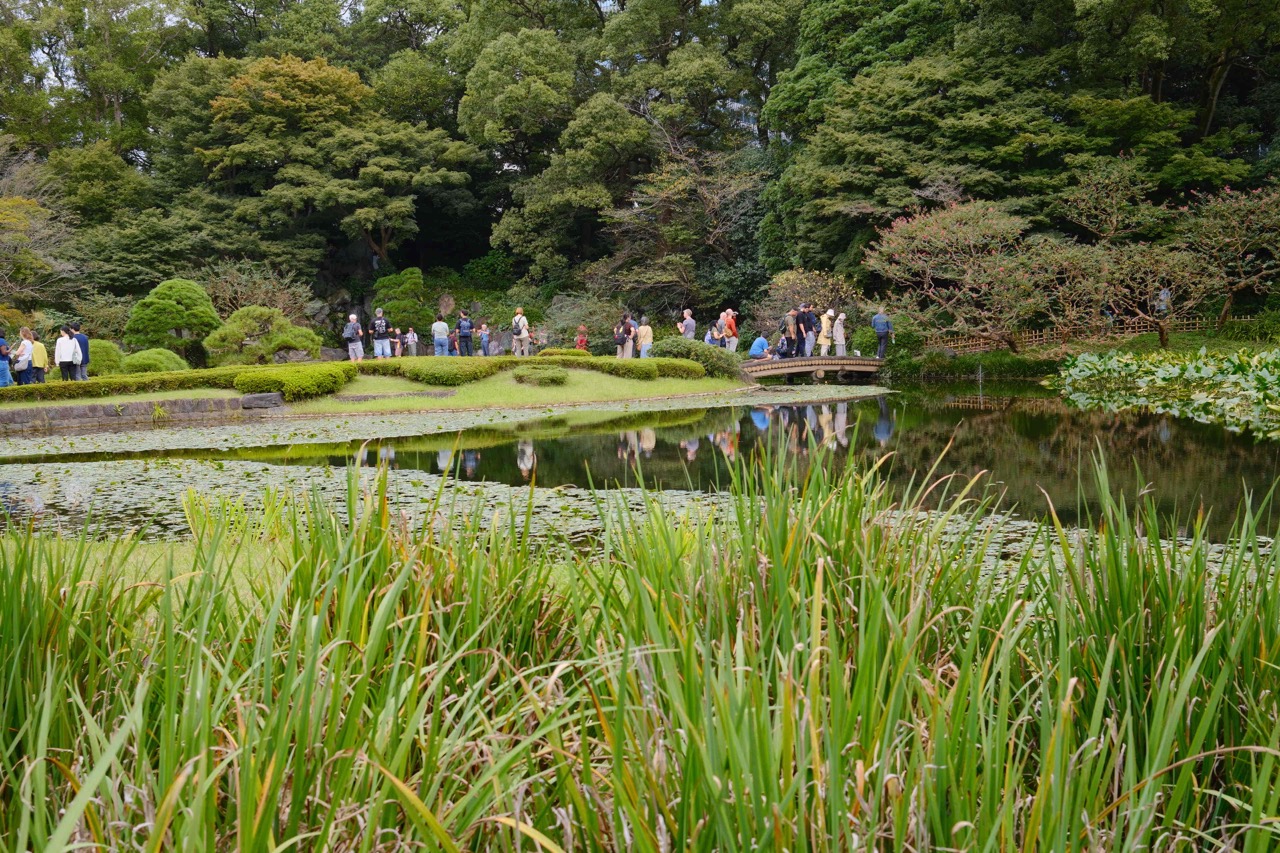
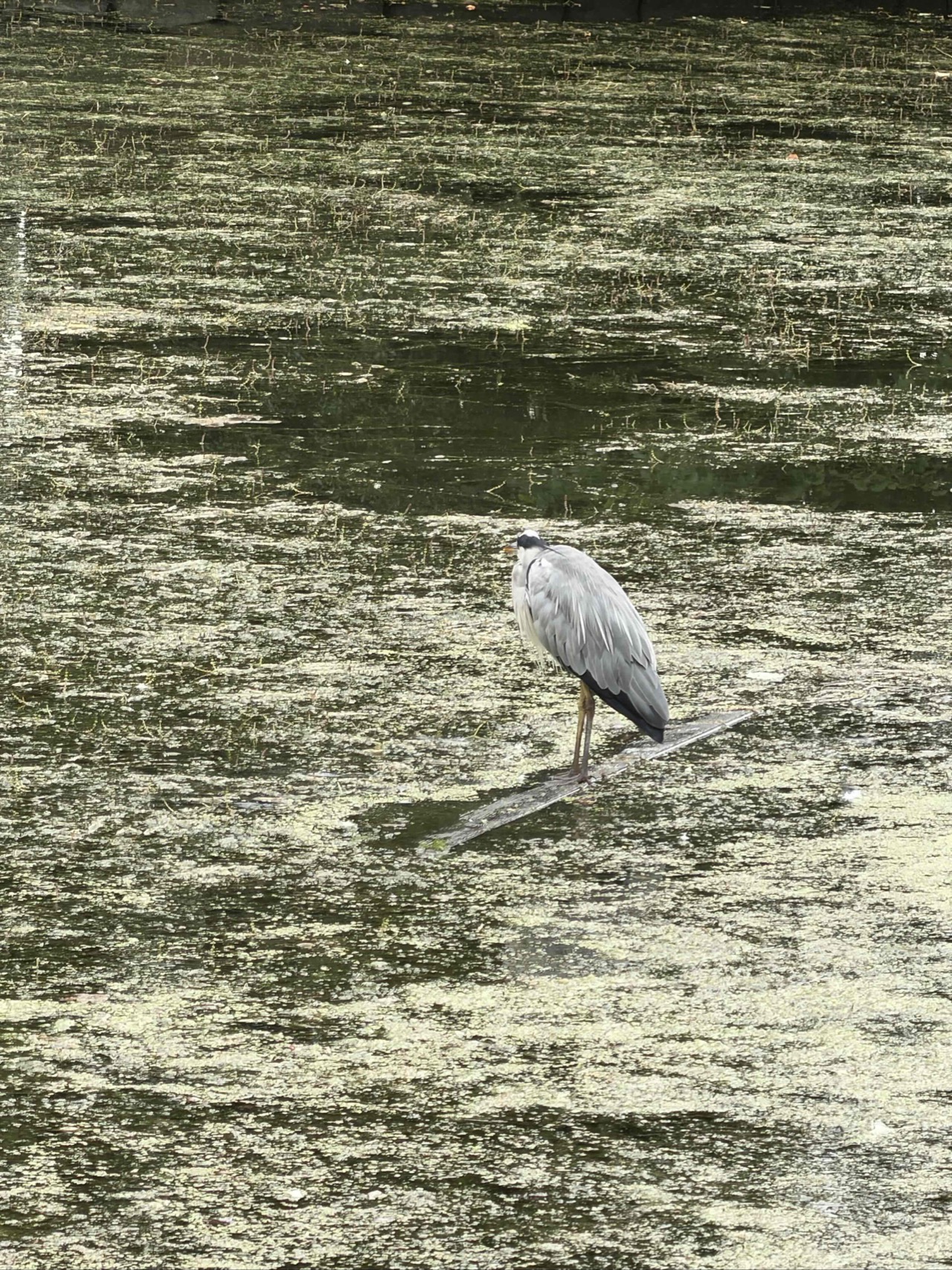
Next, we hopped on the train to the Imperial Palace Grounds, walking through the vast, immaculate gardens of what was once Edo Castle—the formidable seat of power for the Tokugawa Shogunate for over 250 years. The grounds are famous for their thousands of meticulously pruned Japanese black pine trees (kuromatsu), which are prized in Japanese culture as symbols of longevity and endurance due to their ability to withstand harsh coastal winds and salty air. One of my favorite features of the East Gardens is the Grove of Prefectural Trees, which showcases native trees representing all 47 Japanese prefectures. Naturally, I had to stop and capture a photo of the tree representing Aichi Prefecture, bringing back wonderful memories of my time living there as an exchange student back in 1982.
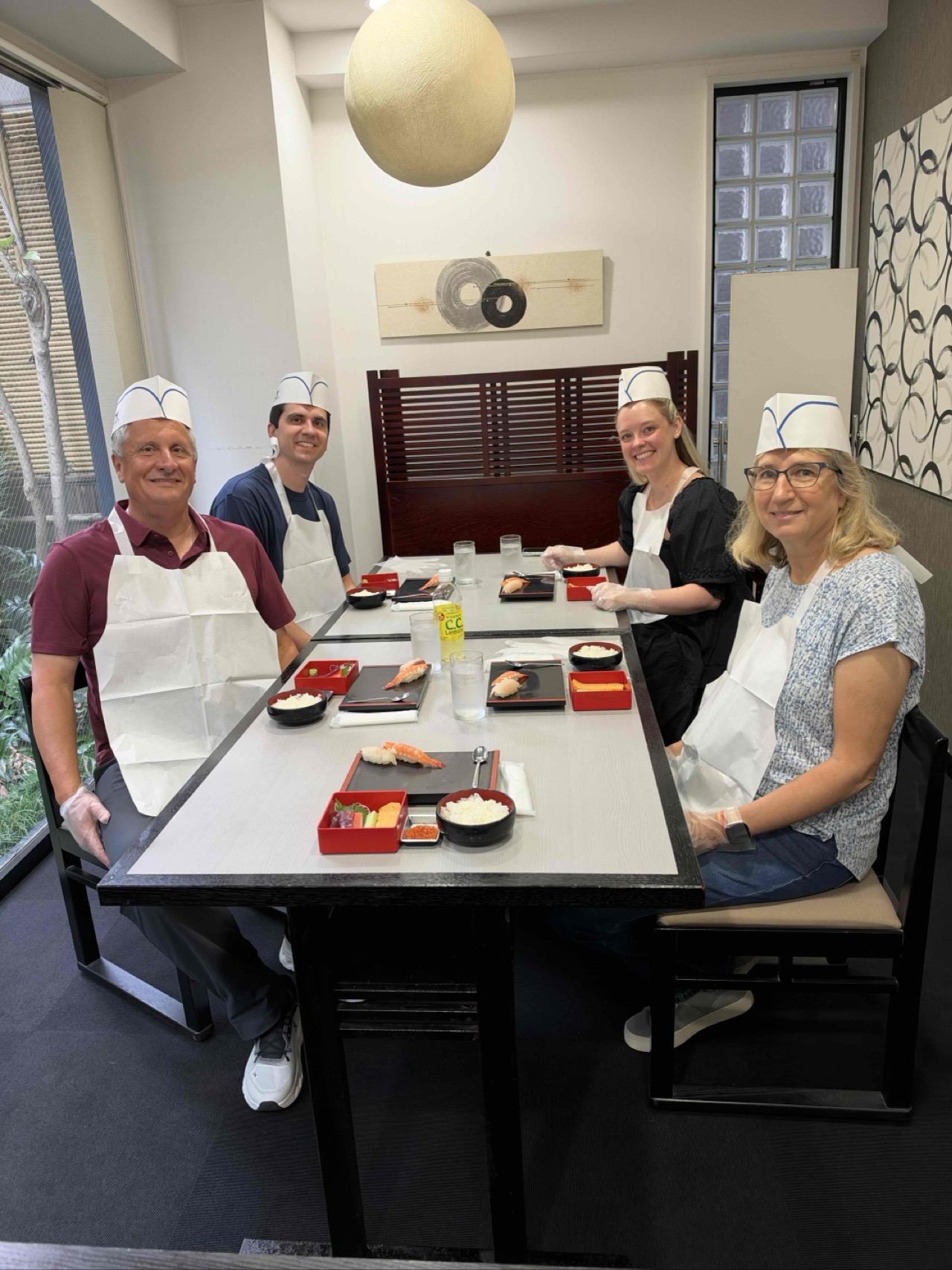
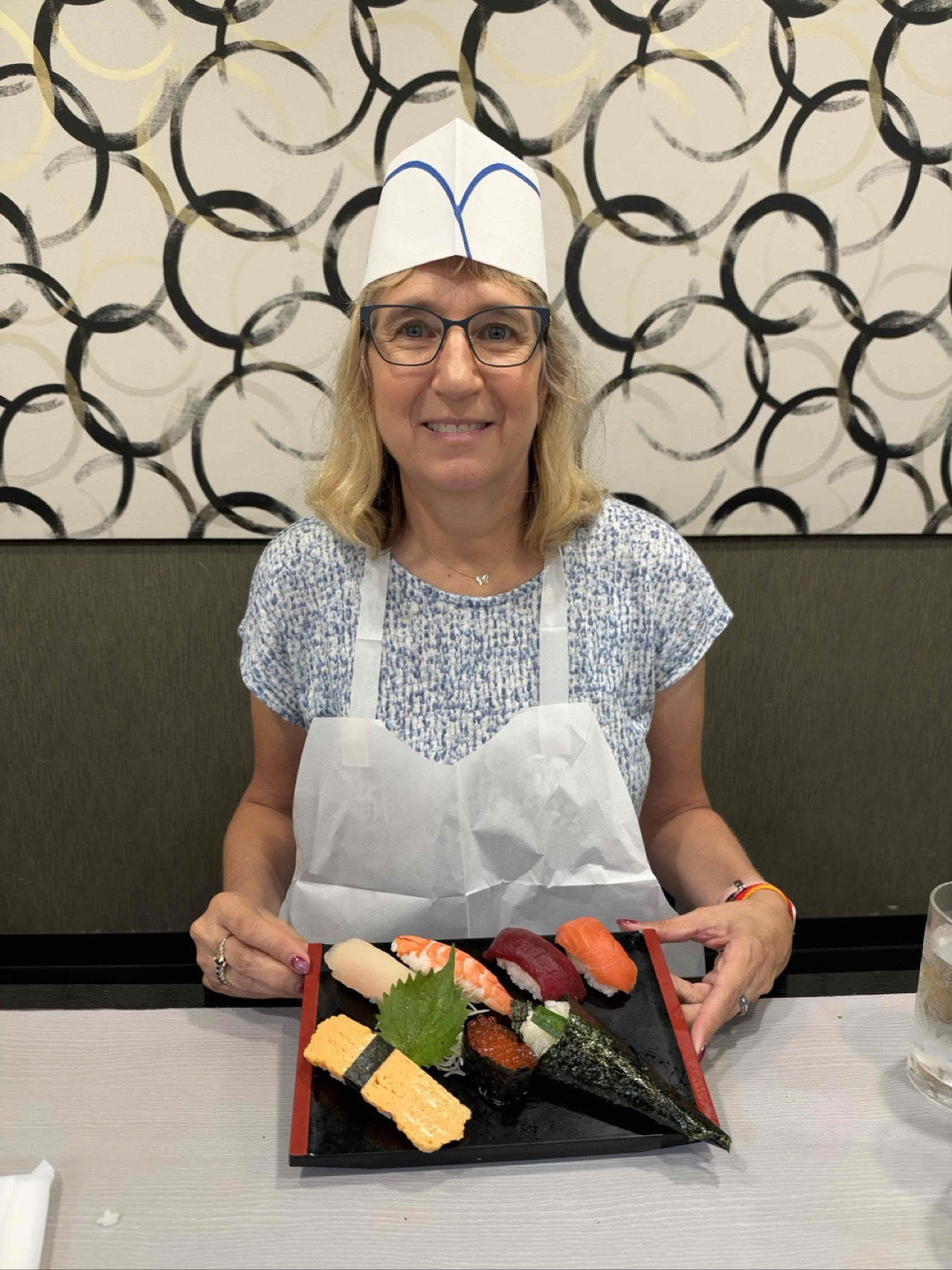
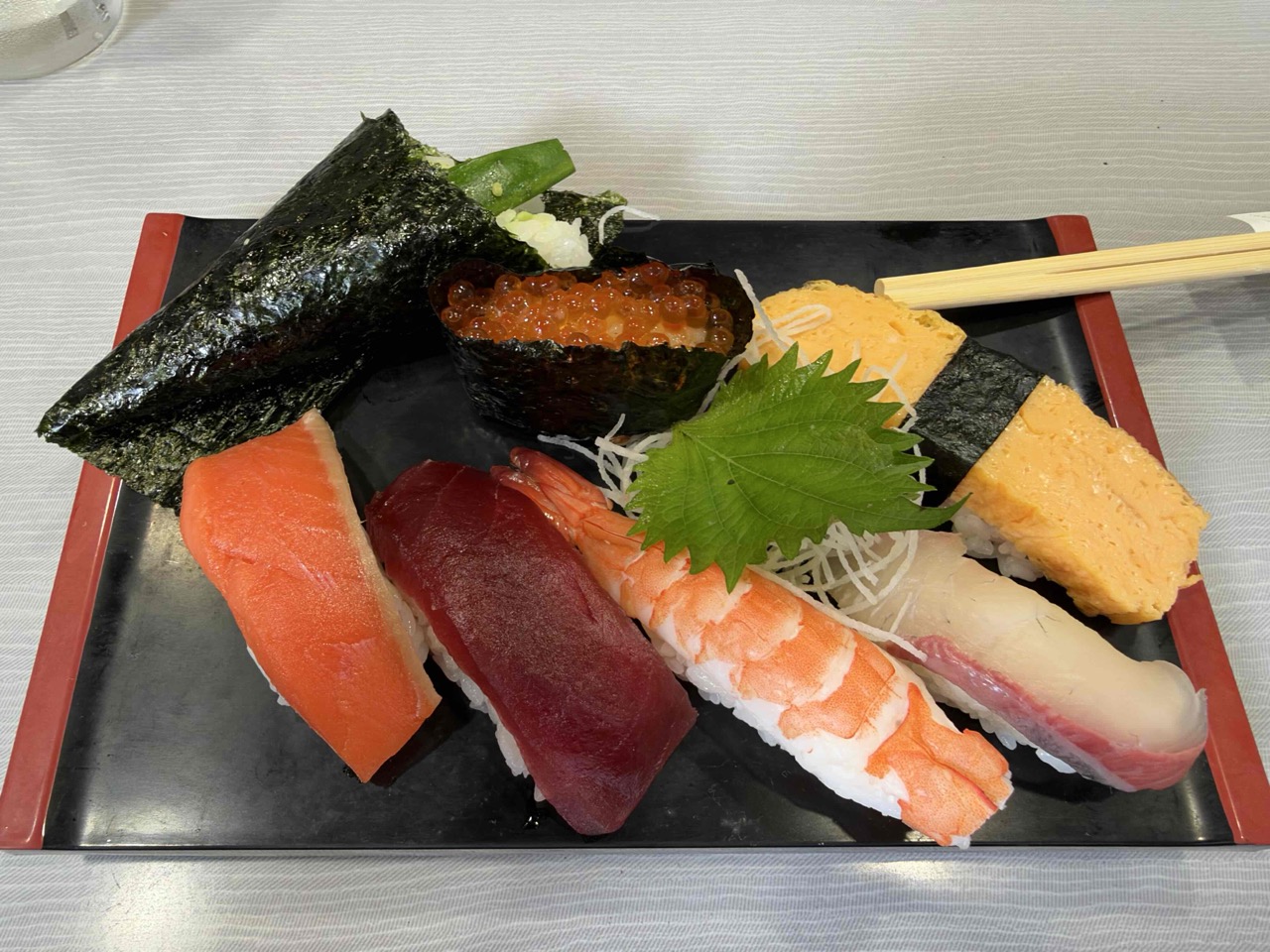
Our midday break gave us a hands-on culinary challenge: learning the art of sushi making! Everything turned out delicious, and we had an absolute blast interacting with our sensei. To cap off a fantastic experience, each of us was officially awarded a course completion certificate to take home.
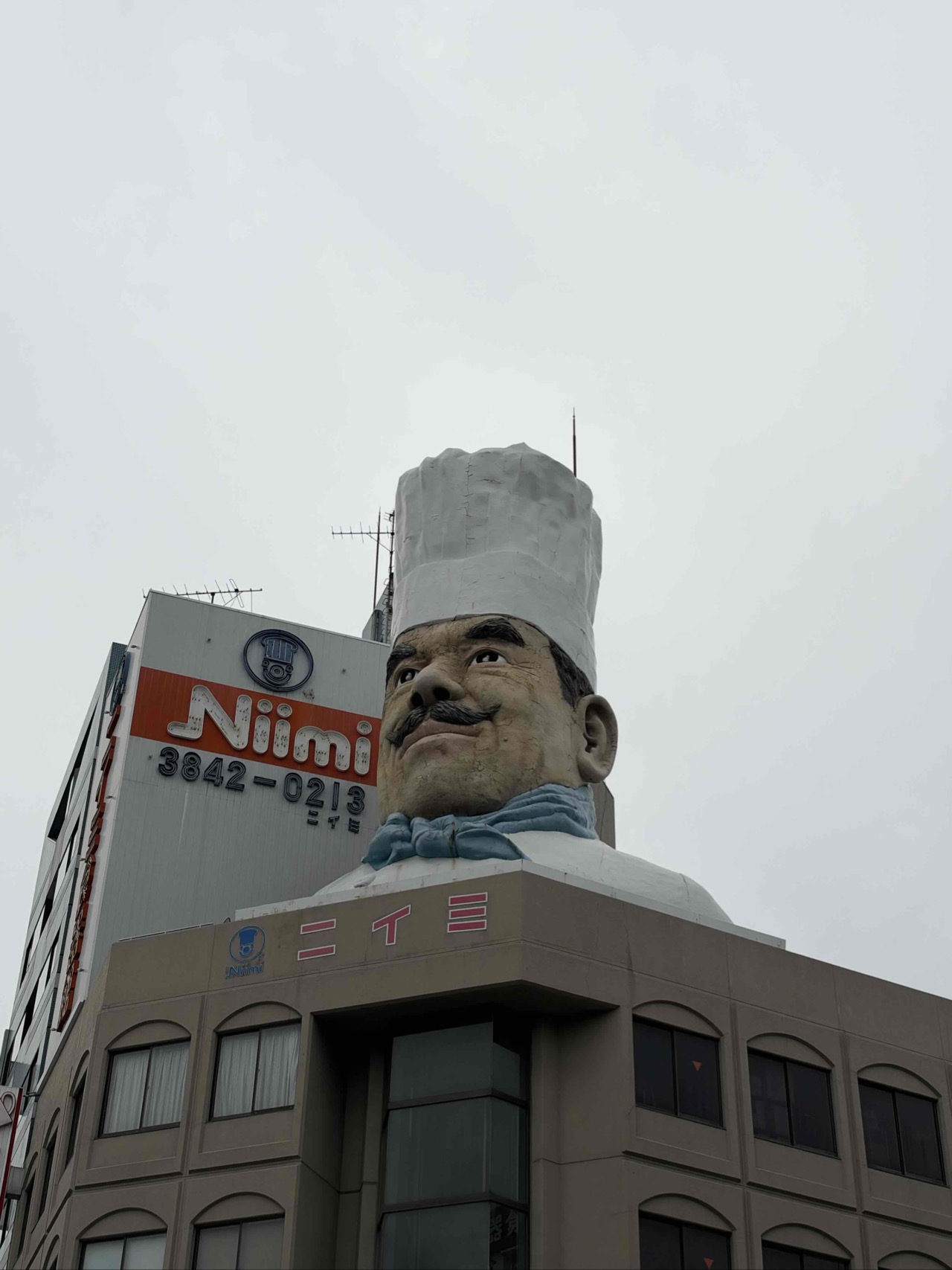
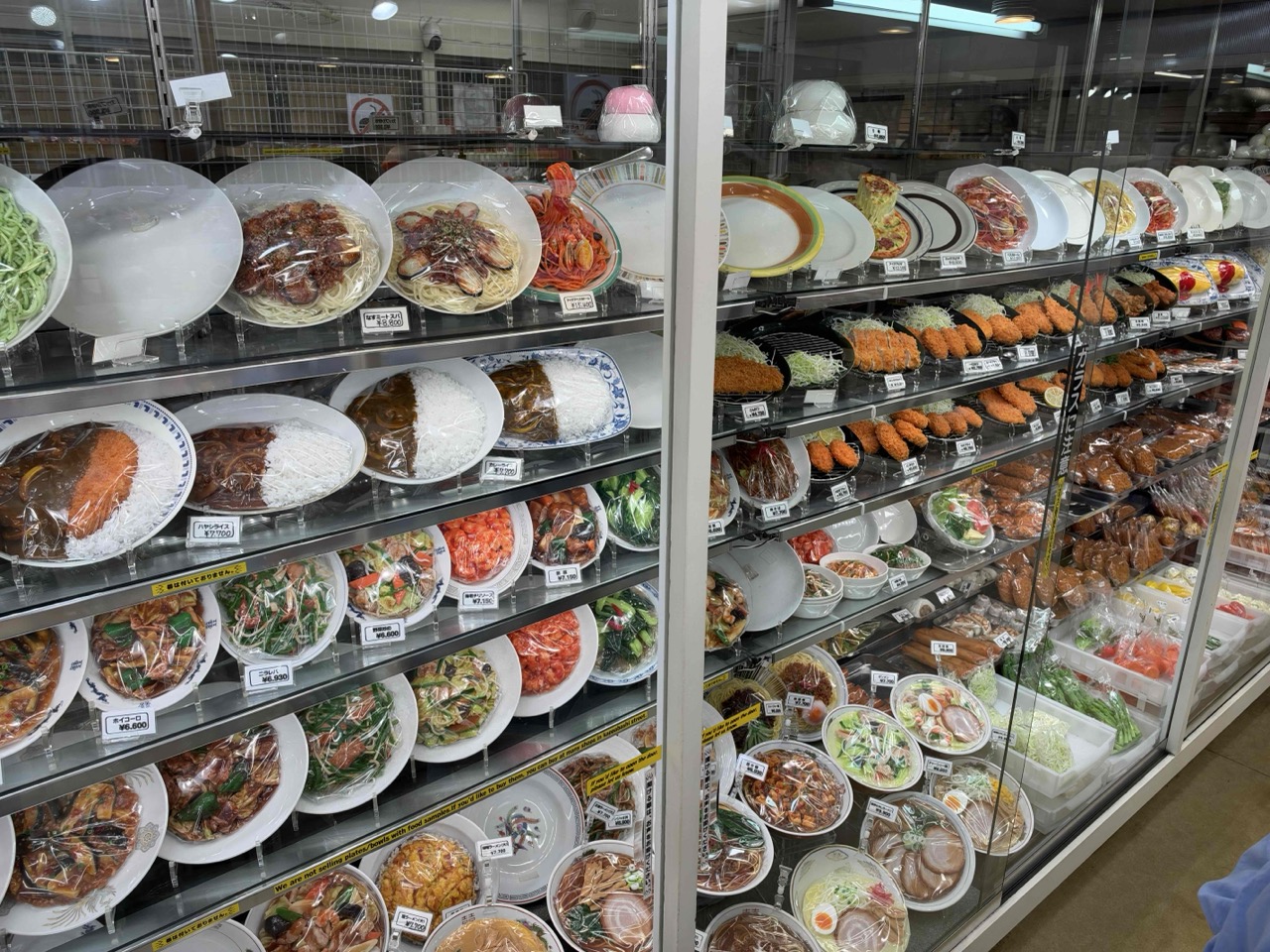
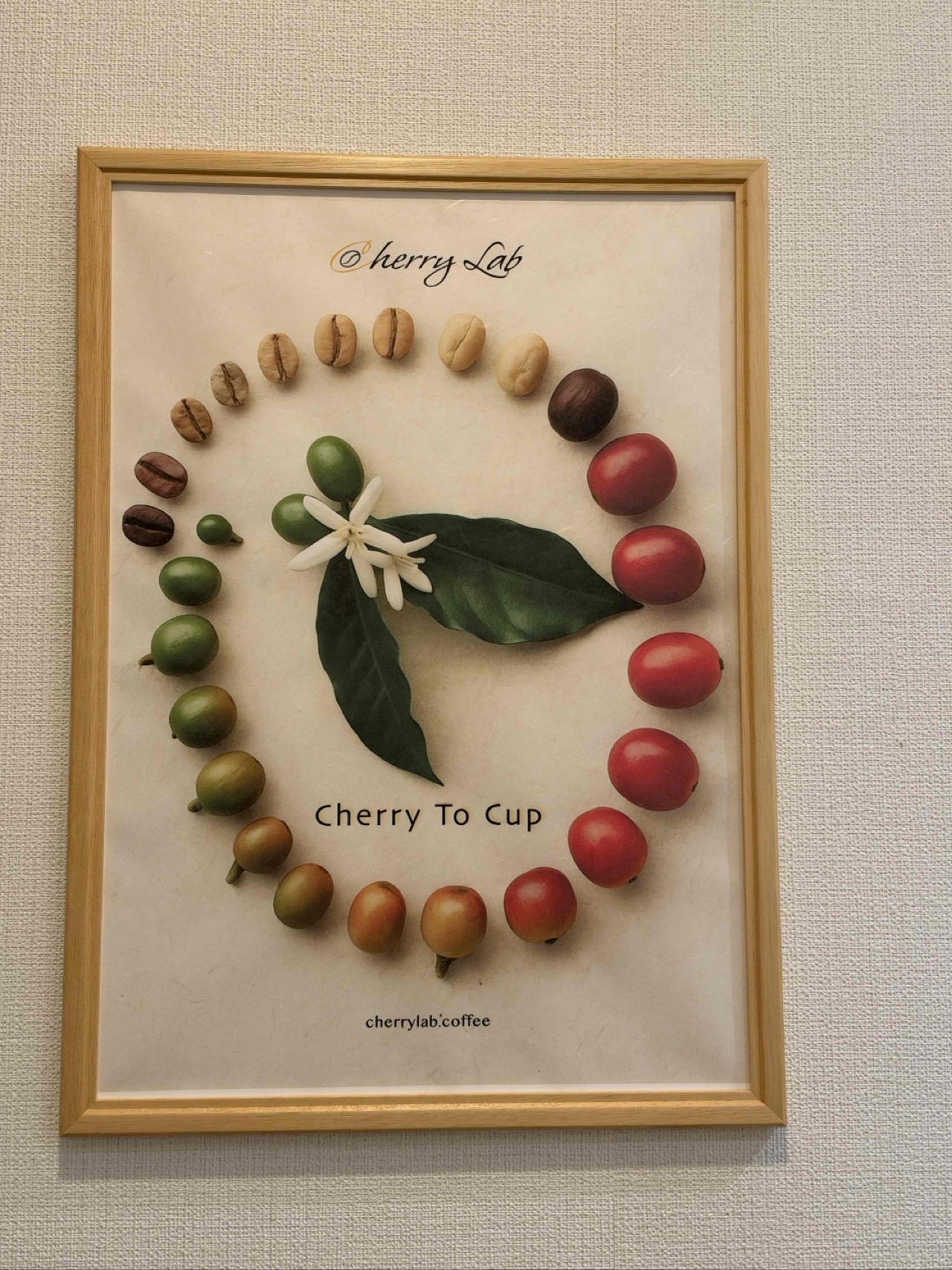
Feeling recharged, we did some kitchenware and knife shopping along Kappabashi Street (Chef Street), then popped into Cherry Lab for a quick coffee break. They had a notice posted listing the shop as a "quiet zone." Now, my voice carries a bit—so when a few patrons got up and walked out shortly after we sat down, I couldn’t help but wonder if they had just finished their drinks, or if my natural volume cleared the room!
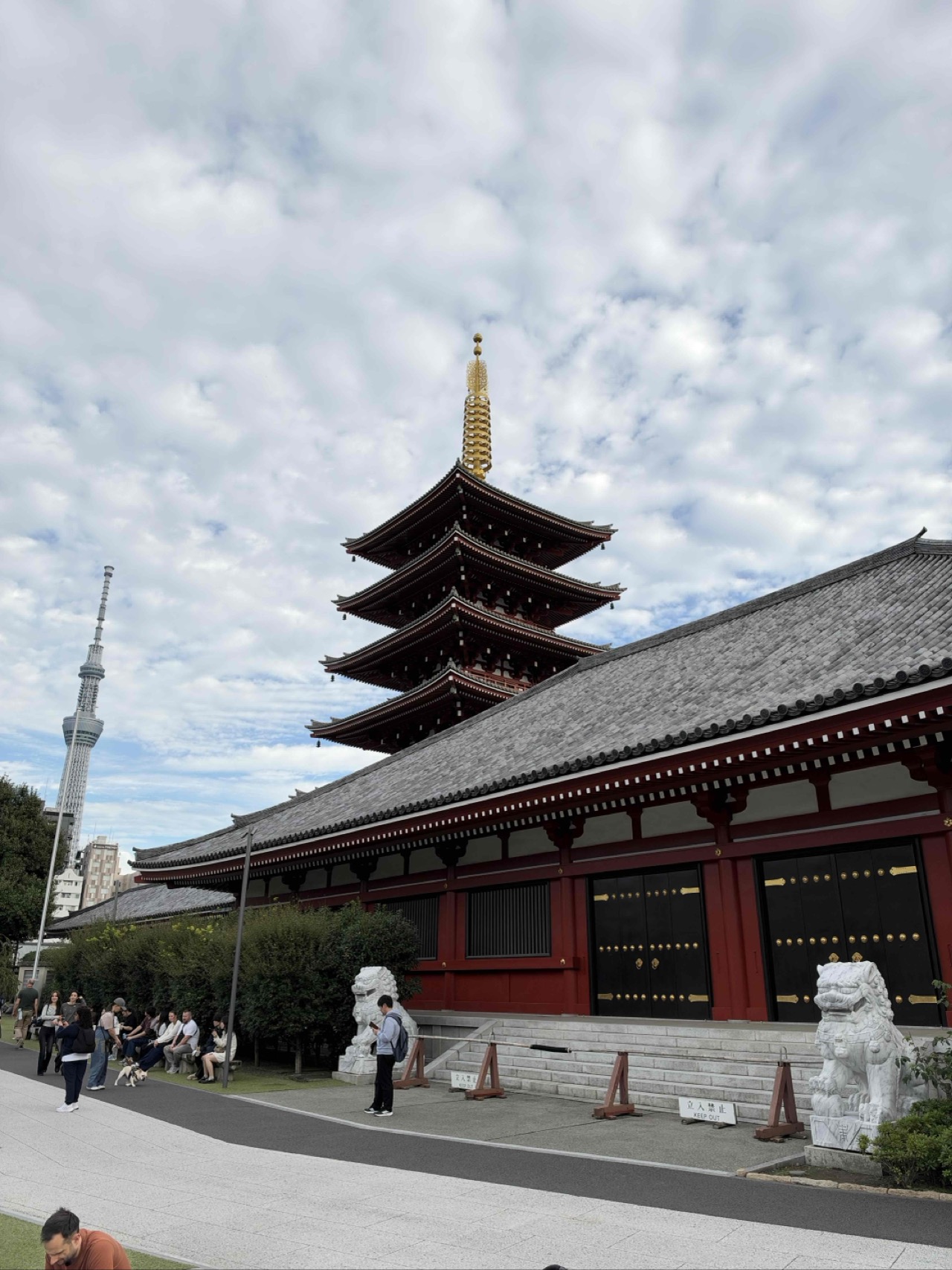
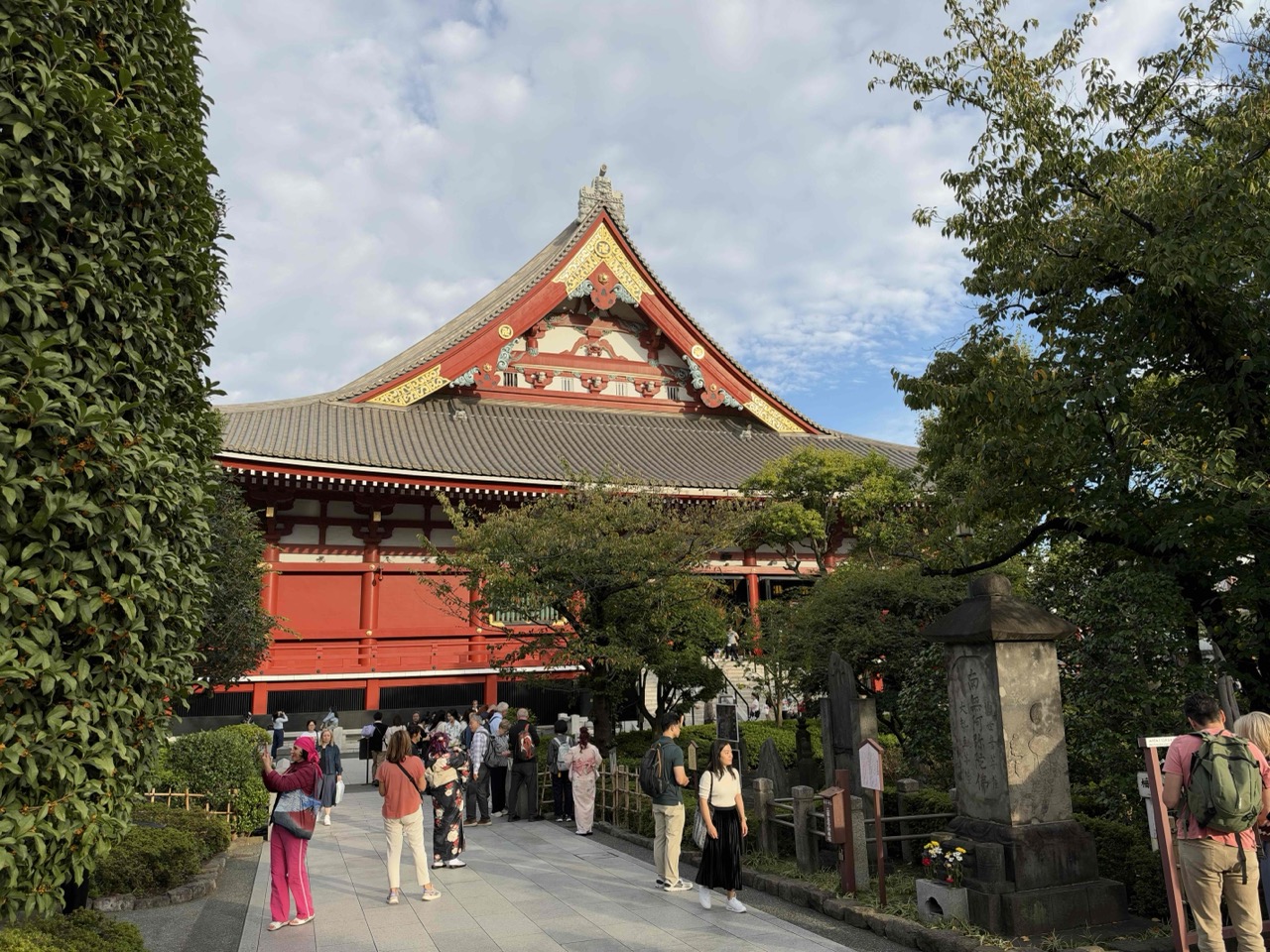
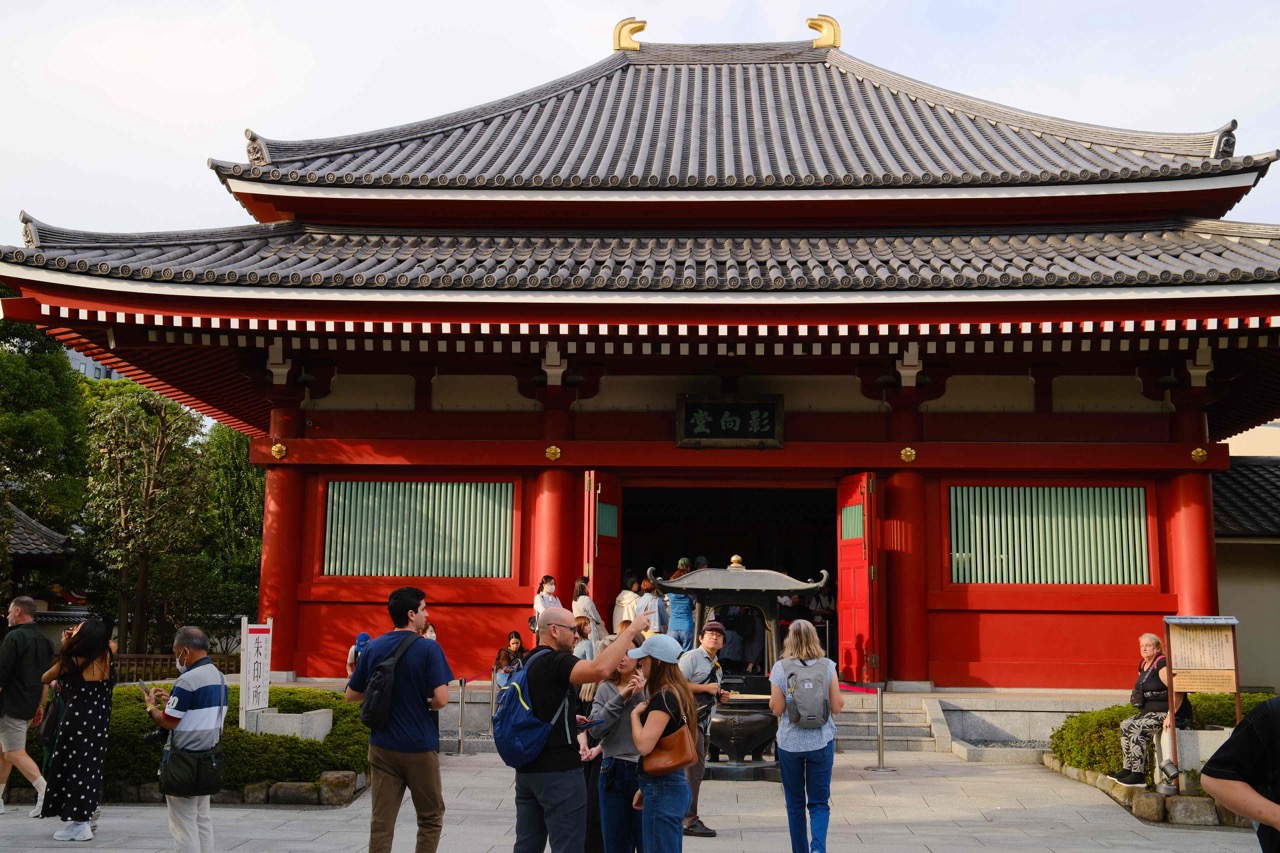
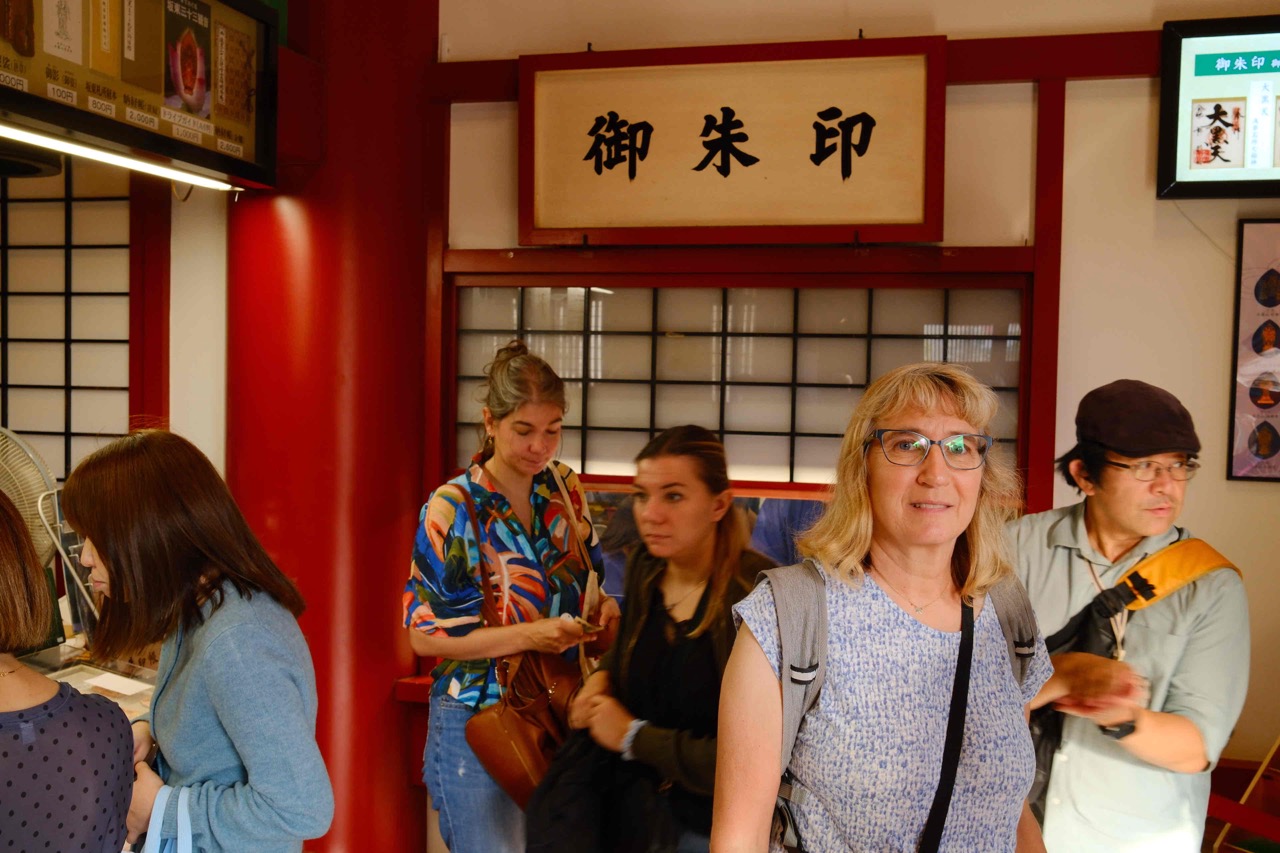
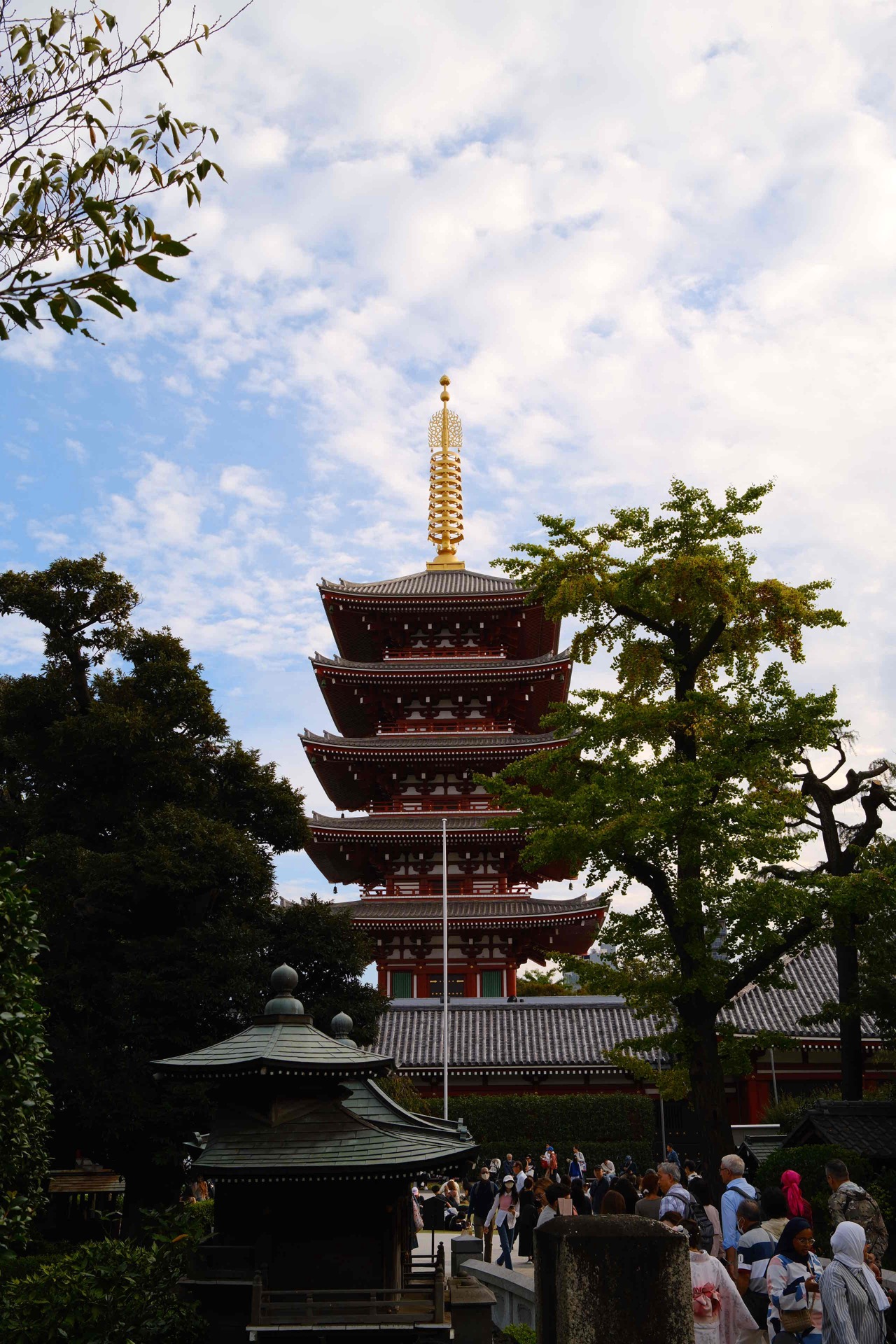
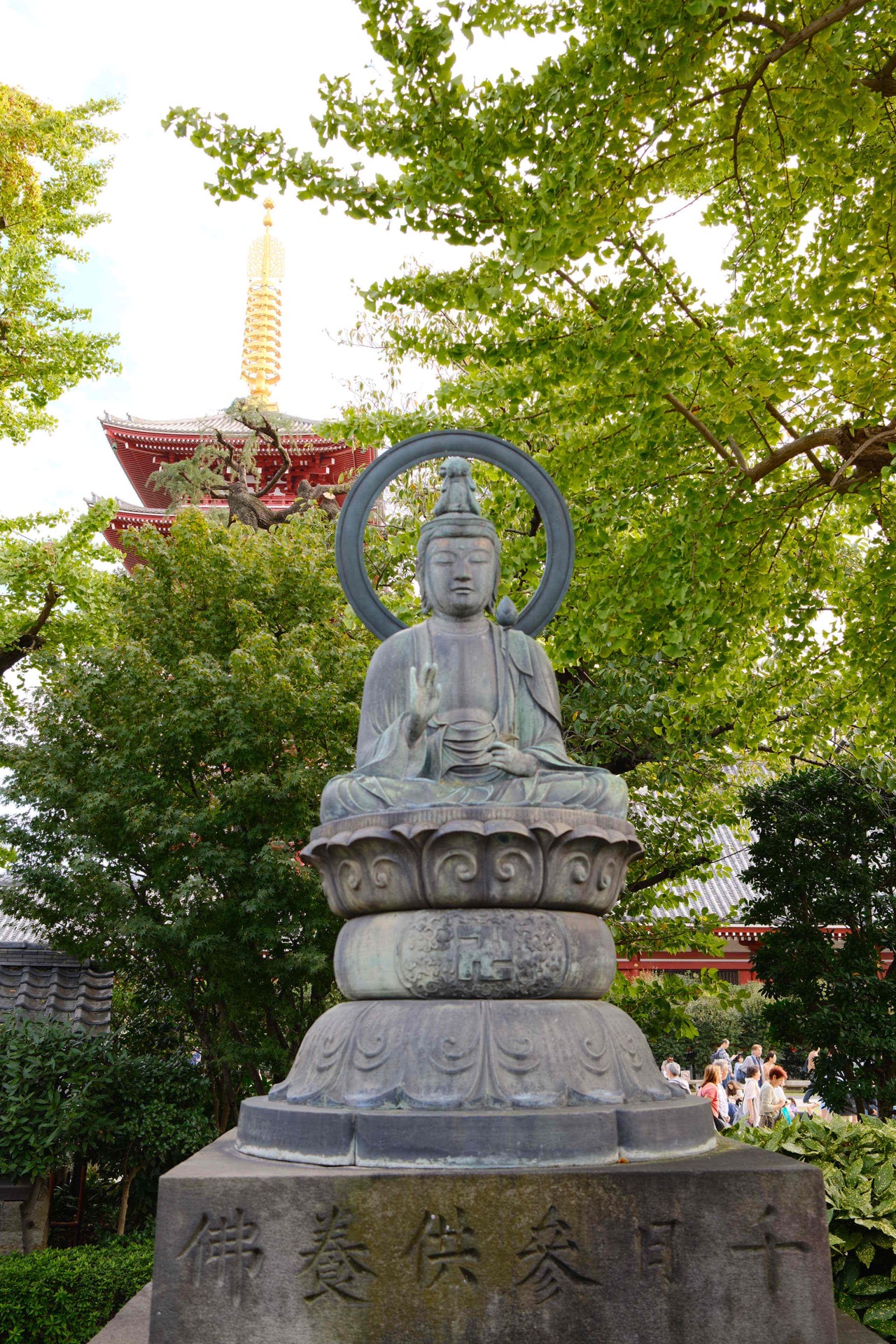
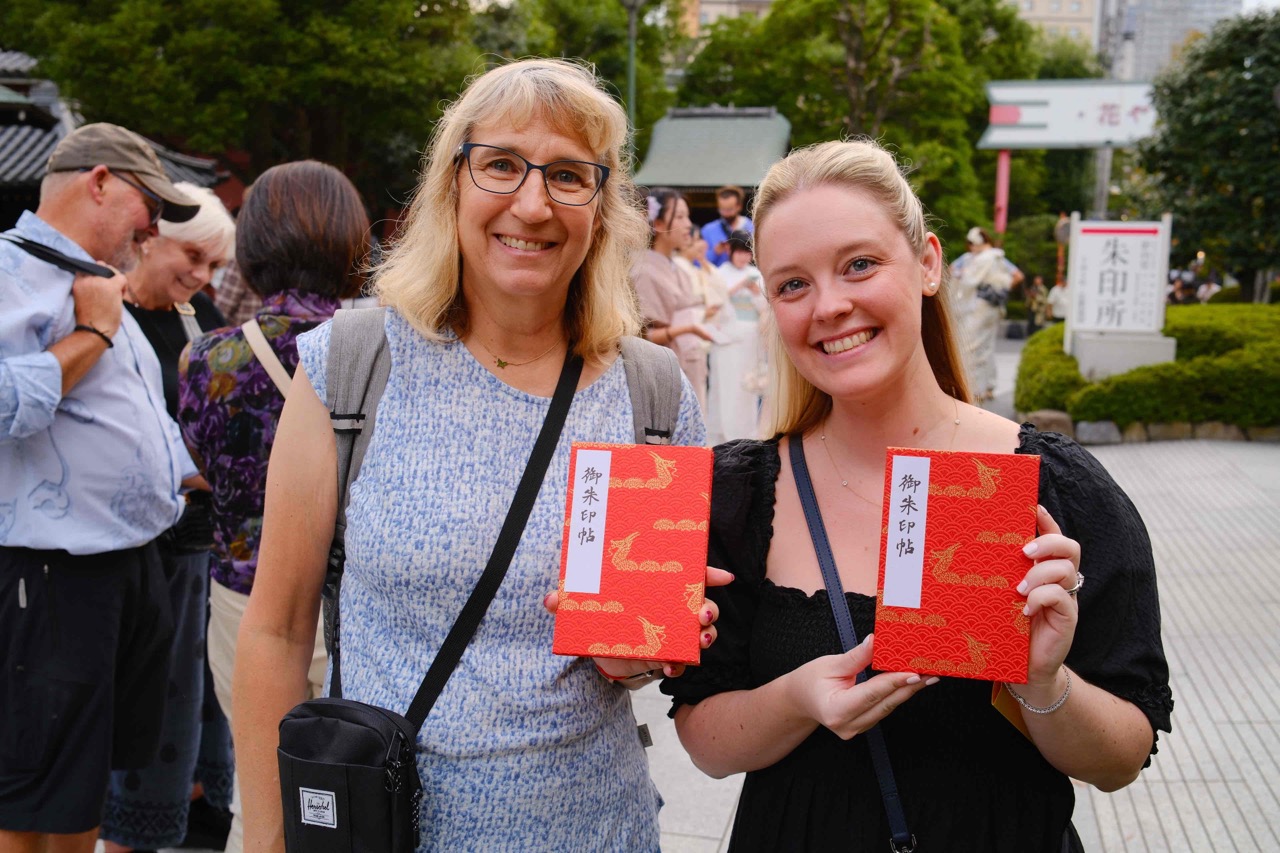
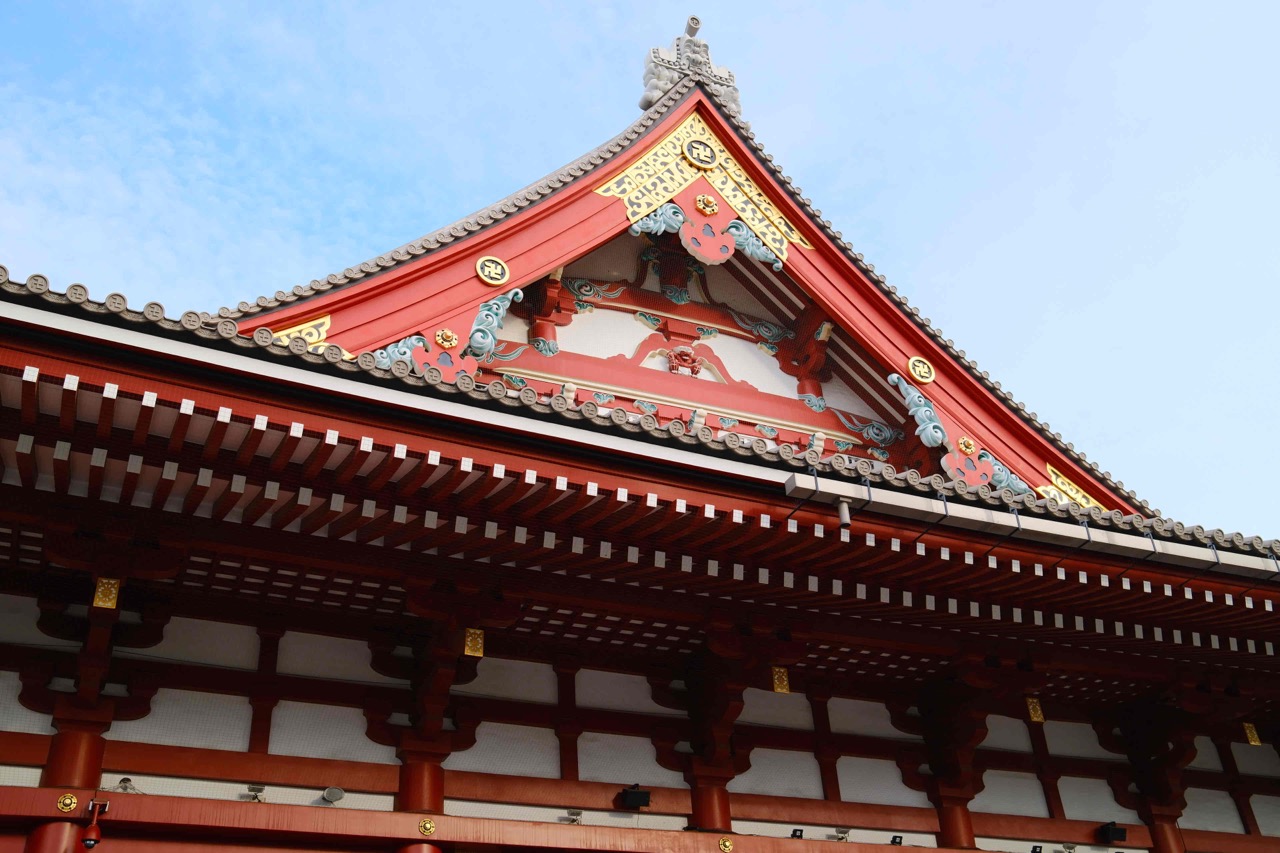
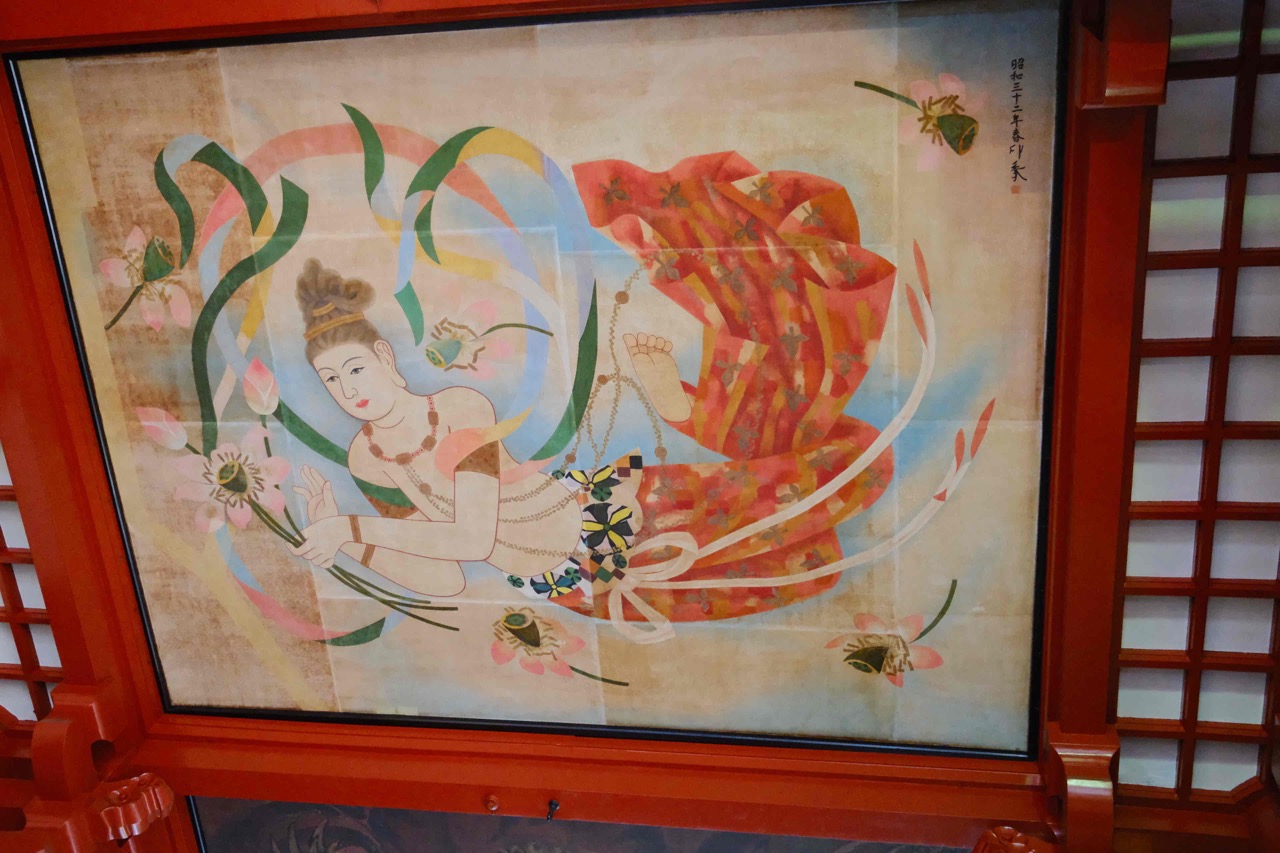
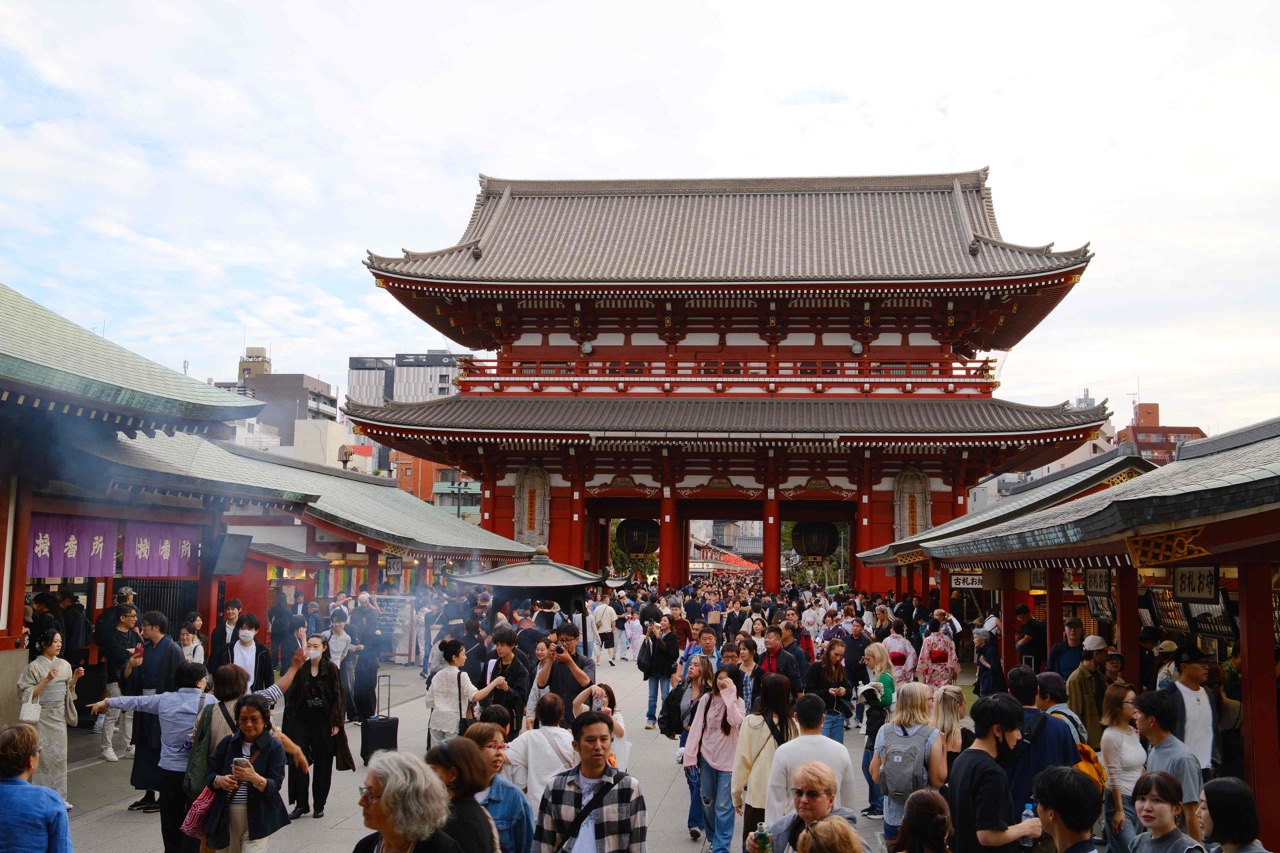
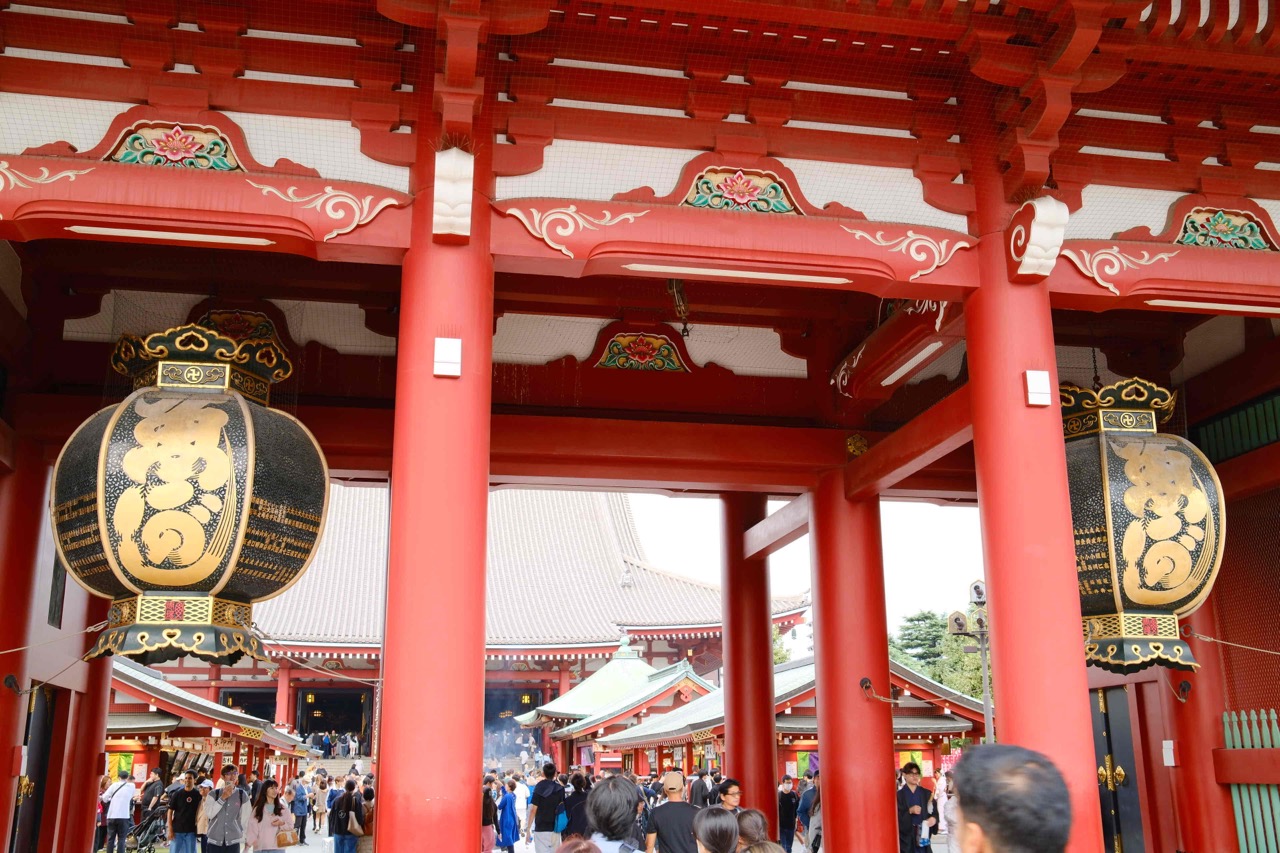
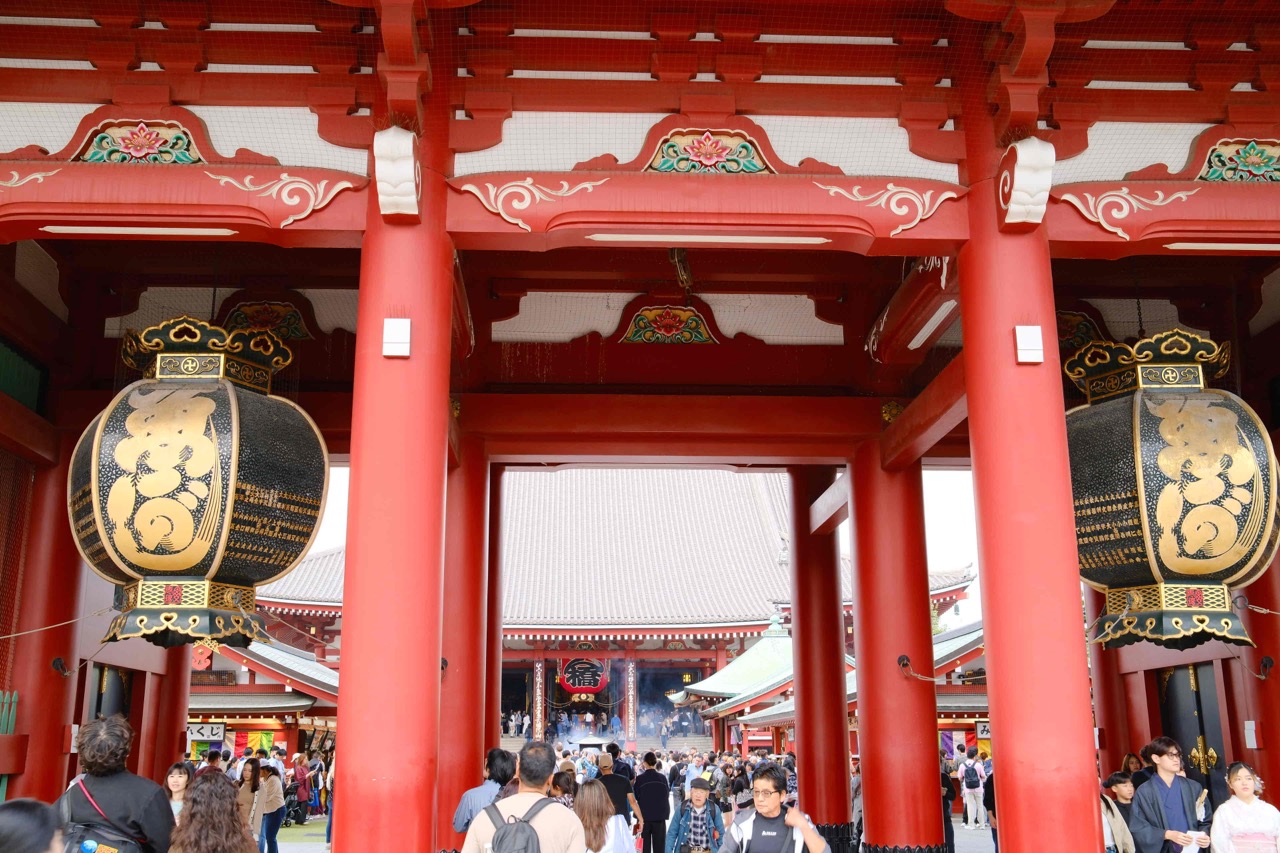
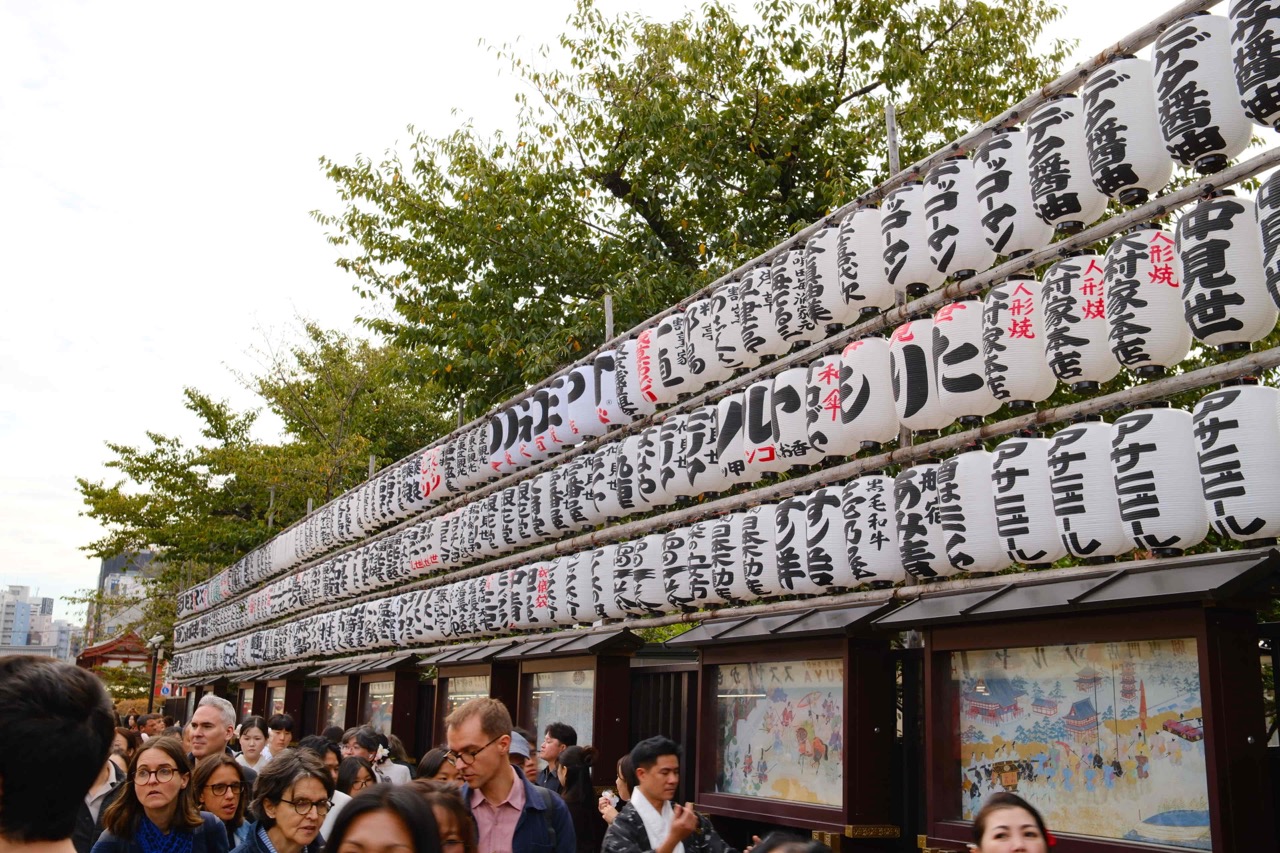
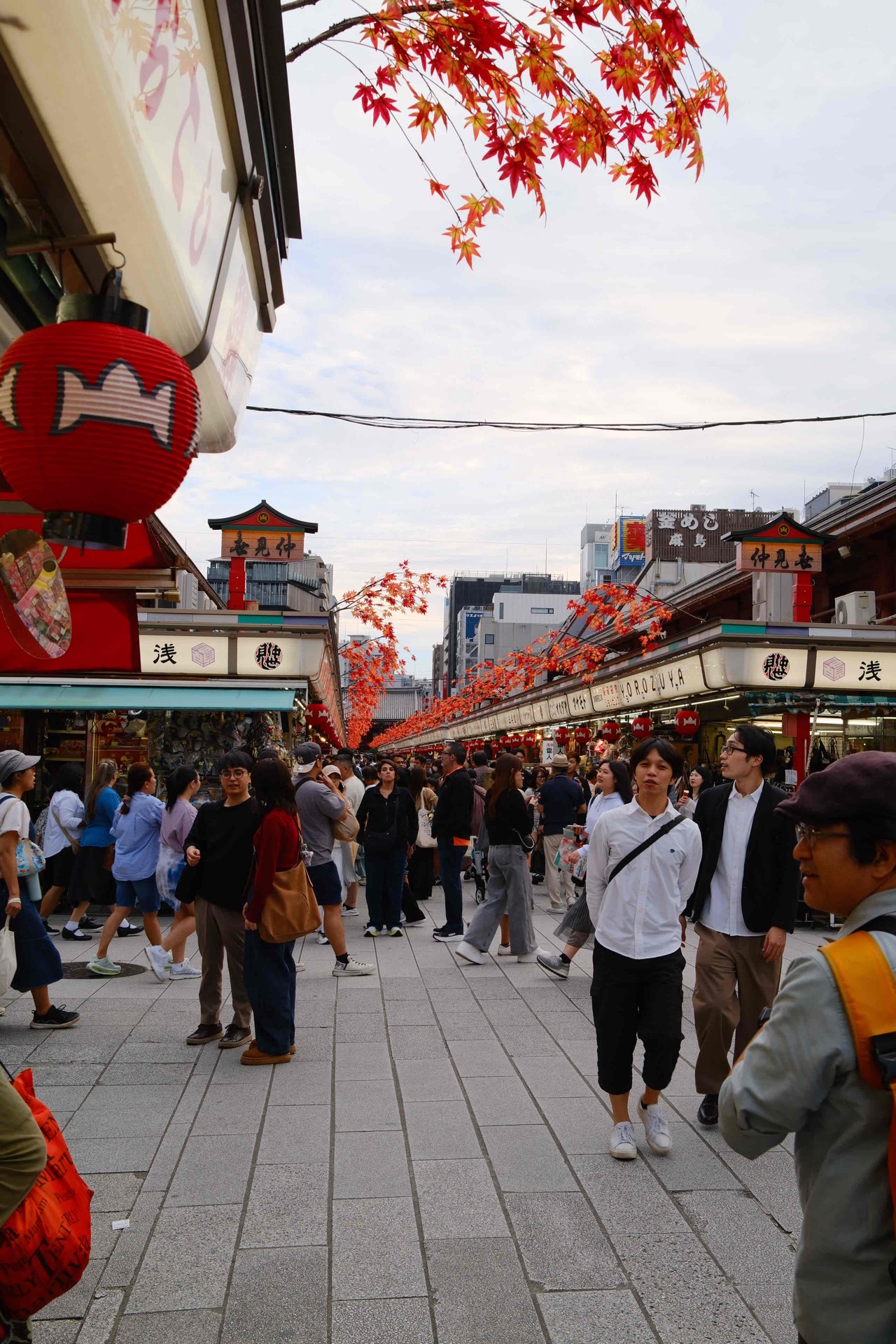
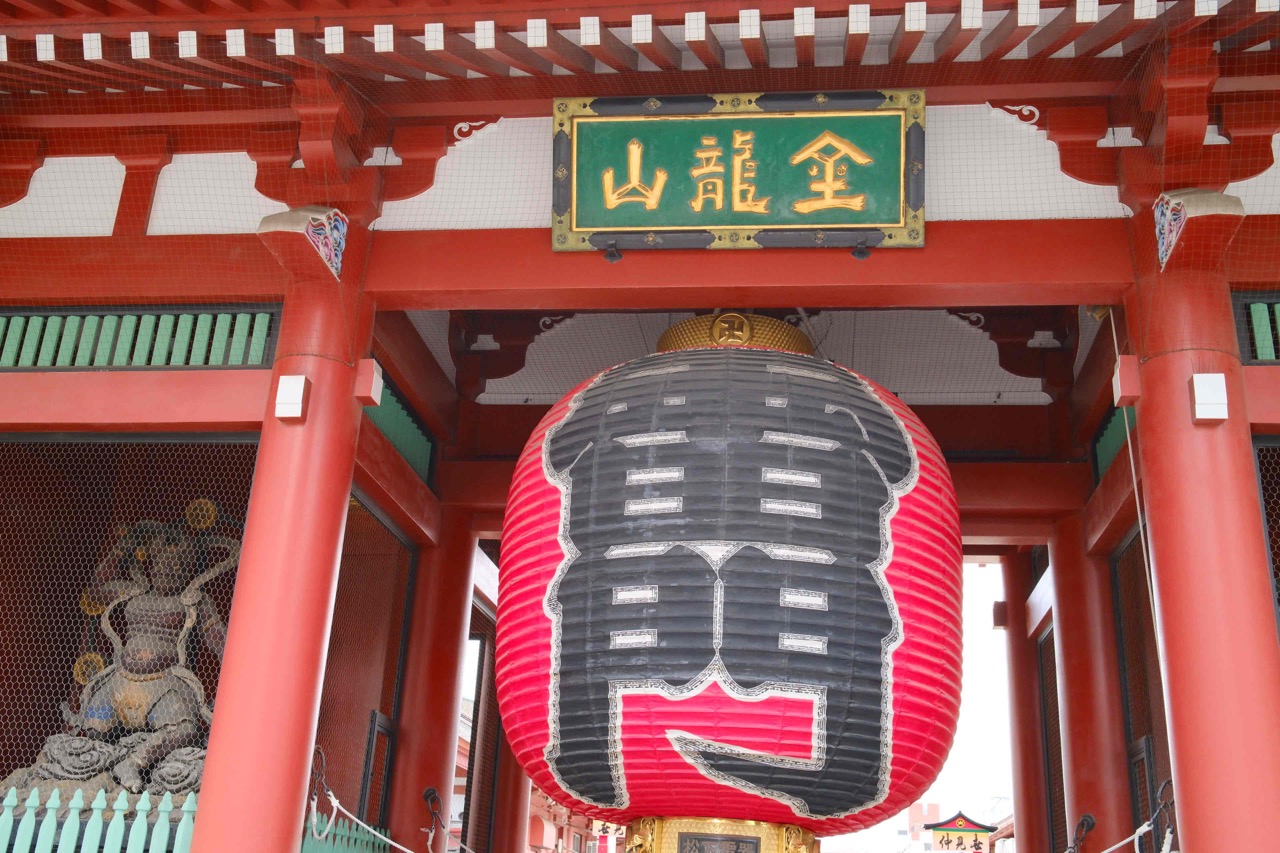
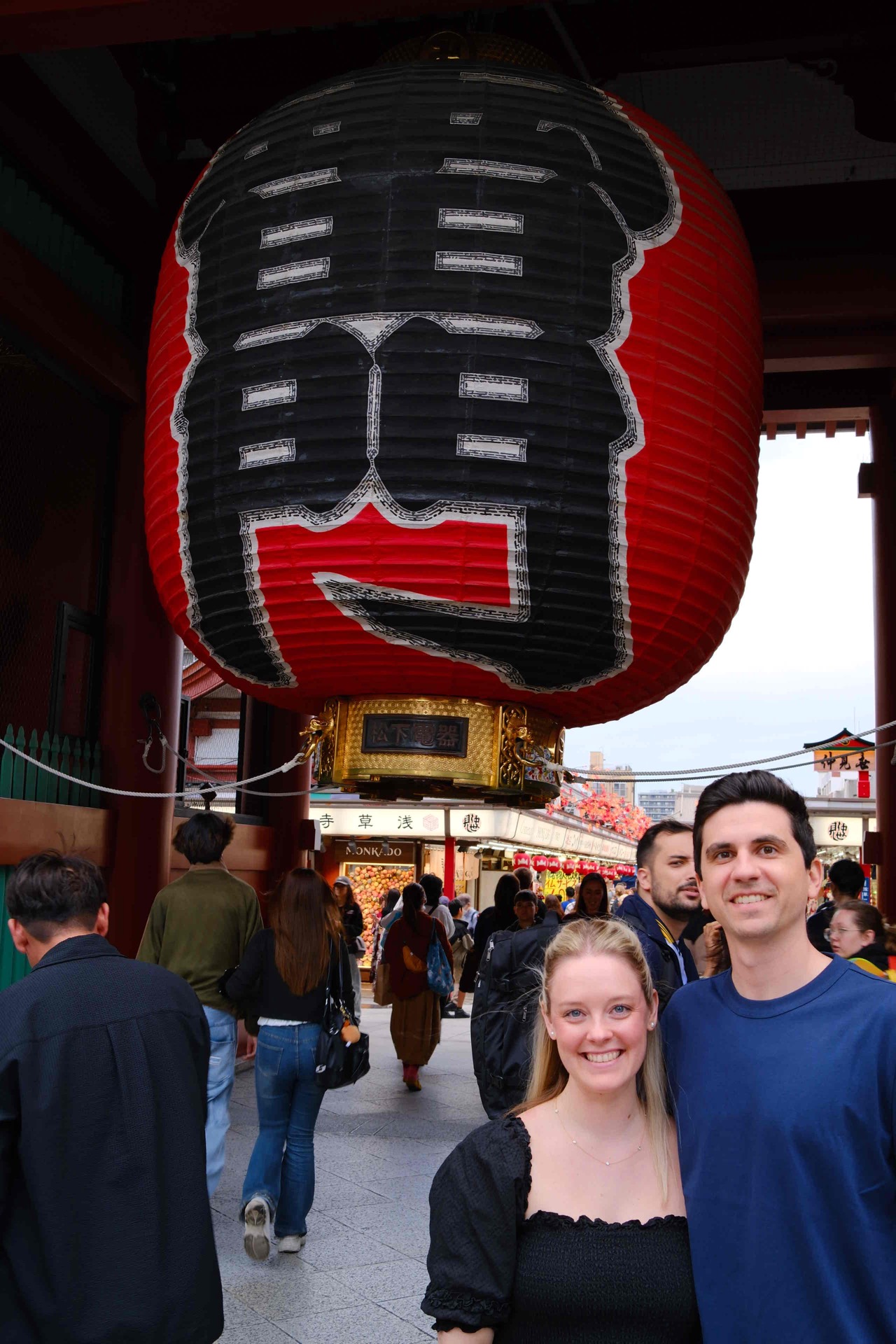
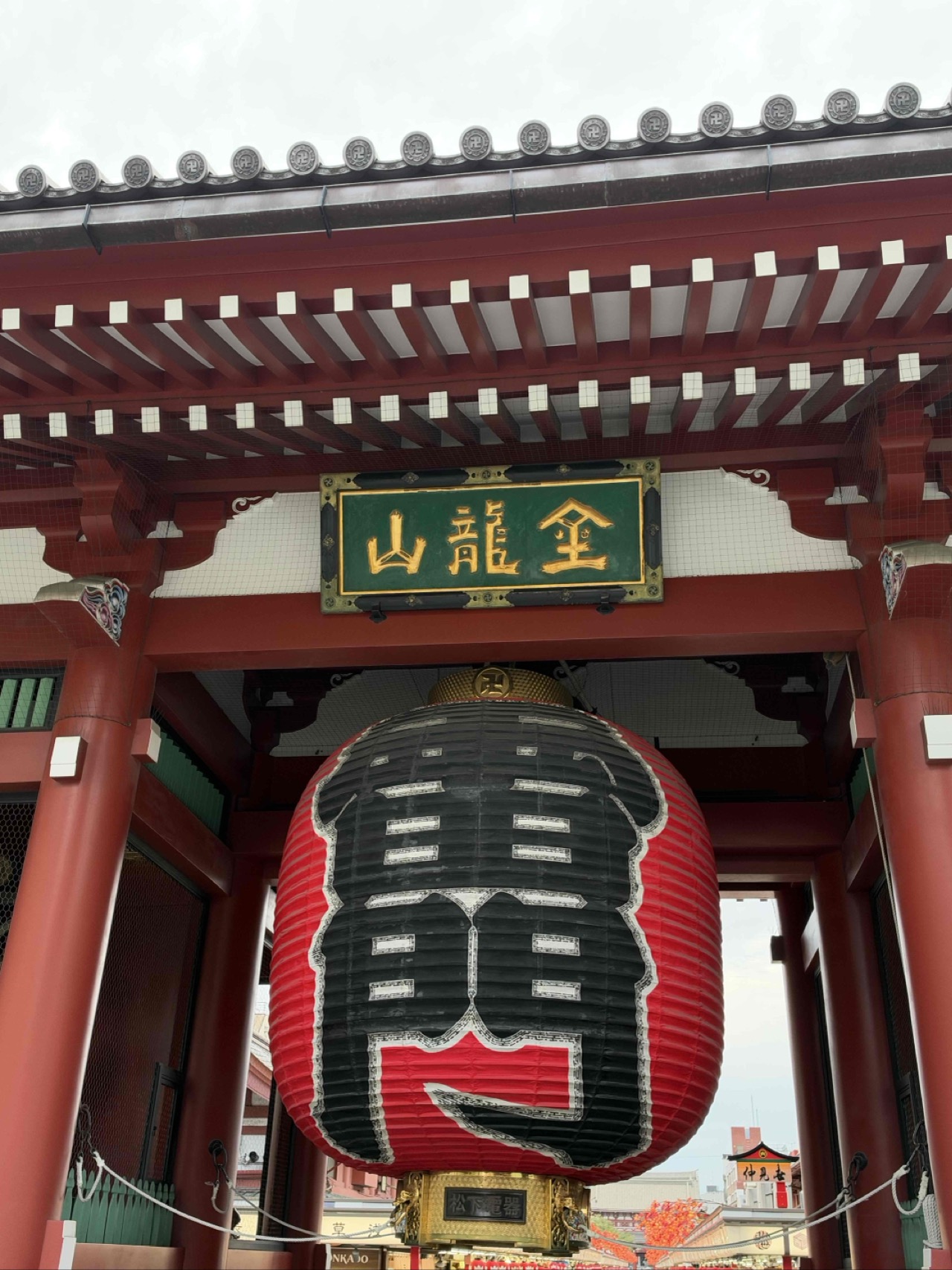
From there, we headed to the vibrant district of Asakusa to explore its legendary grounds. While many people visit the area for Senso-ji Temple—Tokyo’s oldest temple, founded in 628 AD, whose dramatic Five-Story Pagoda represents the five physical elements of Buddhist cosmology (Earth, Water, Fire, Wind, and Sky)—the complex also houses the adjacent Asakusa Shrine, which honors the three fishermen who originally pulled the sacred statue of Kannon out of the Sumida River. Susan and Jordan picked up a goshuincho (a traditional temple and shrine stamp book) right here to start collecting hand-calligraphed red ink stamps at every historic stop along our journey.
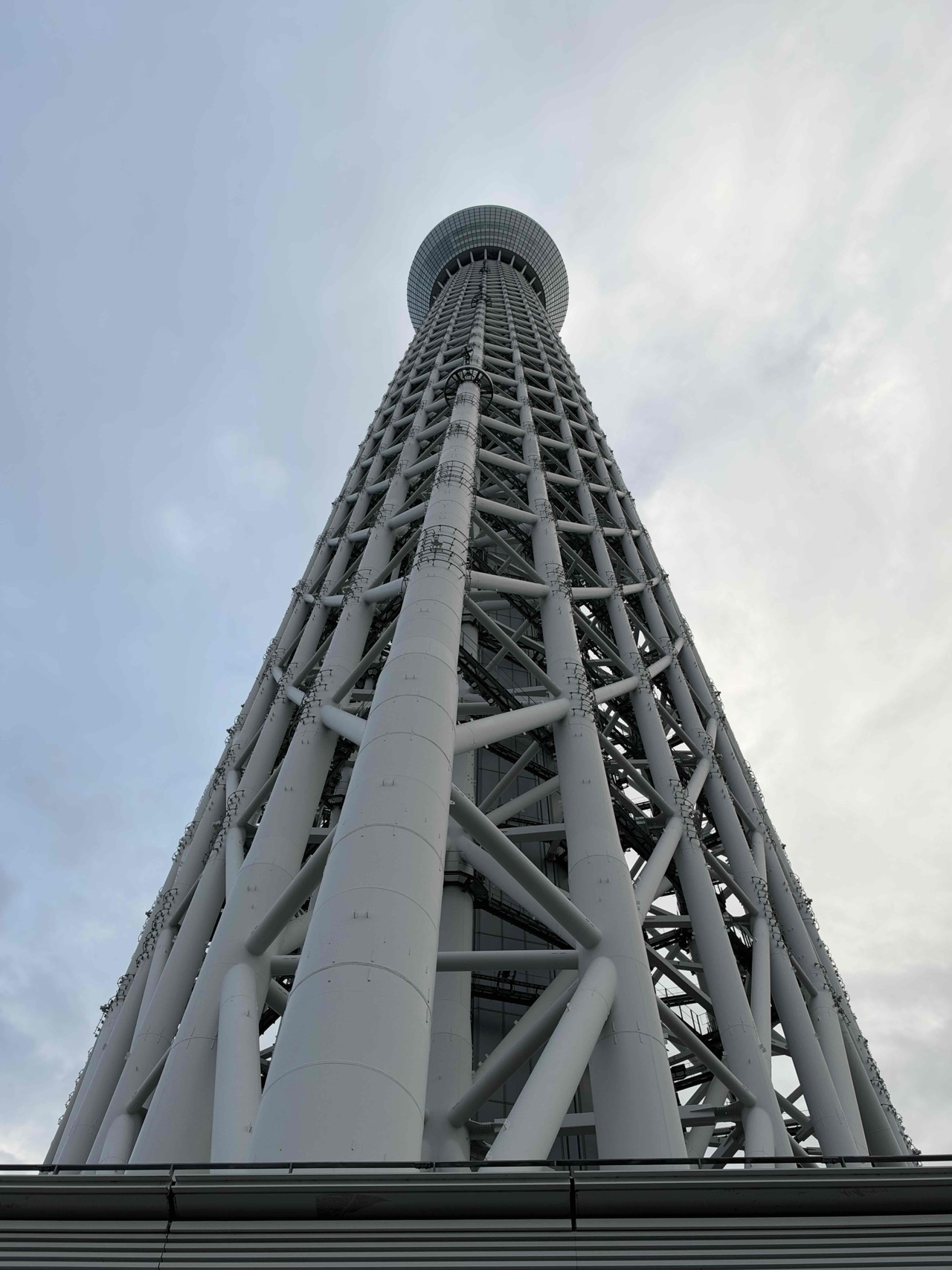
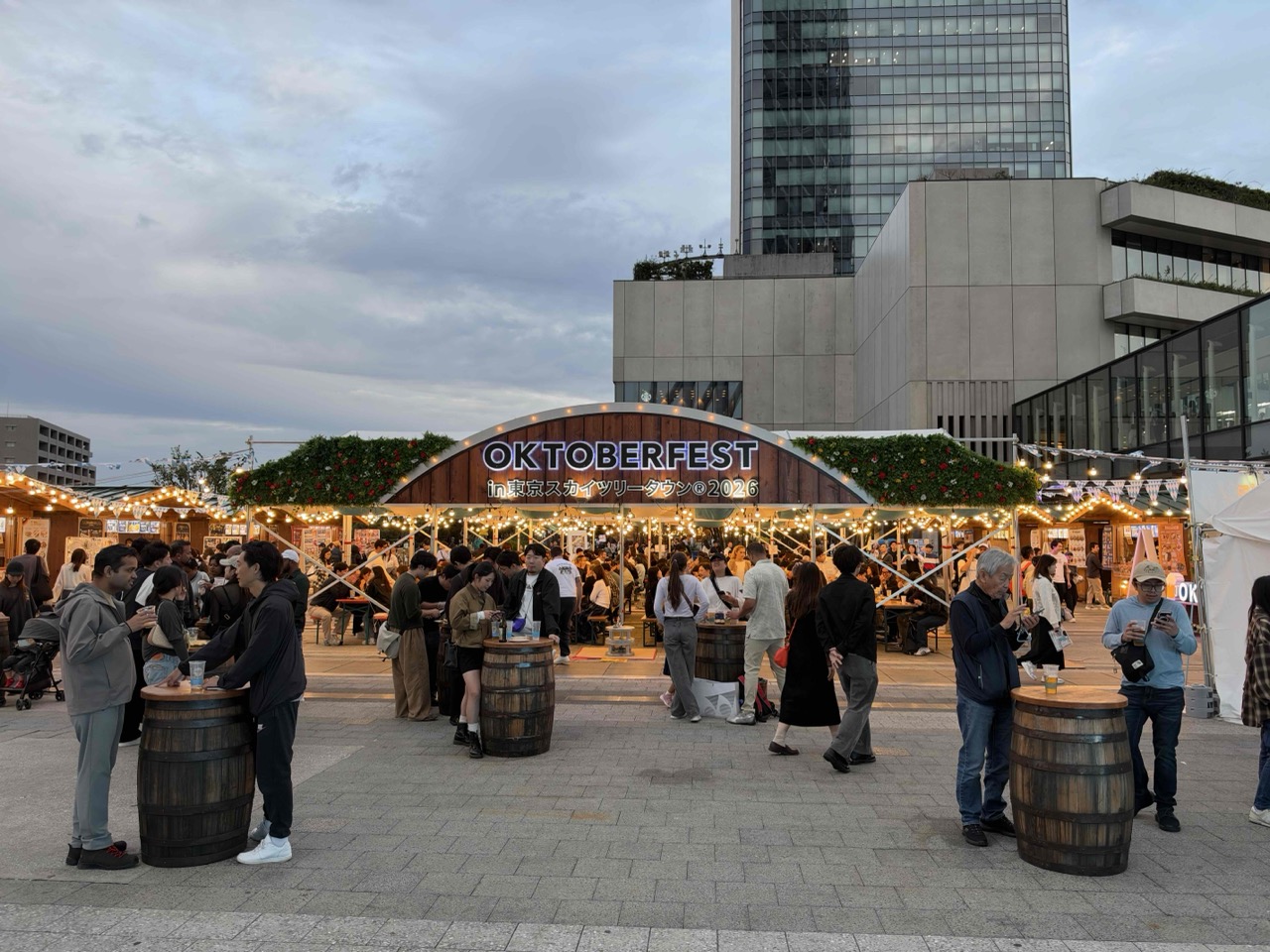
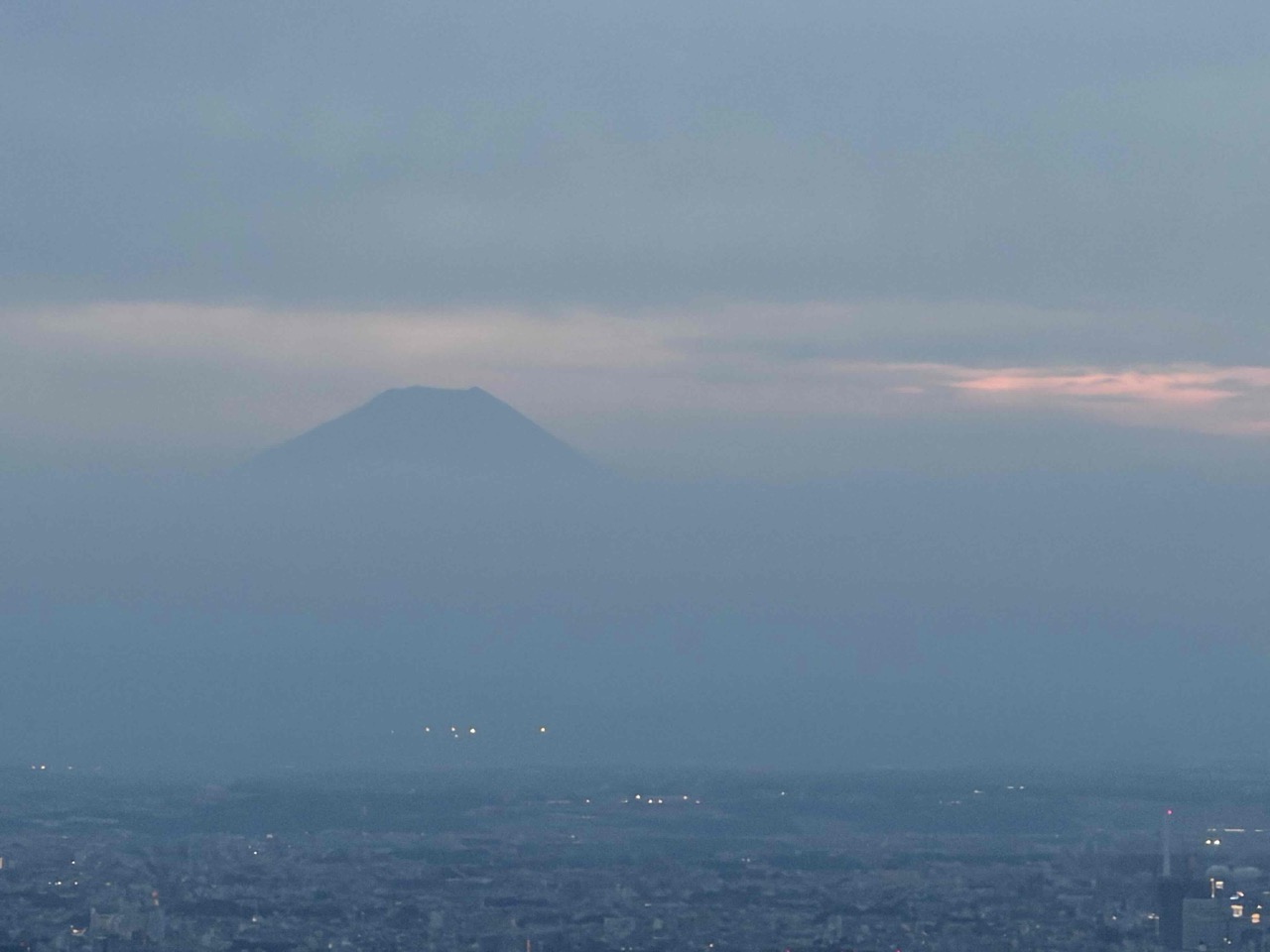
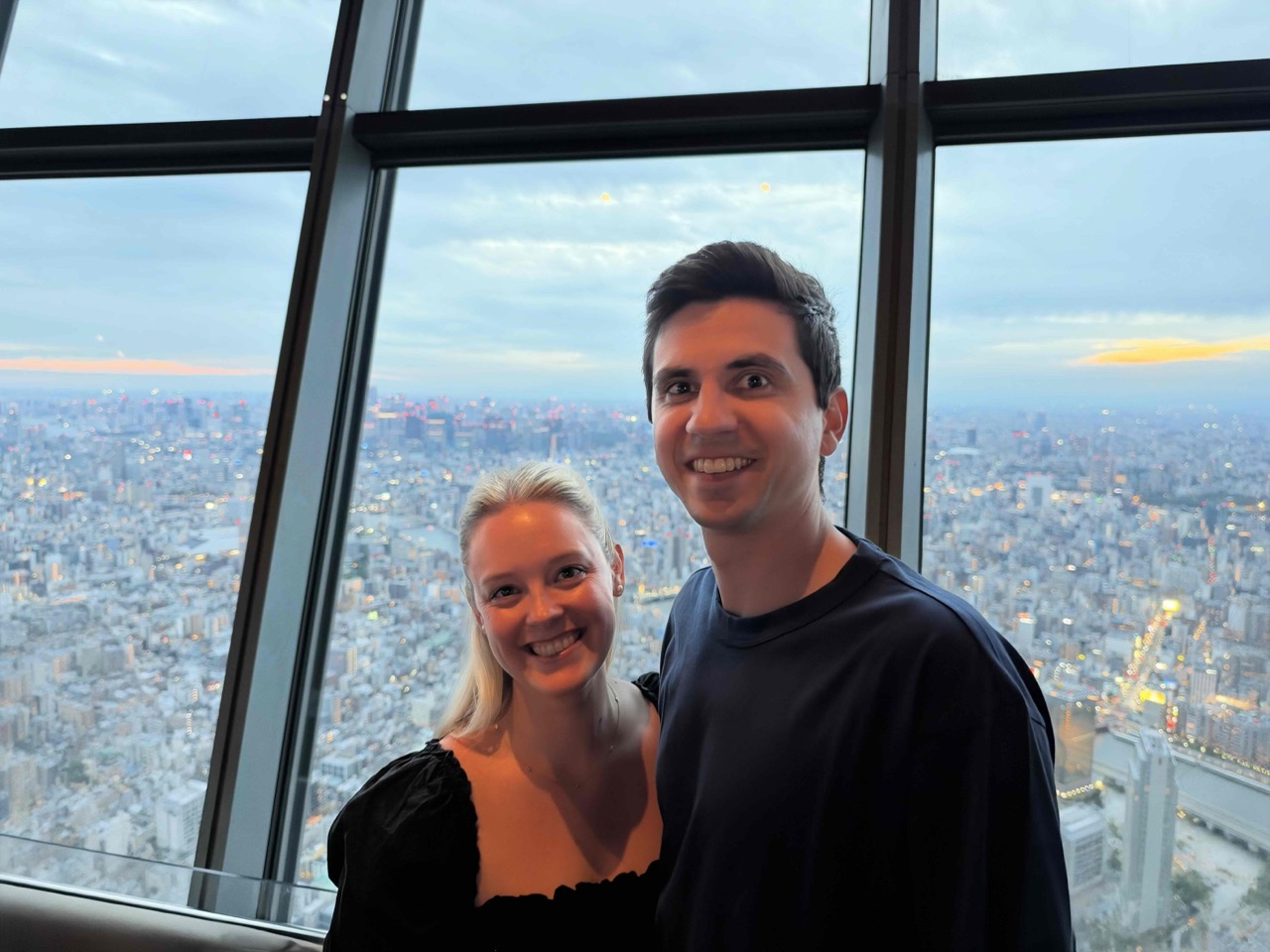
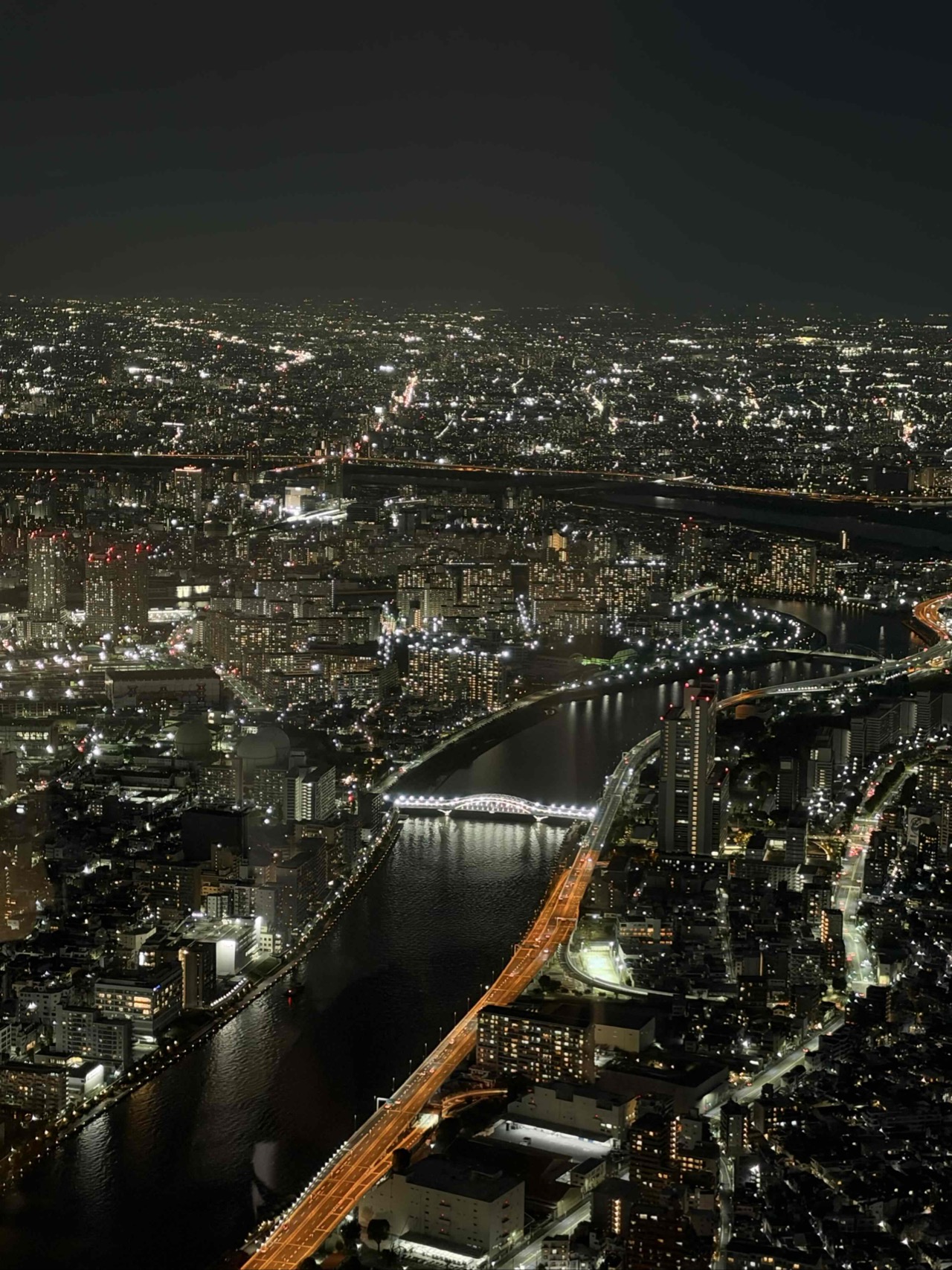
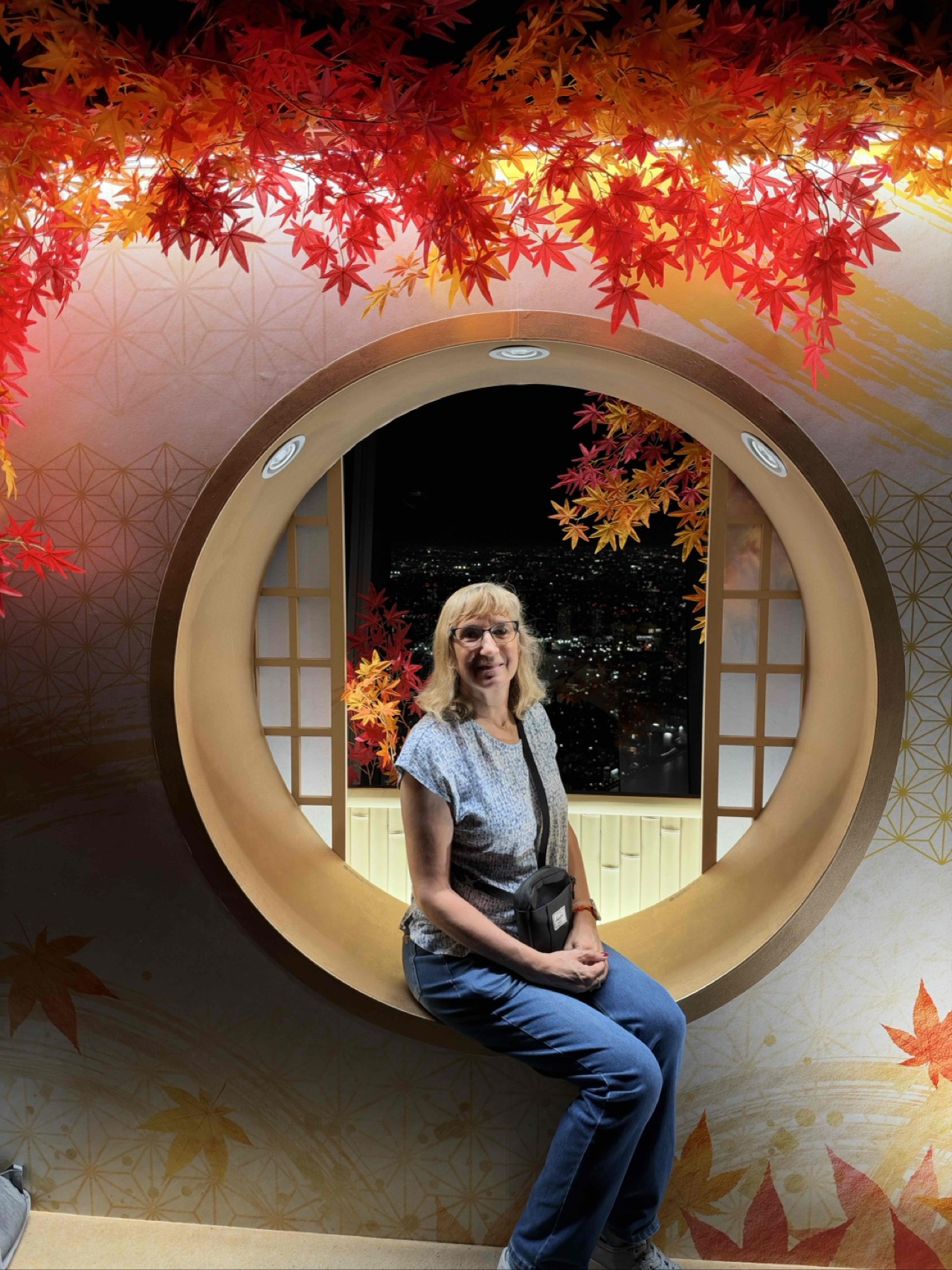
We capped off an incredible first day by taking the train over to Tokyo Skytree. Soaring high above the city skyline, we were treated to breathtaking, panoramic nighttime views of Tokyo illuminated for miles in every direction.
What's Next
Tomorrow we are on our own to tour the city
— David