Day 7: Kyoto
Kyoto • October 9, 2026 • Day 7 of 14
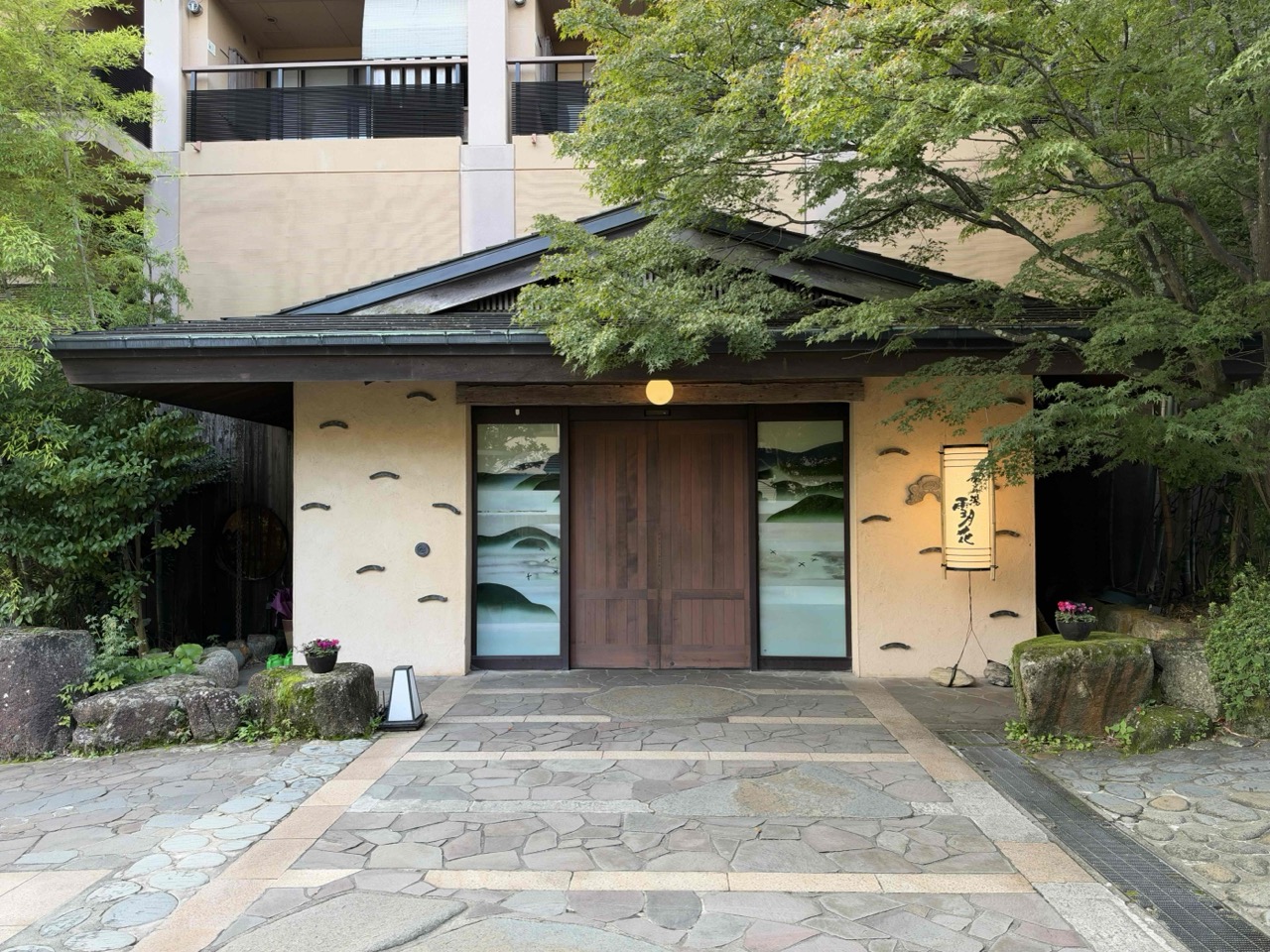
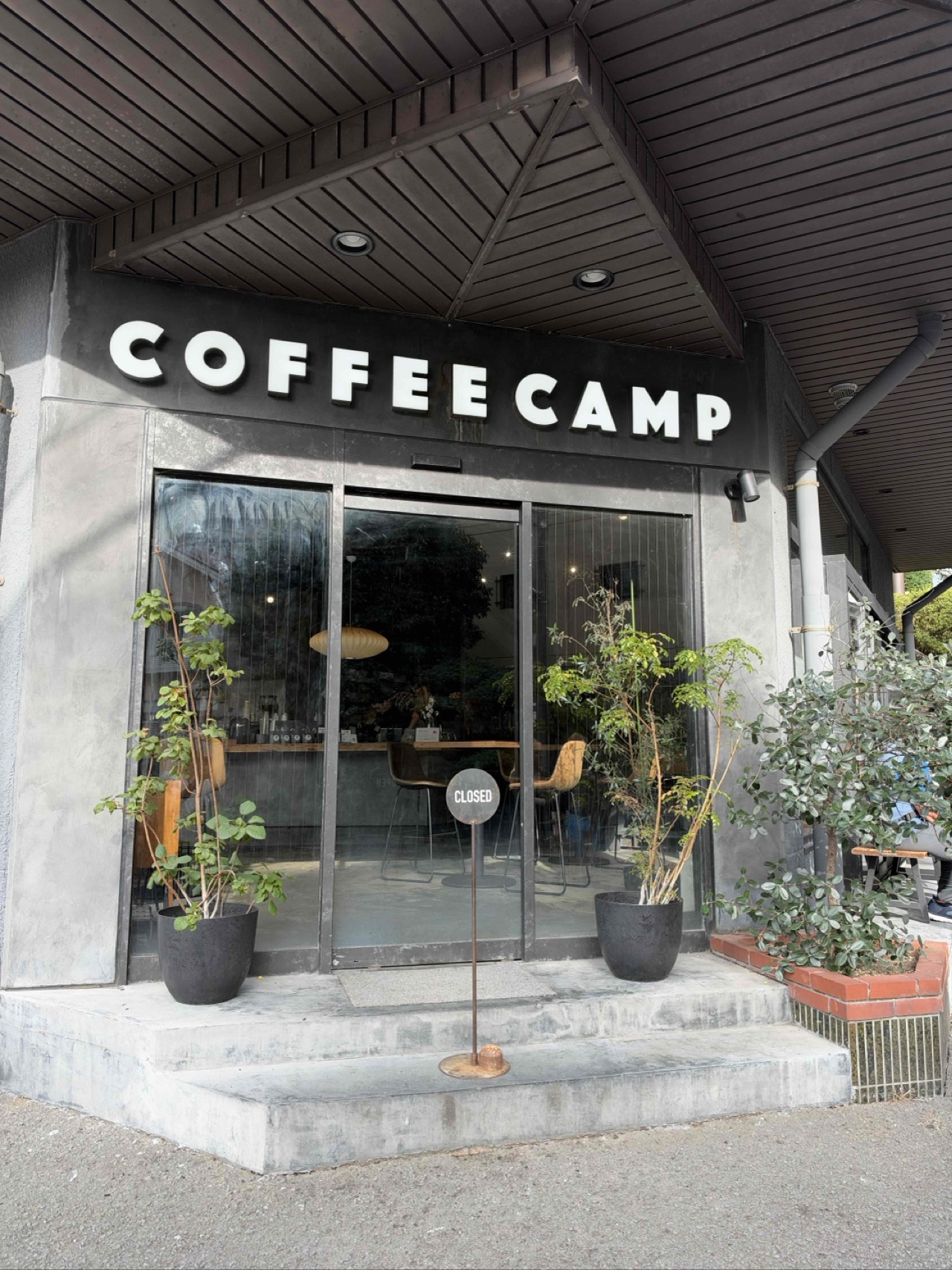
We checked out of our beautiful ryokan, Tokinoyu Setsugetsuka (季の湯 雪月花), grabbed coffees at Coffee Camp — easily the best coffee of the trip so far — and hopped in a cab at 8:30 AM for the short ride to Odawara Station.
Our taxi driver was a character. He had three kids and four grandkids, and when we asked how he was doing, he laughed and said he was working to pay for his grandkids' tastes — and that his wife scared him. He also gave us some unsolicited but very appreciated food recommendations: Nakau for their oyako don and Mos Burger for a uniquely Japanese take on a hamburger. We wrote both down.
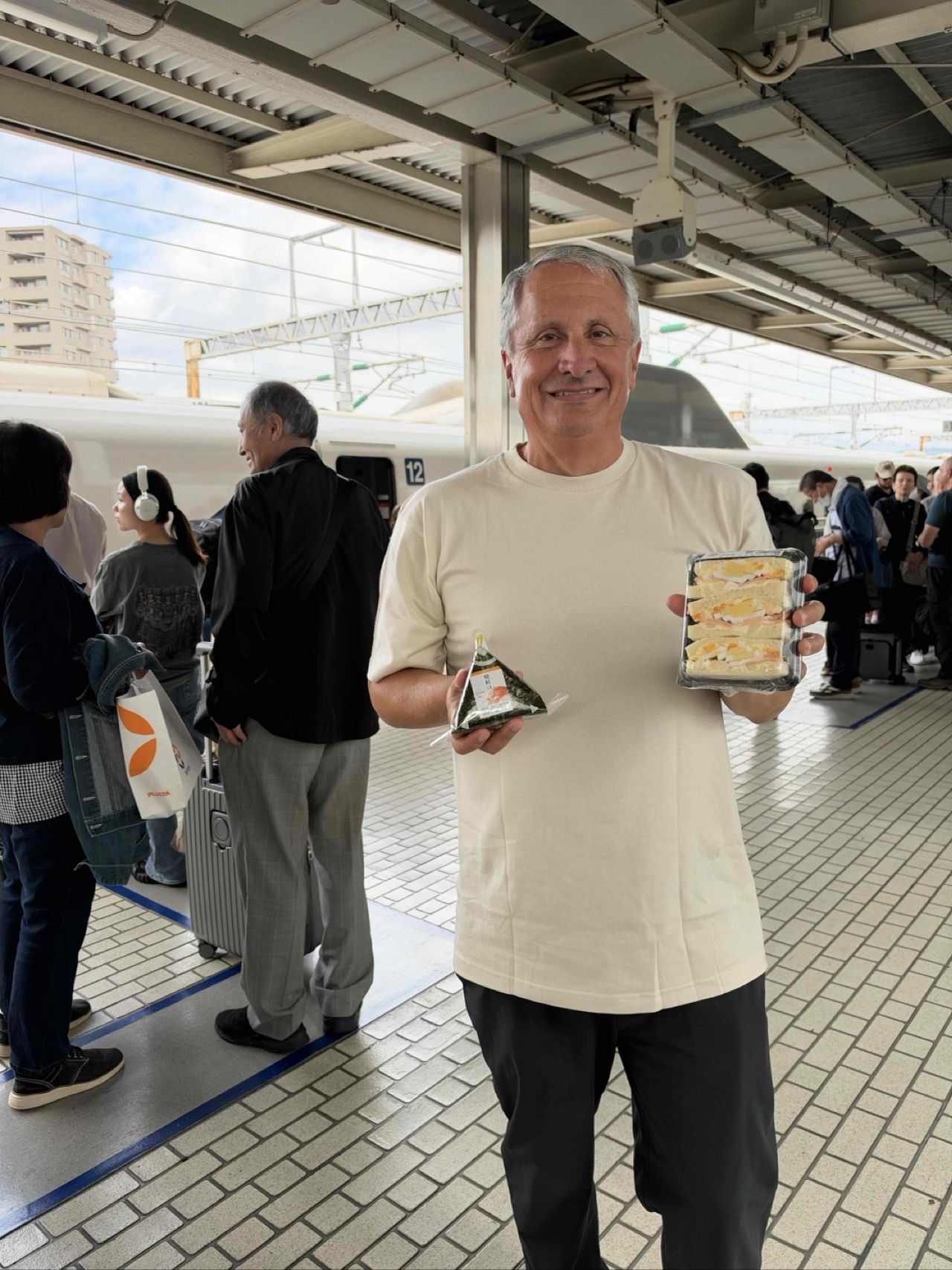
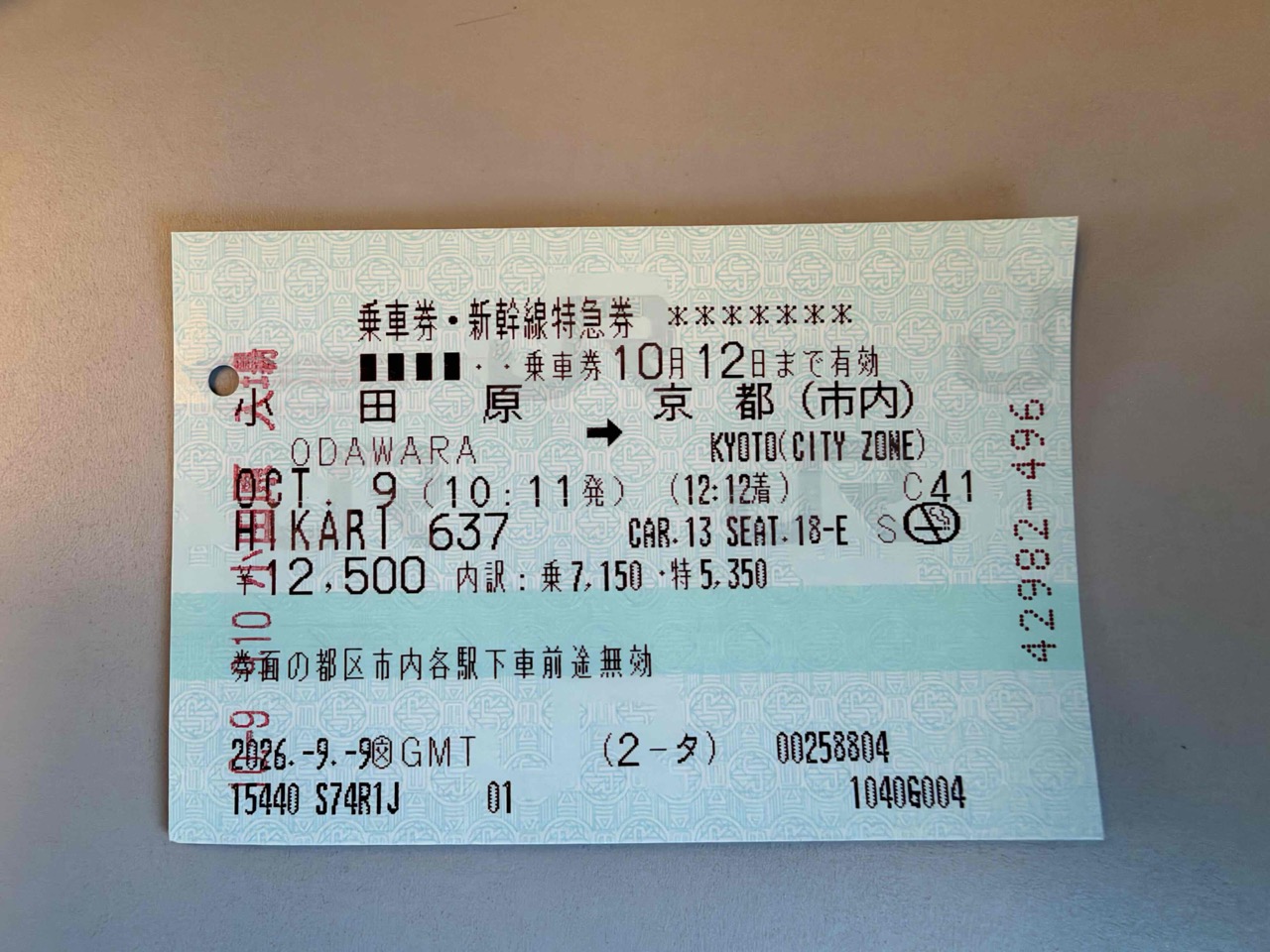
From Odawara we boarded the Shinkansen for Kyoto. The bullet train runs entirely on electricity drawn from overhead lines, and the engineering required to power a train cruising at up to 320 km/h (200 mph) involves a highly specialized distribution network — all of it invisible and seamless from your seat as the countryside blurs past the window.
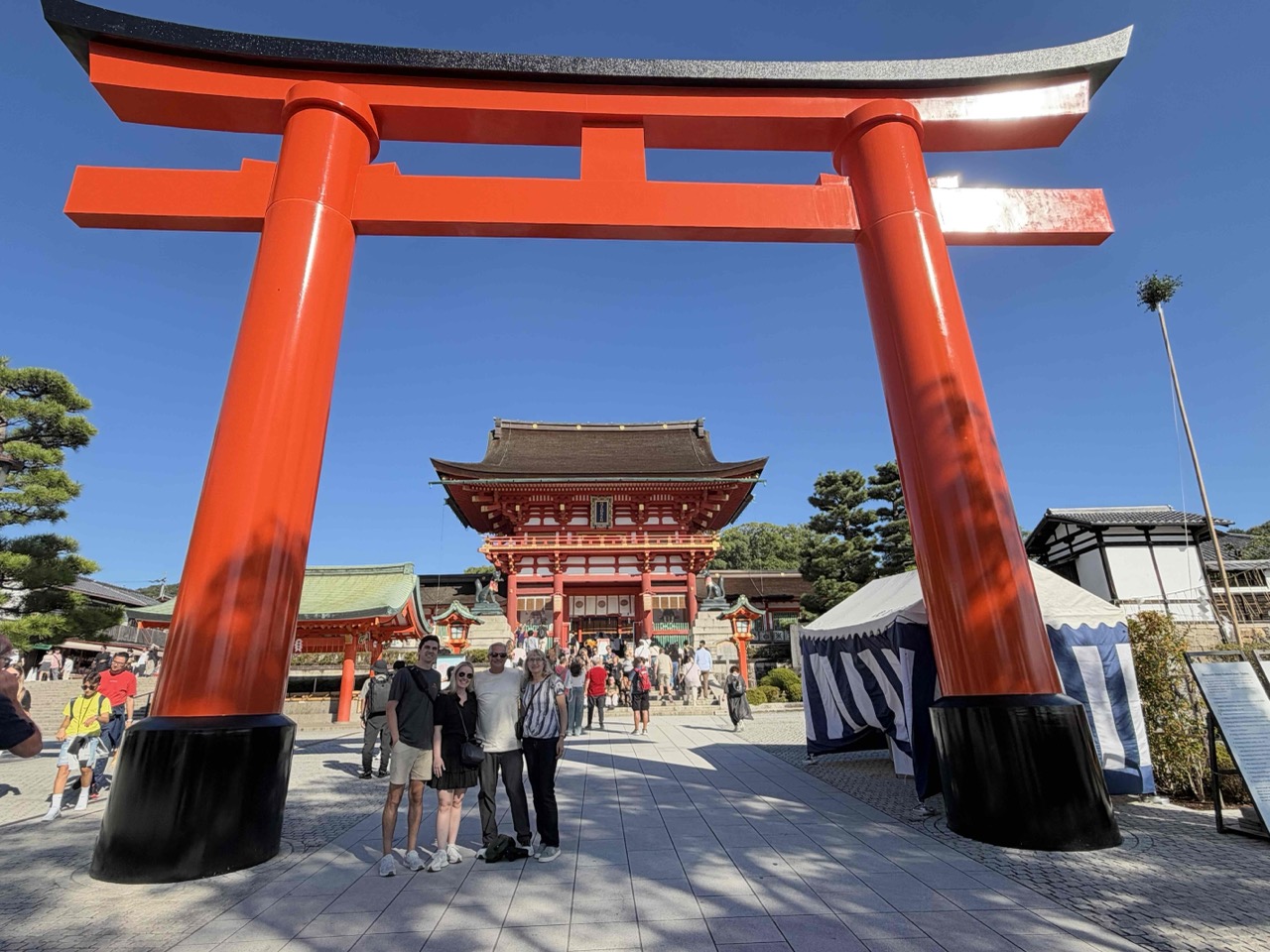
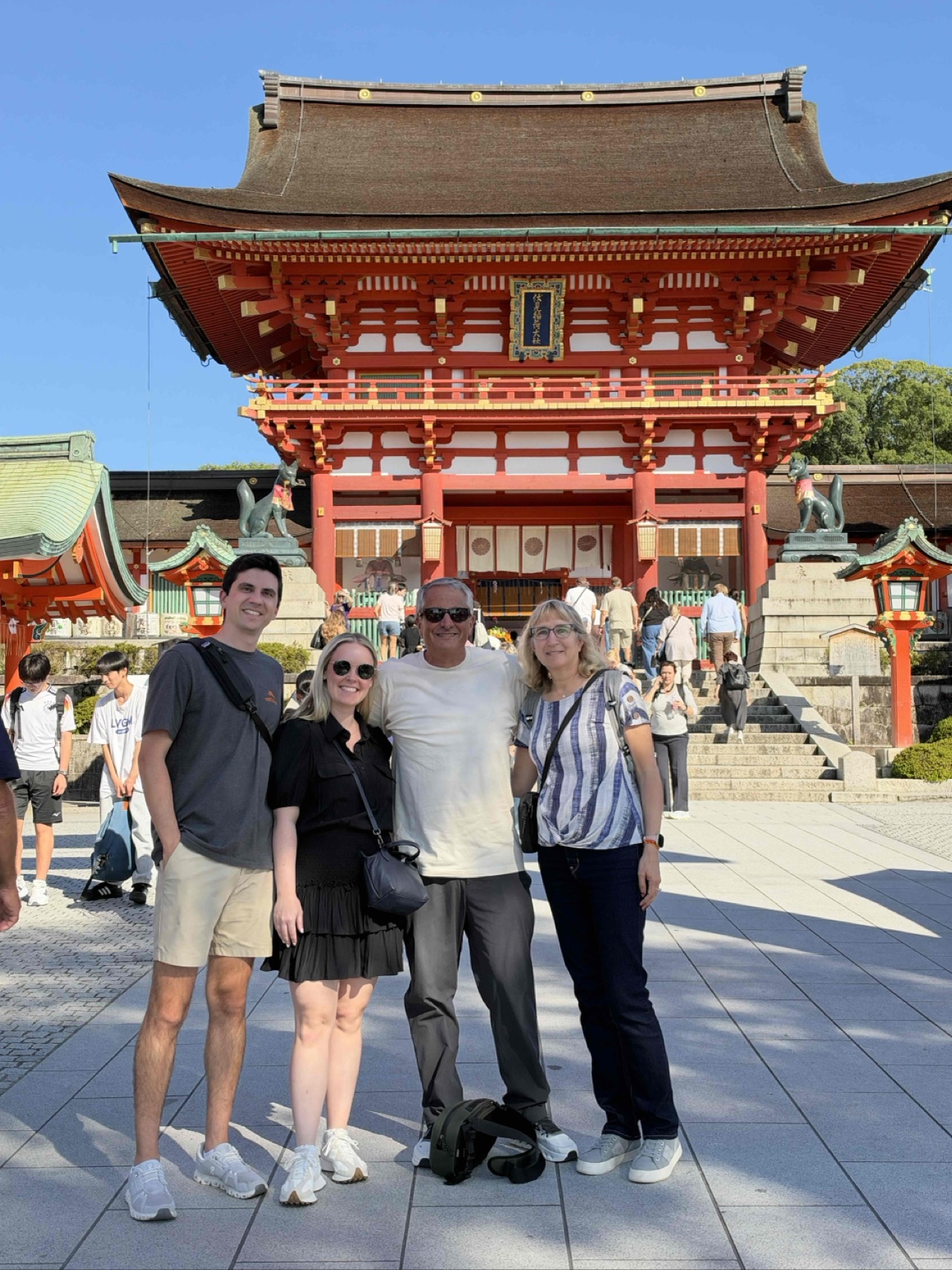
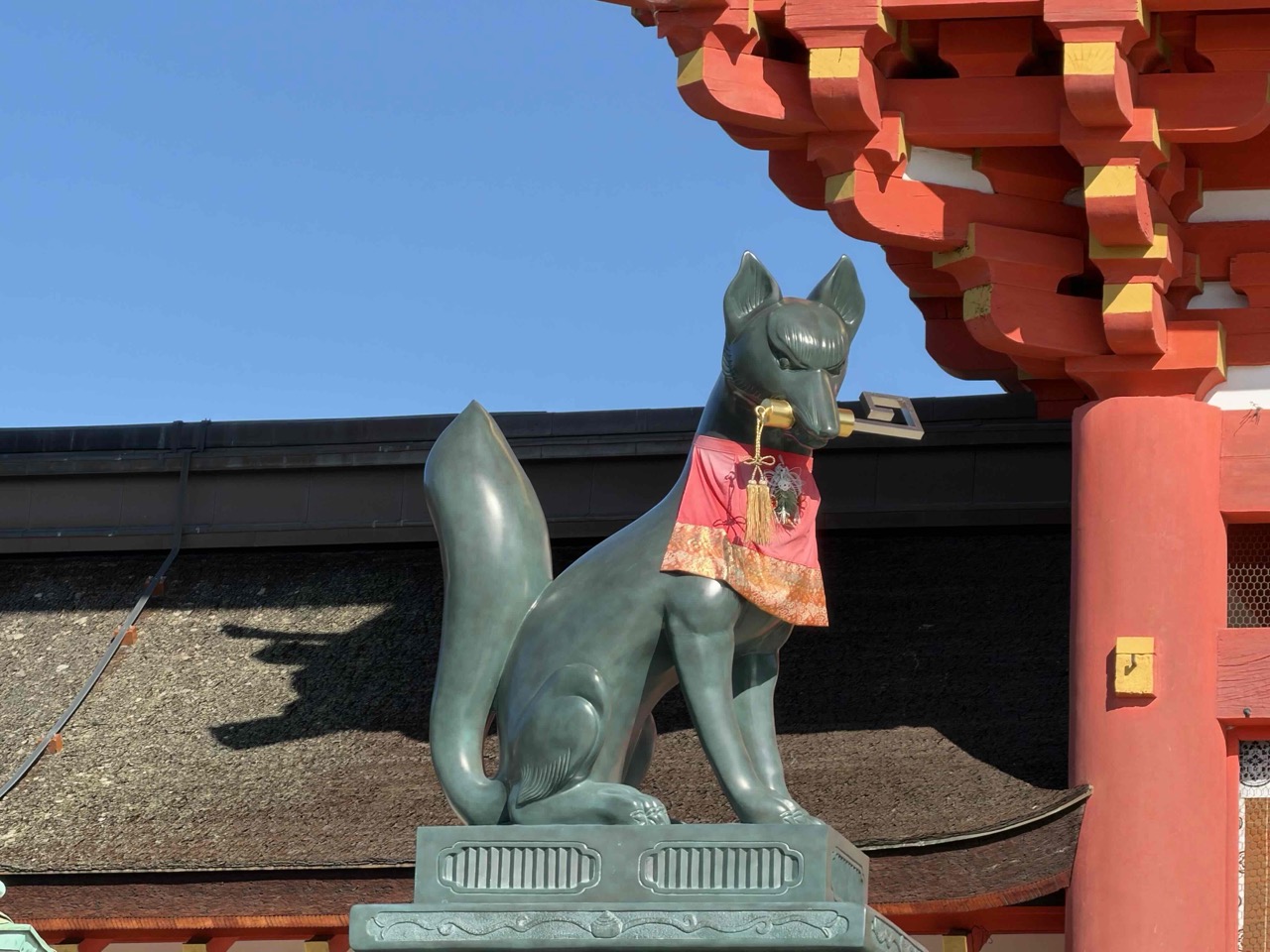
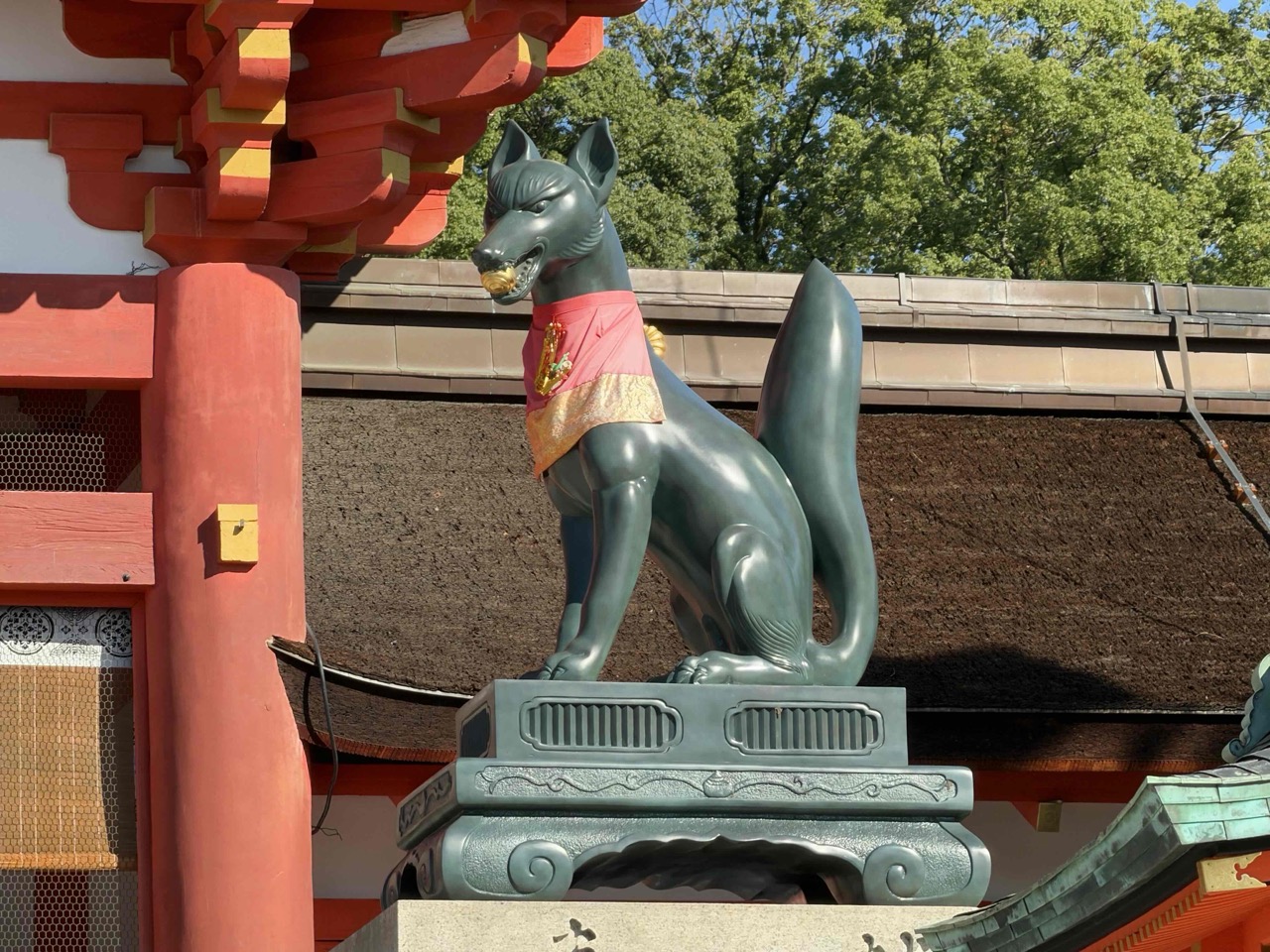
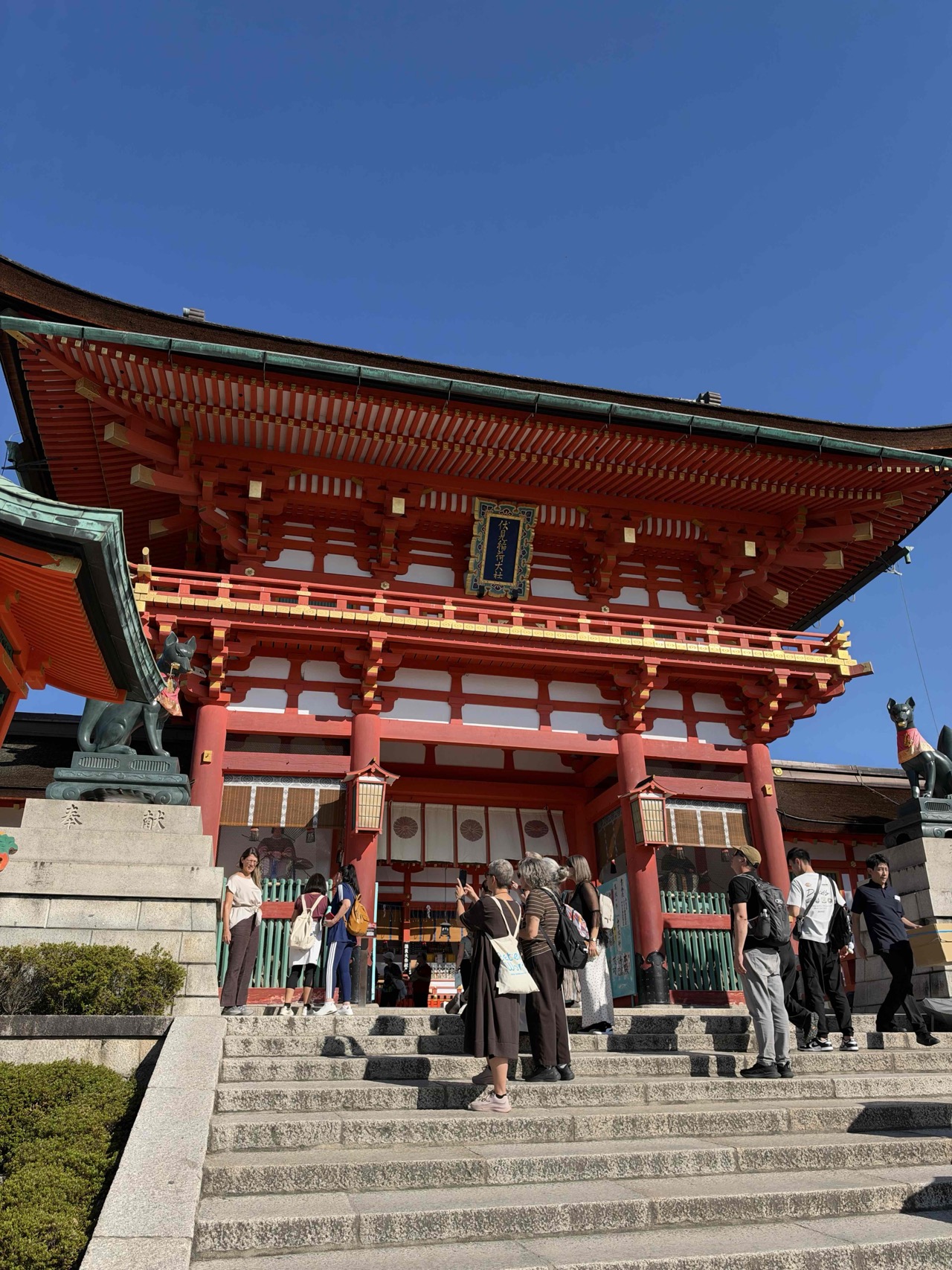
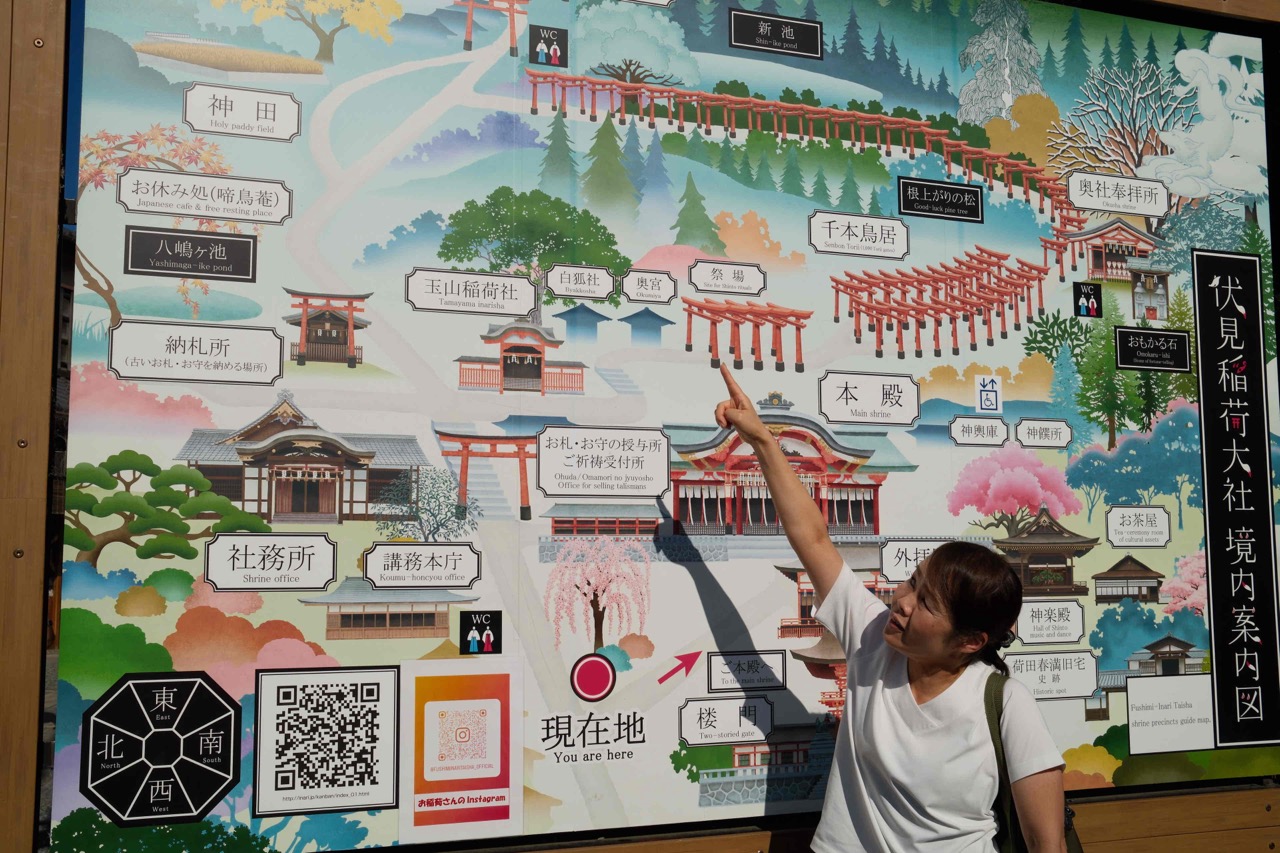
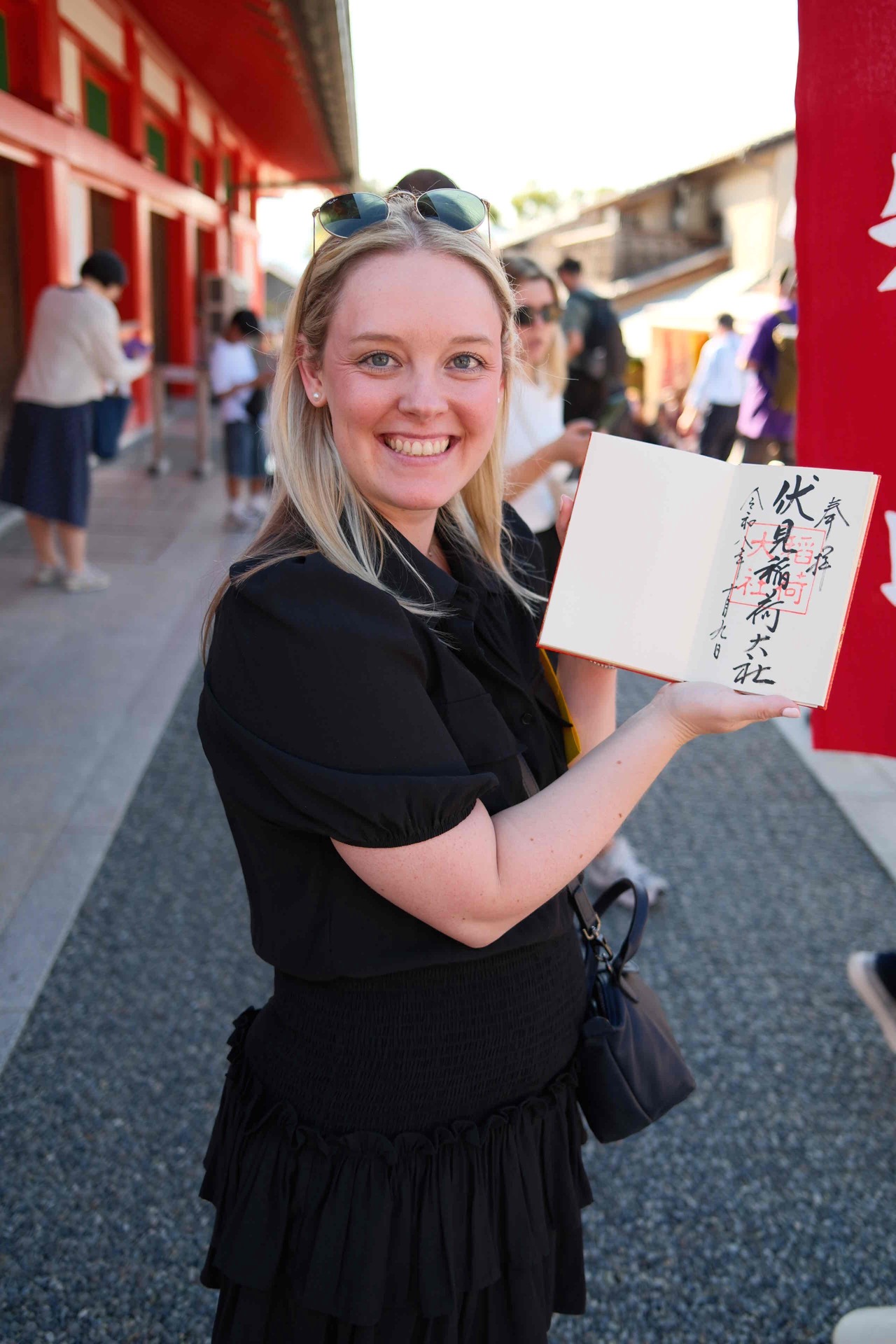
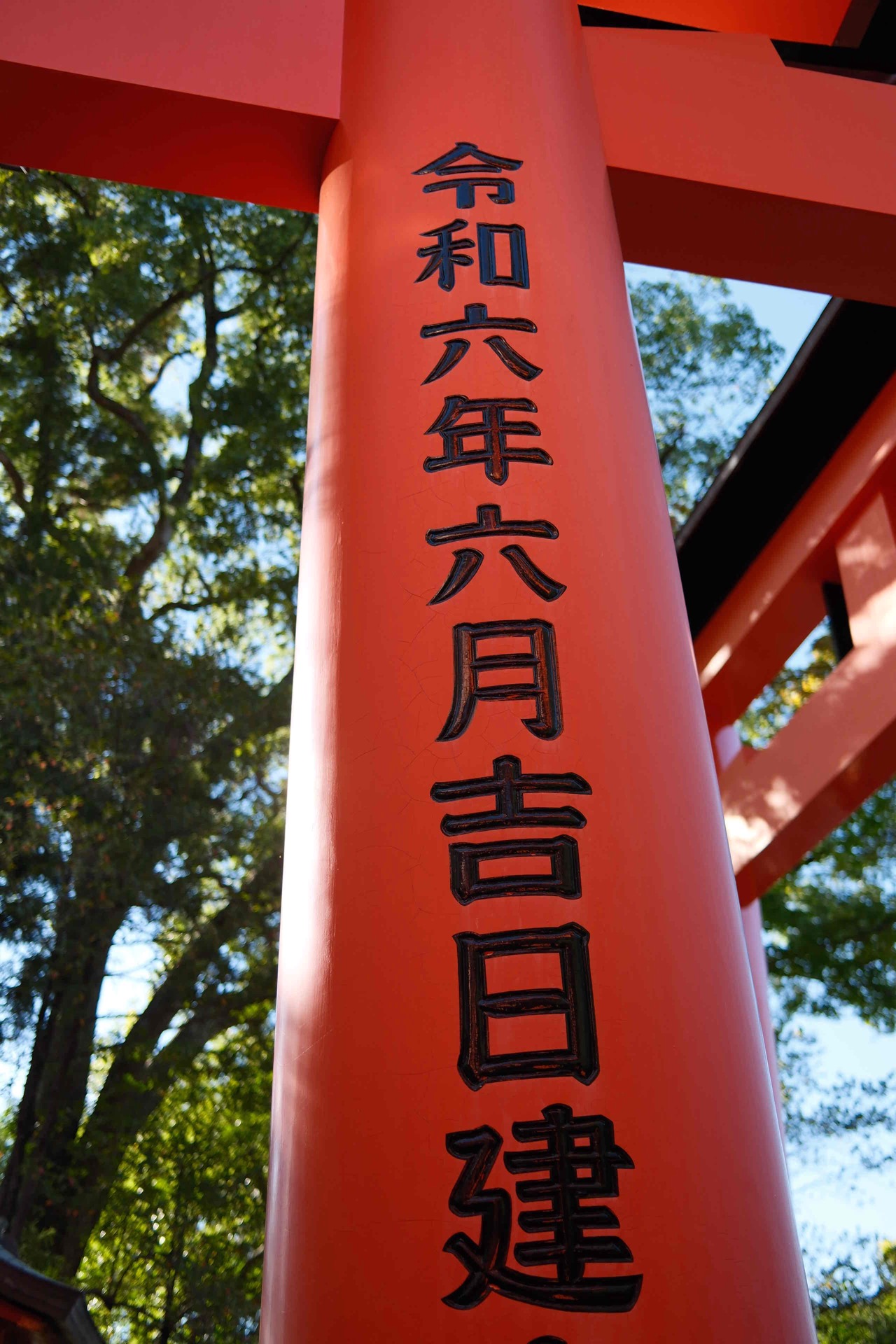
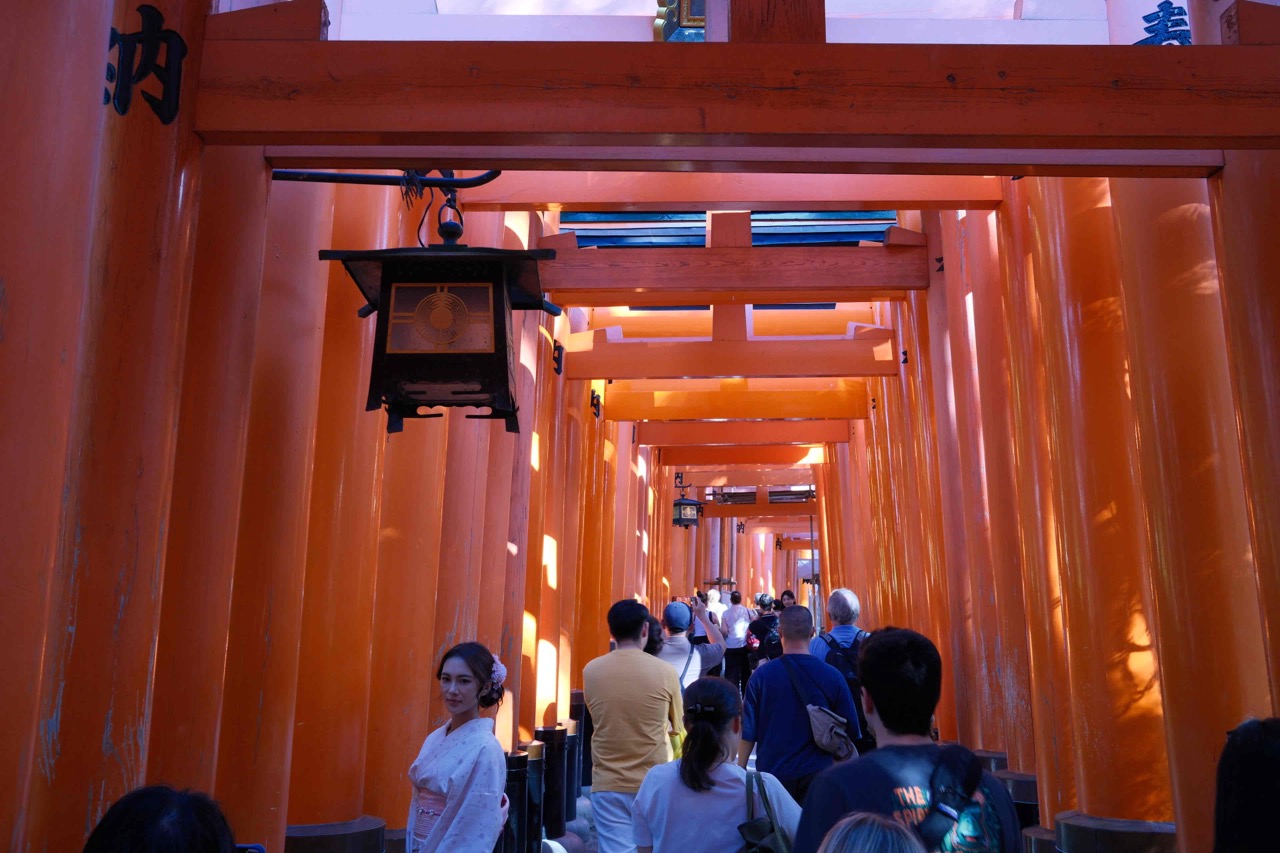
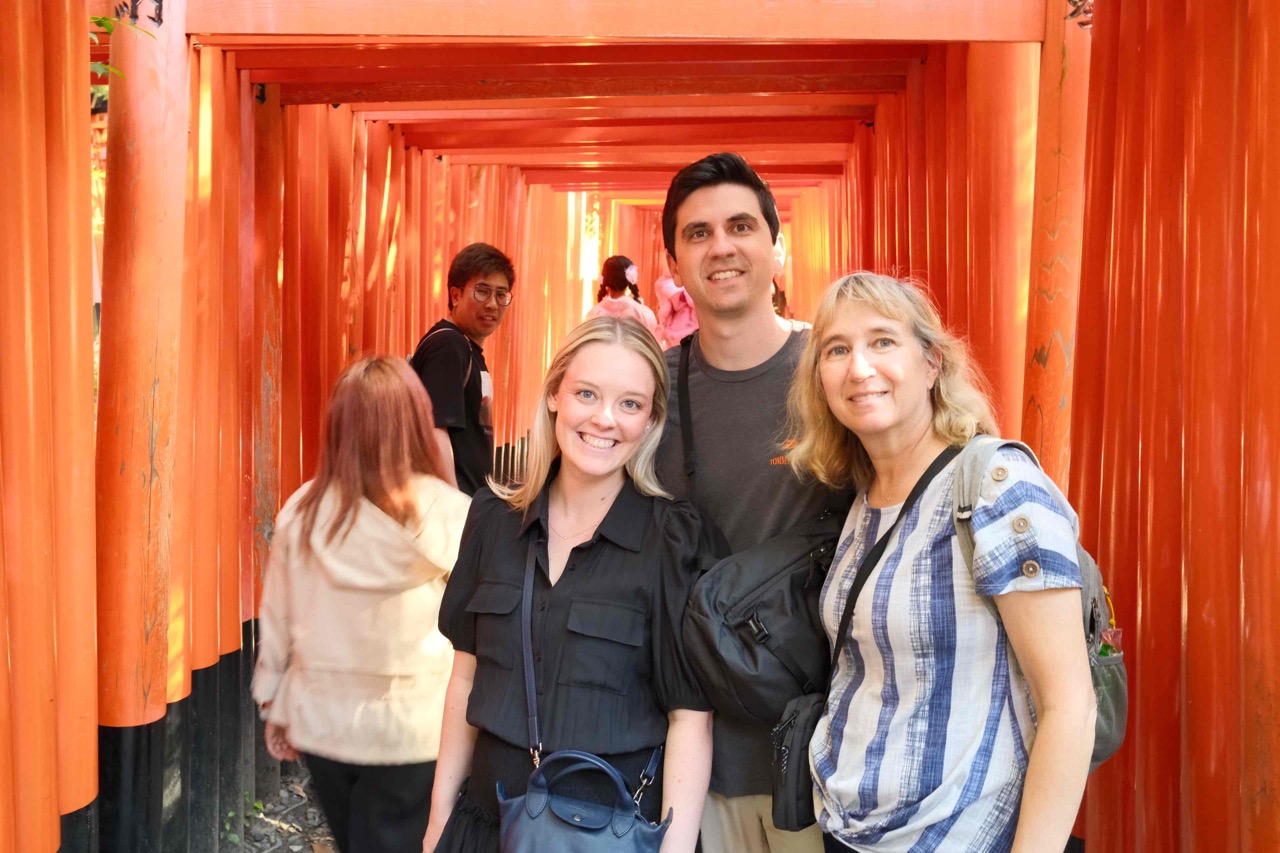
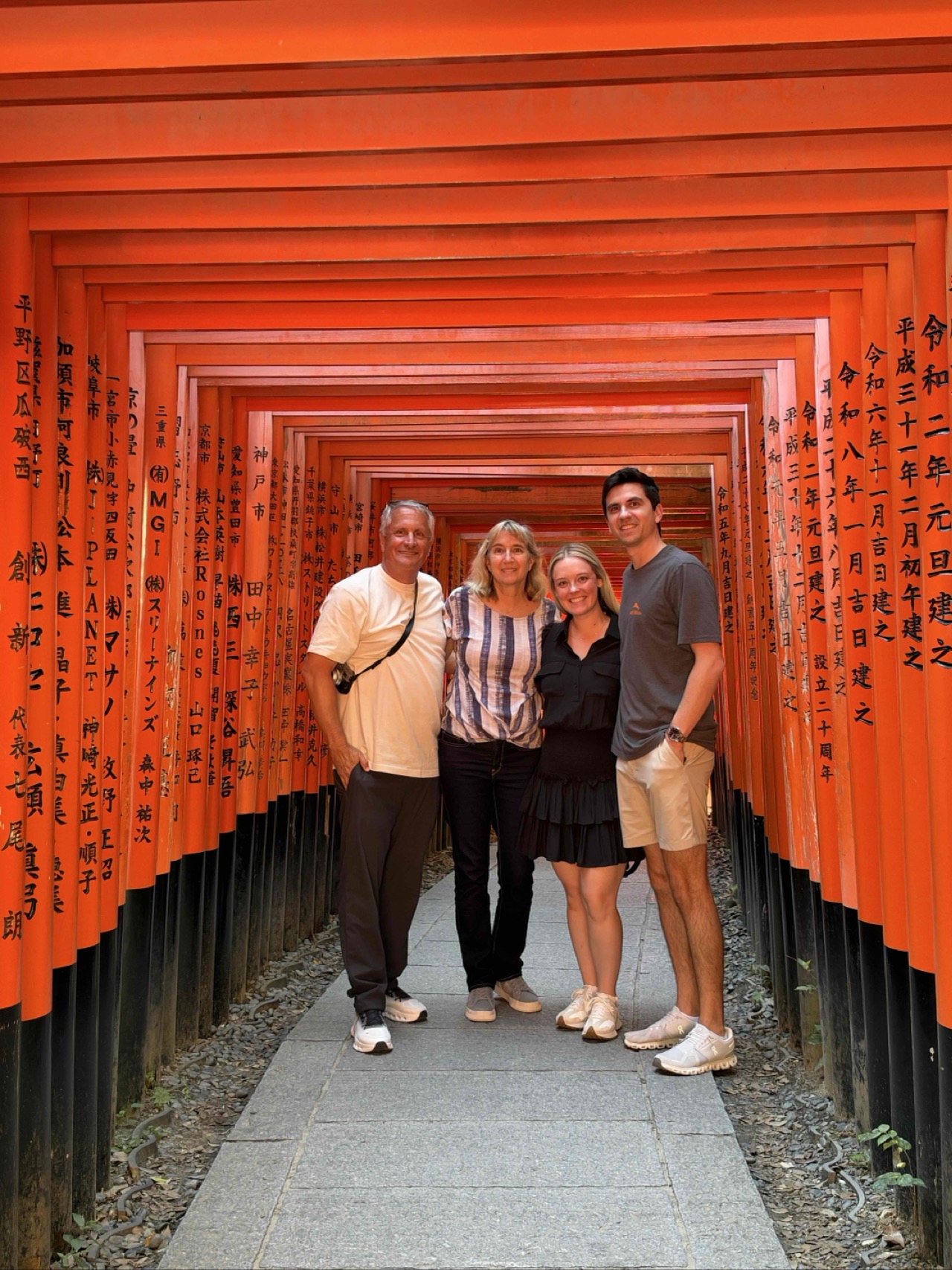
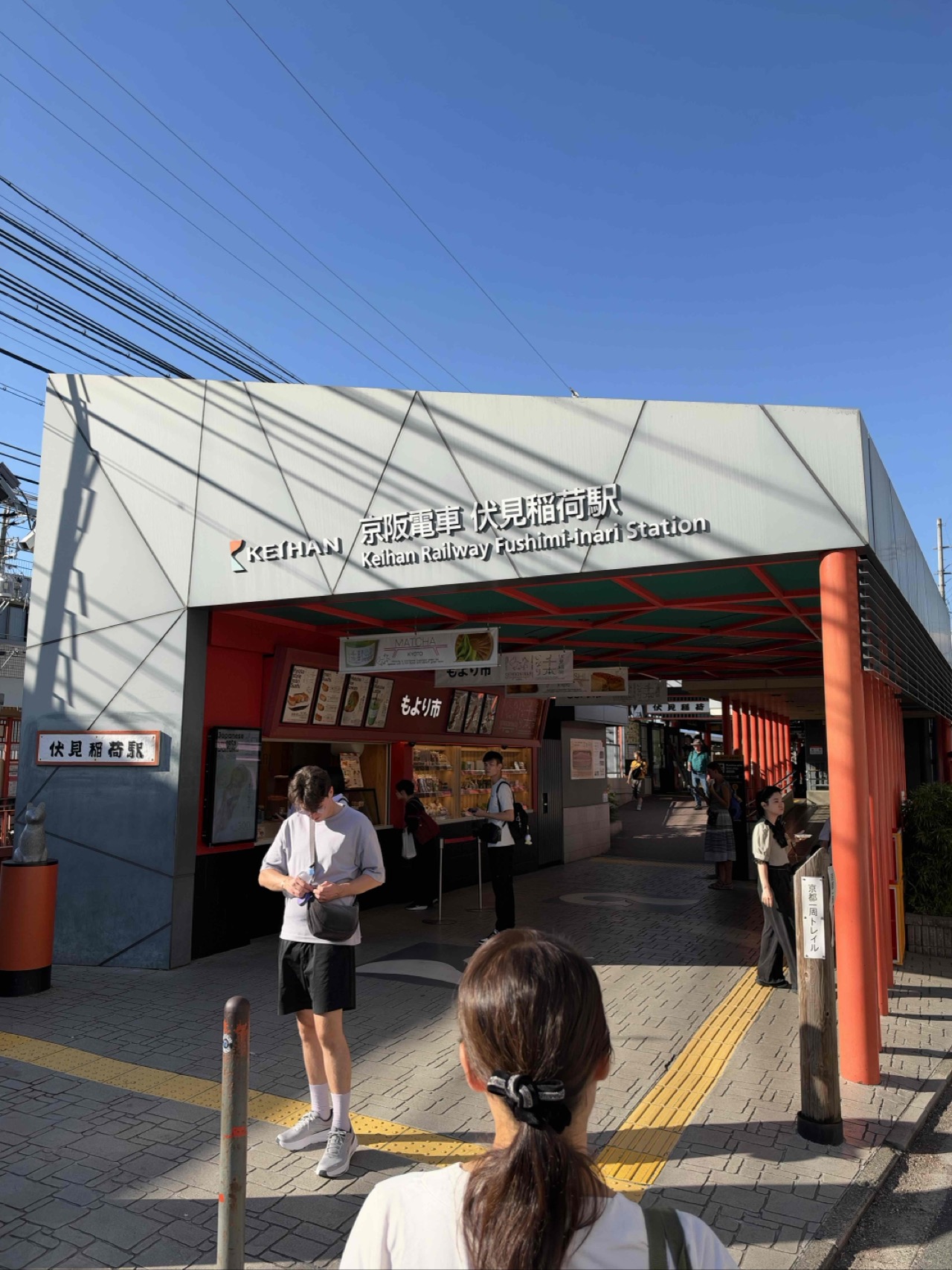
We arrived in Kyoto — a city ringed by mountains on all sides except the south — and met our guide Yuko for the day. Our first stop was Fushimi Inari Shrine, home to the legendary Senbon Torii — literally "a thousand torii gates," though in reality there are over 10,000 vermillion gates winding their way up the mountain. Walking through them is one of those experiences that photographs simply cannot capture — the tunnels of orange and red seem to go on forever, each gate donated by a Japanese business or individual as an offering to Inari, the Shinto god of rice, sake and prosperity.
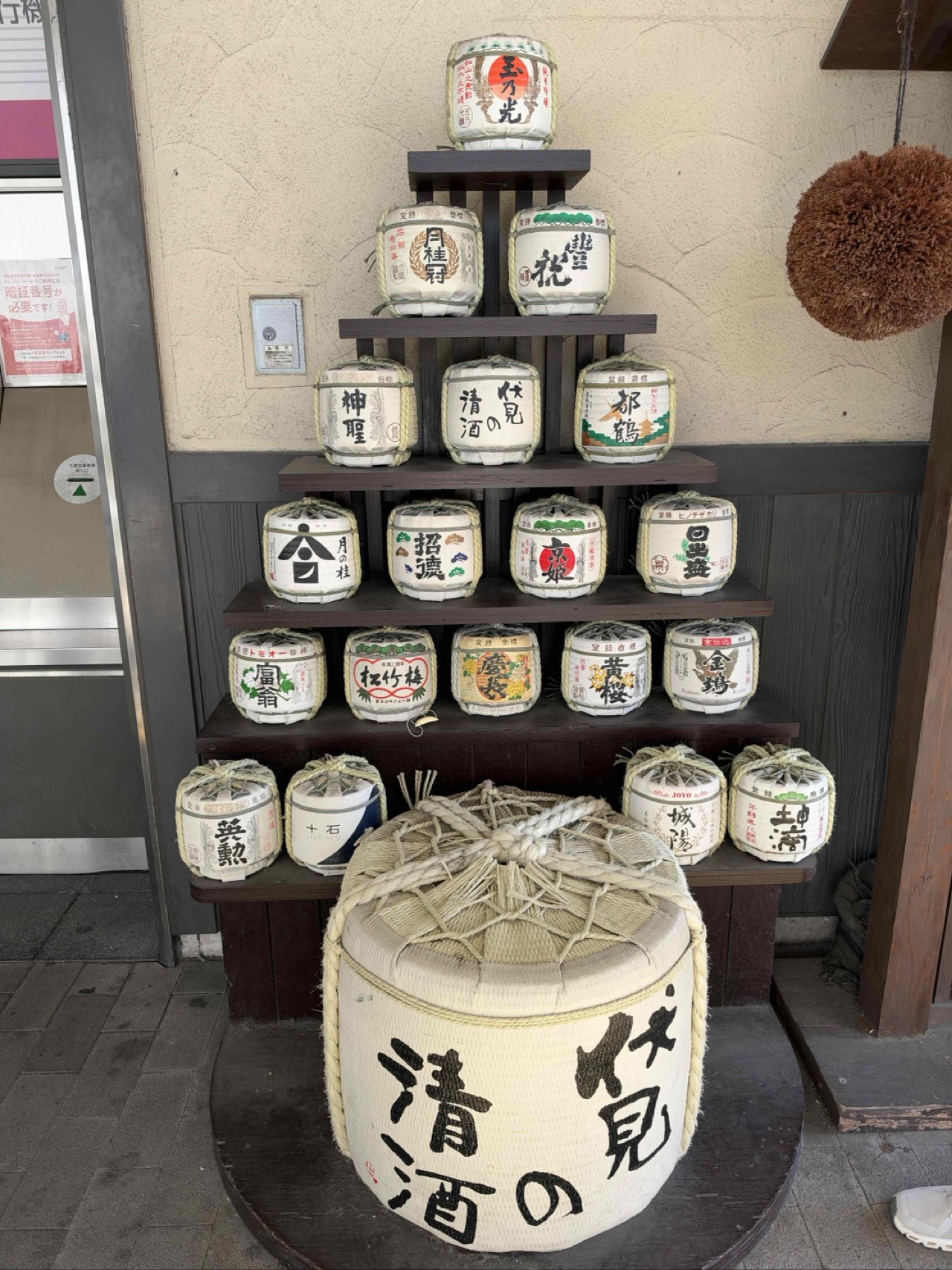
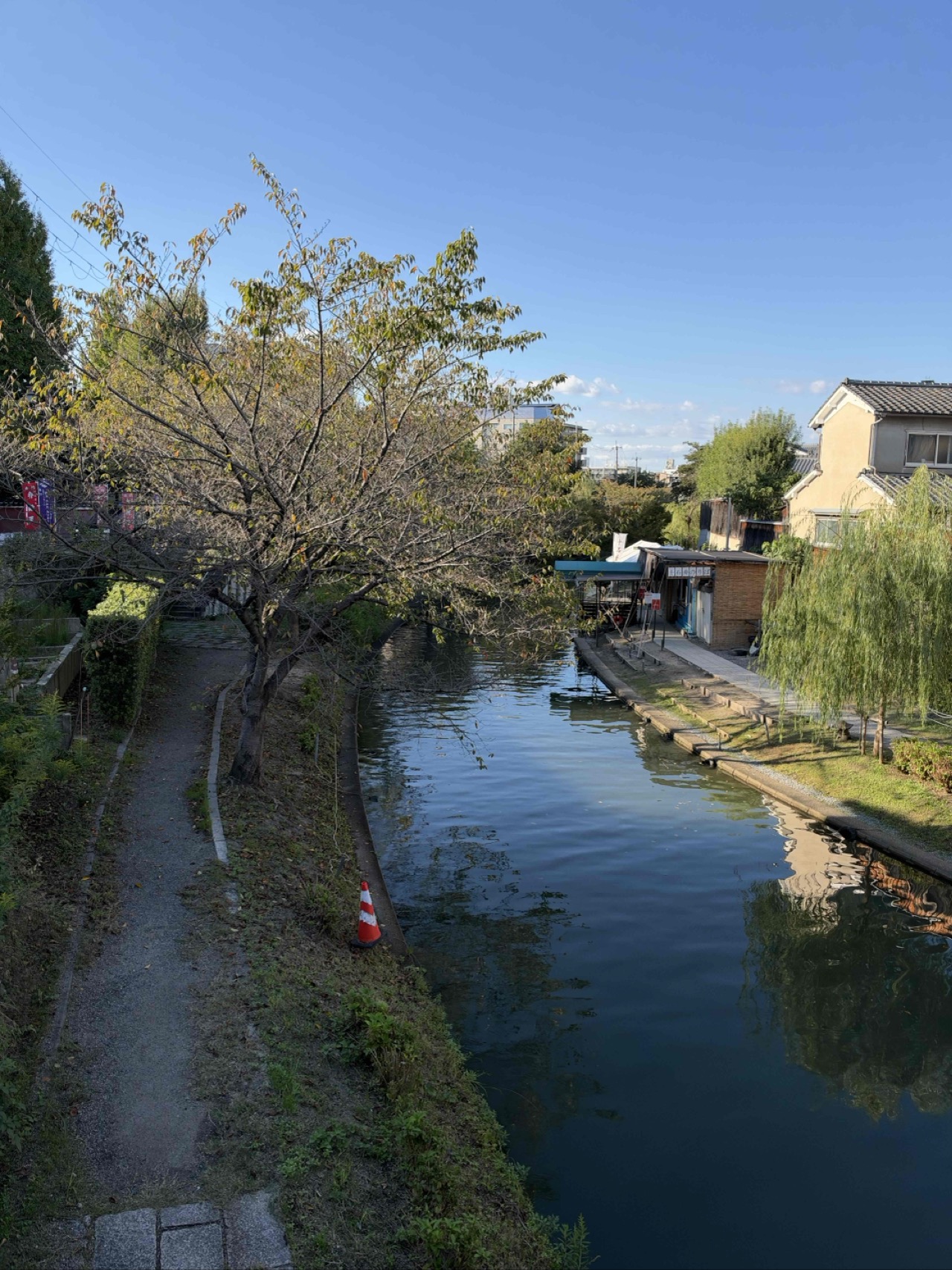
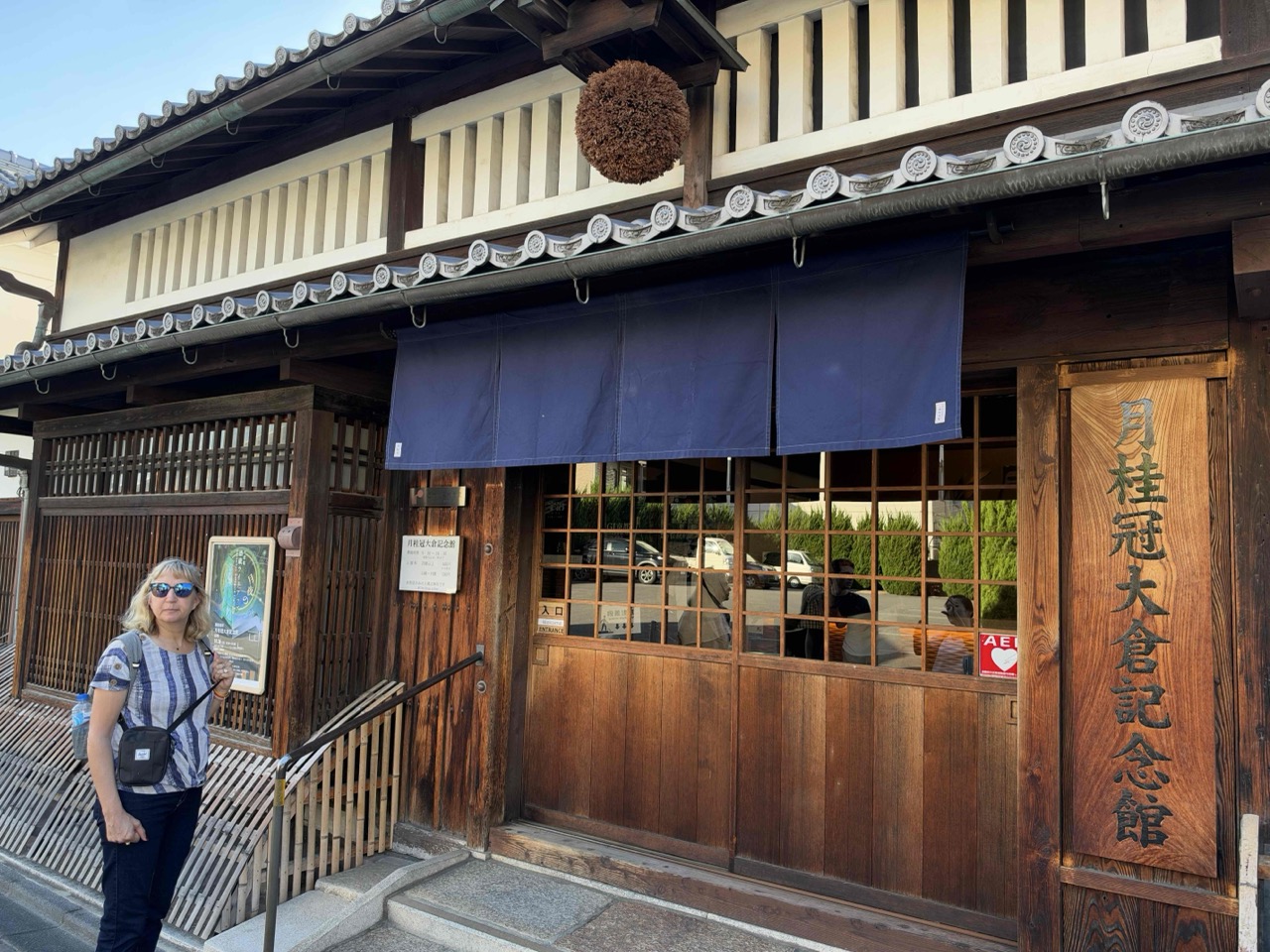
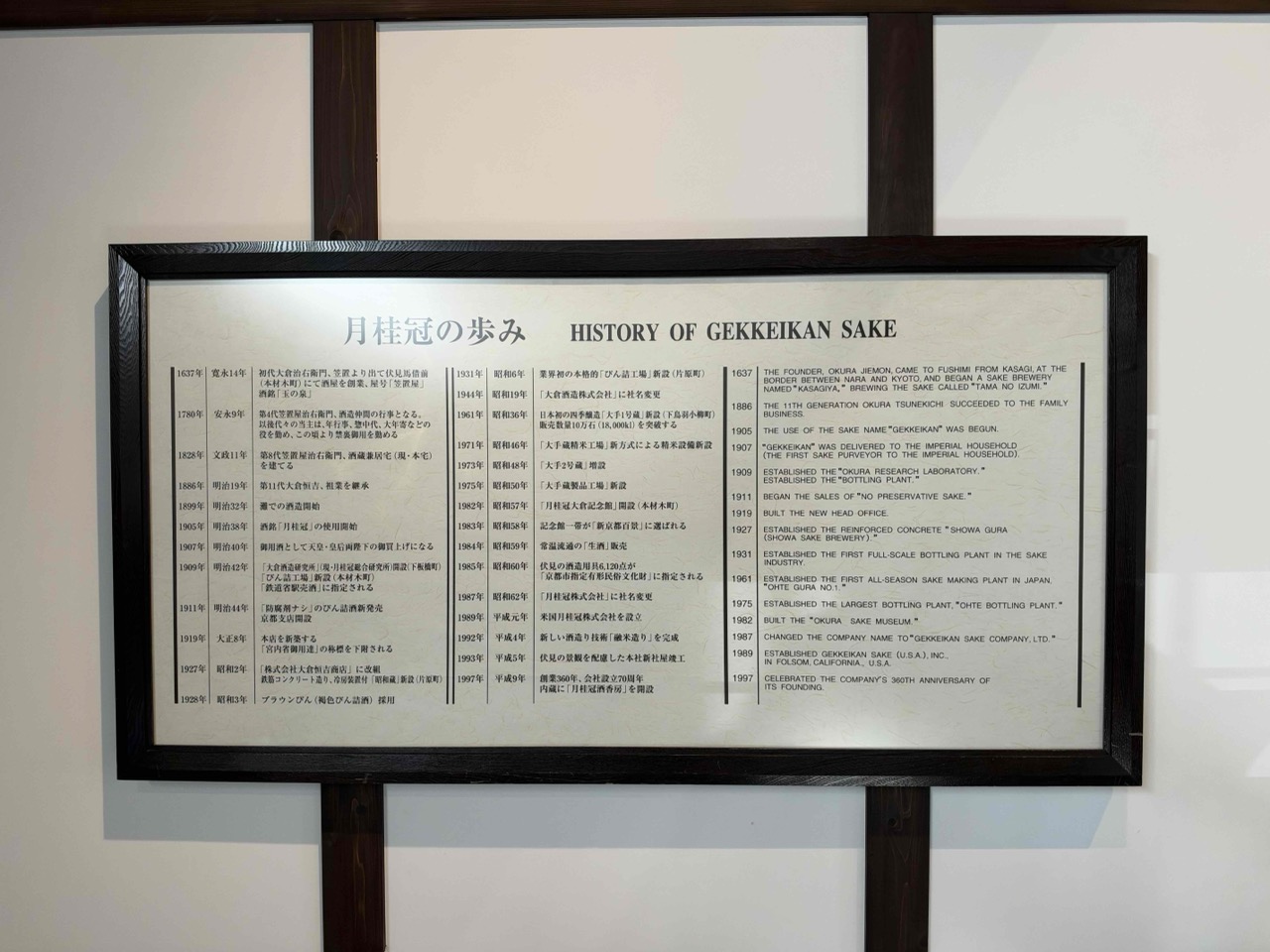
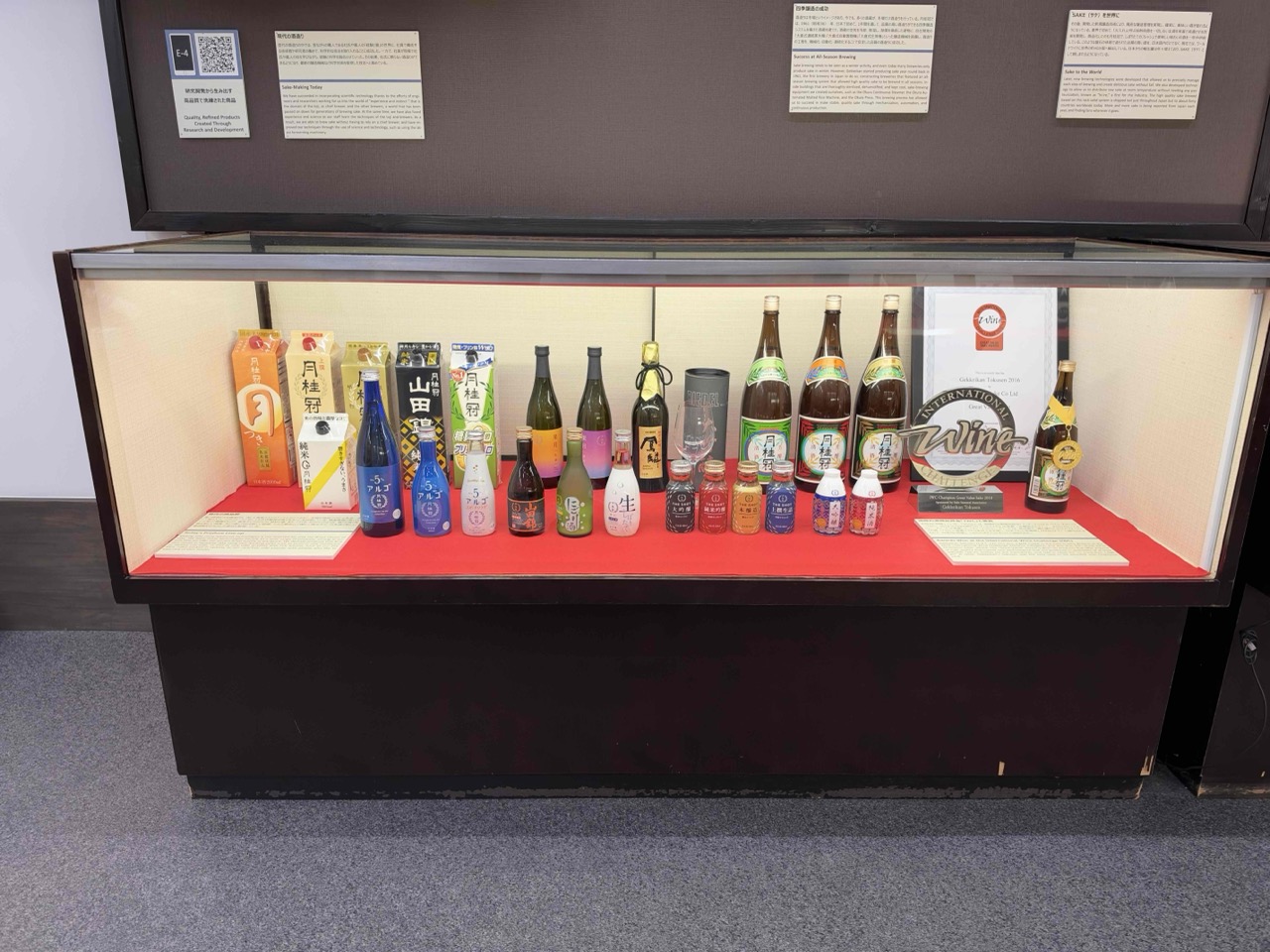
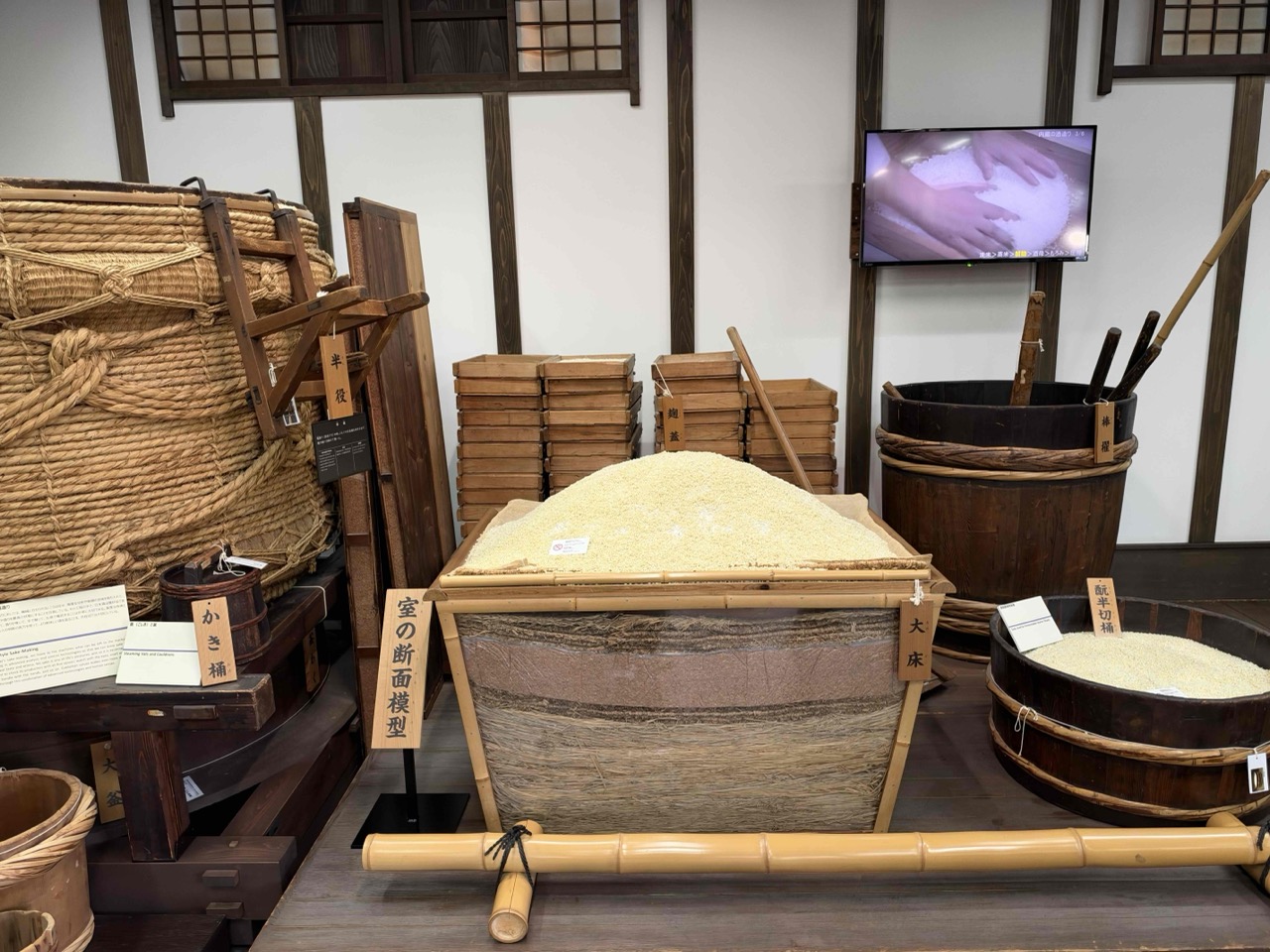
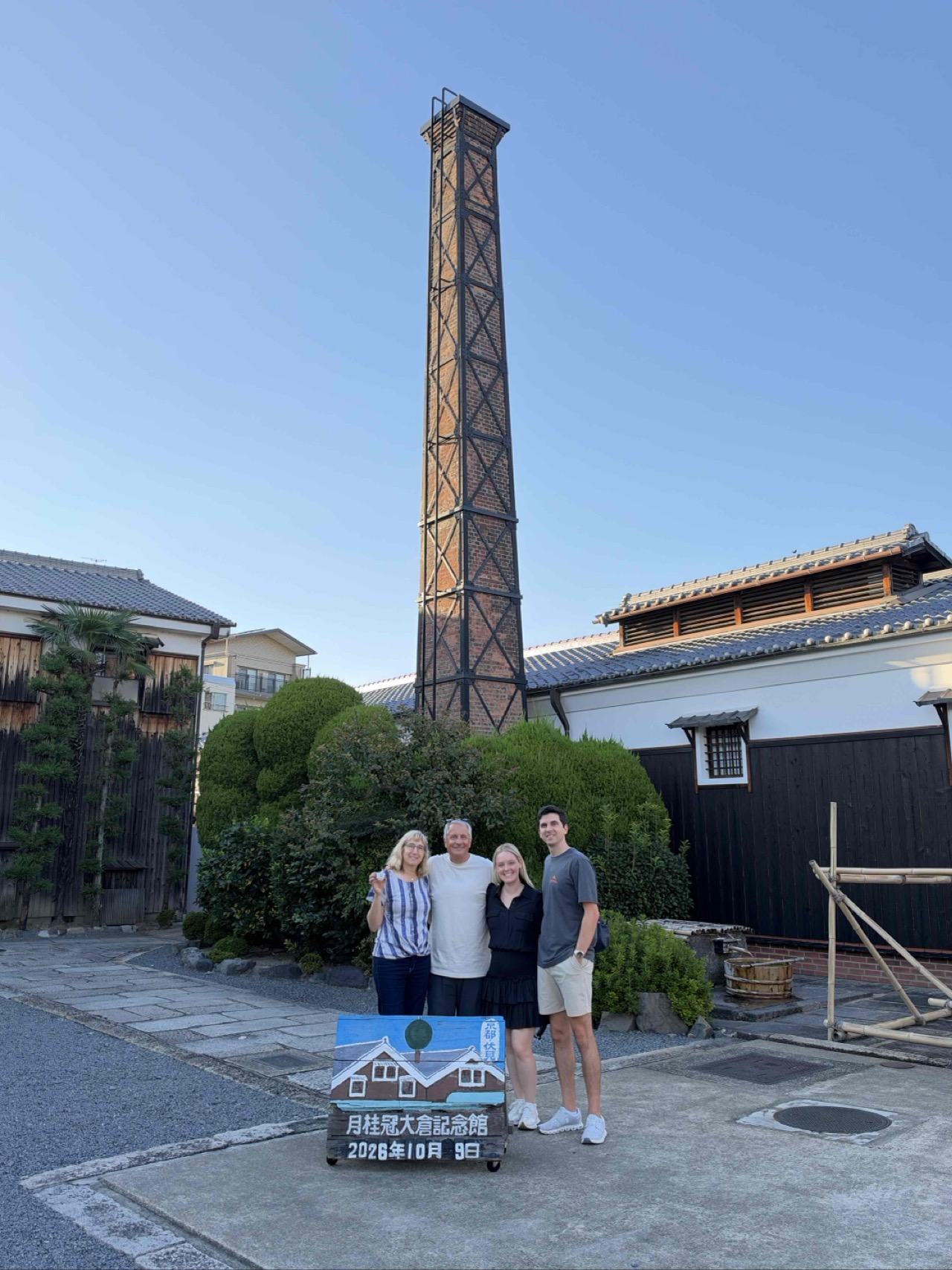
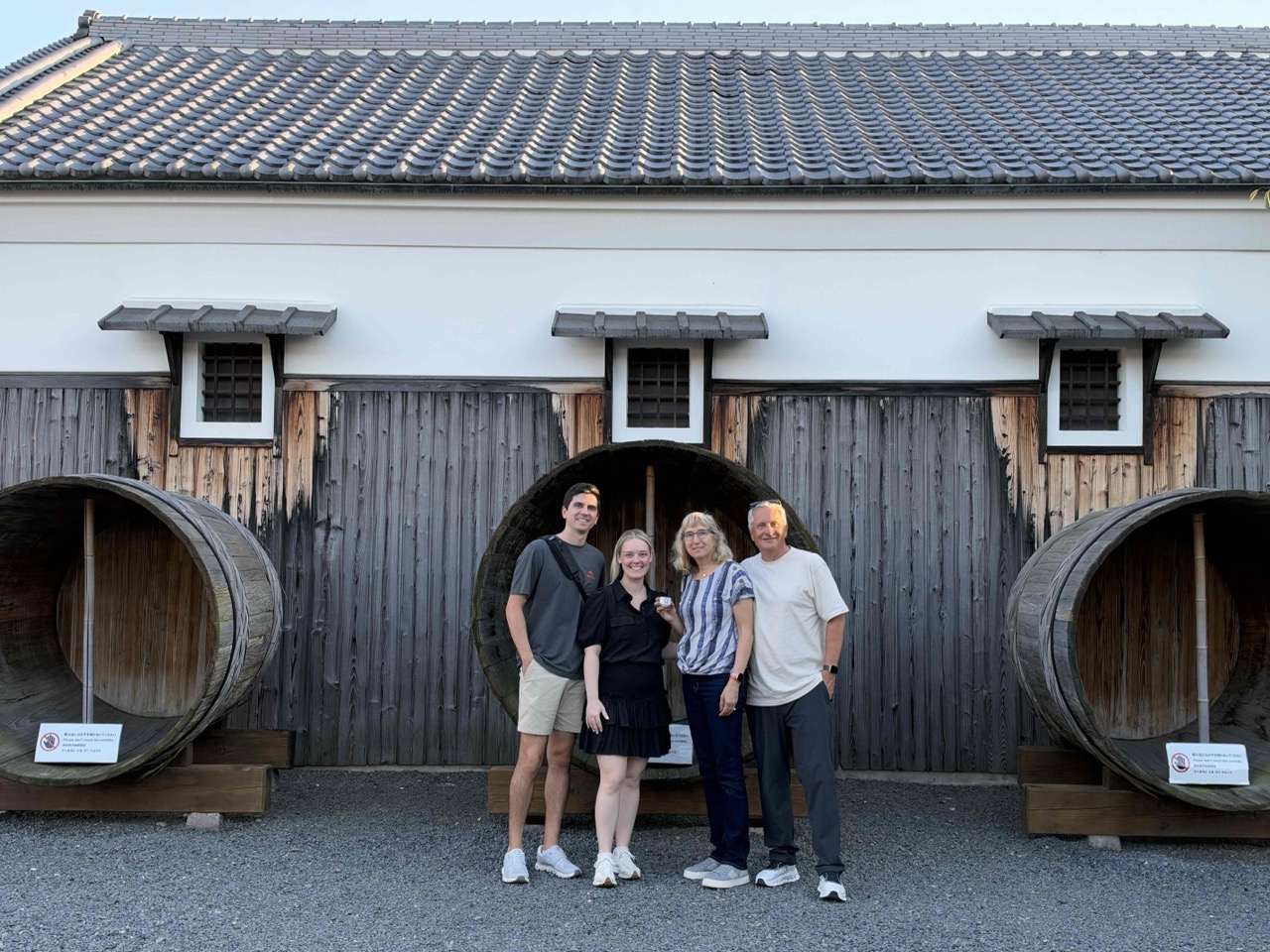
From there we headed into the Fushimi sake production district — one of Japan's most famous brewing regions. Because Kyoto's water is naturally low in minerals, the yeast ferments much more slowly and gently, producing a sake that is incredibly smooth, elegant, and soft, often with subtle fruity aromas. We visited Gekkeikan Sake, one of the oldest and most celebrated breweries in Japan, and learned about their centuries-old craft. We picked up a beautiful bottle of their No. 2 — a recipe dating back to the 1960s with a distinctively elegant bottle shape that was impossible to leave behind.
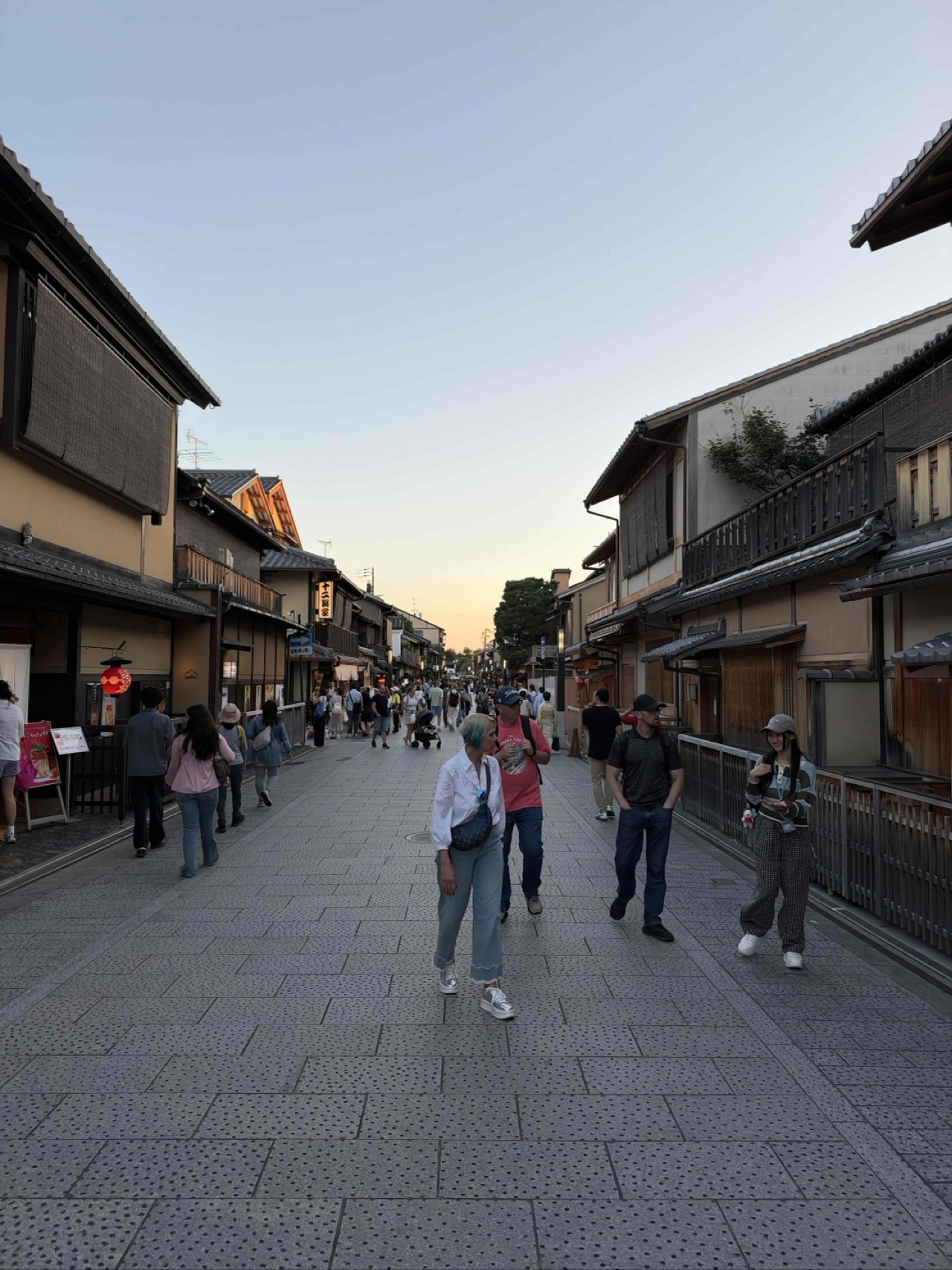
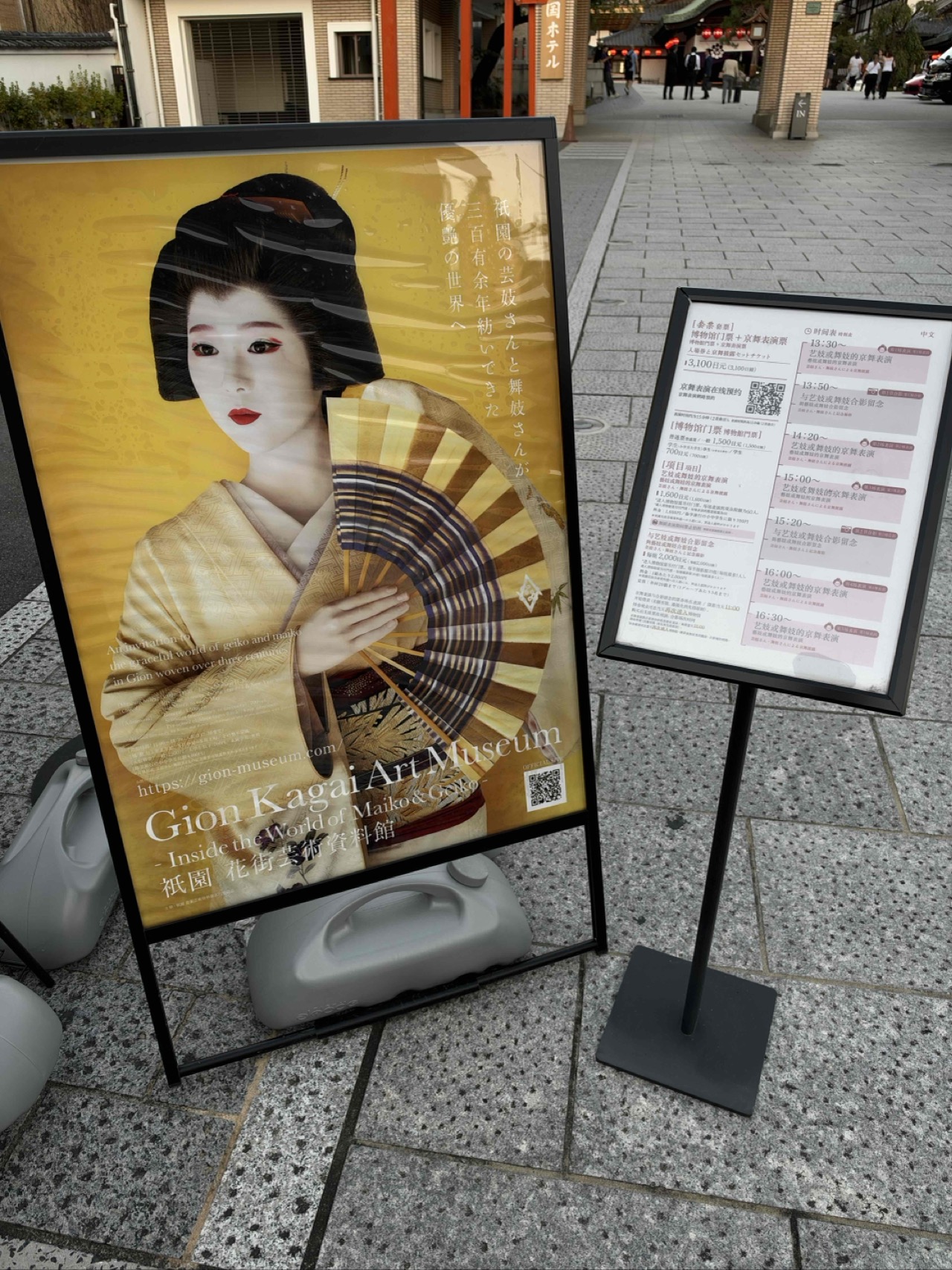
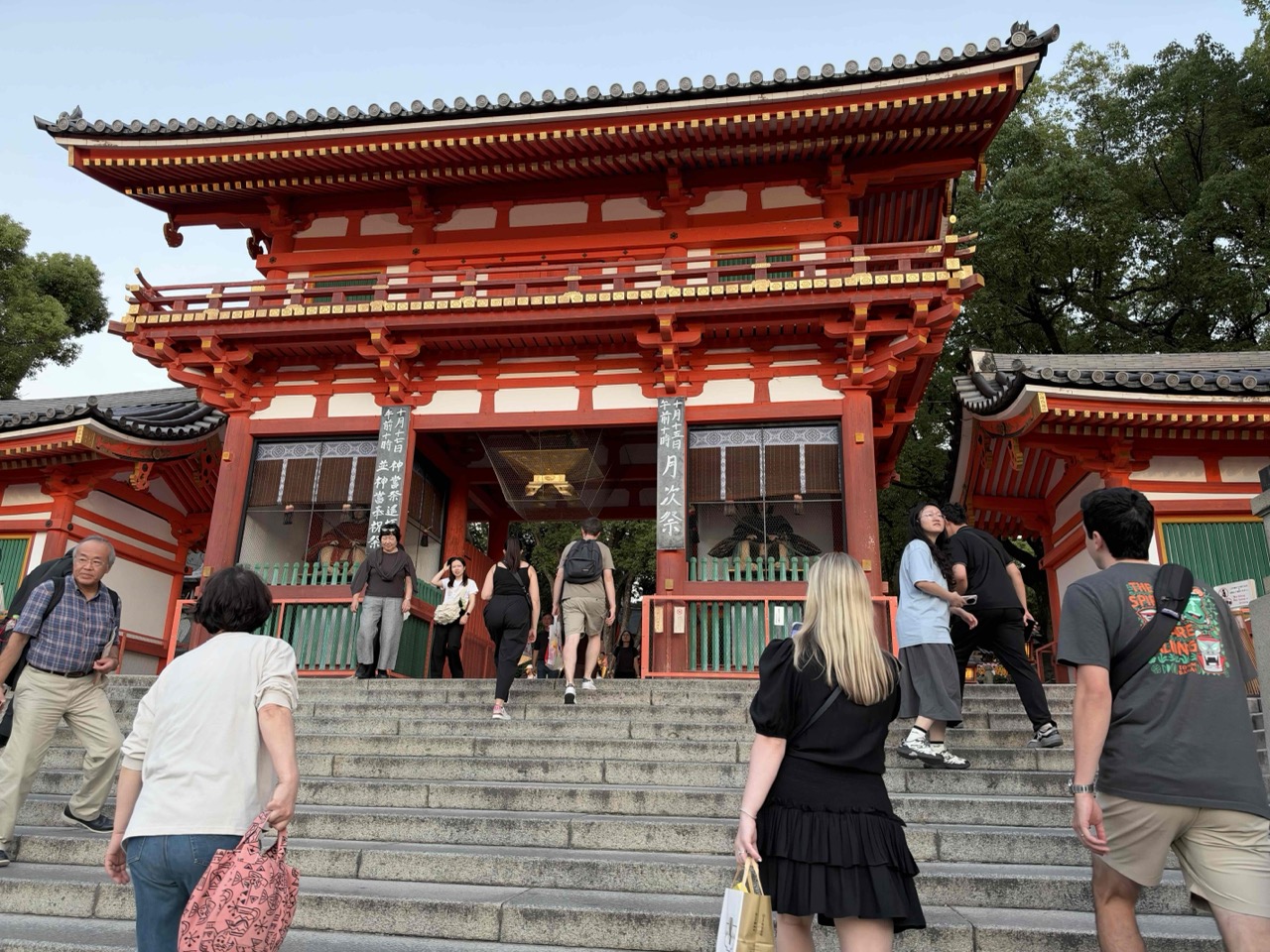
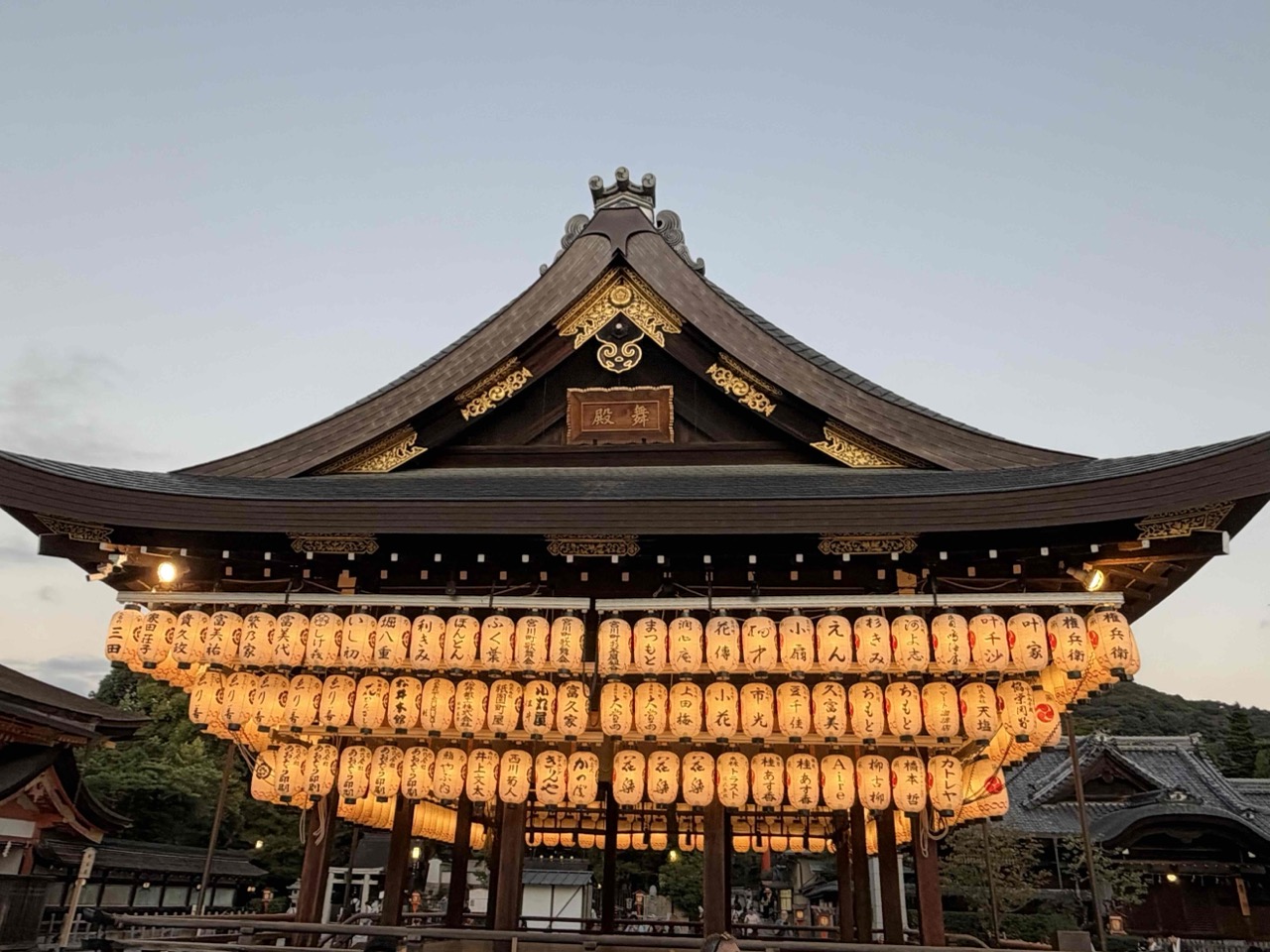
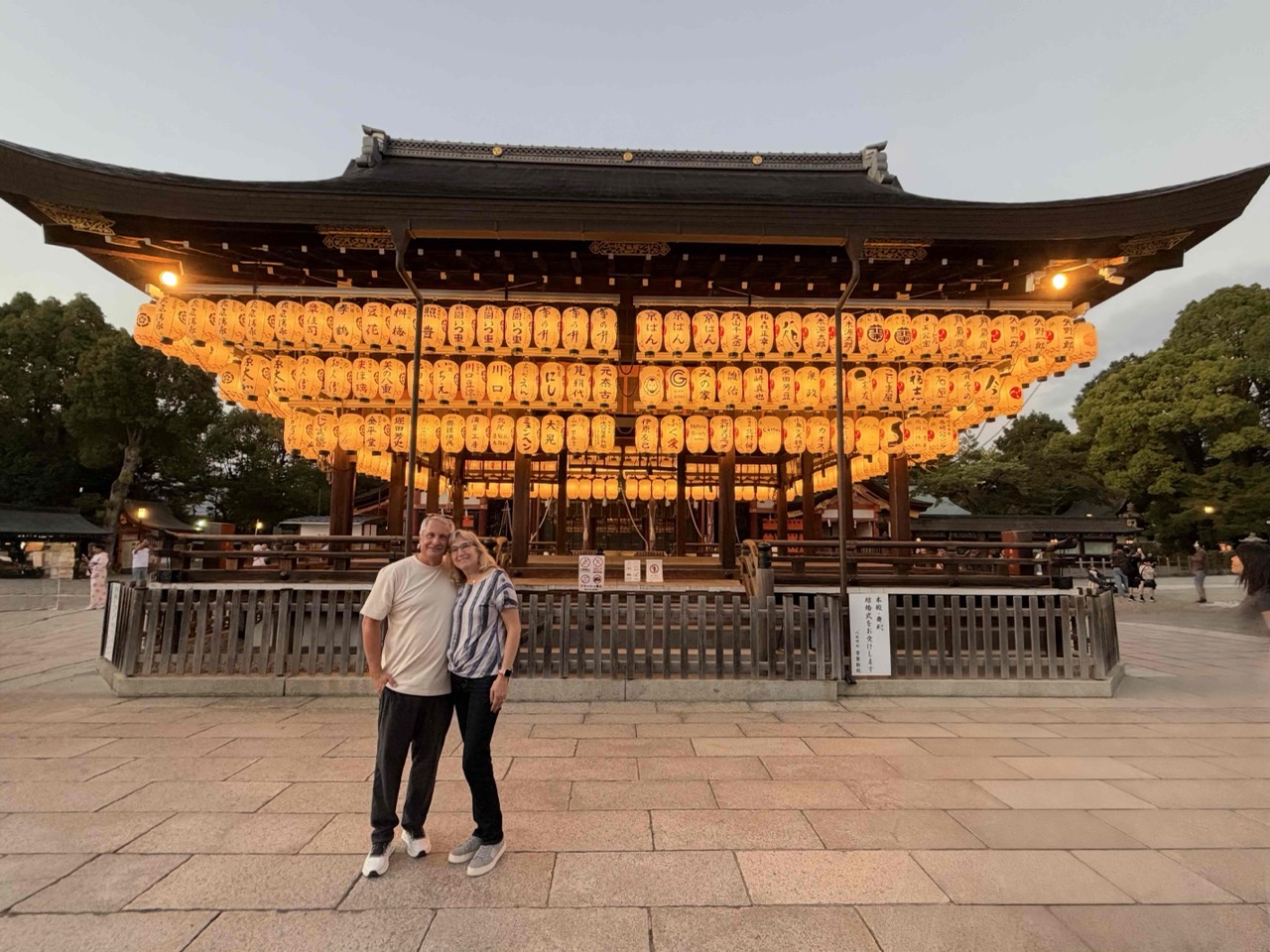
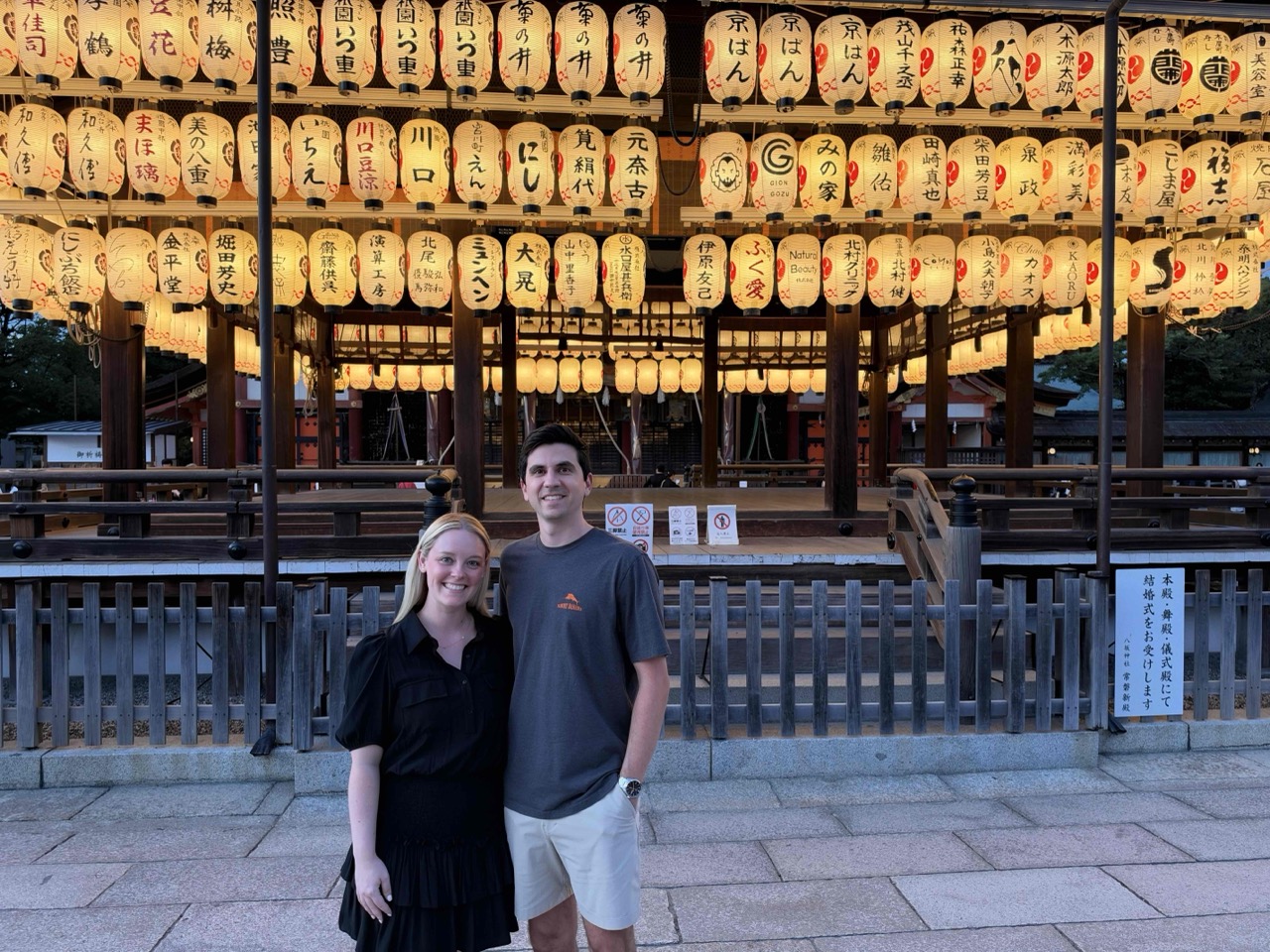
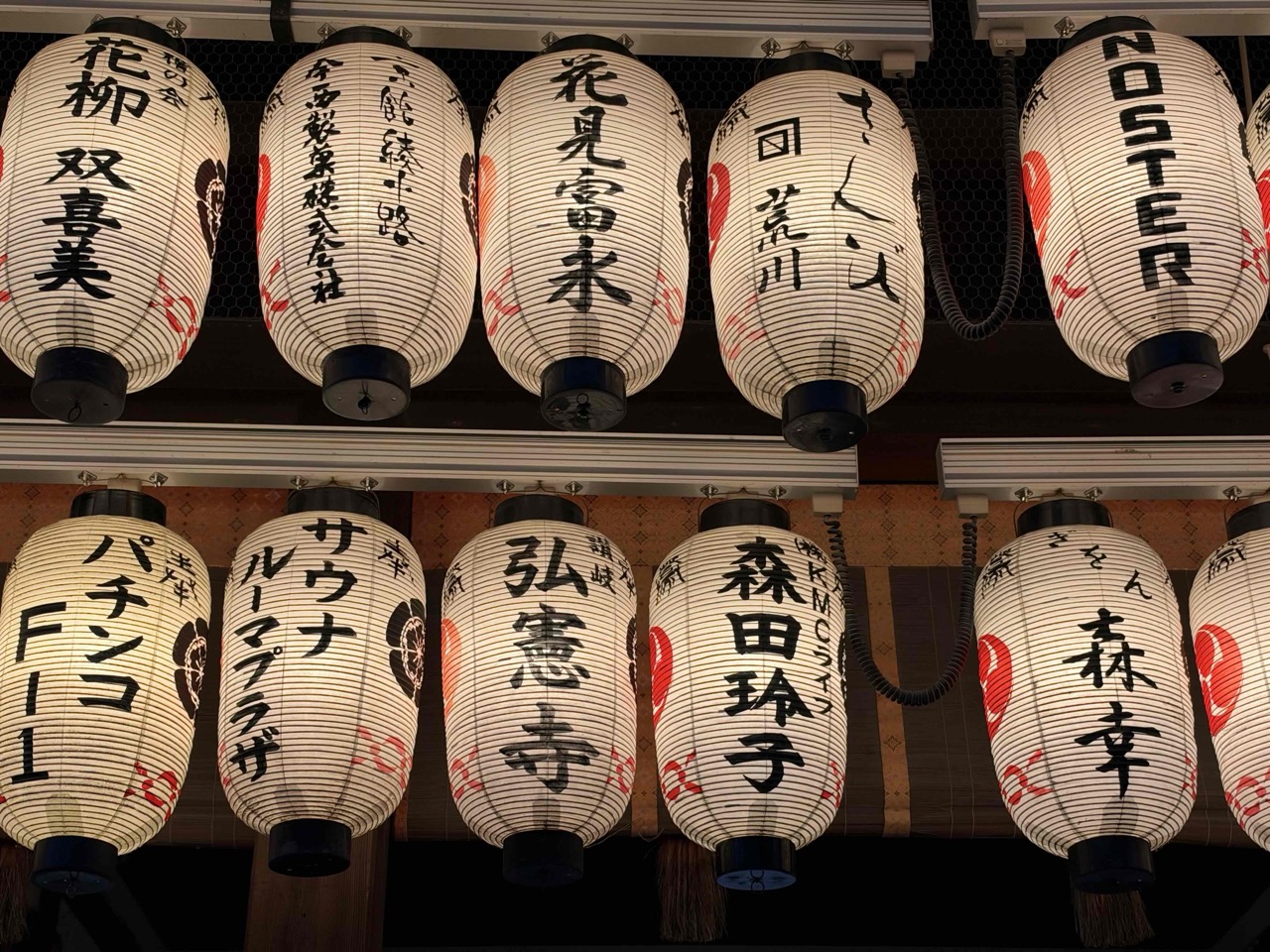
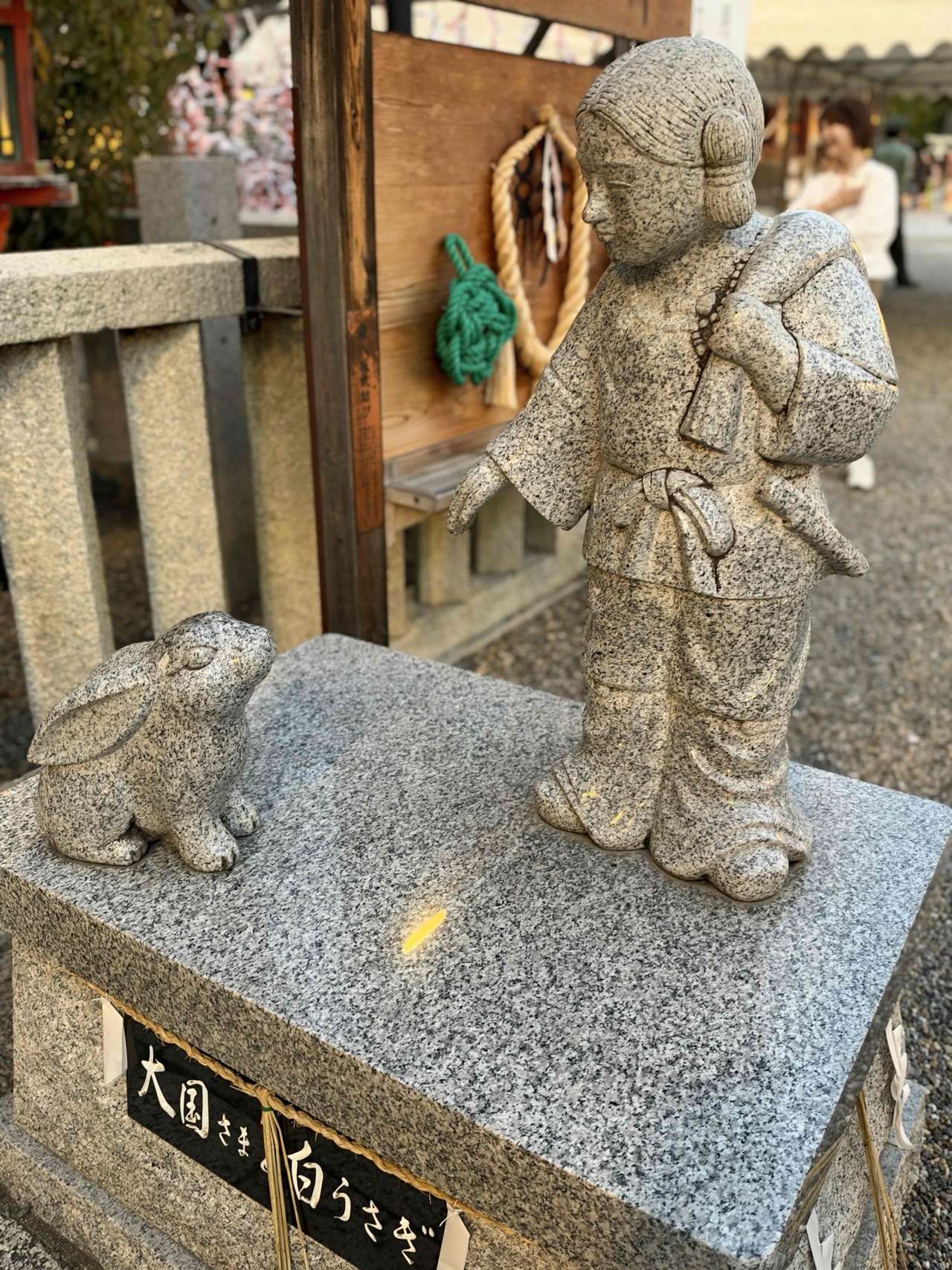
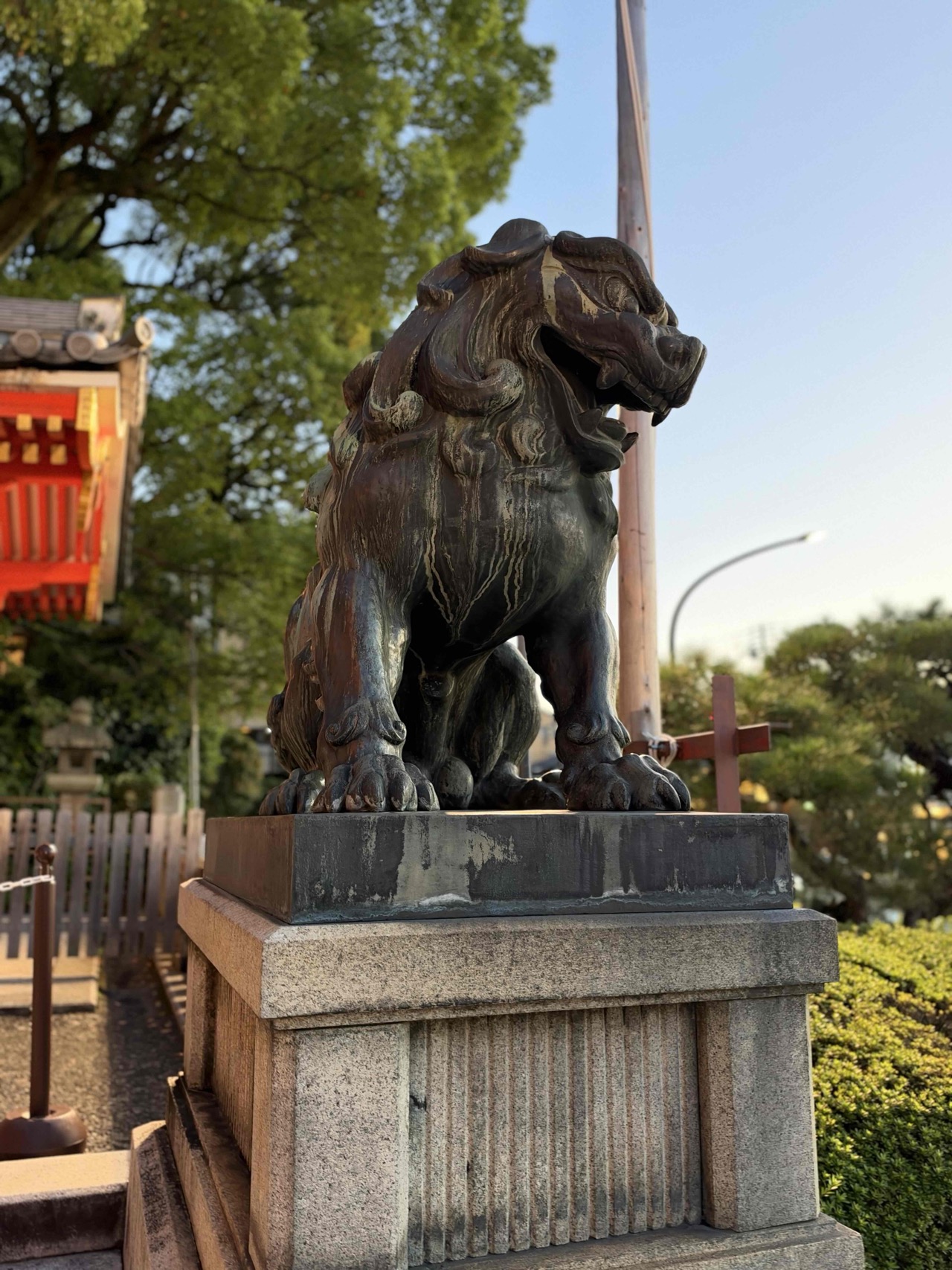
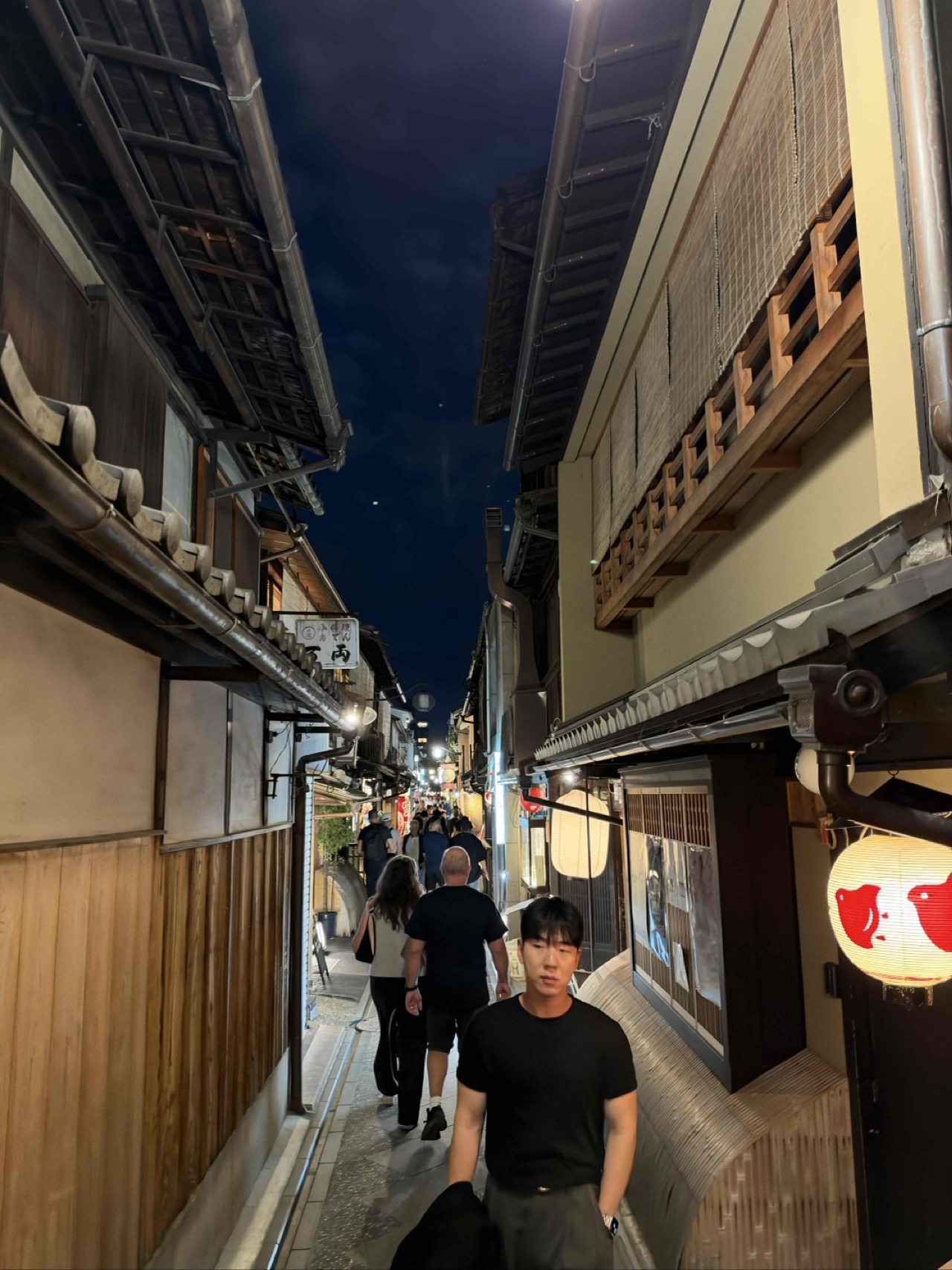
As the afternoon light softened, we made our way into the Gion district — Kyoto's famous geisha quarter — walking the traditional cobblestone streets of Hanamikoji as dusk settled in. The old machiya townhouses, paper lanterns glowing in the windows, and the occasional glimpse of a geiko or maiko slipping between doorways made it feel like stepping back 200 years. We also stopped at Yasaka Shrine and the stunning Yasaka Pagoda, both of which were absolutely magical in the evening light.
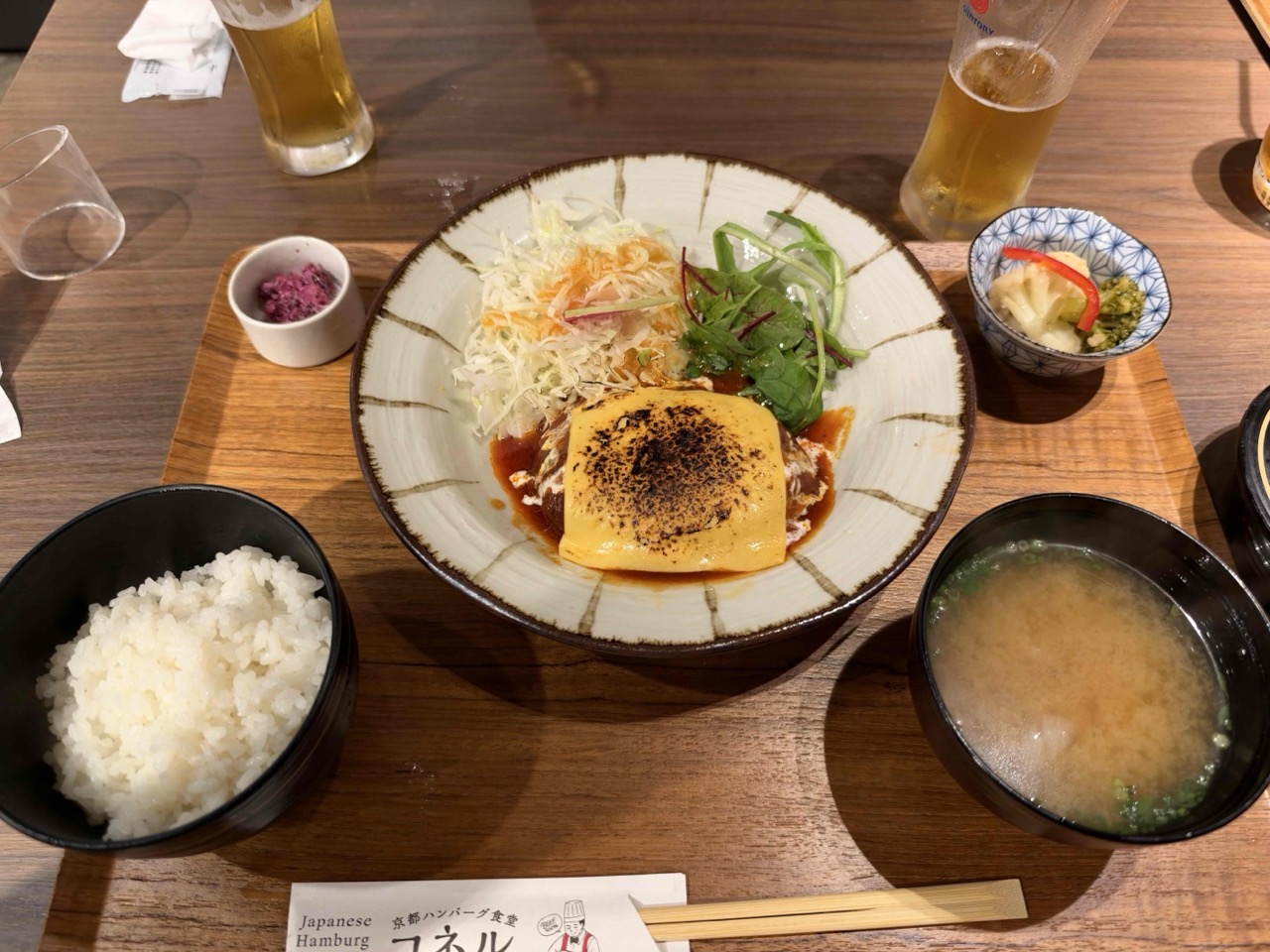
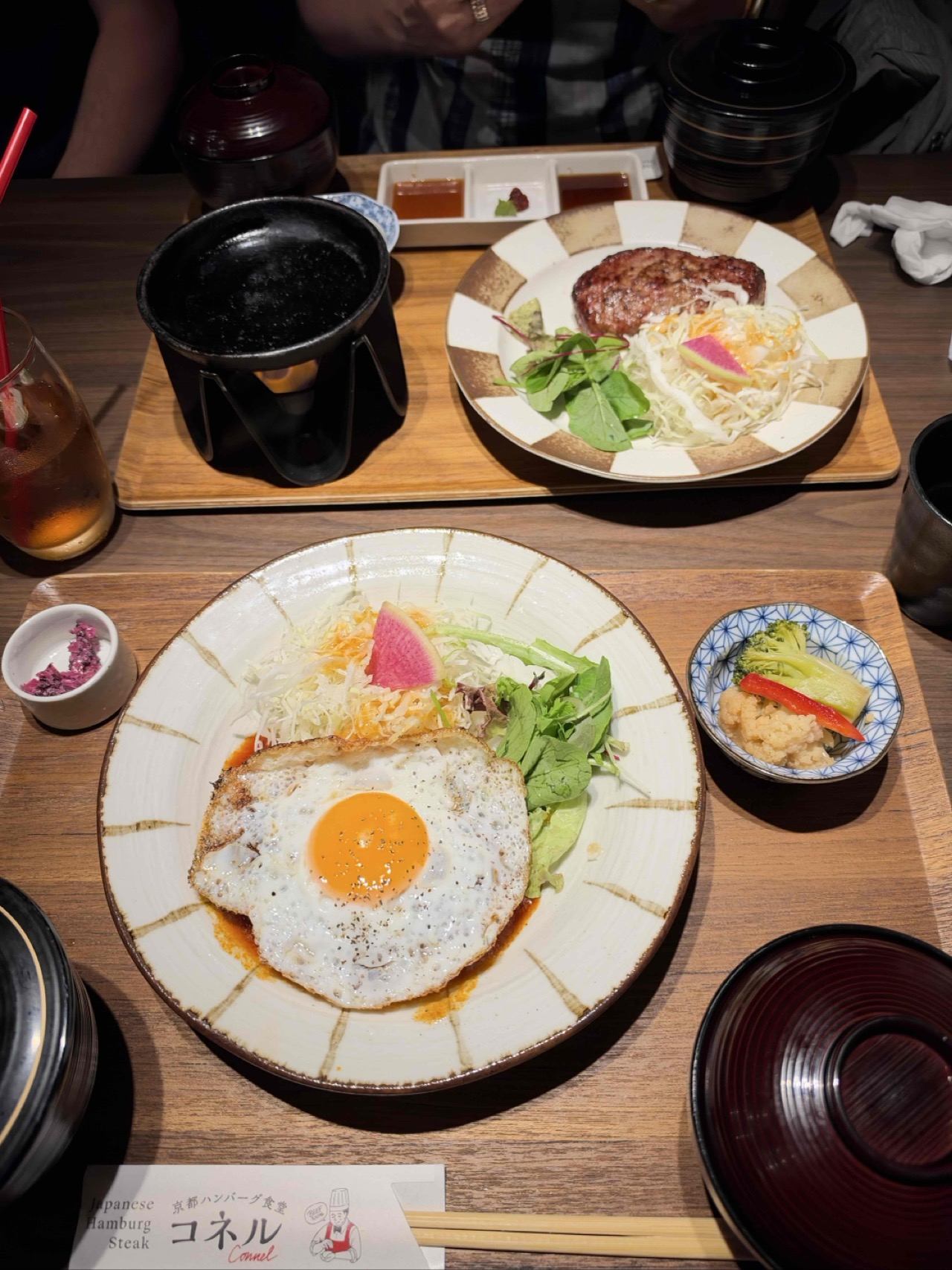
We wrapped up the day with dinner at Kyoto Hamburger Steak "Conel" — a local favorite that hit the spot after a long day on foot.
What's Next
Today we explore the Arashiyama district and shop at Nishiki Market — Kyoto's famous covered food market nicknamed "Kyoto's Kitchen."
— David