
Day 9: Nara & Uji
Nara & Uji • October 11, 2026 • Day 9 of 14
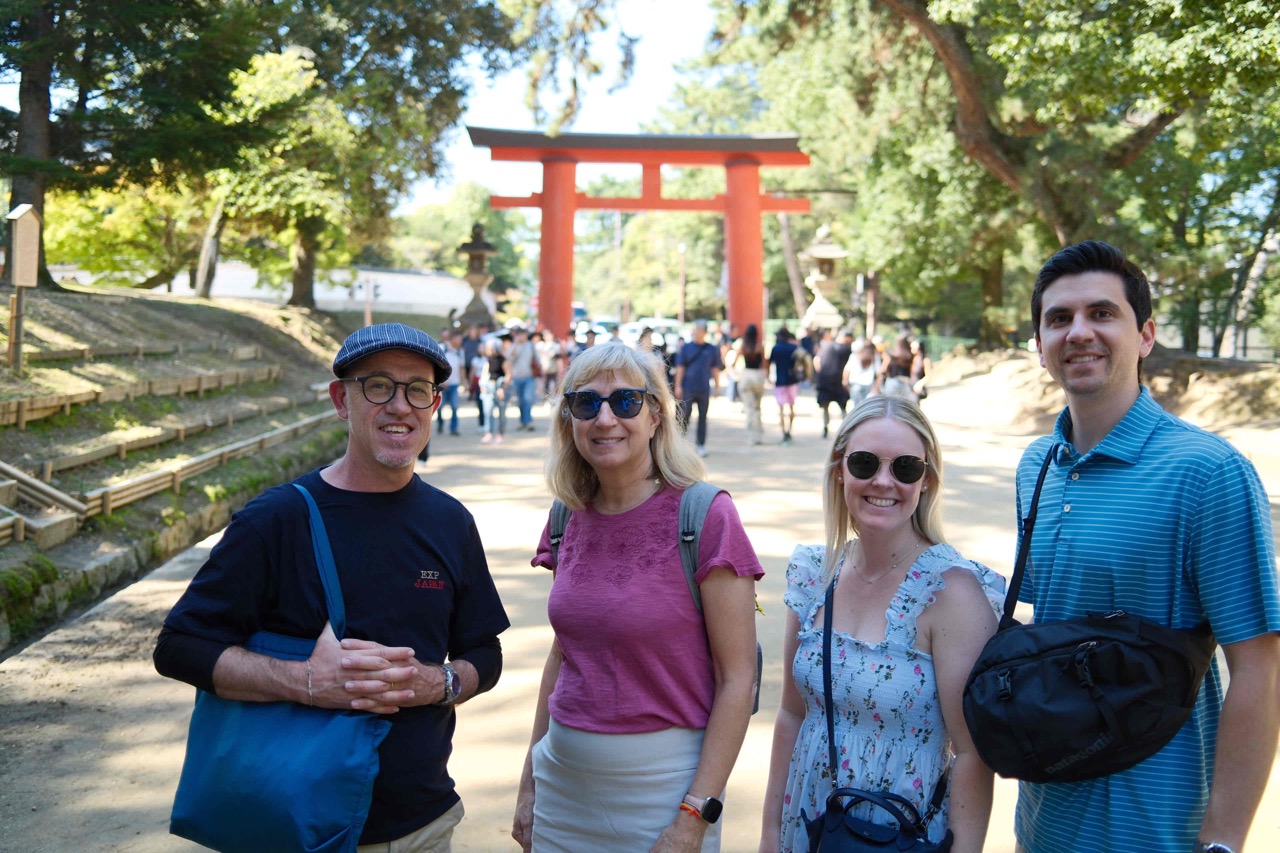
Today was a real treat — we spent the entire day with Scott Kent, the owner of Experience Japan, who lives with his family between Kyoto and Osaka. Scott's deep knowledge of Japanese history, Buddhism, and culture turned every stop into something far richer than your average sightseeing day.
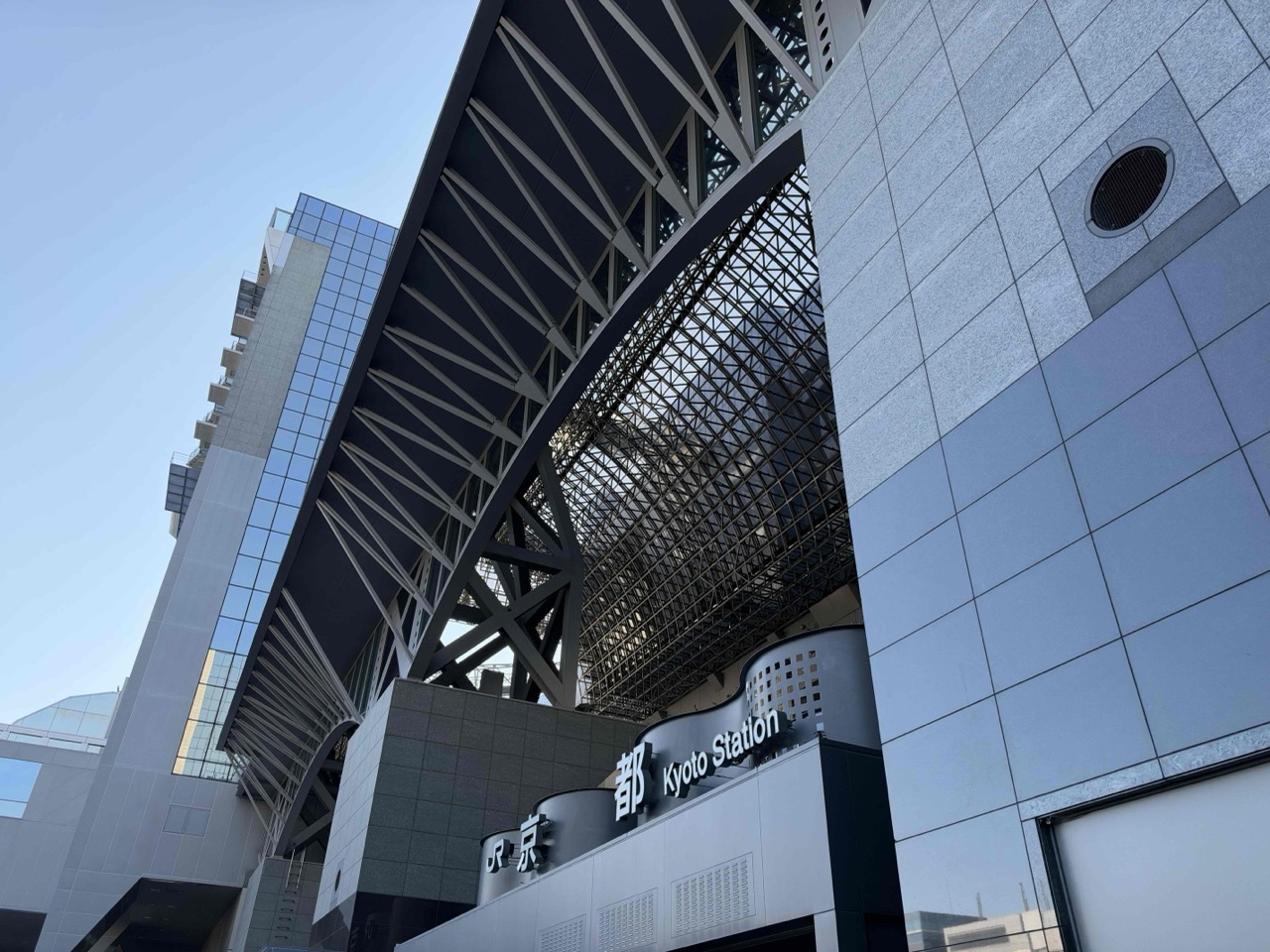
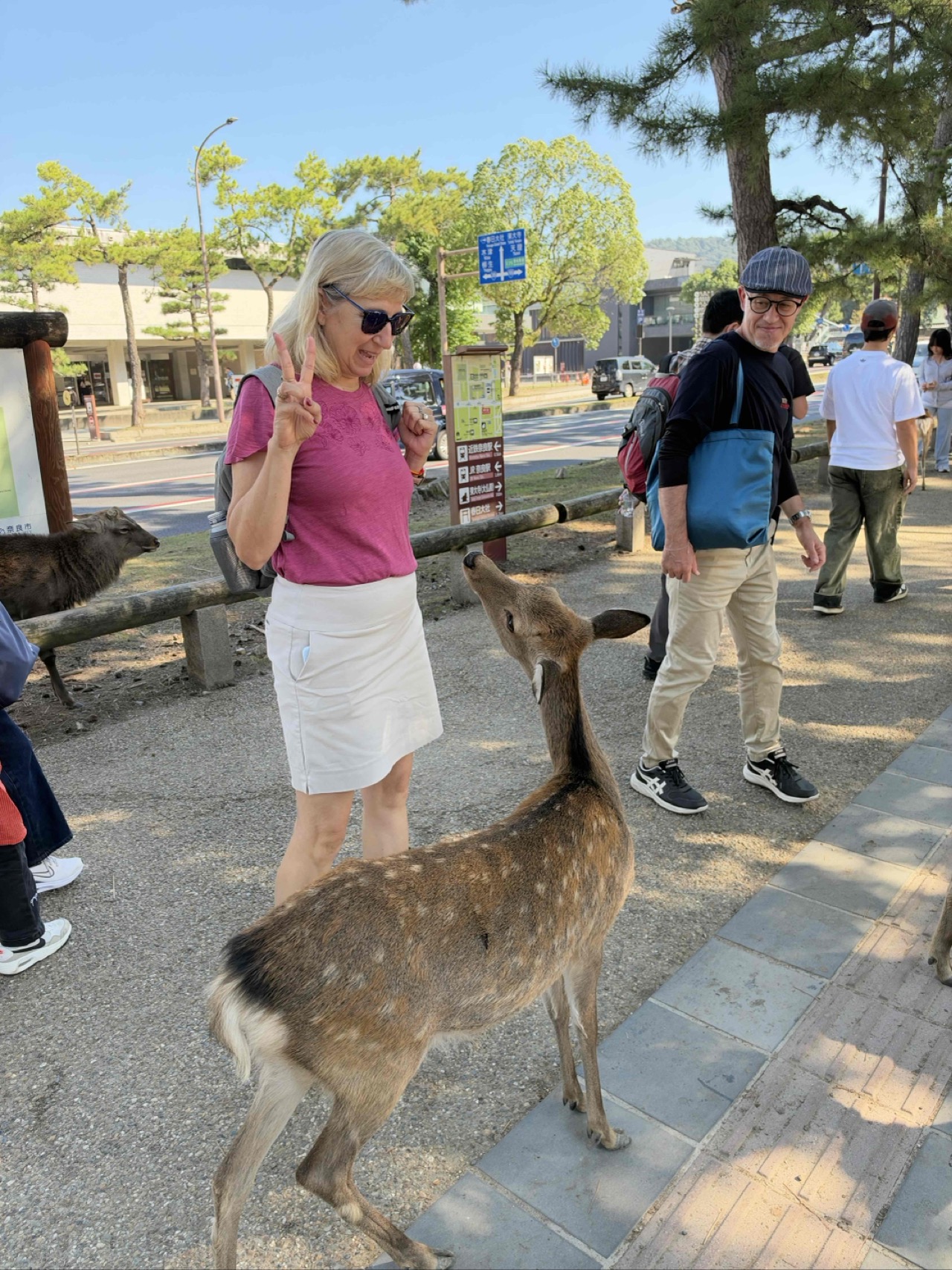
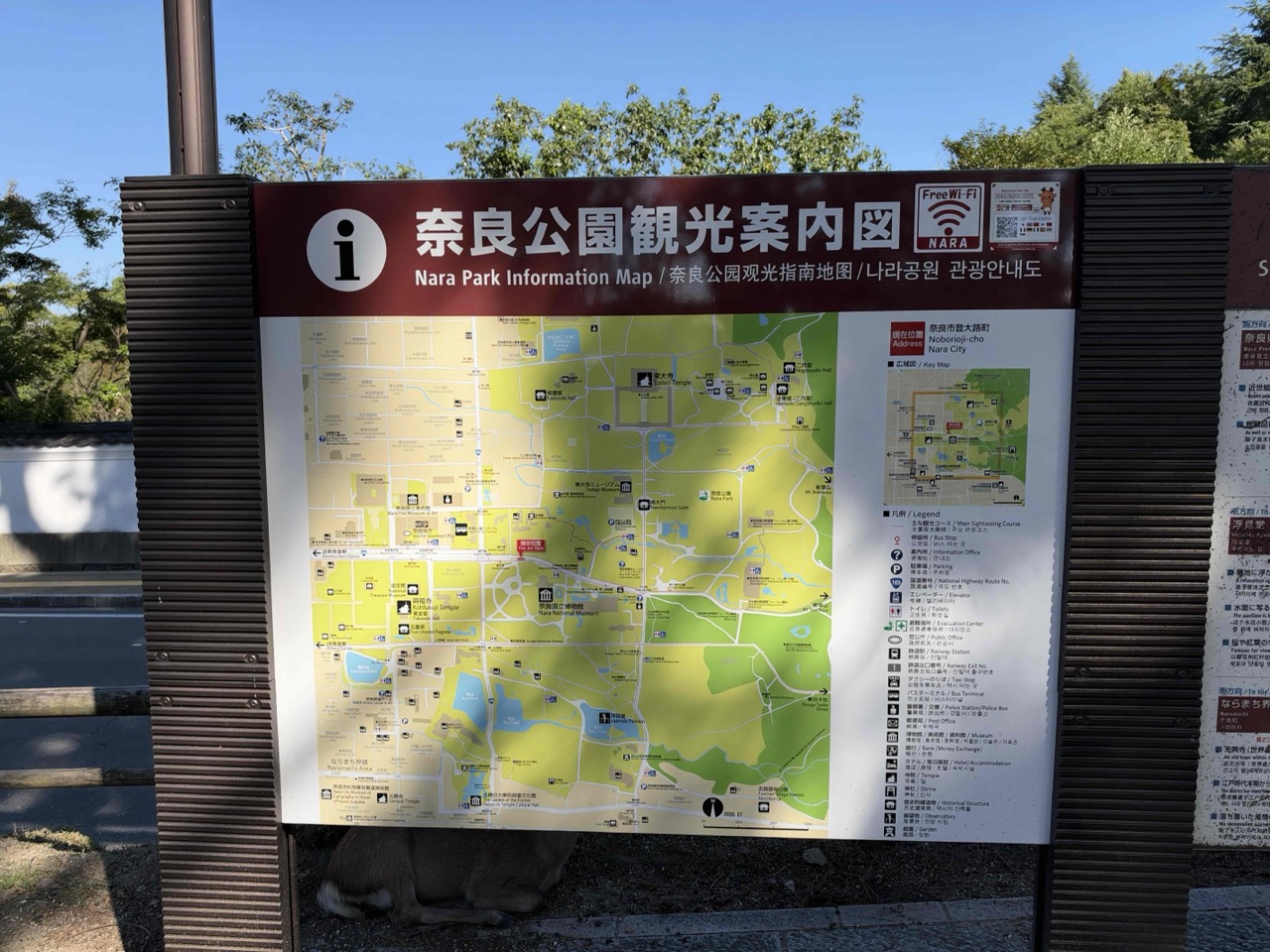
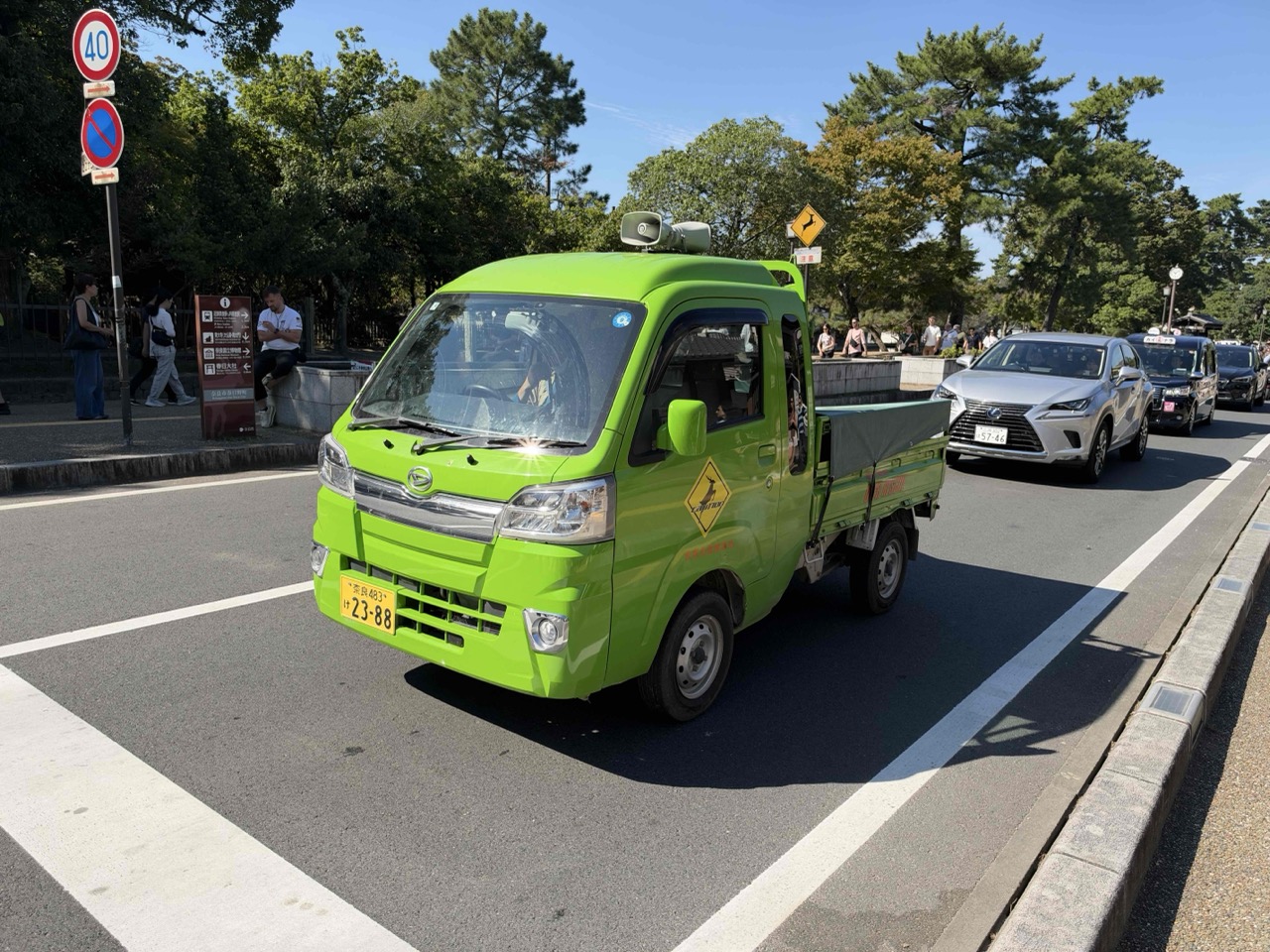
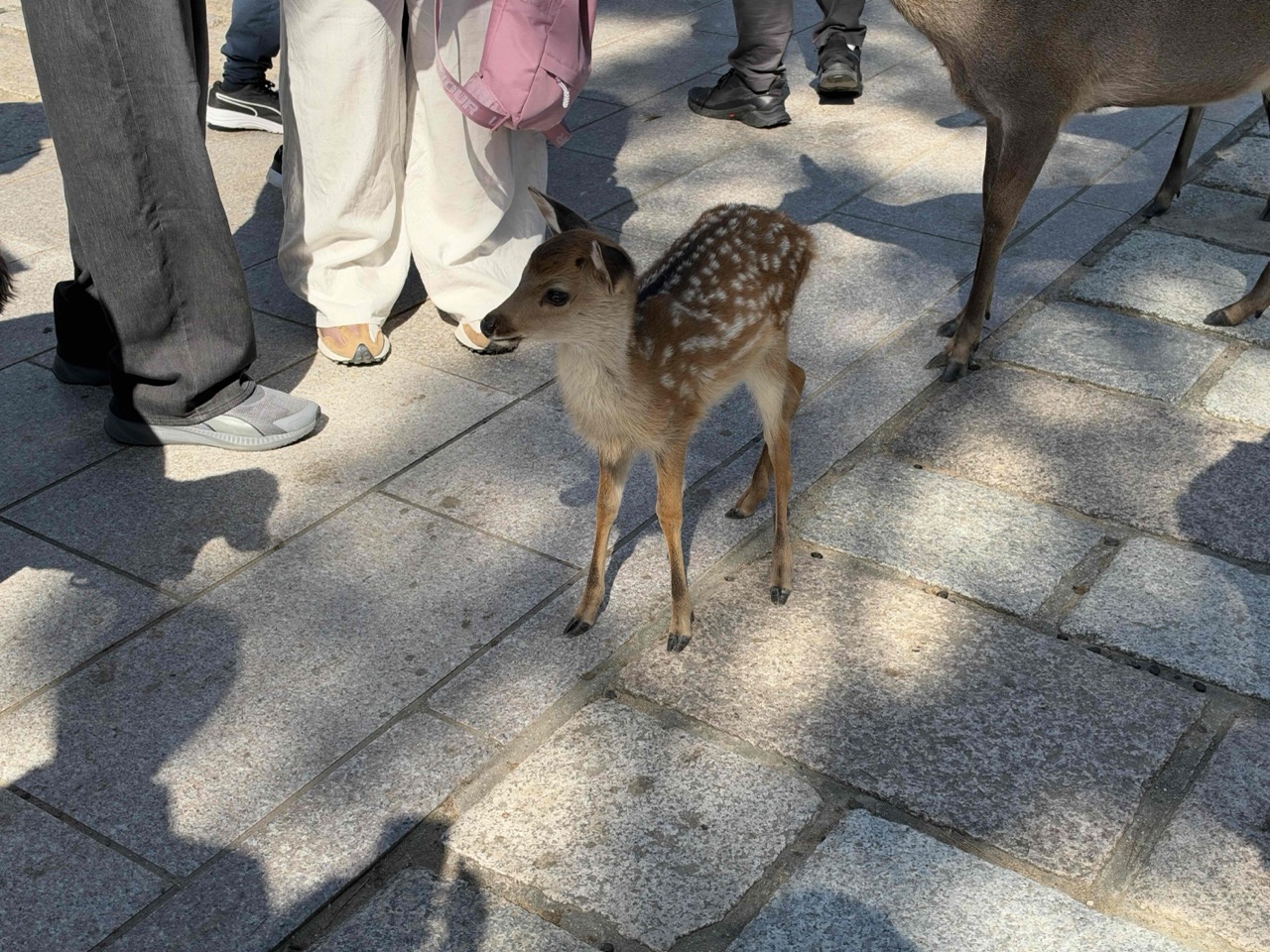
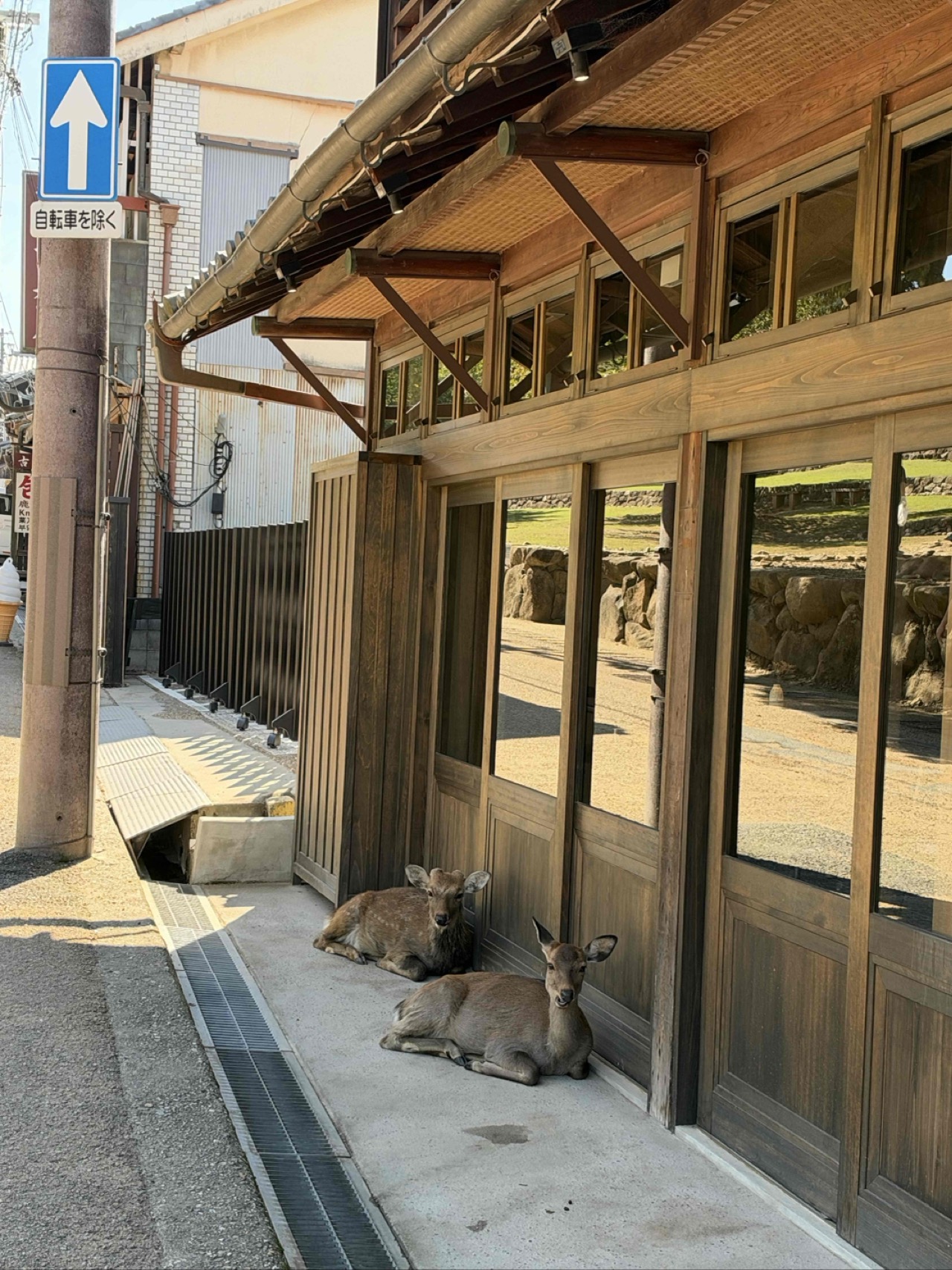
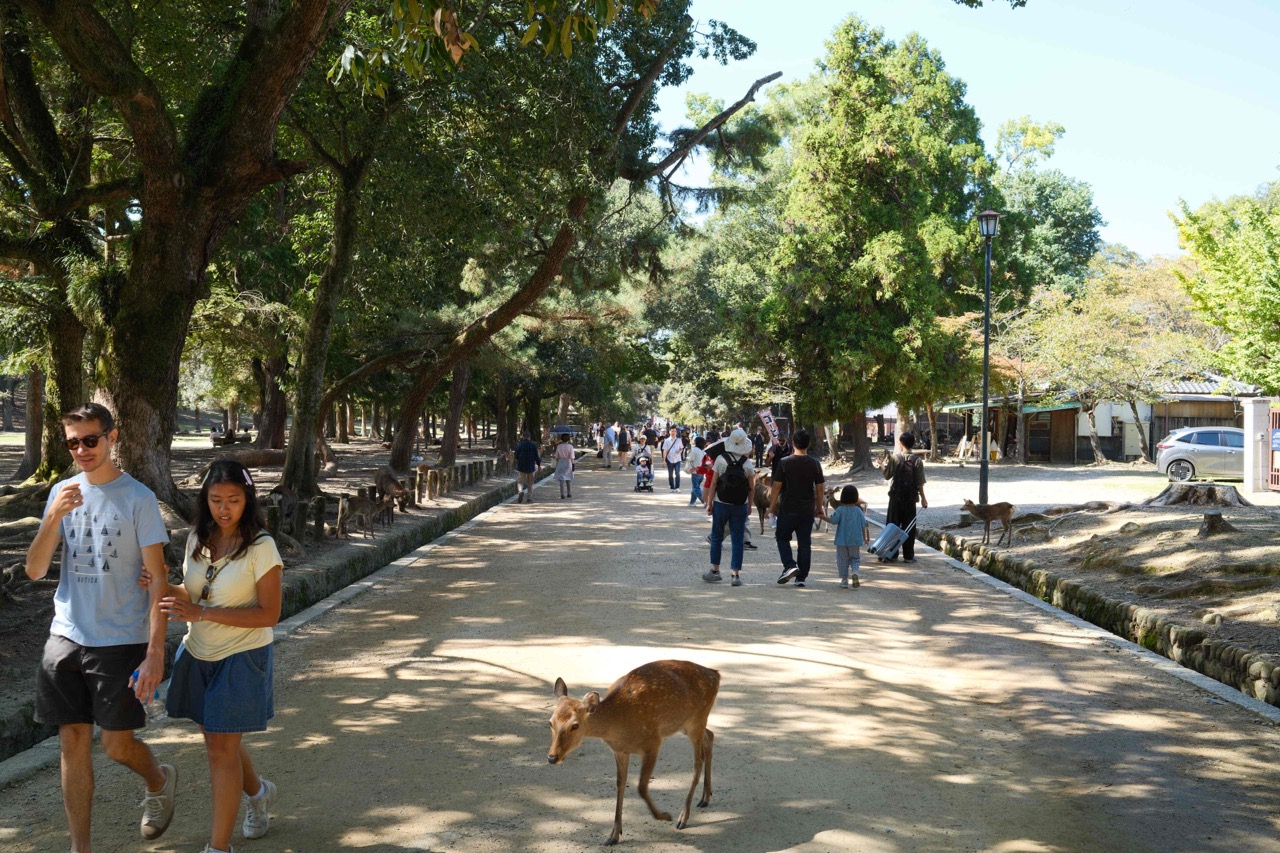
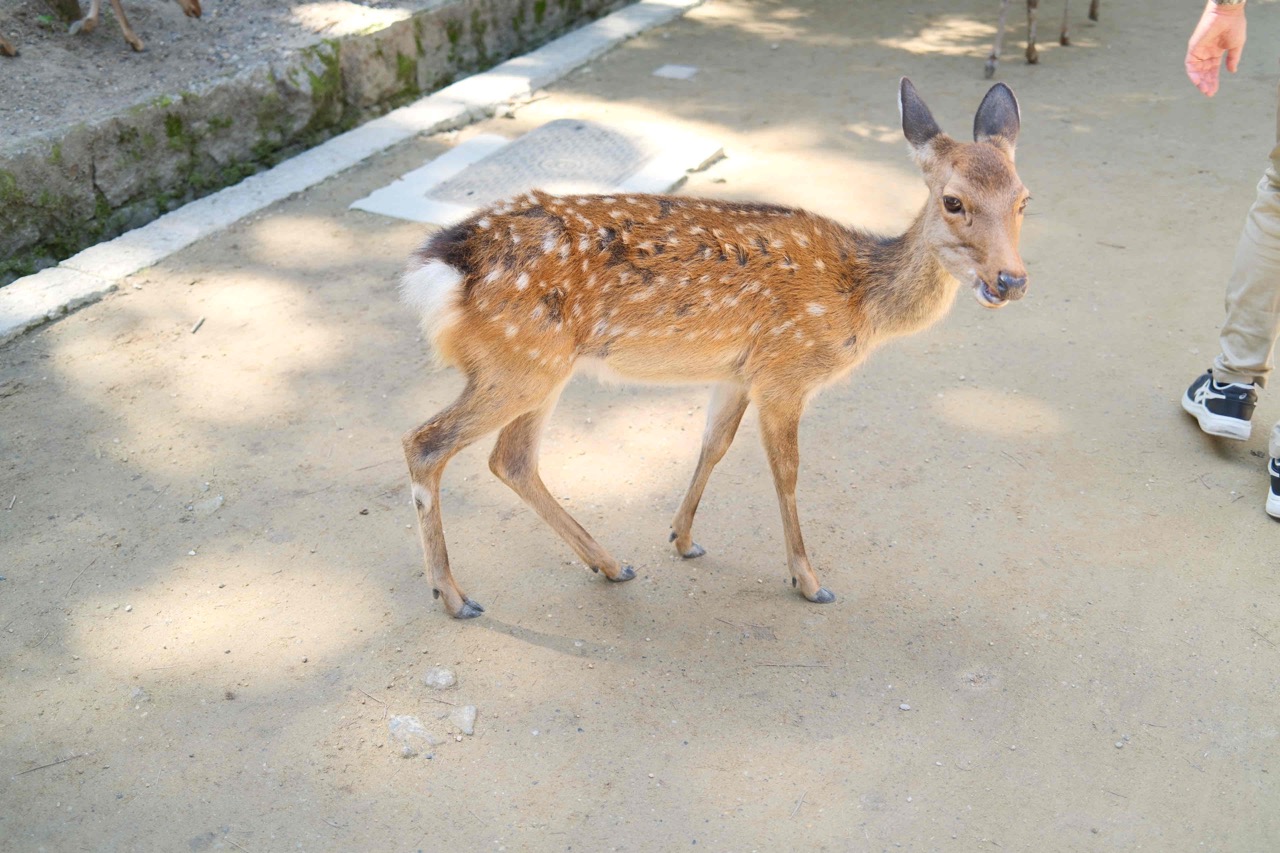
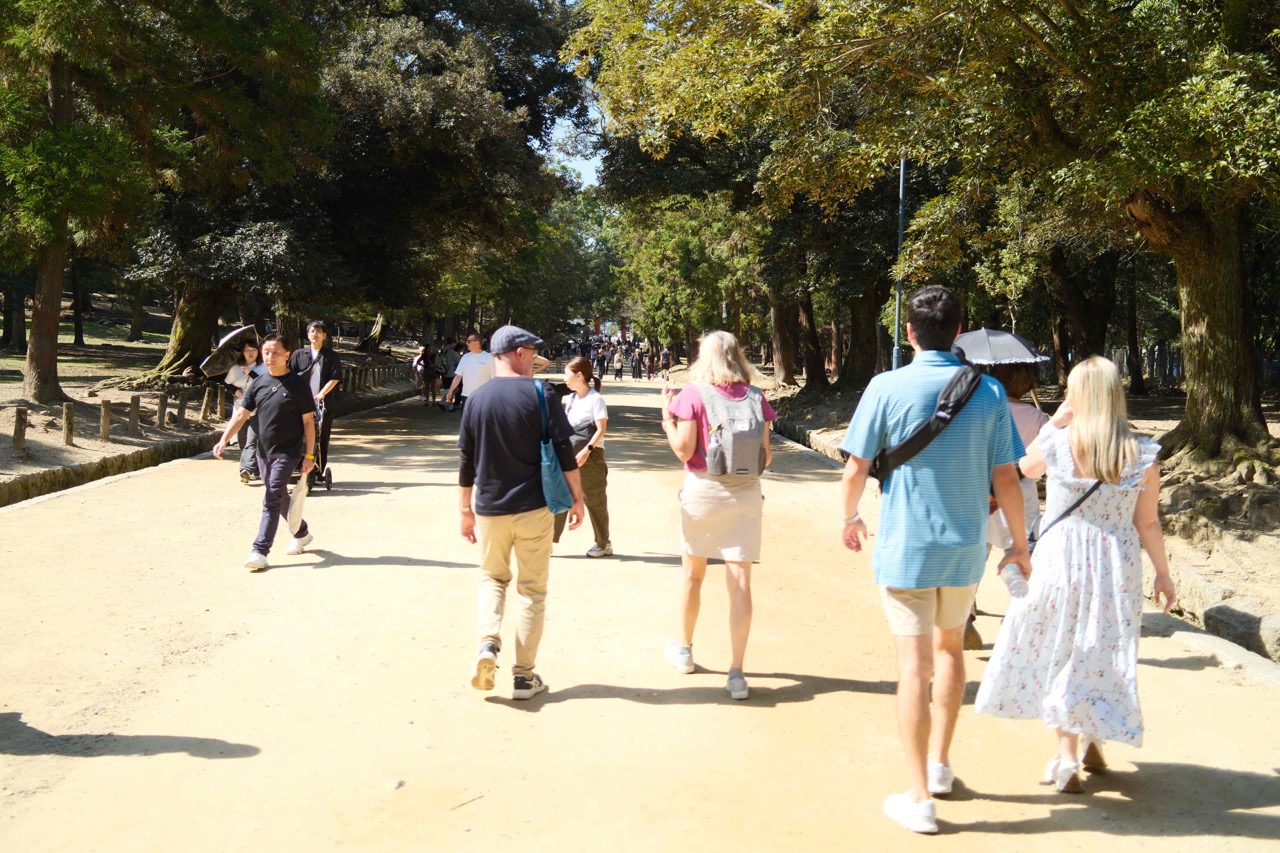
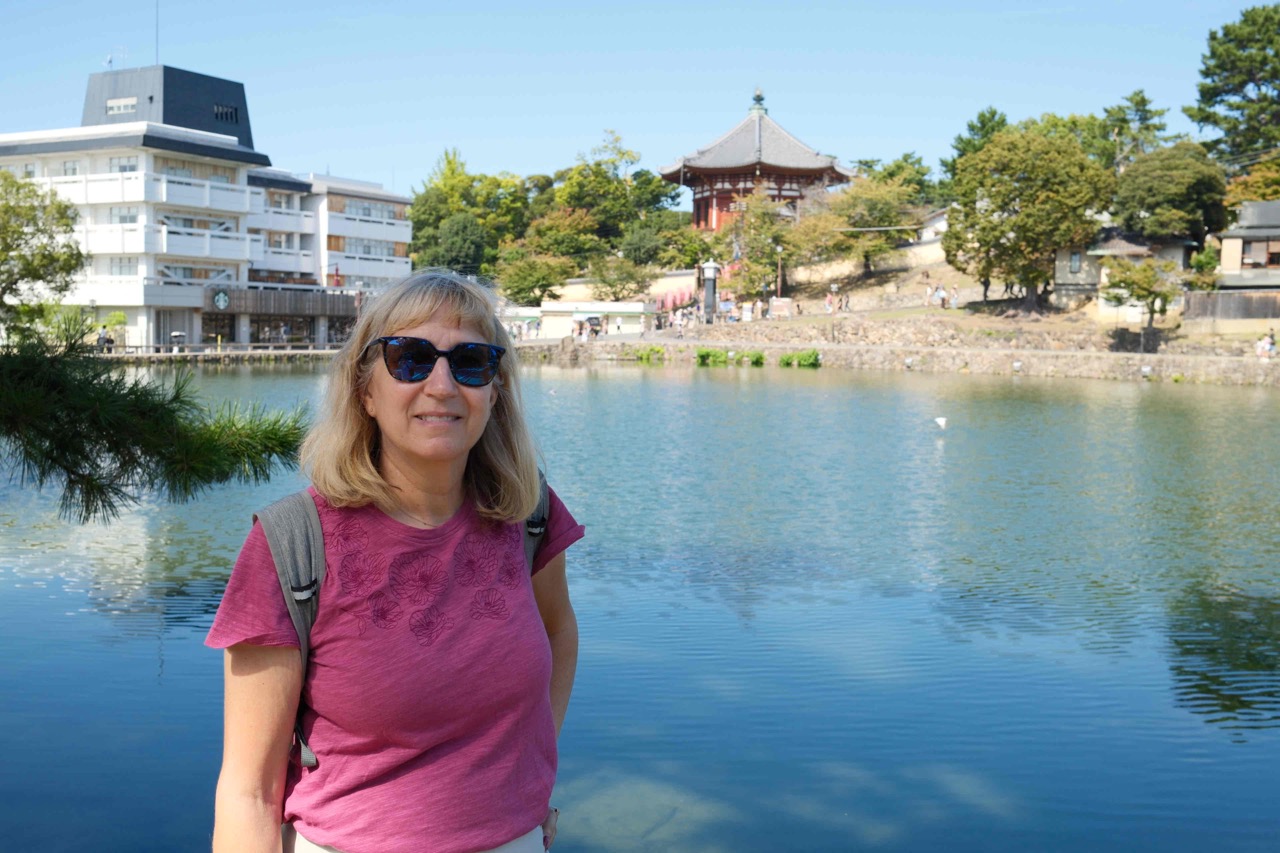
We met Scott at the hotel lobby at 8:15 AM and boarded the Japan Rapid (JR) Train from Kyoto, arriving in Nara at 9:32. From the station we walked through the sprawling Nara Park, home to over 1,300 sacred sika deer that roam freely among the visitors. The walk was beautiful — and sobering in one unexpected moment. We came across a park ranger standing vigil over a young deer that had been struck by a car. Scott told us he had never seen anything like it in all his years guiding in Nara.
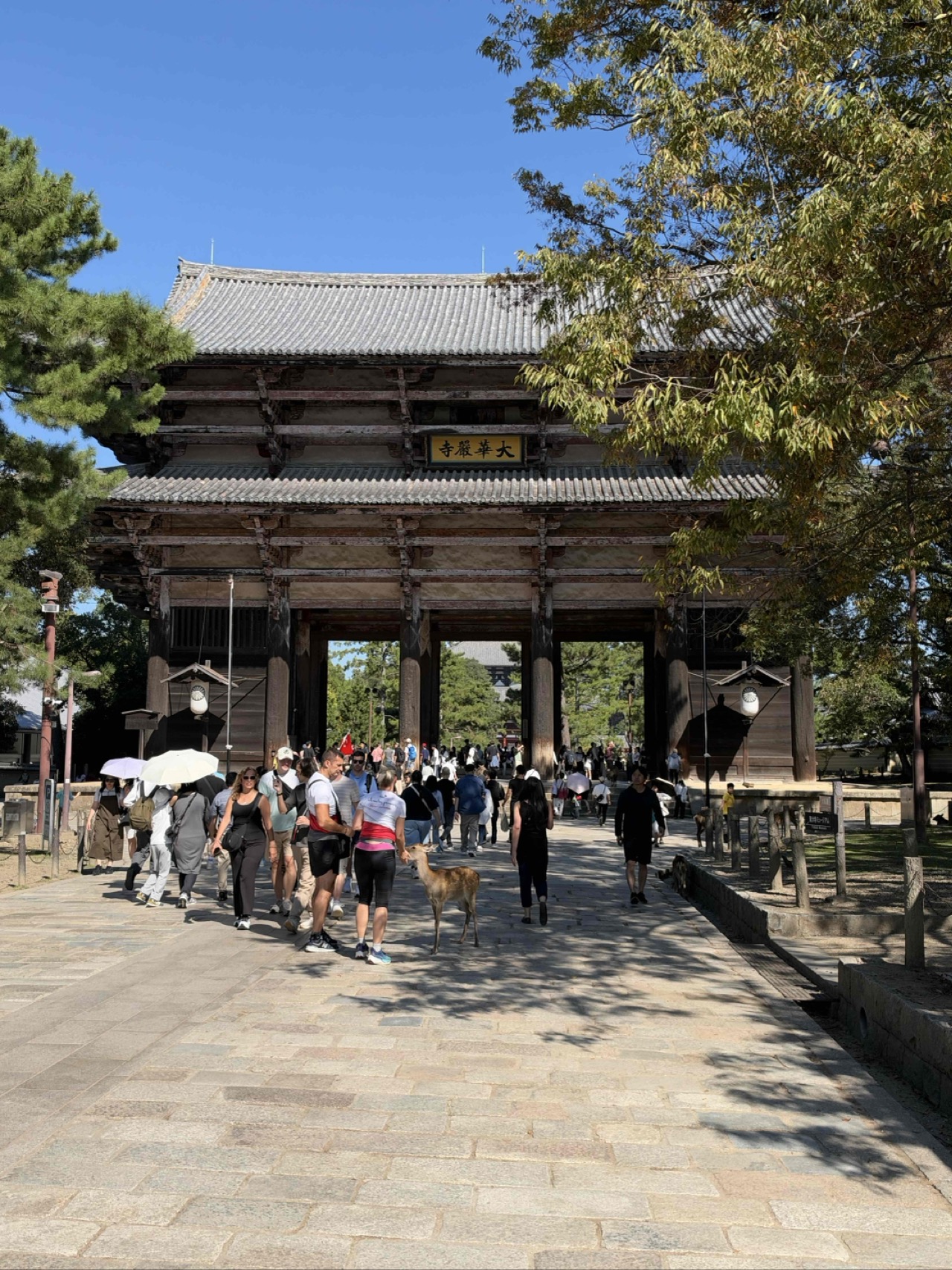
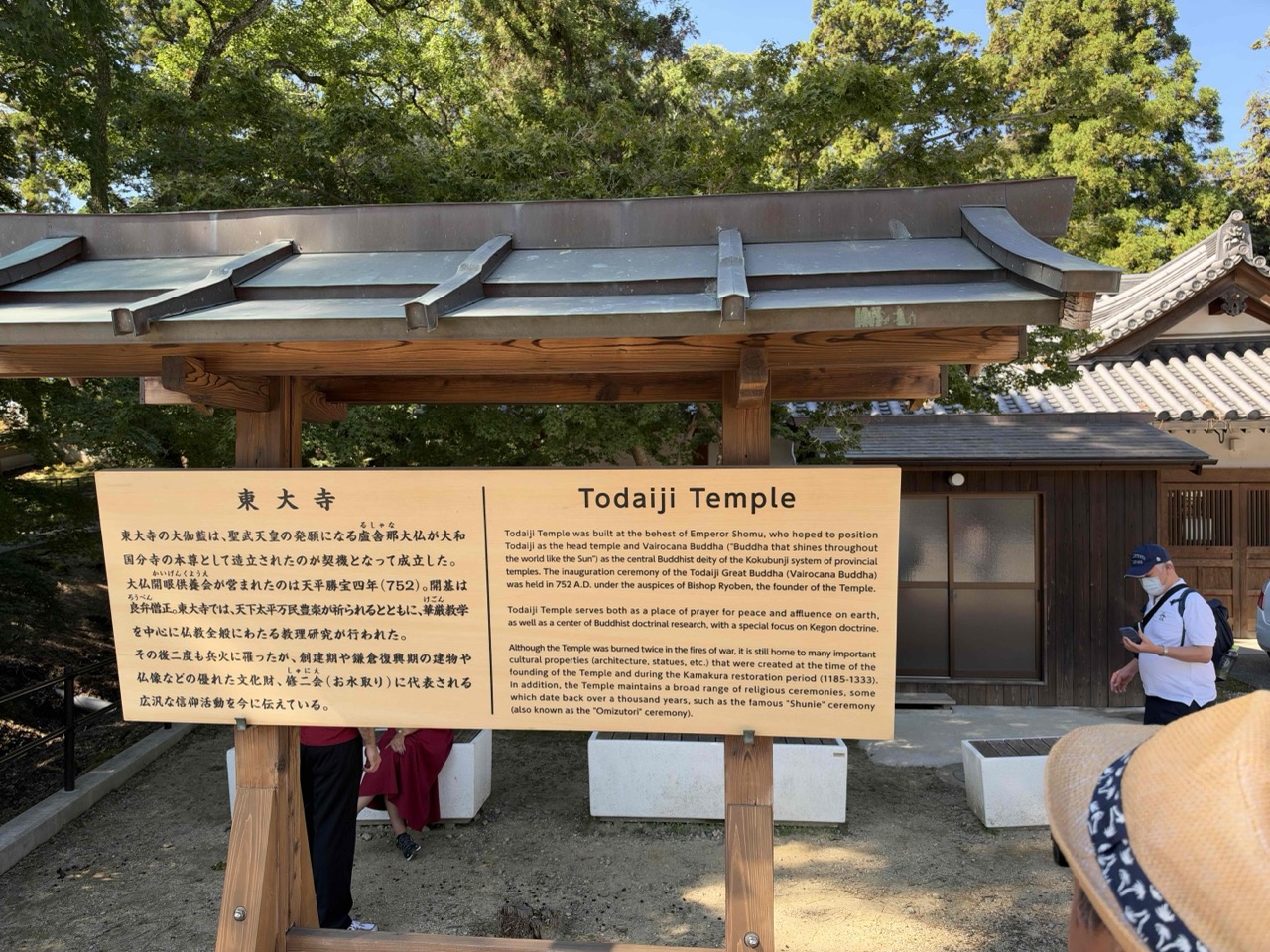
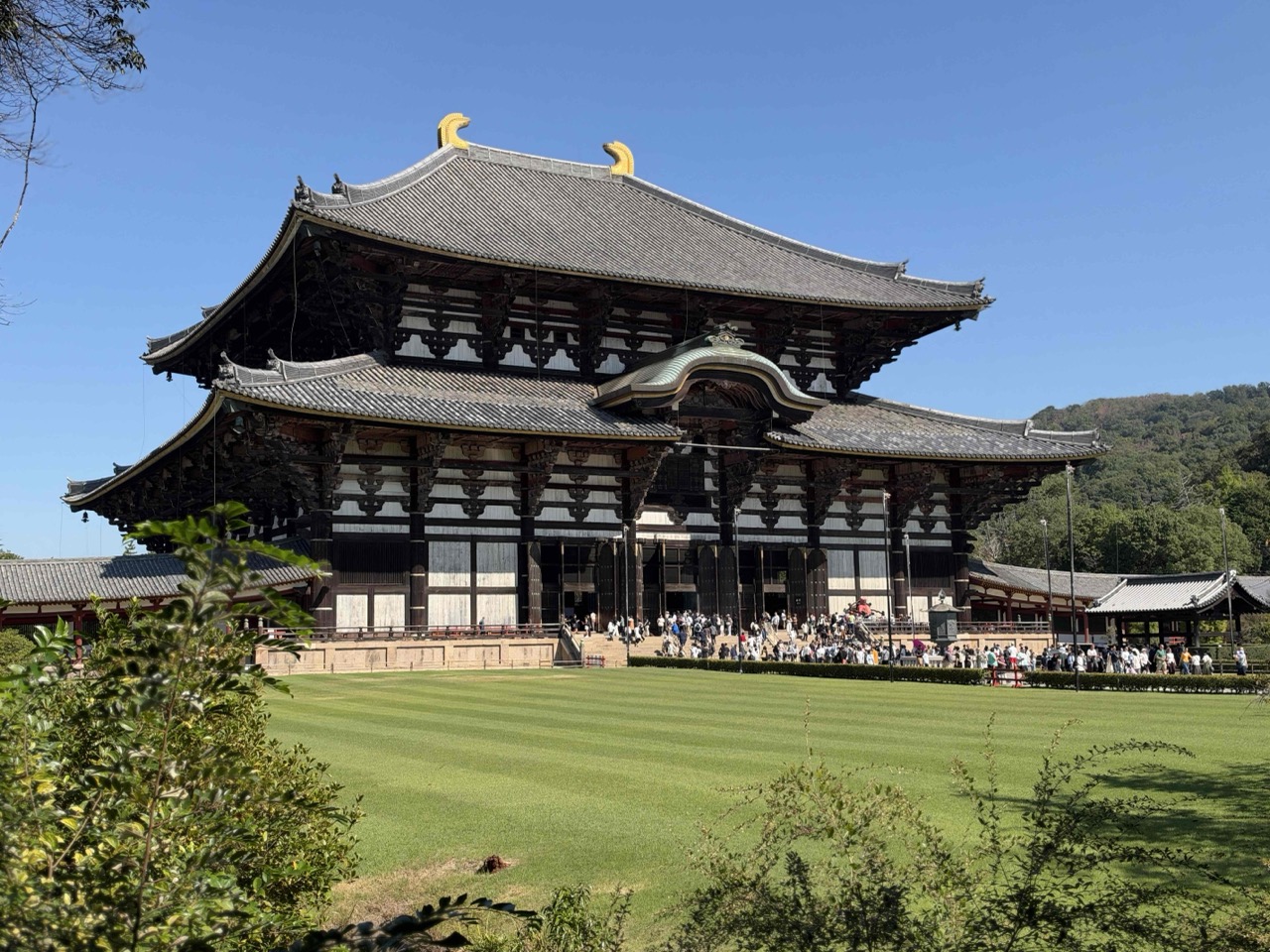
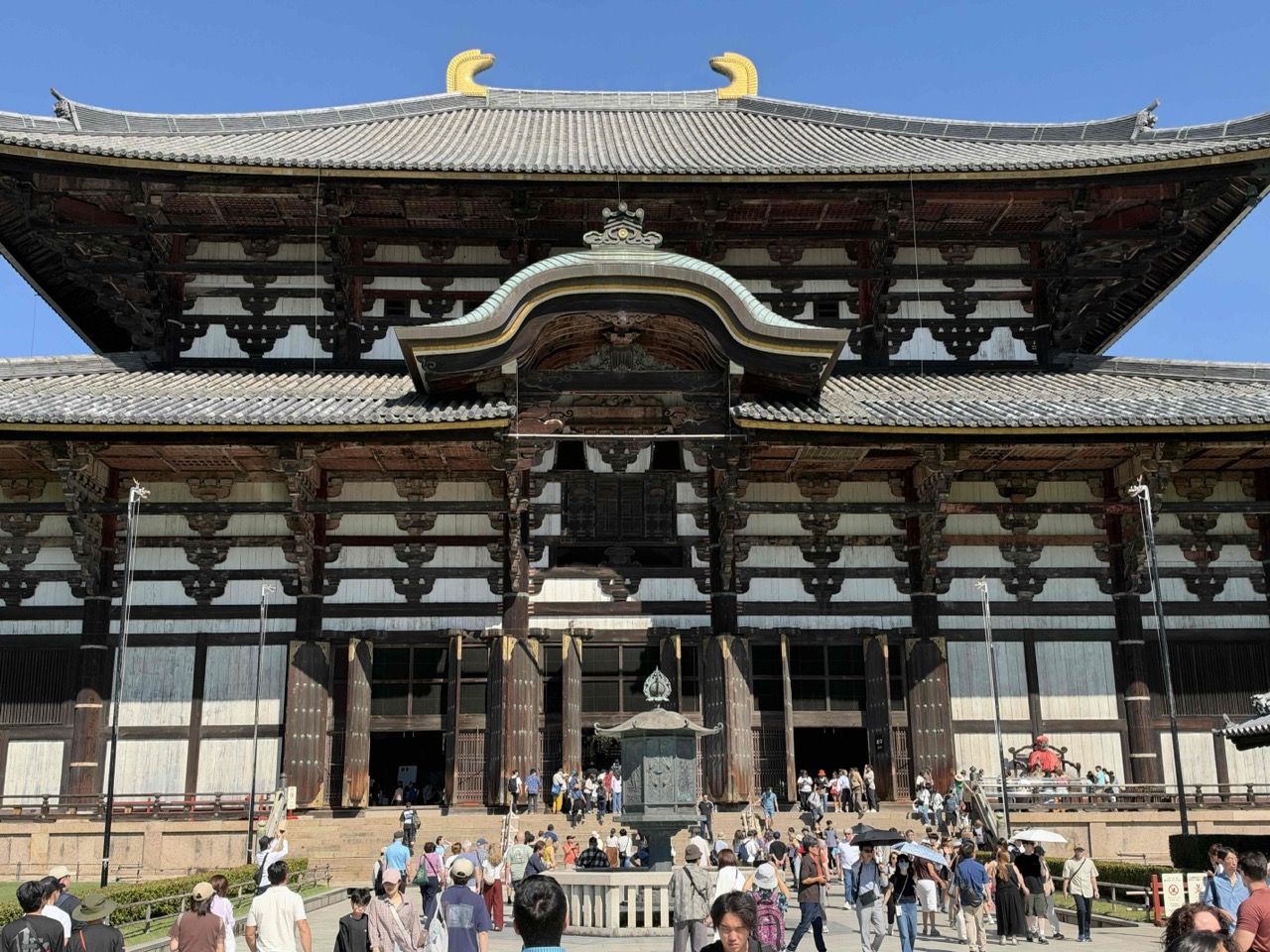
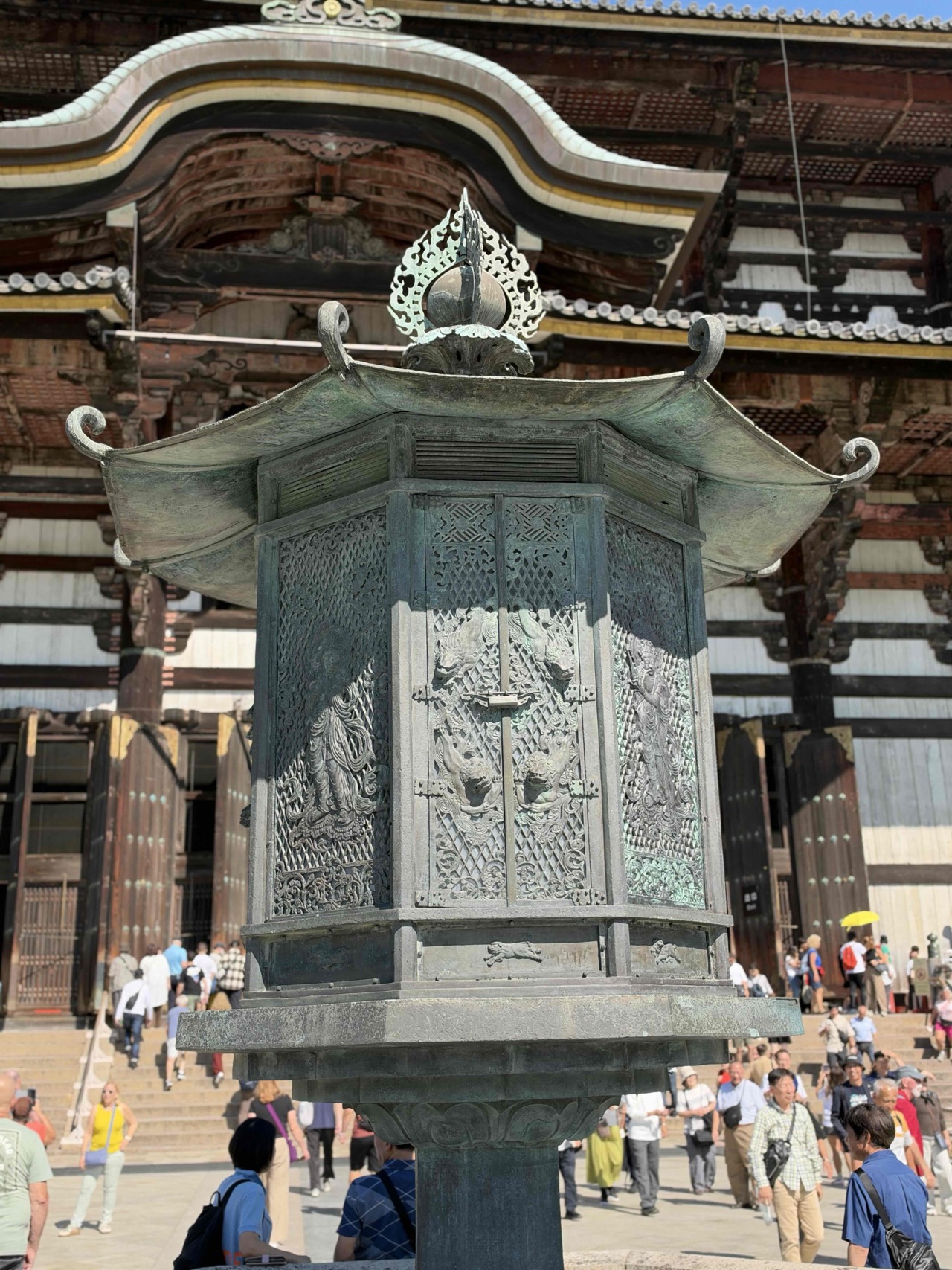
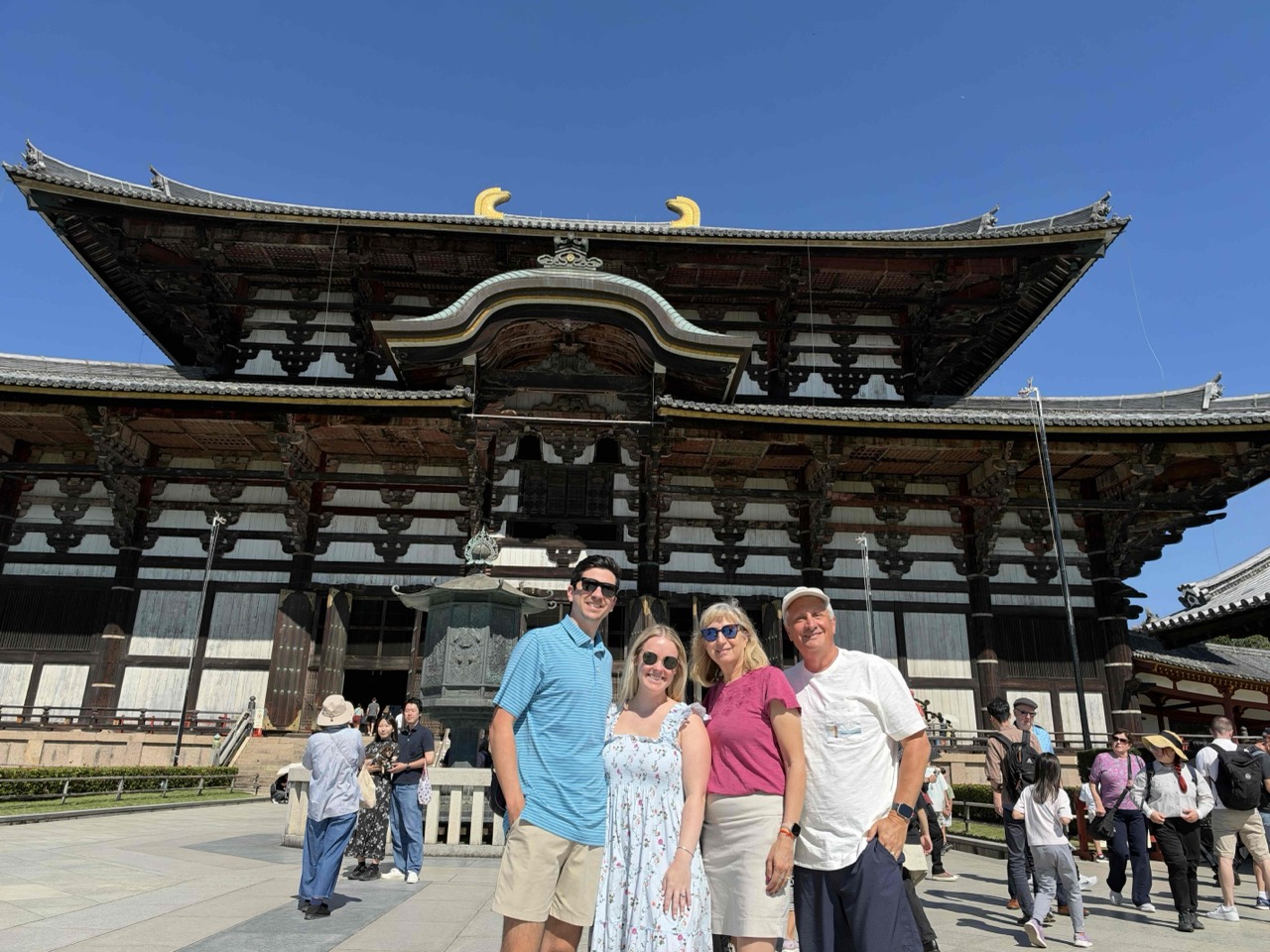
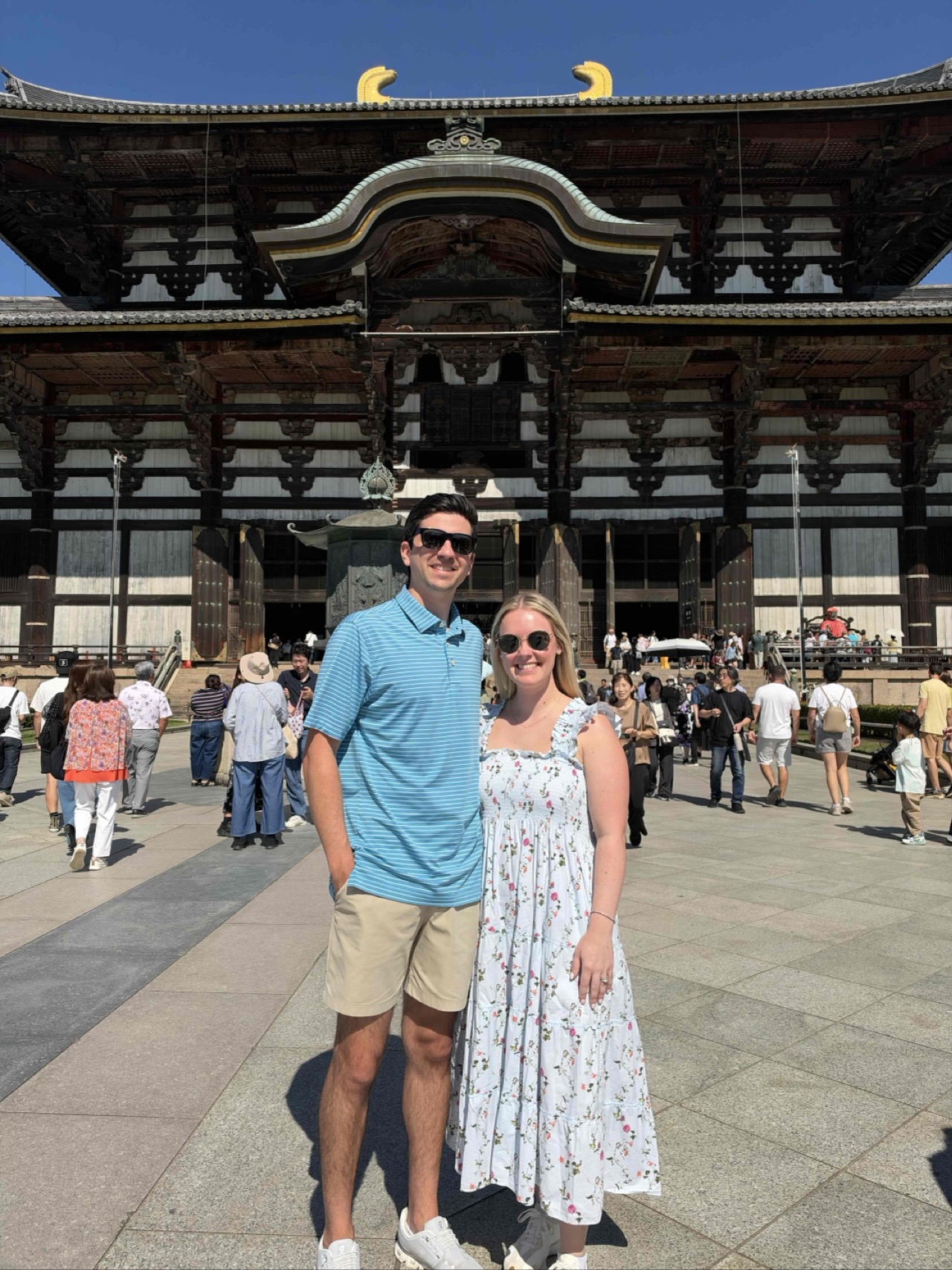
Our morning destination was Todaiji Temple — the largest wooden structure in the world, originally constructed in 752 and celebrating its 1,274th anniversary this year. Scott walked us through every detail:
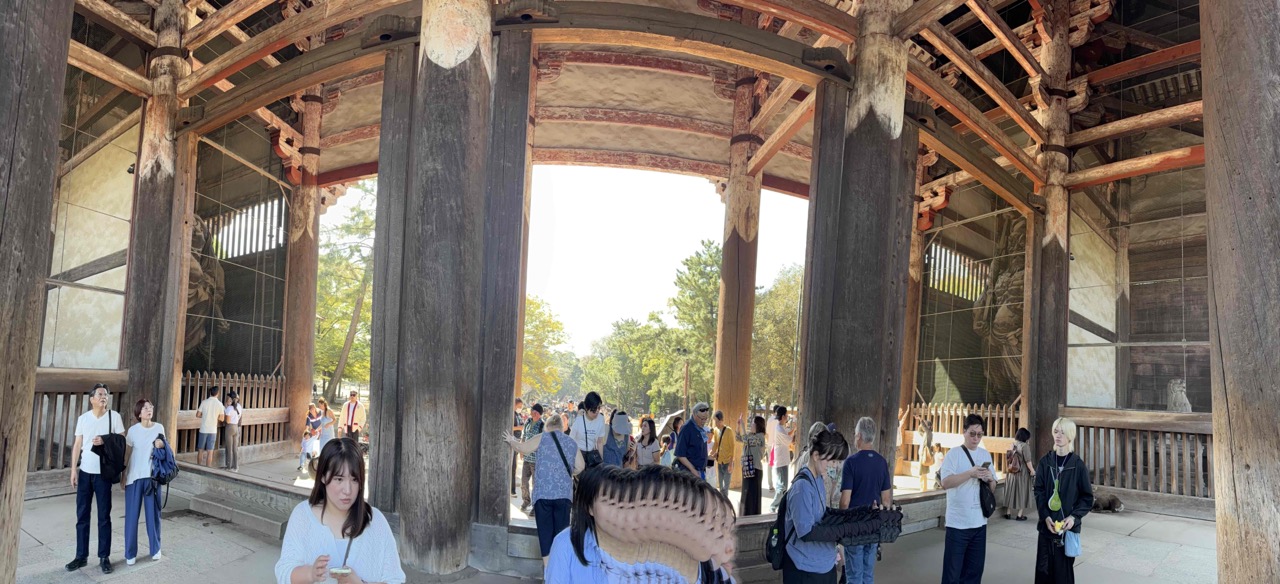
- The towering Nandaimon Gate (second generation, rebuilt in 1206) was built in the Nuki style for structural strength, with massive timber beams locked together horizontally
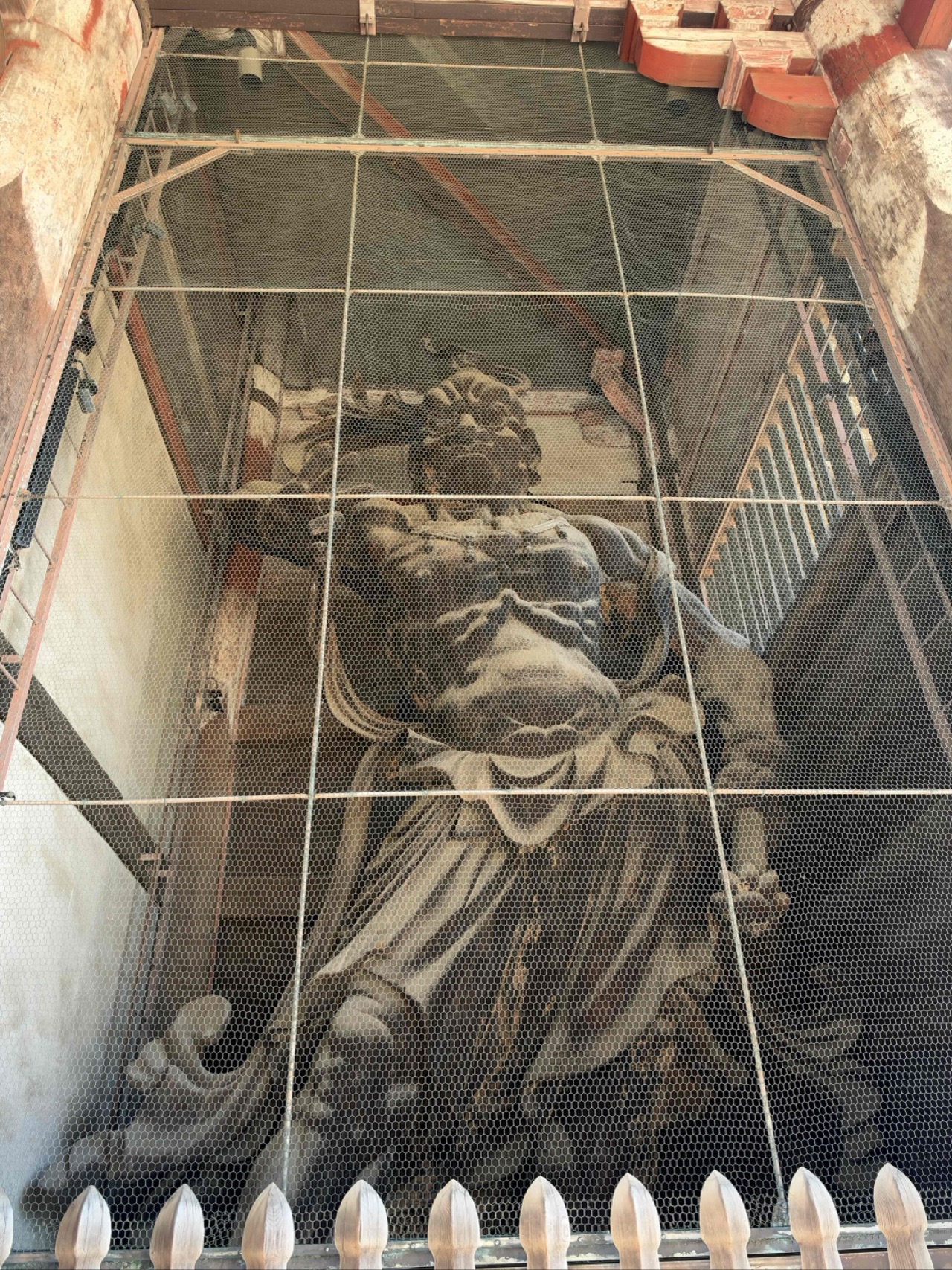
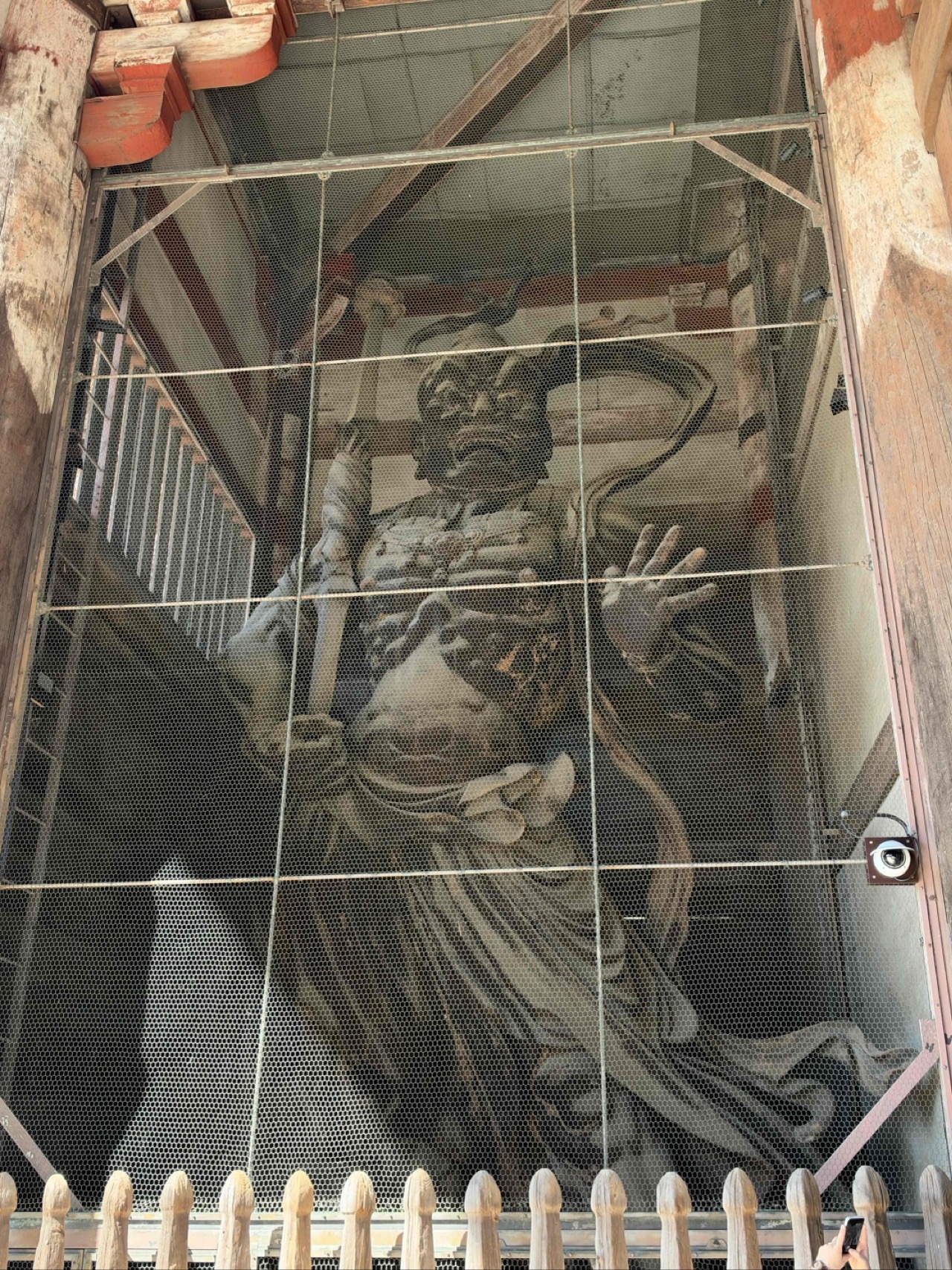
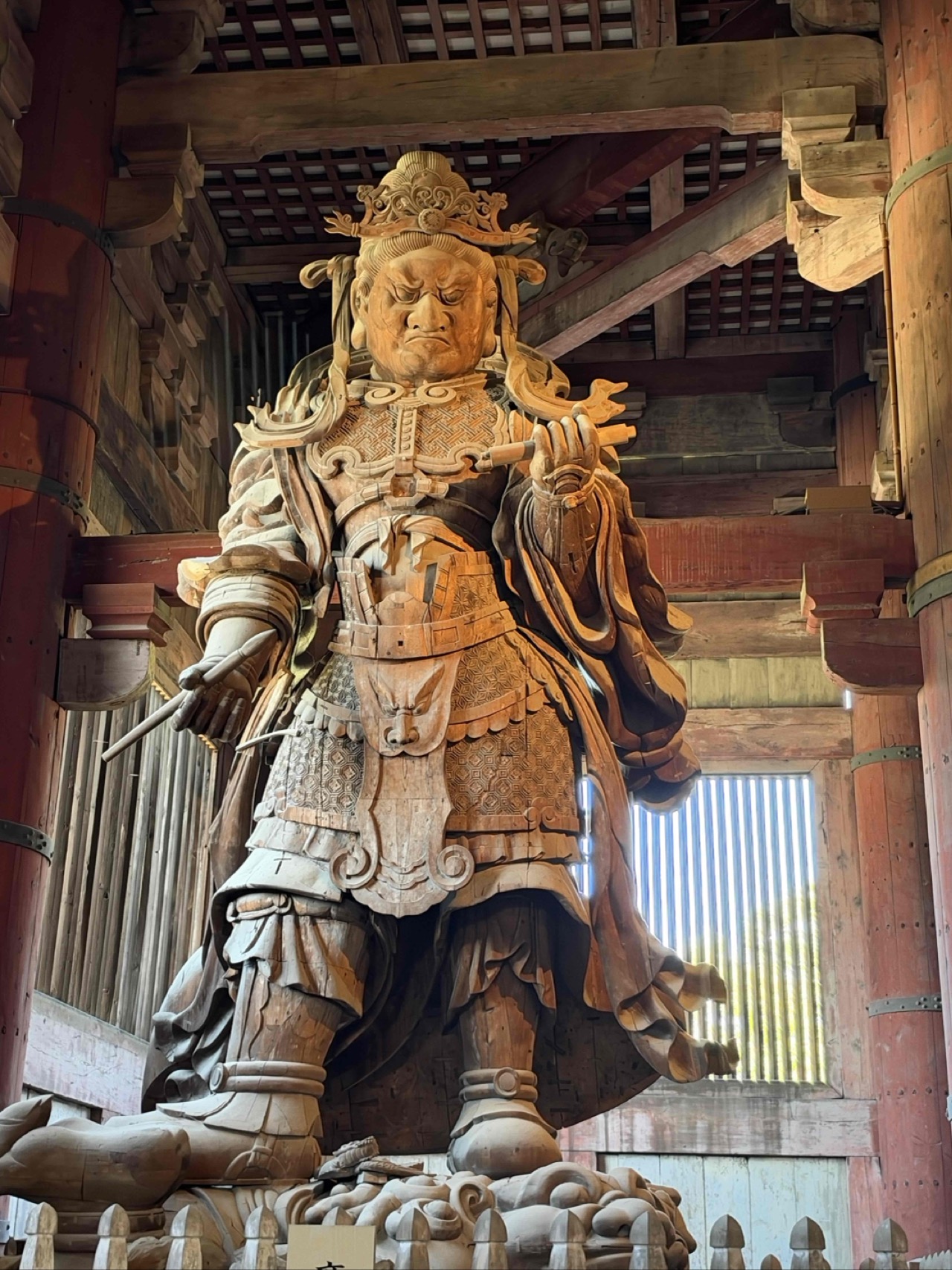
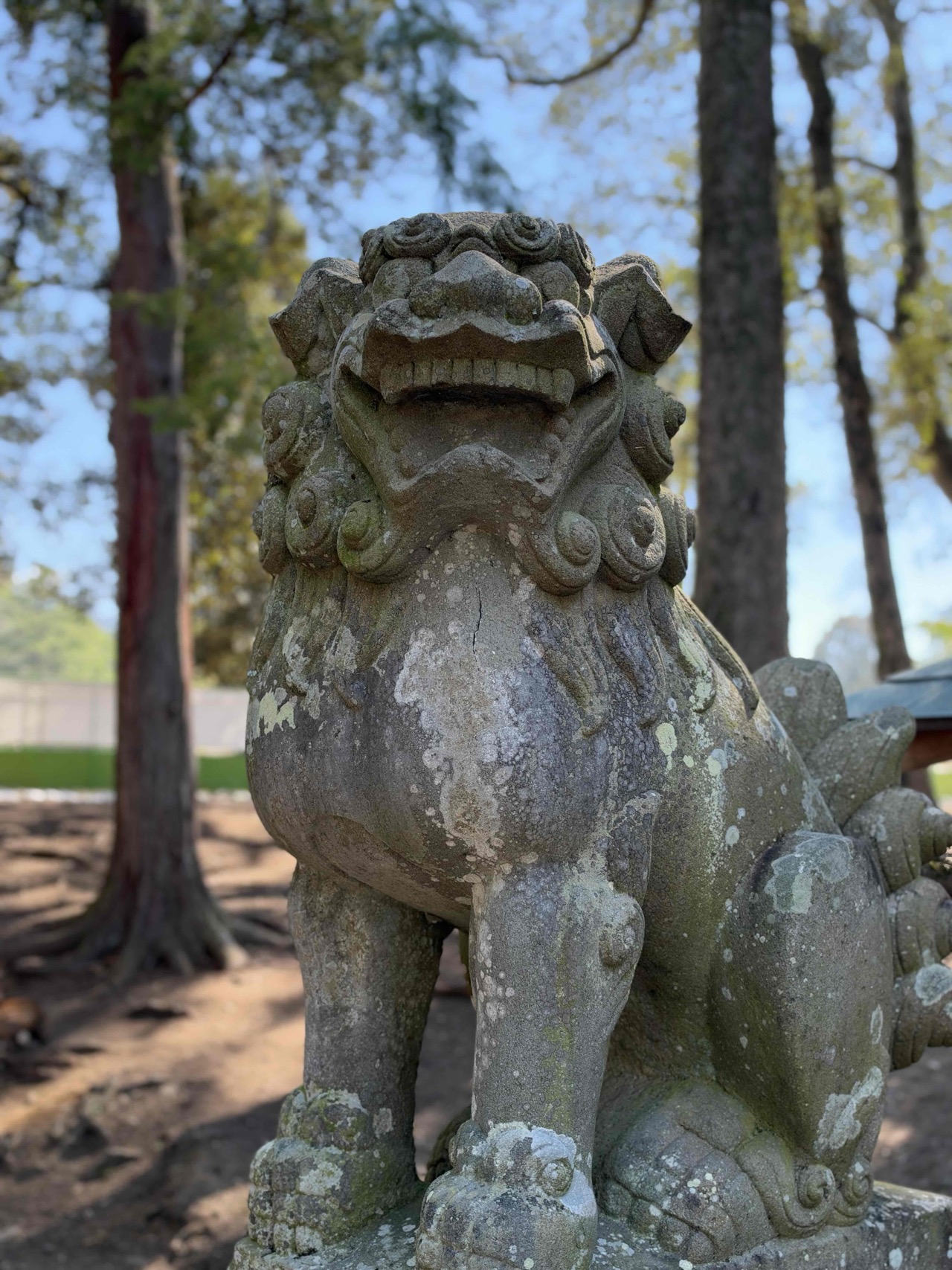
- Flanking the gate are two 28-foot guardian sculptures — one mouth open, one closed — carved in just 69 days in 1203 using a kitset assembly method. The open and closed mouths together symbolize the cycle from birth to death: nothing stays the same
- The temple roof features fish tail ornaments (shachihoko) — a good luck charm rooted in the belief that everything below the waterline is protected from fire
- Buddhism's journey from India to China to Japan is reflected in the blue stones used in the original construction — a nod to the Indian origins of the Buddha
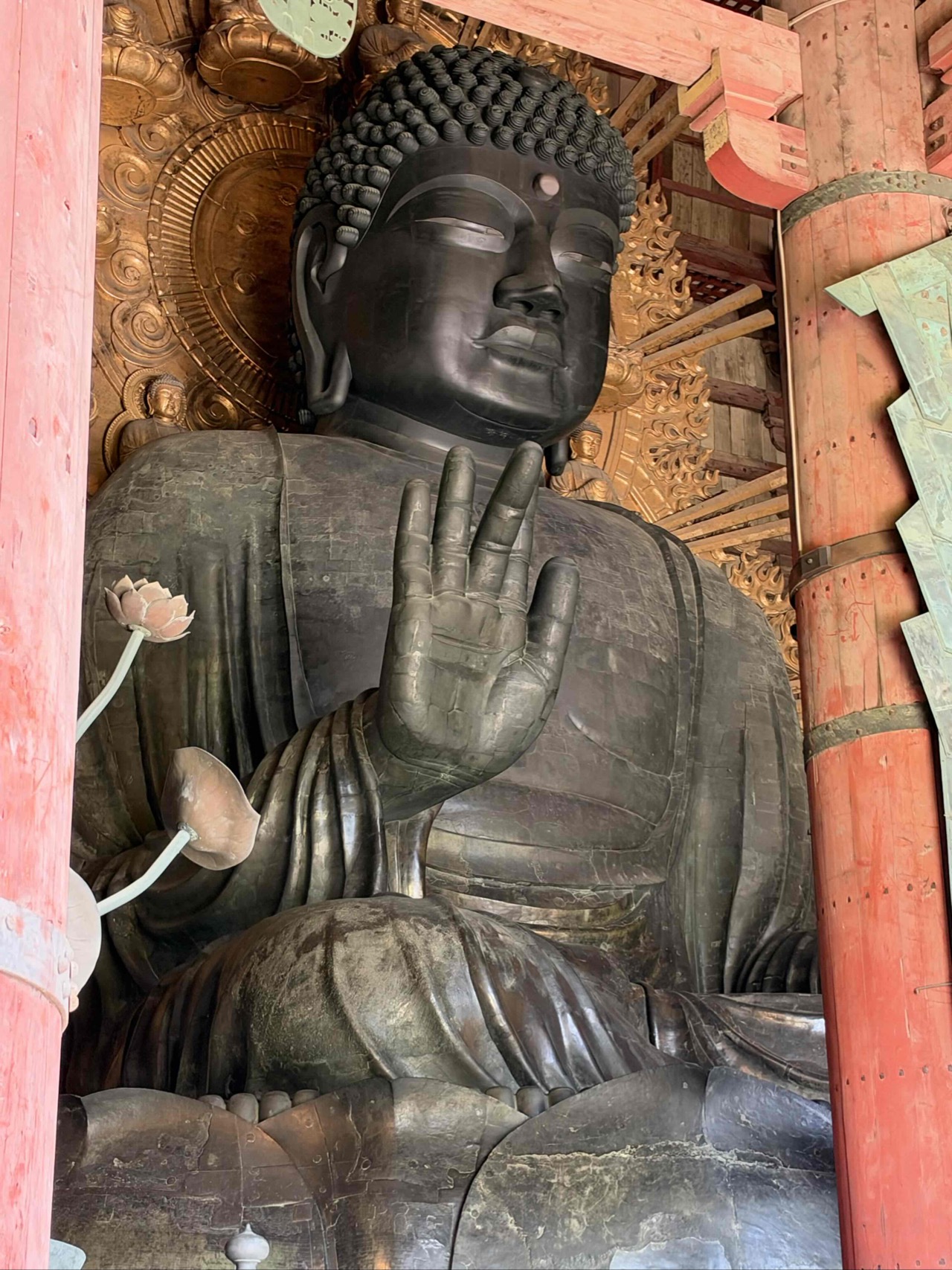
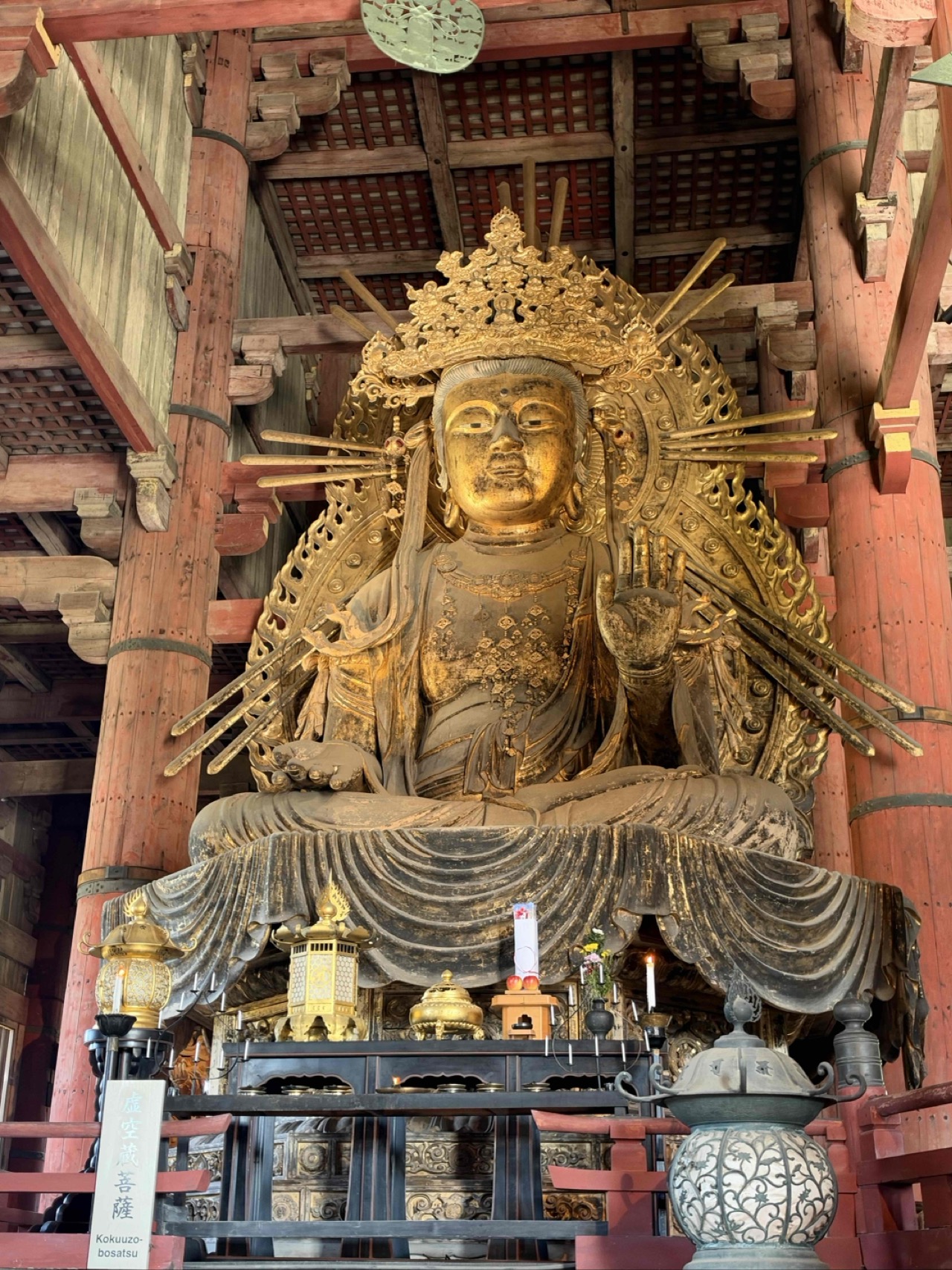
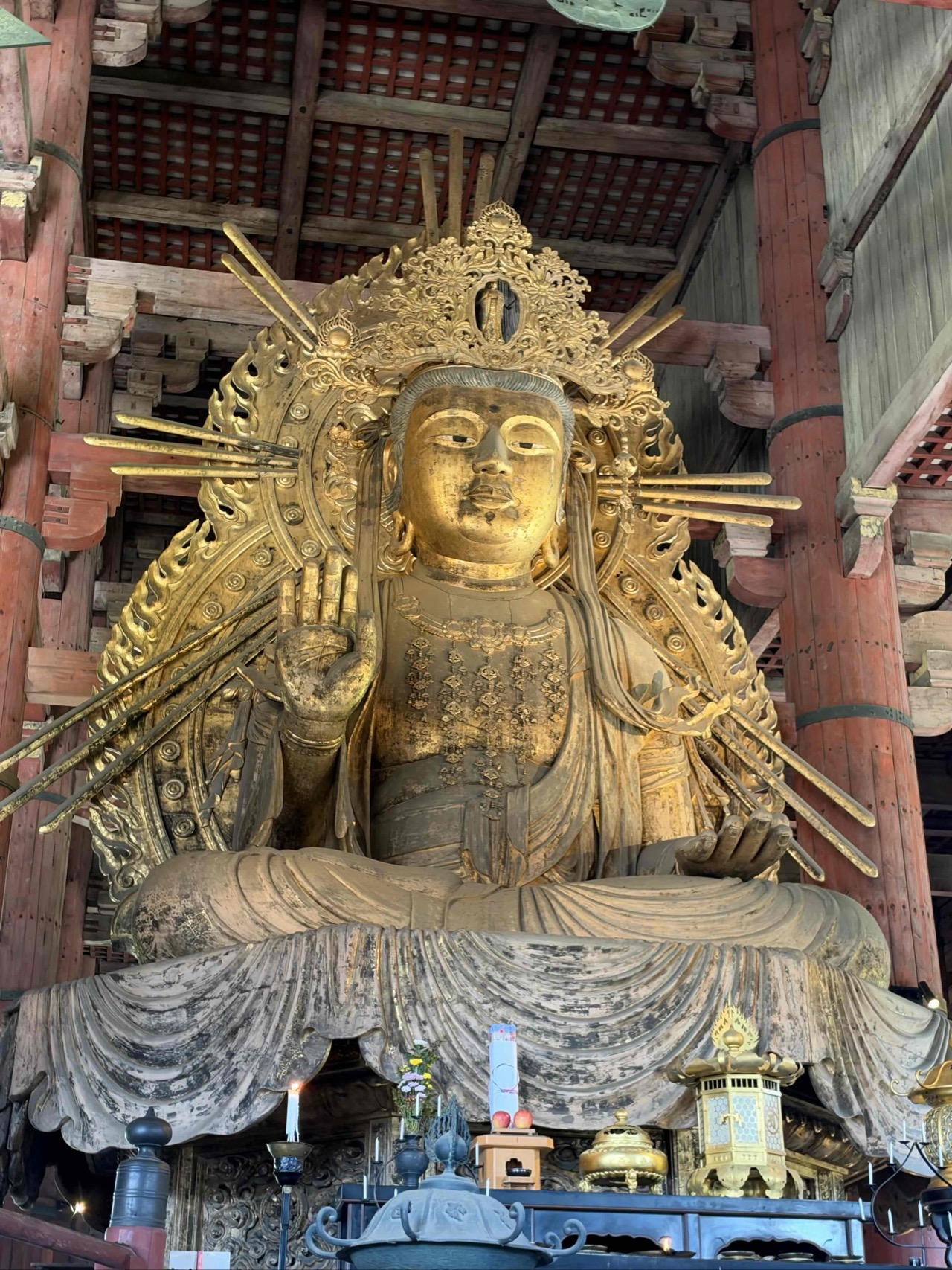
Inside the main hall sits the Great Buddha (Daibutsu) — a breathtaking 15-meter bronze figure that has watched over Nara for over 1,200 years.
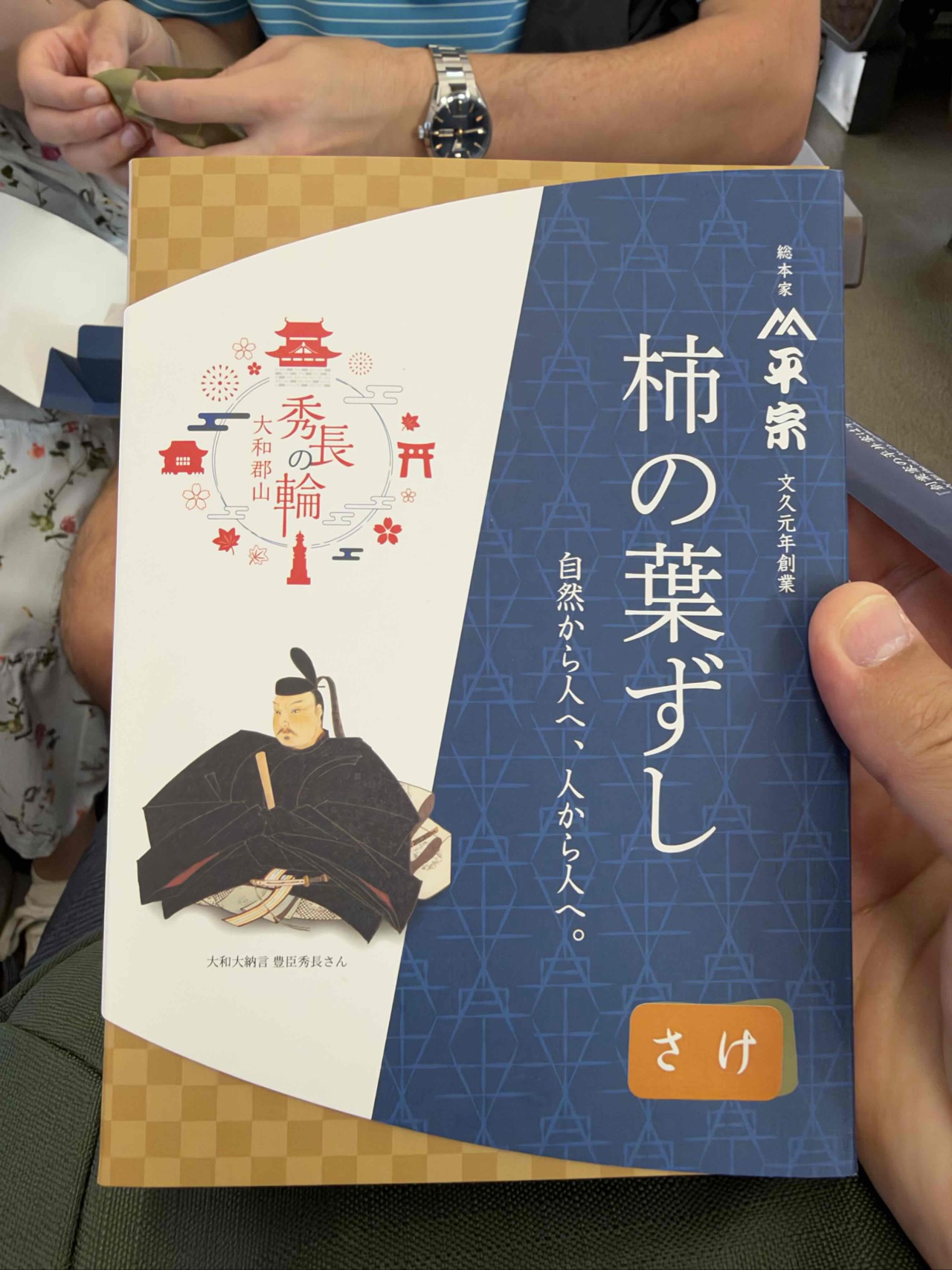
Before heading to our next stop, Scott took us to Hiraso (平宗) in the historic Naramachi district — a traditional establishment that has been making Kakinoha-zushi (sushi wrapped in persimmon leaves) since 1861. We picked up a beautiful box to enjoy on the train. The combination of the persimmon leaf's natural tannins and the pressed rice and fish is subtle and utterly delicious — a taste that belongs entirely to Nara.
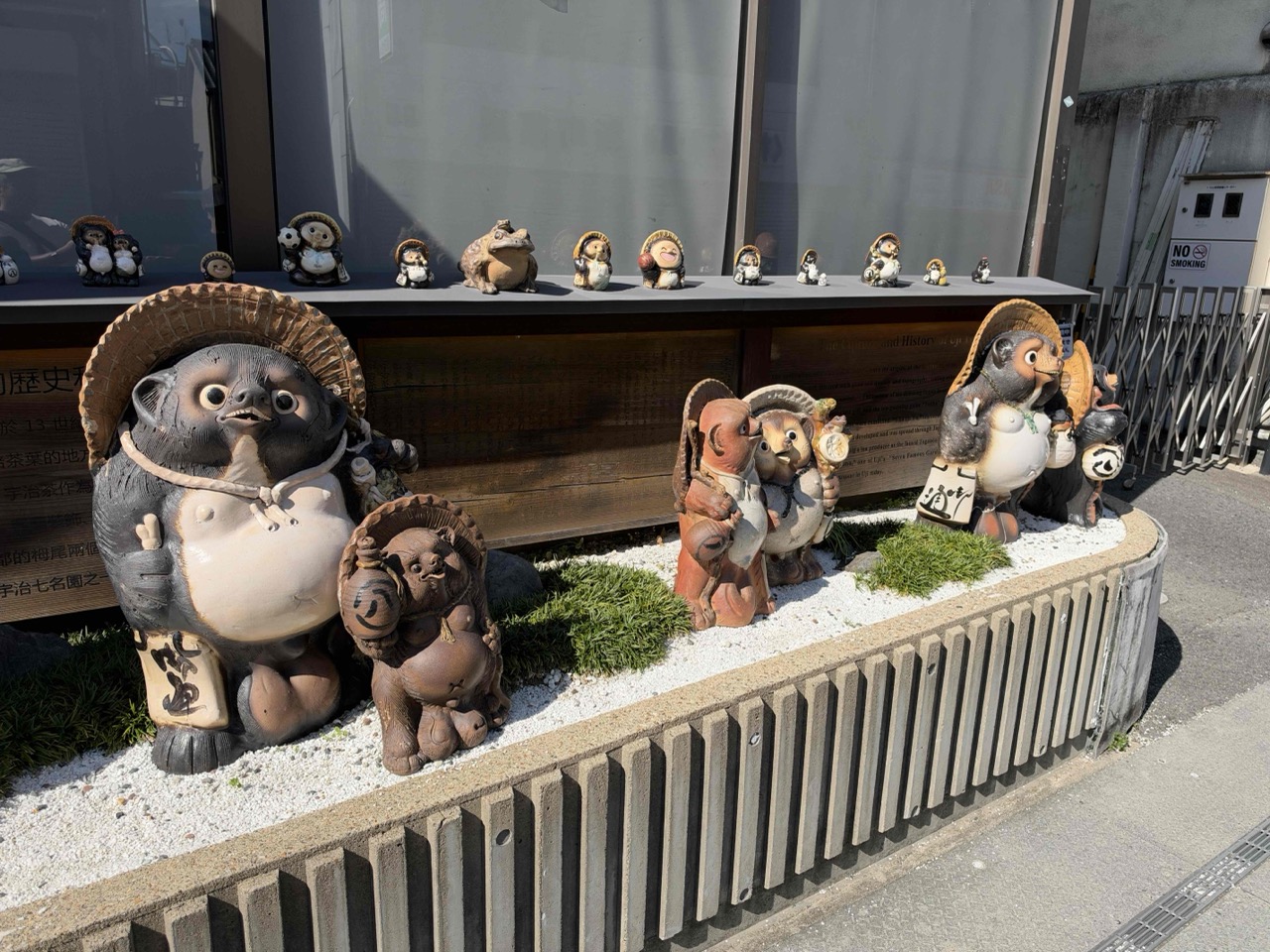
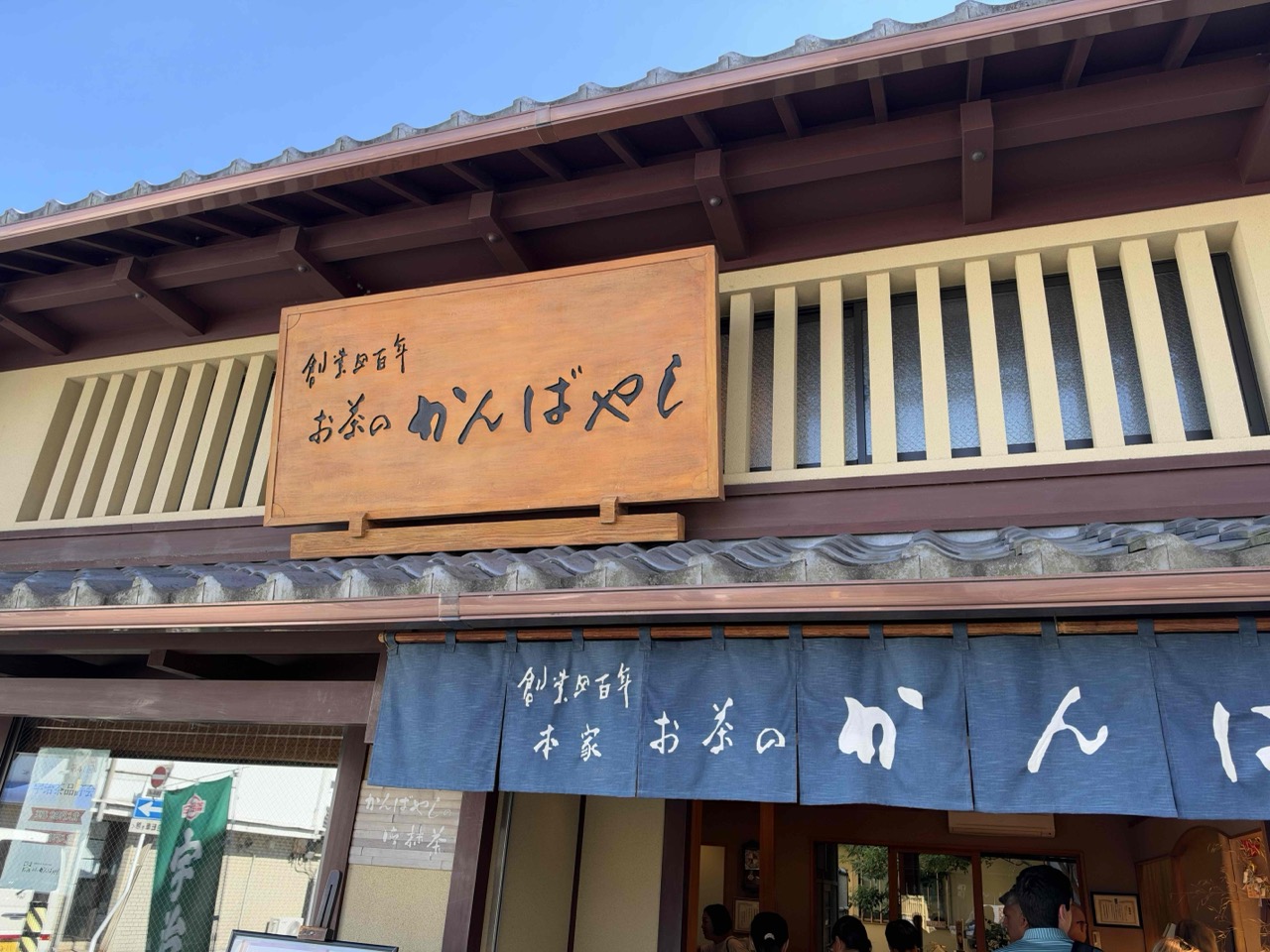
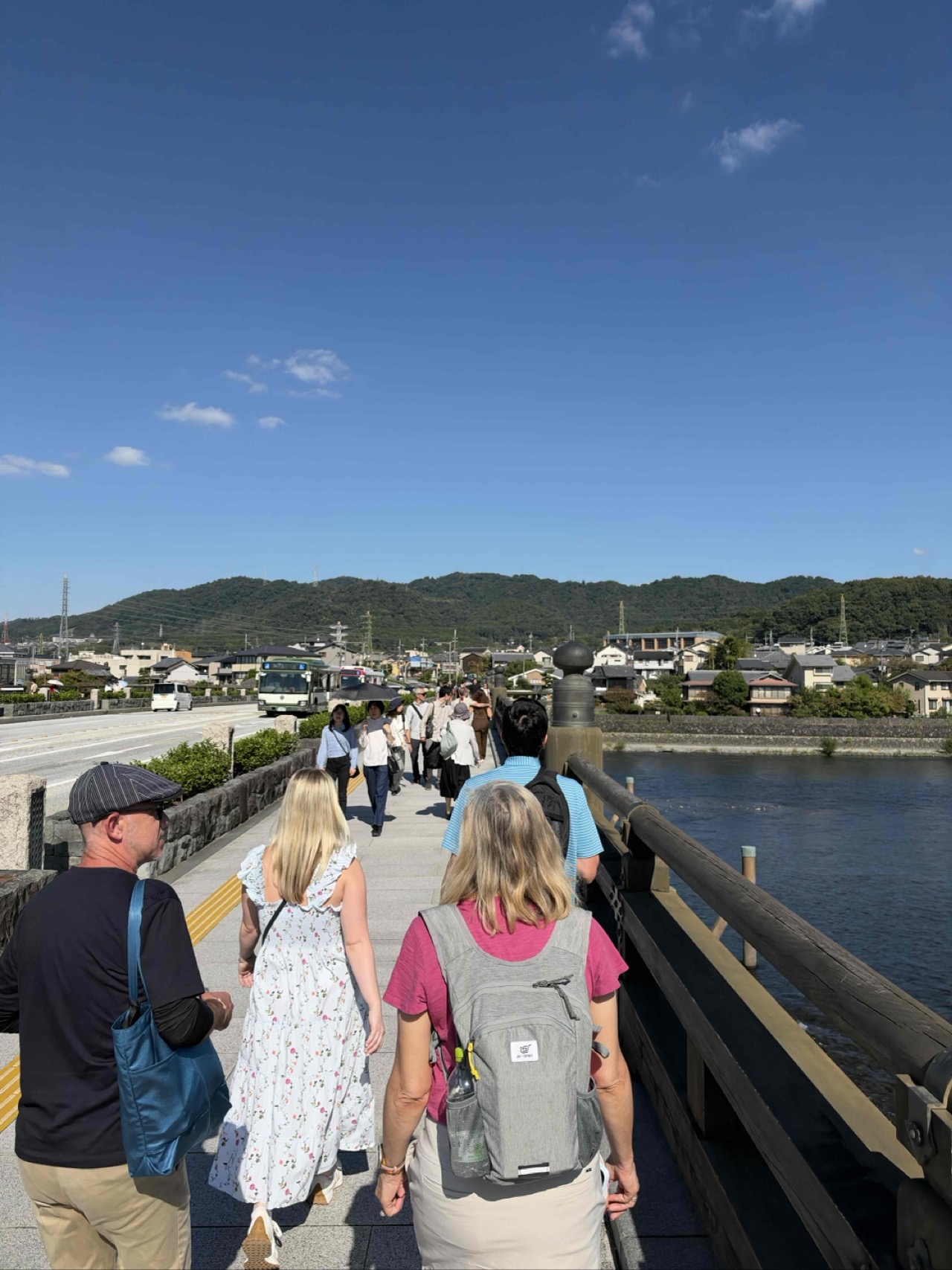
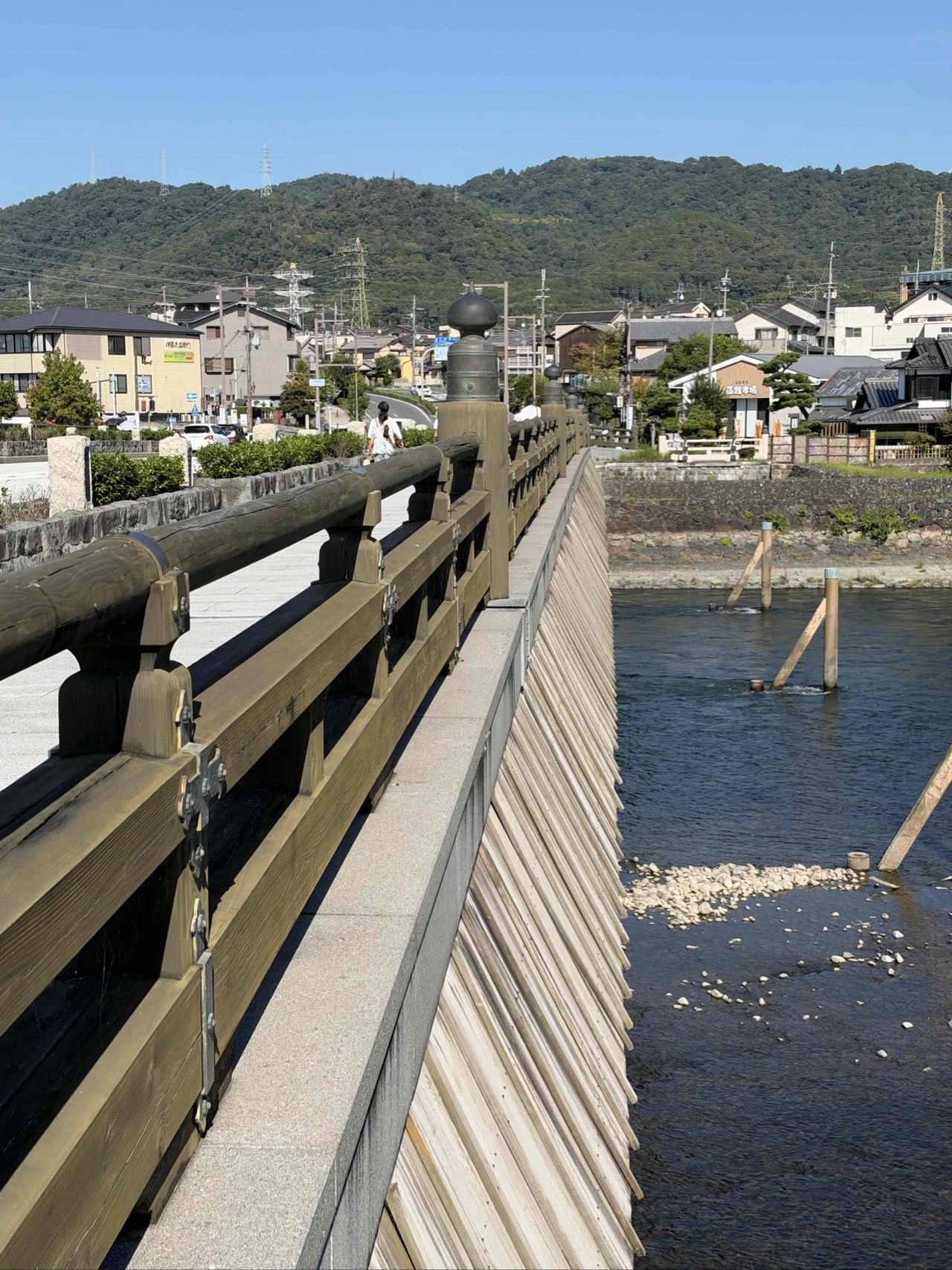
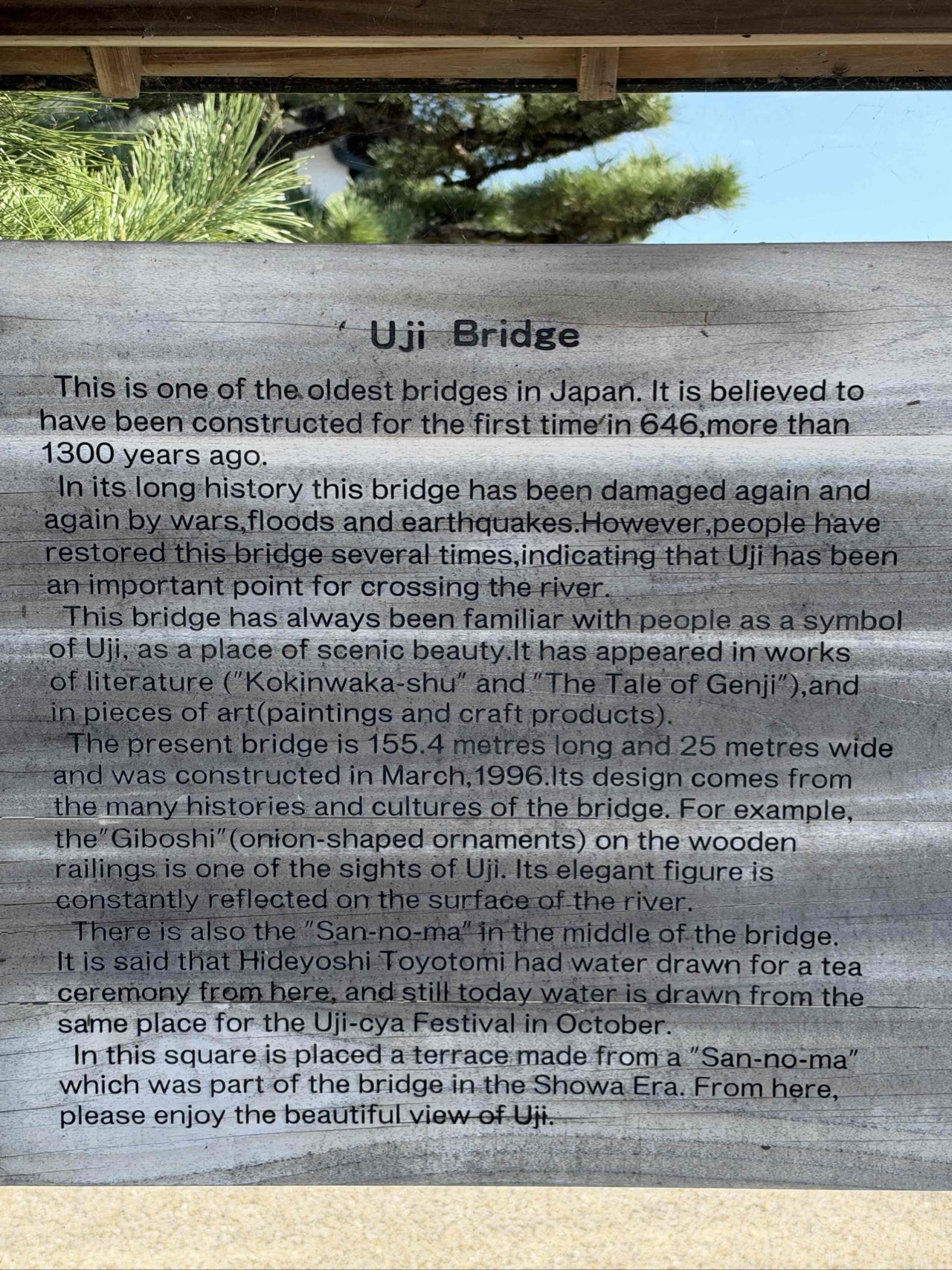
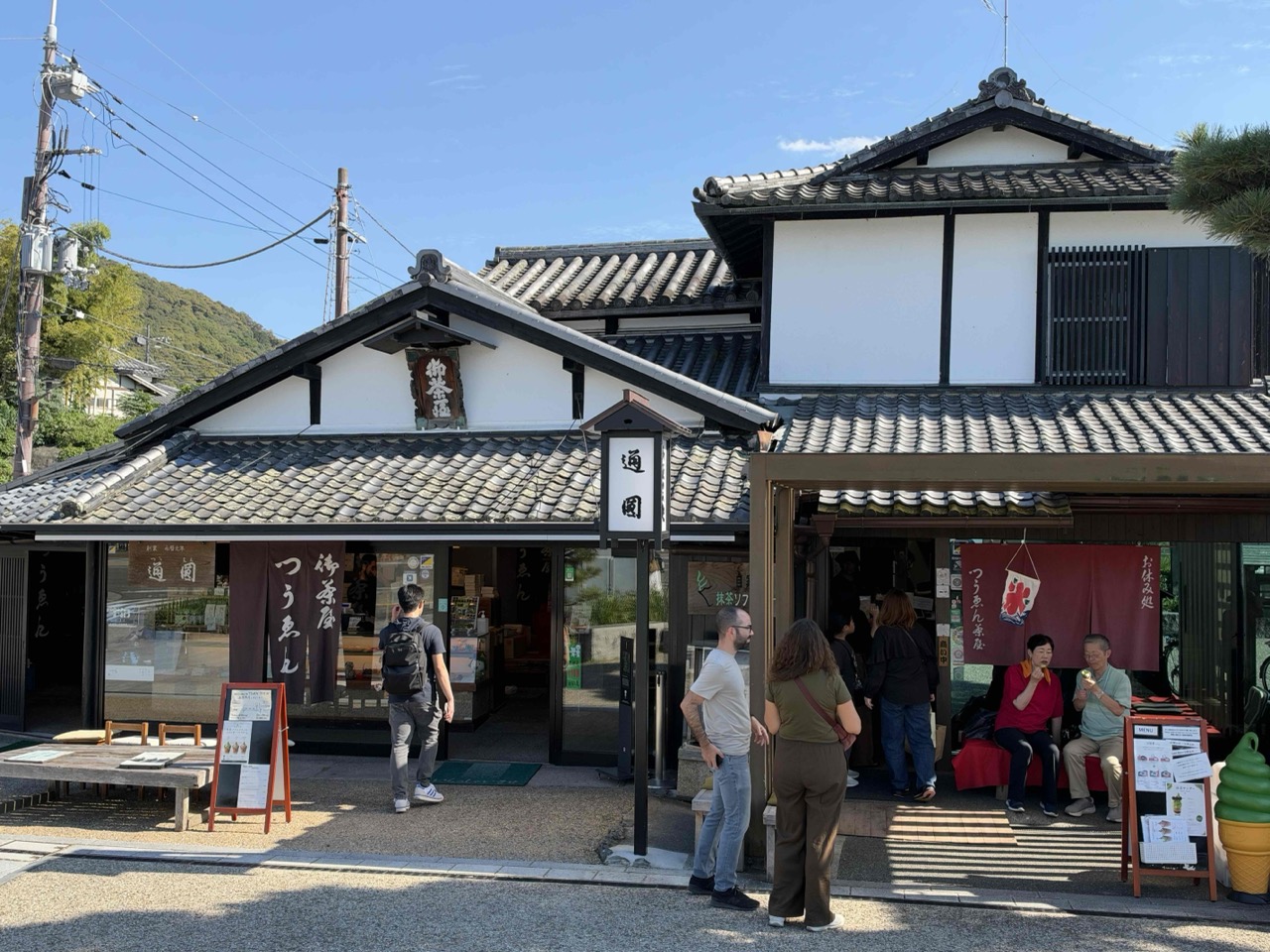
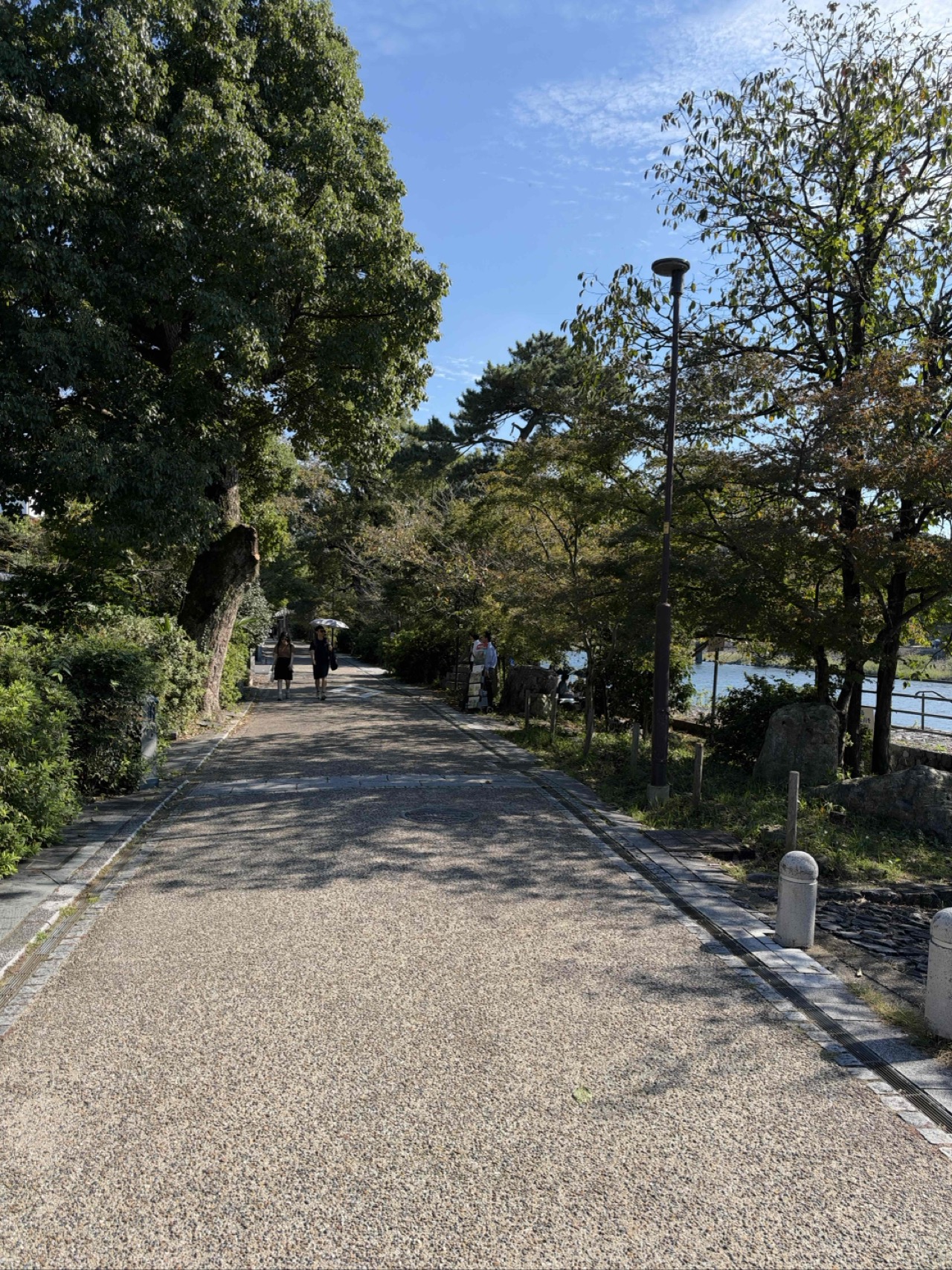
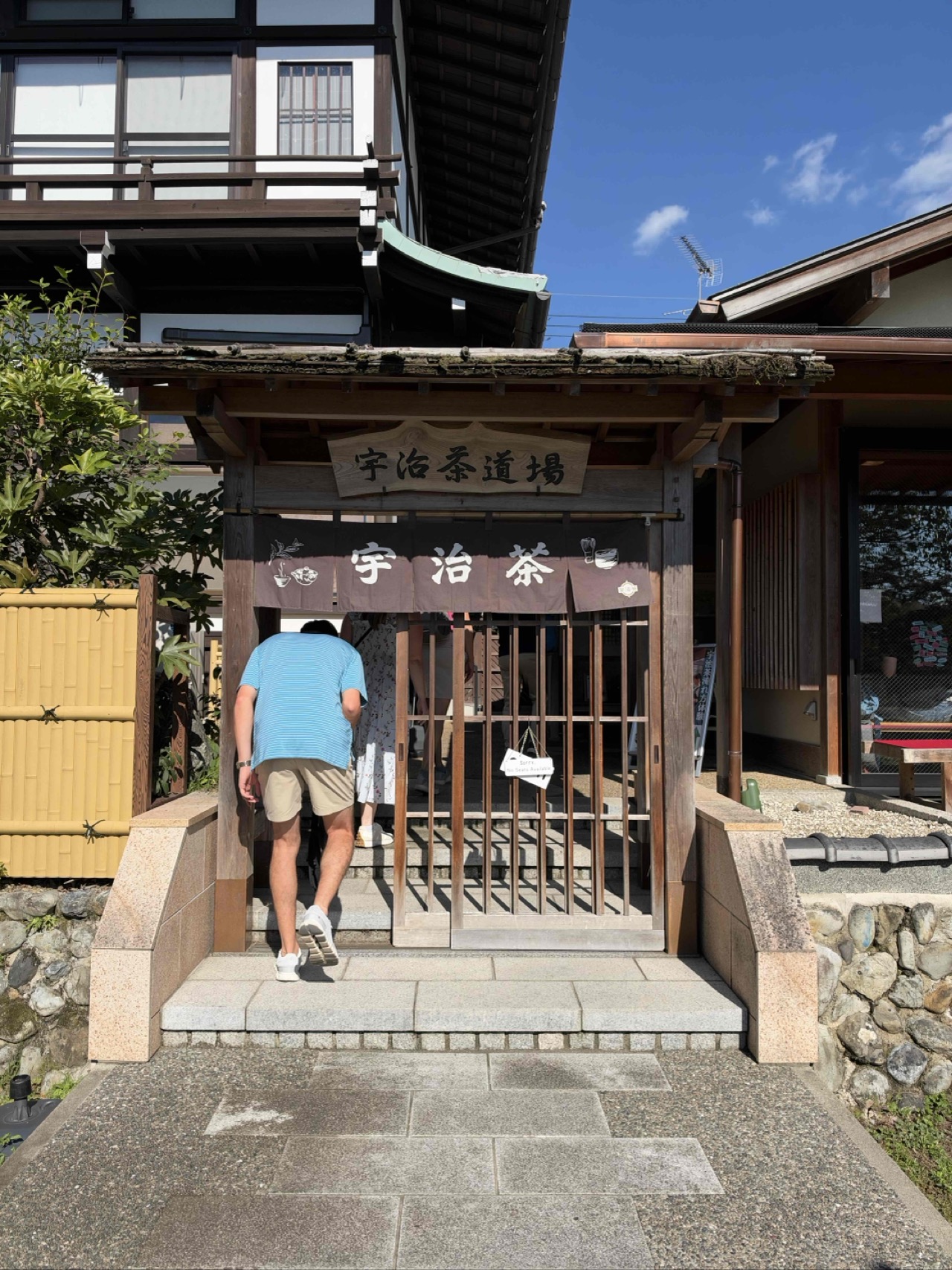
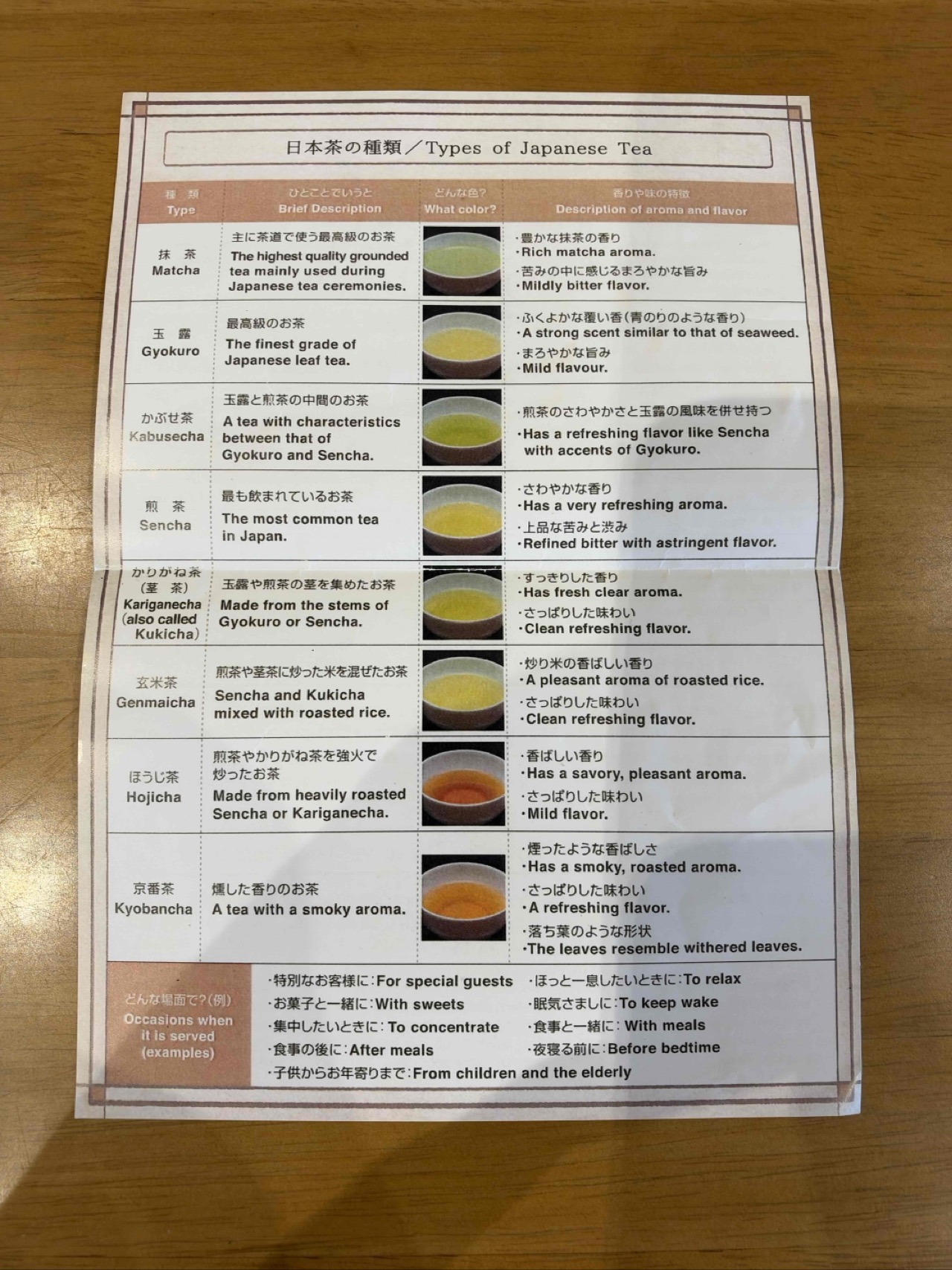
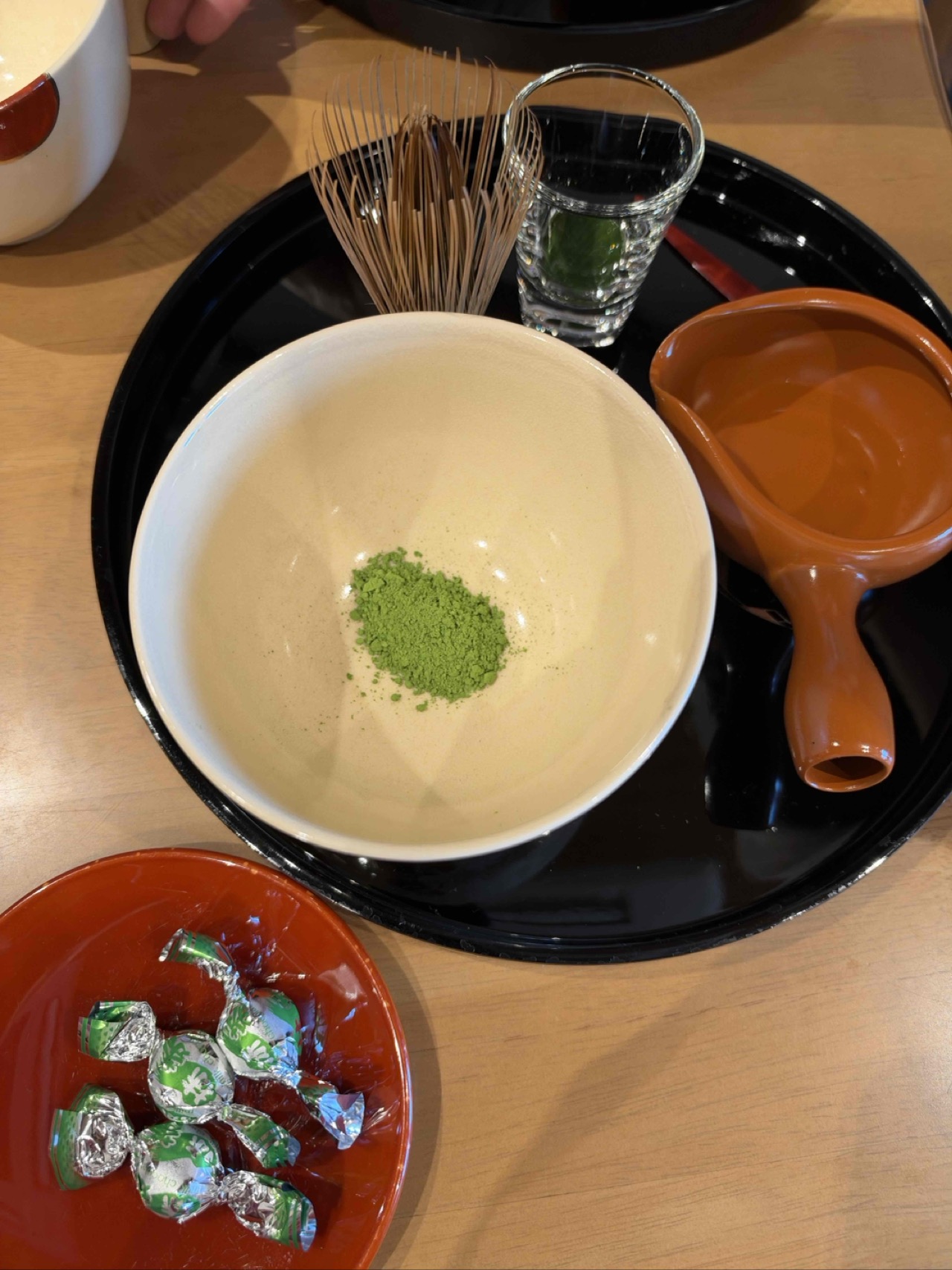
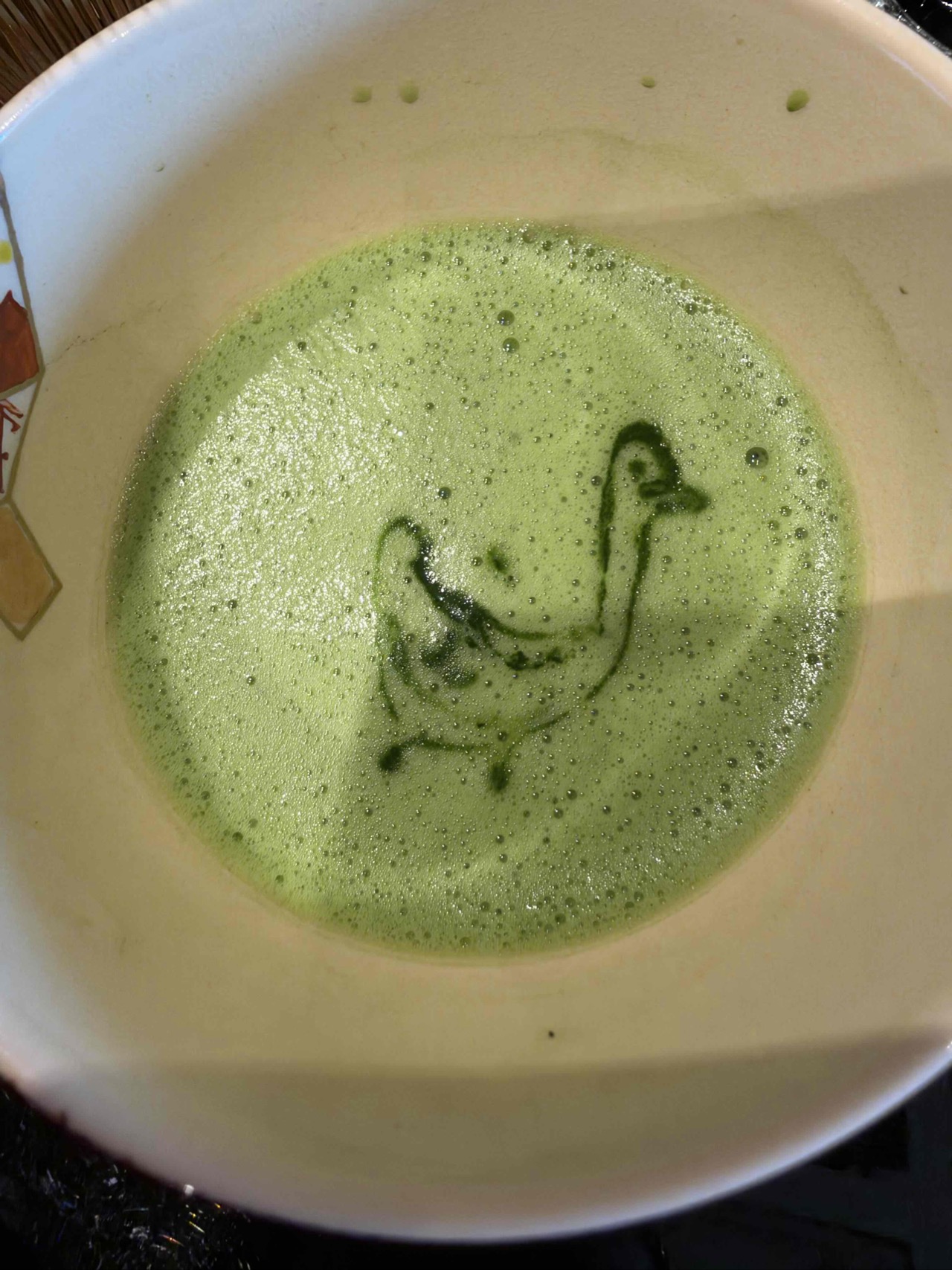
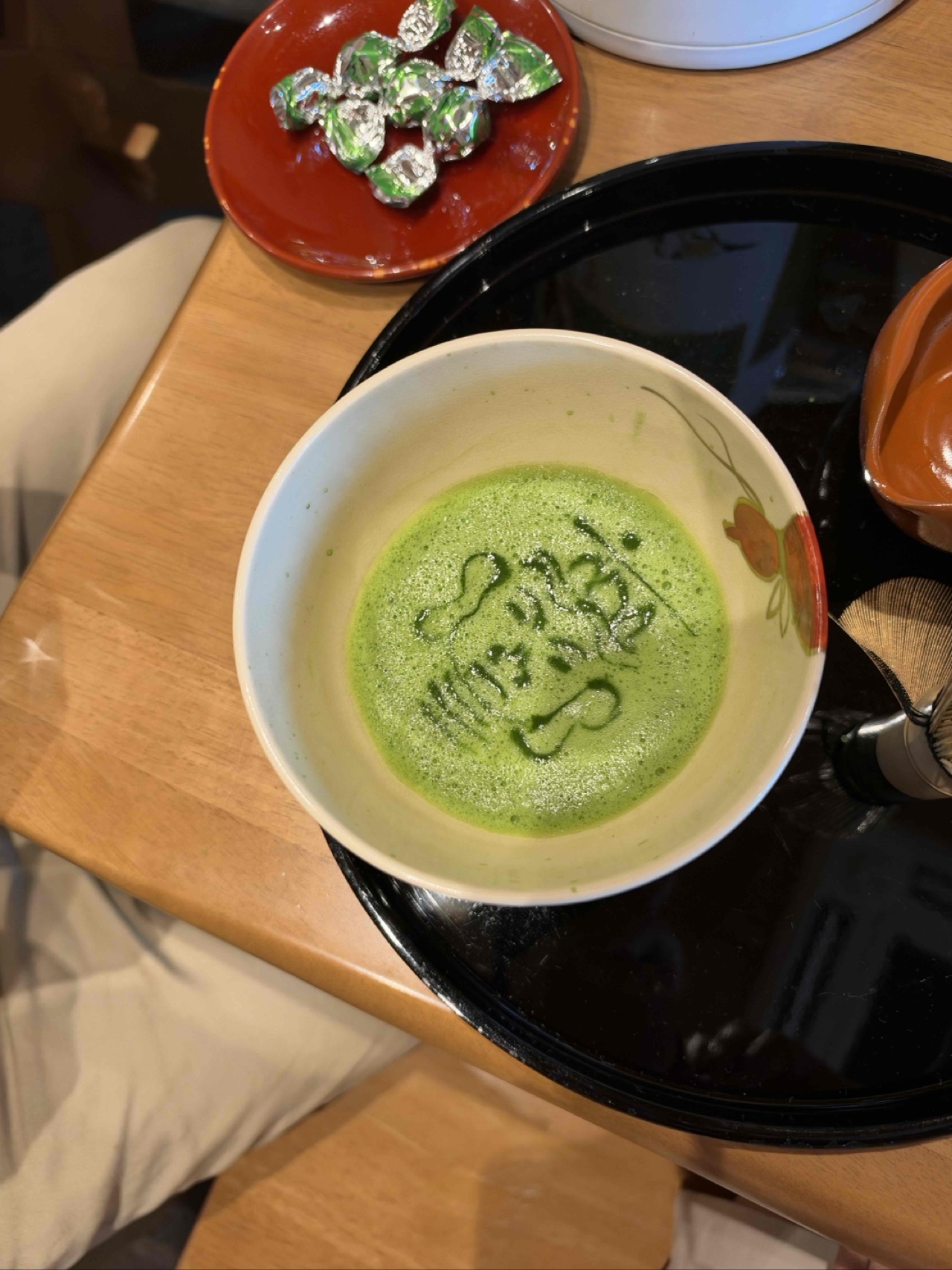
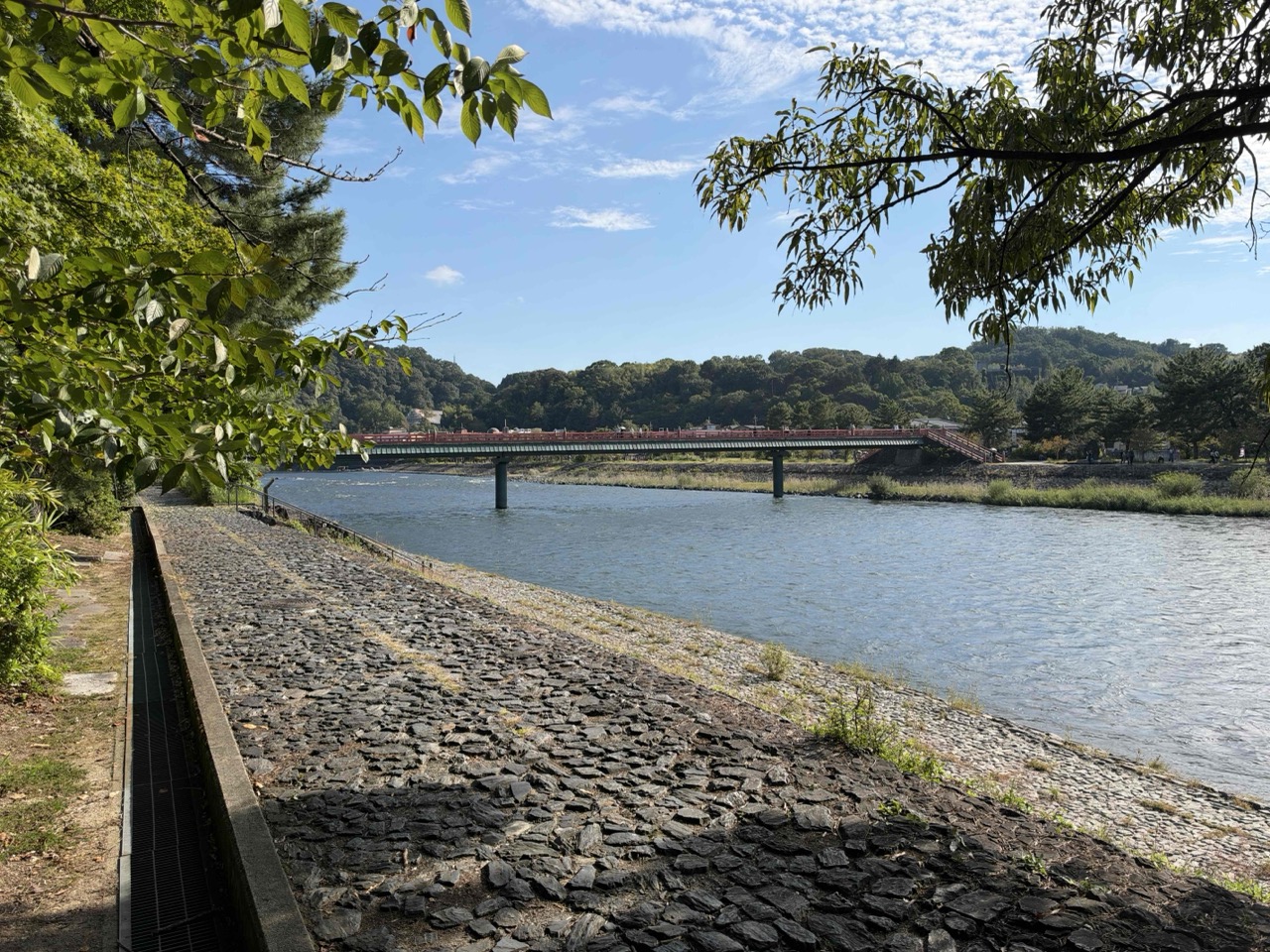
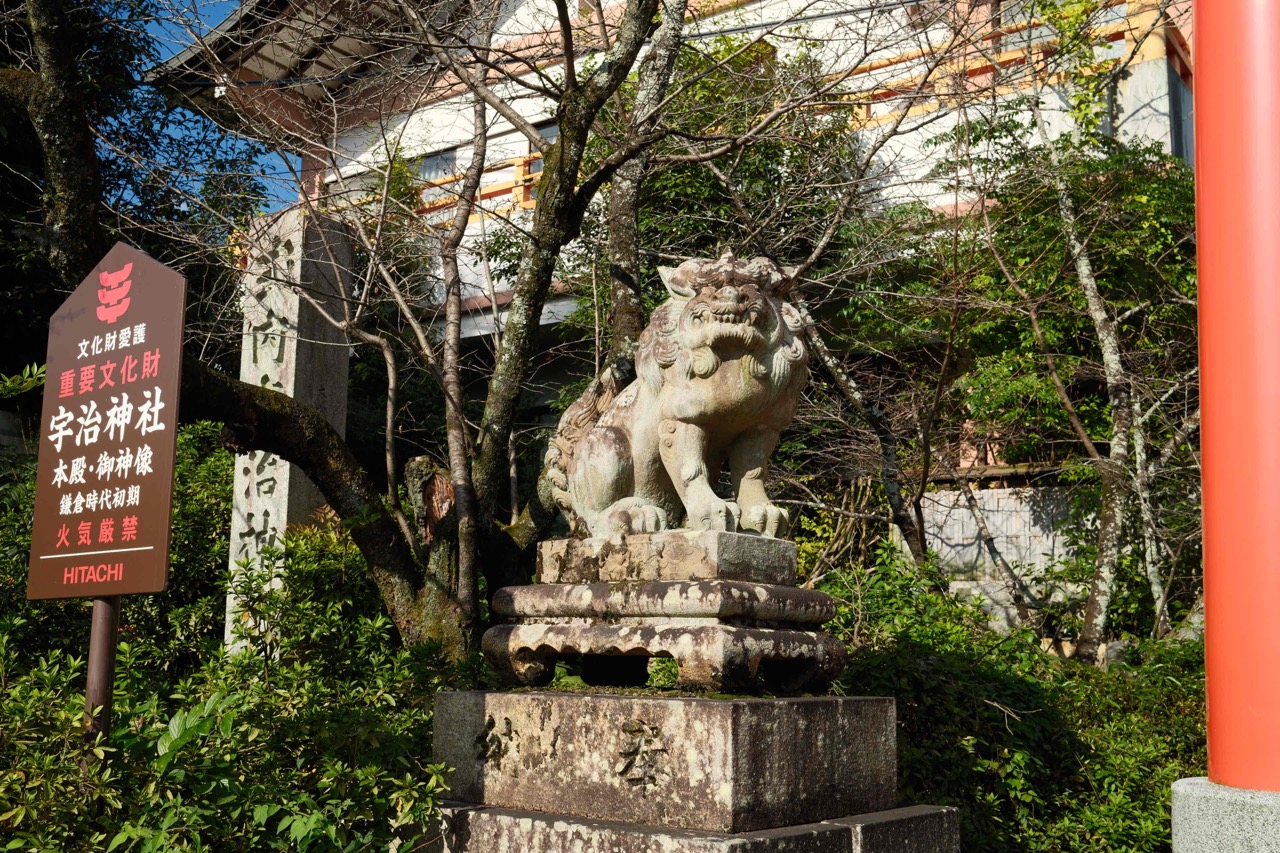
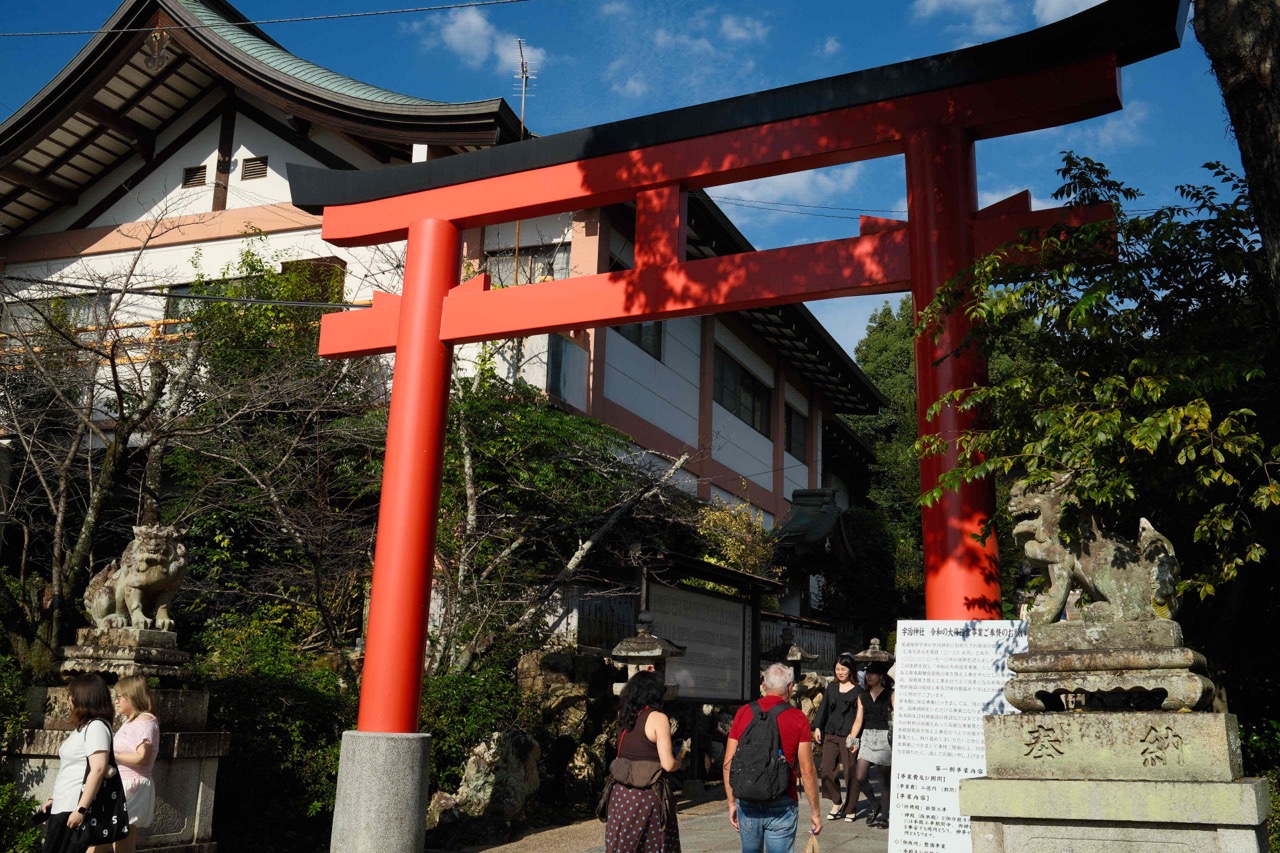
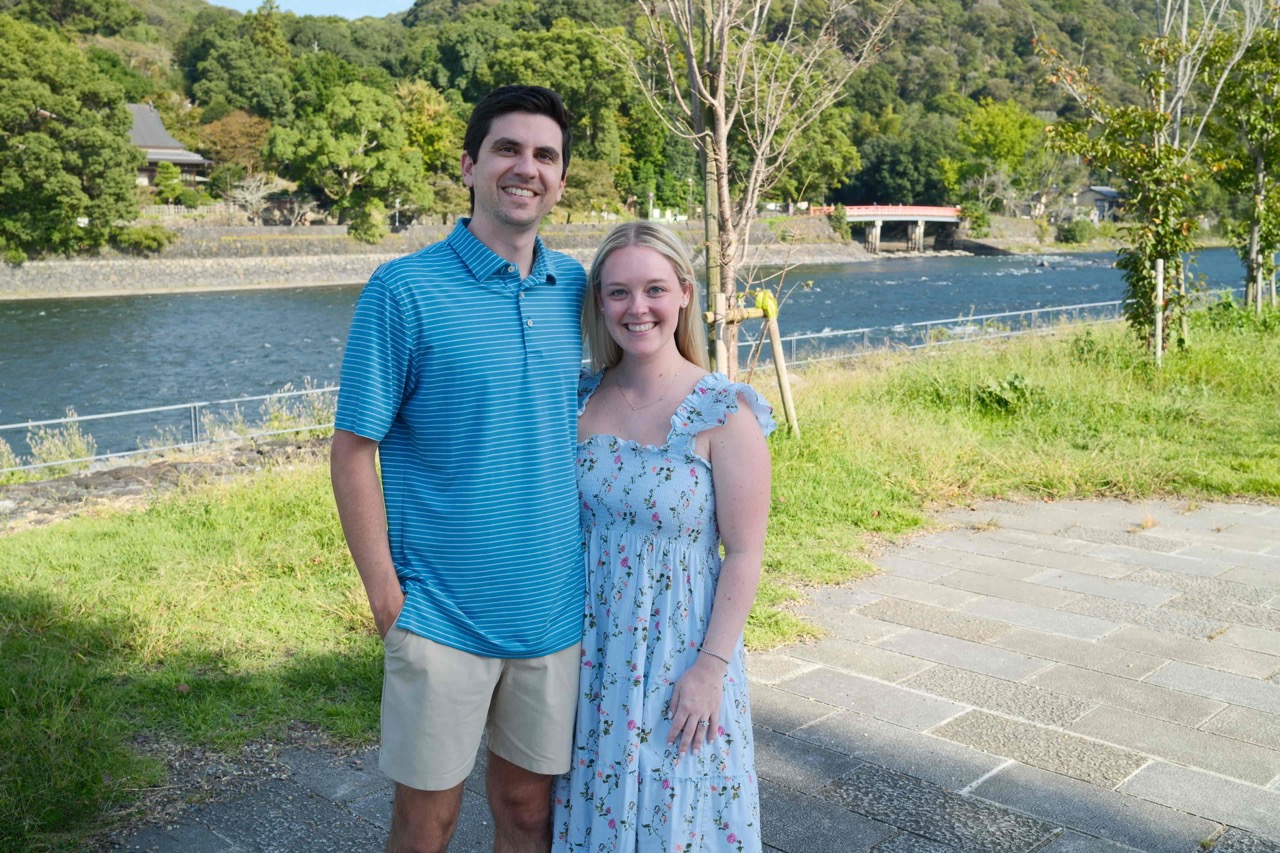
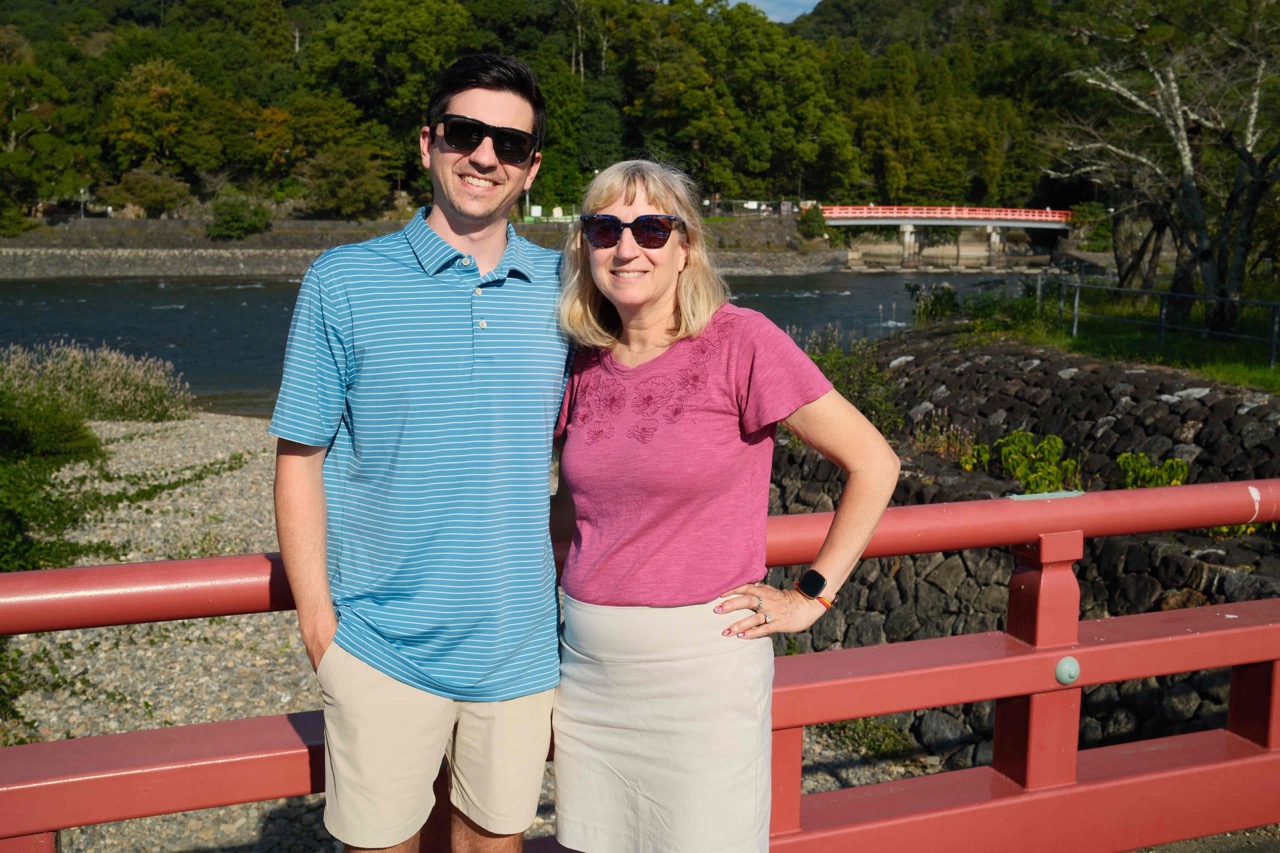
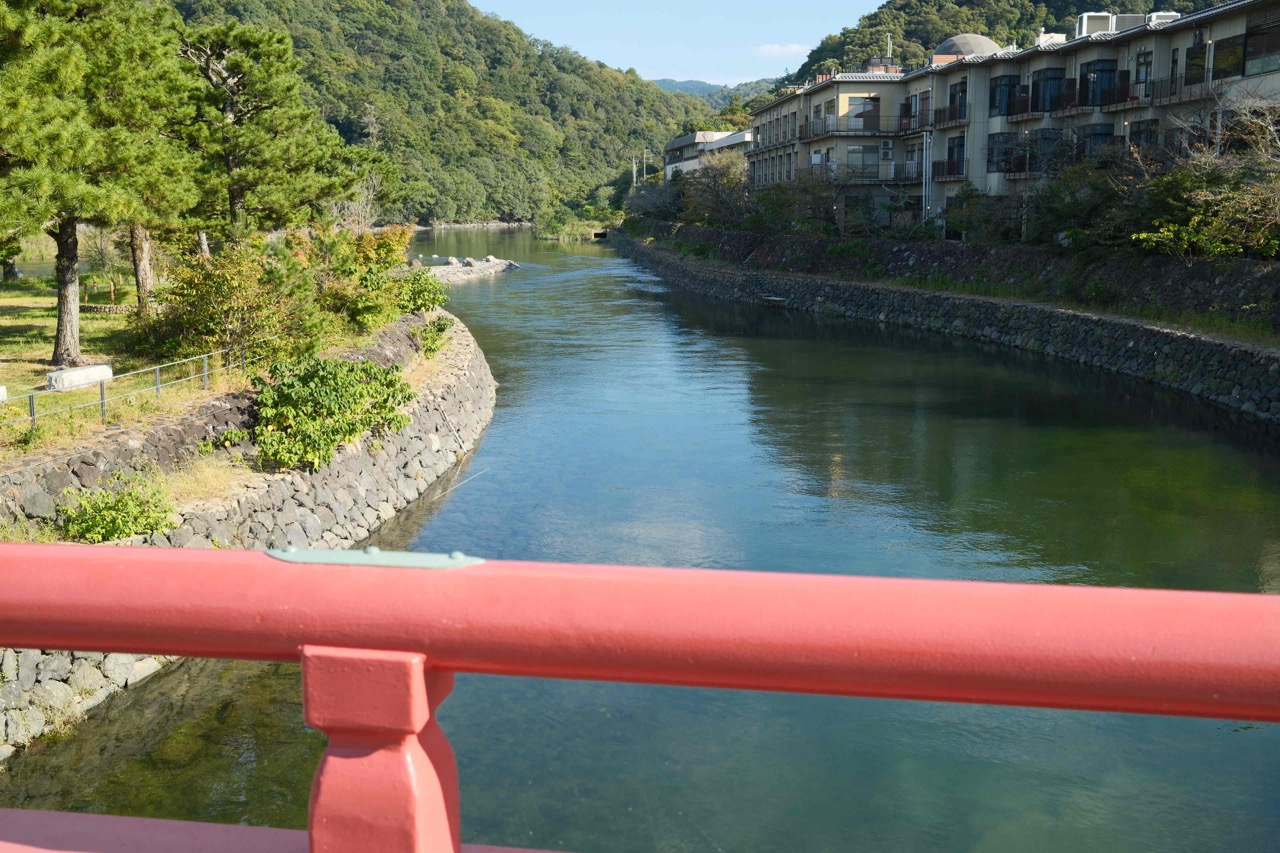
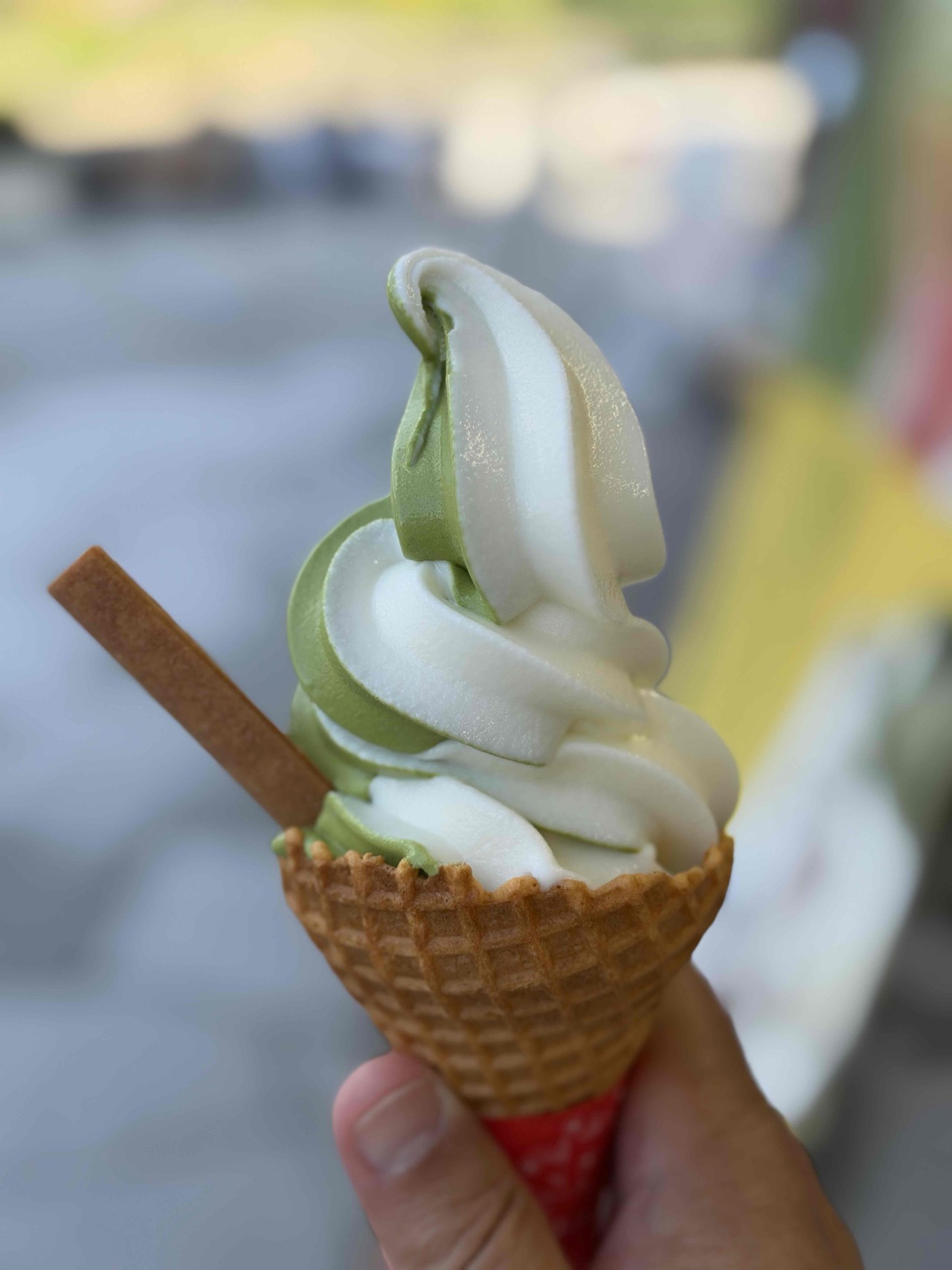
From Nara we took the train to Uji, one of Japan's most celebrated matcha-producing regions, and visited Otya, a matcha tea house where we got to try our hand at making matcha art. Susan's, Jordan's, and Scott's creations were clearly the best of the group — the rest of us were diplomatically not ranked. After the class we walked across the river and rewarded ourselves with matcha ice cream.
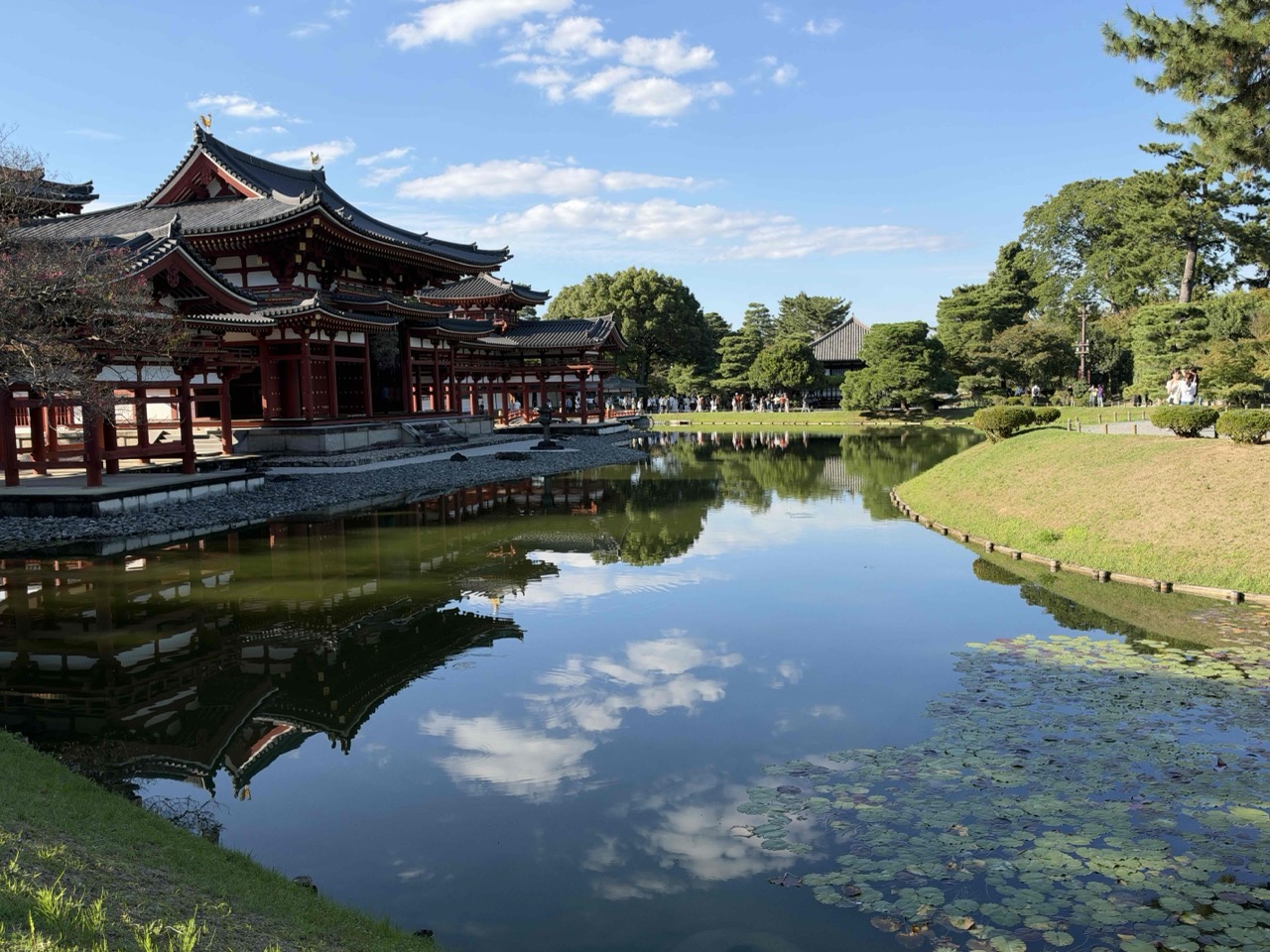
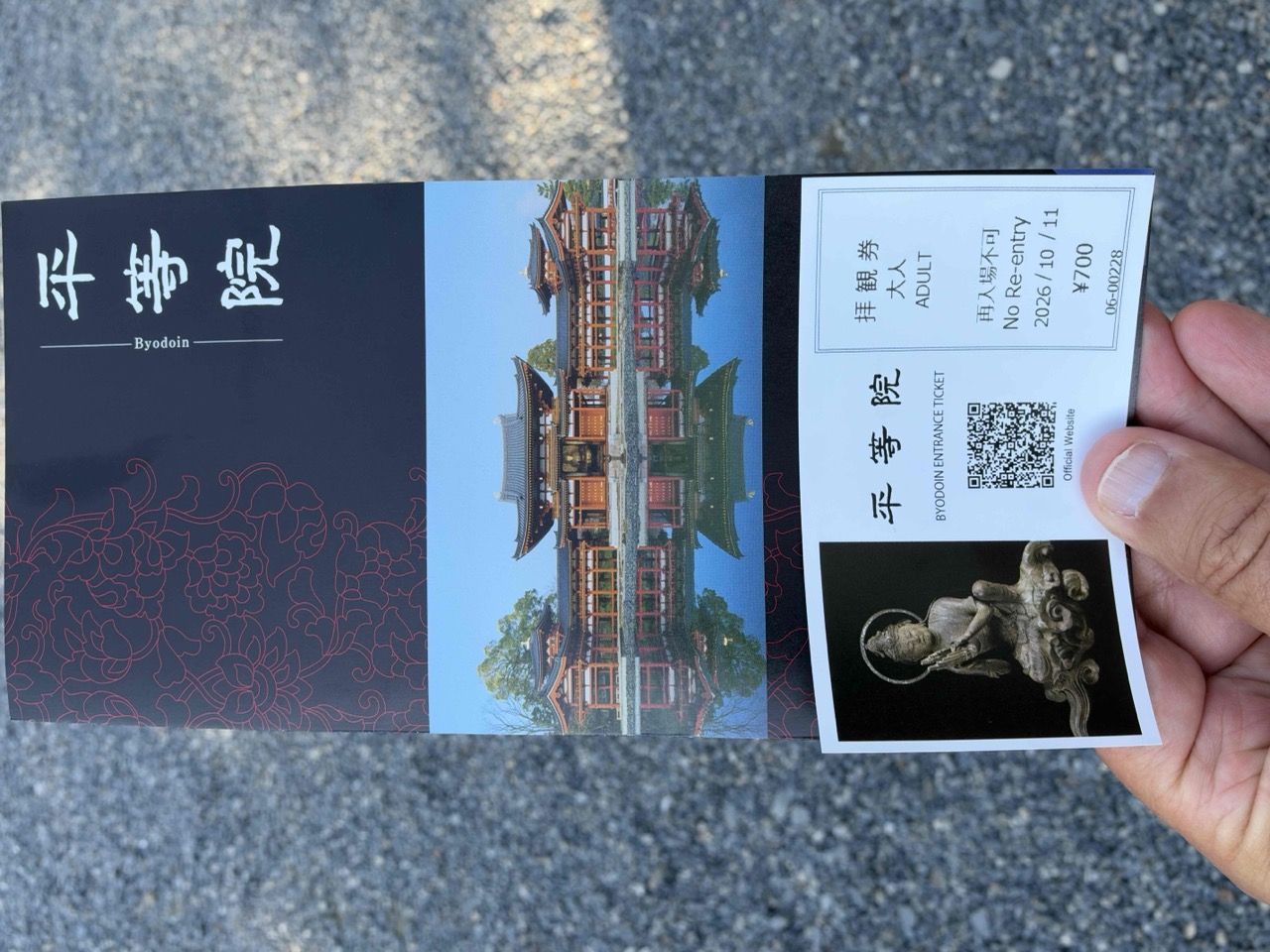
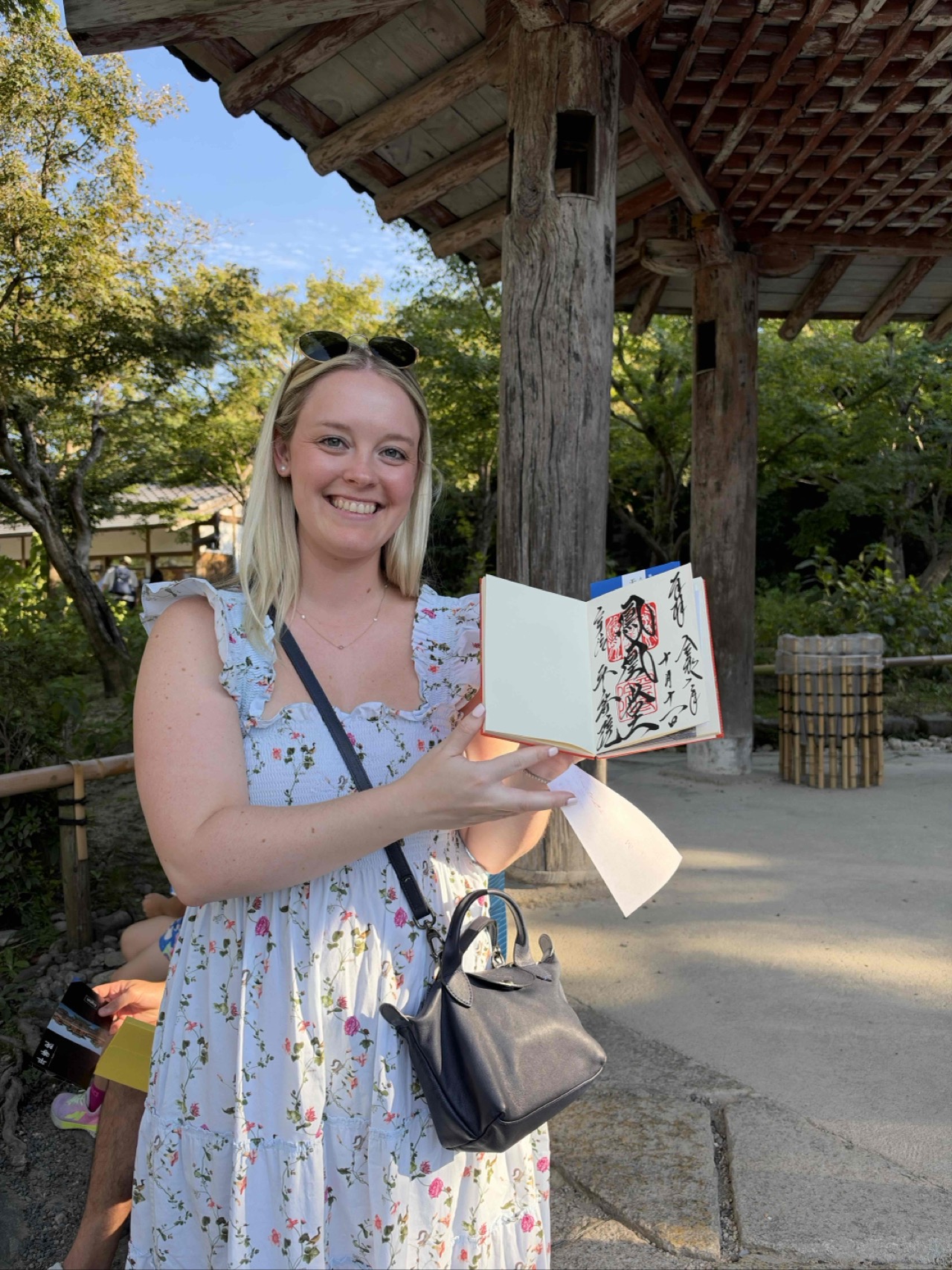
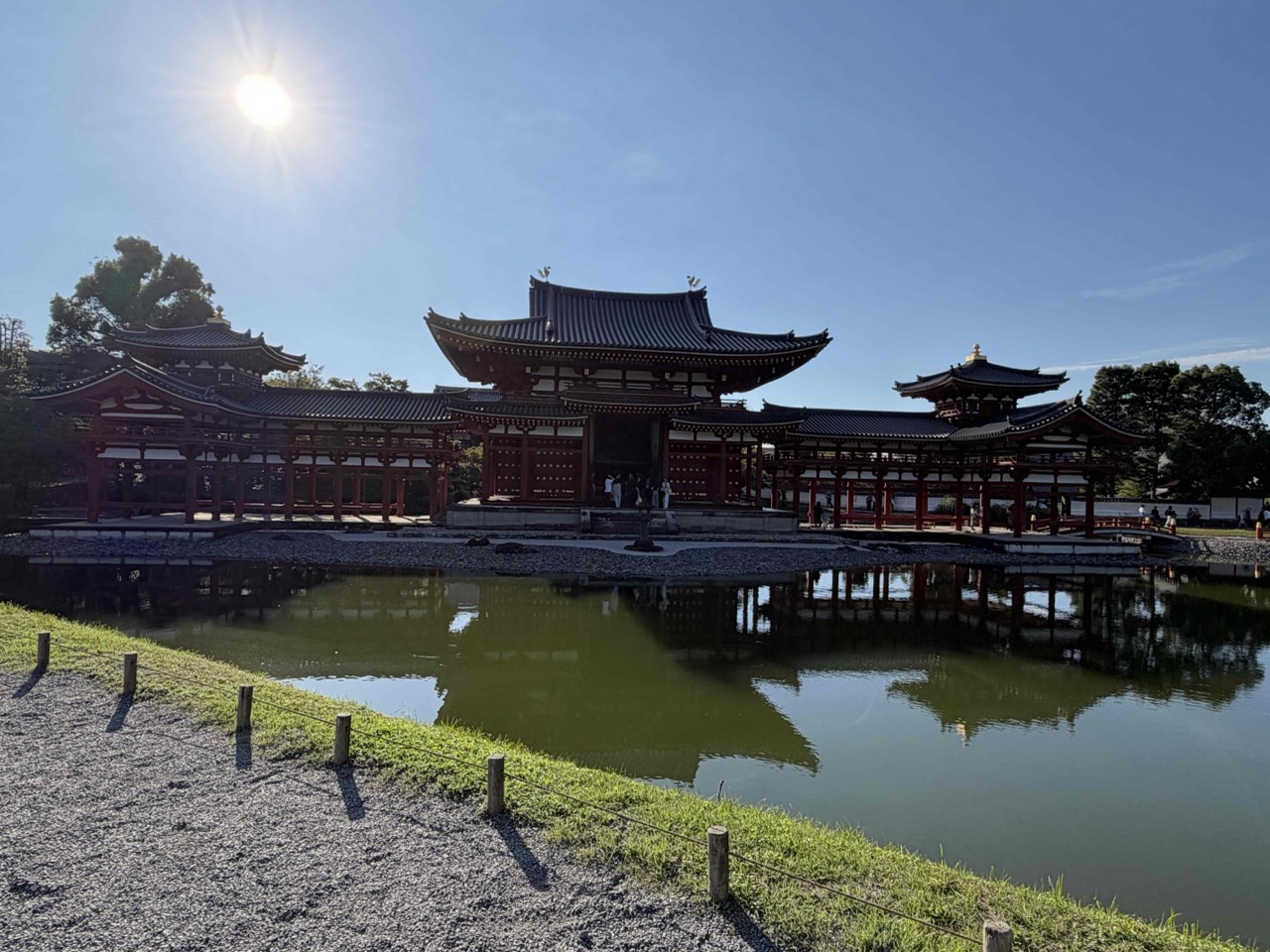
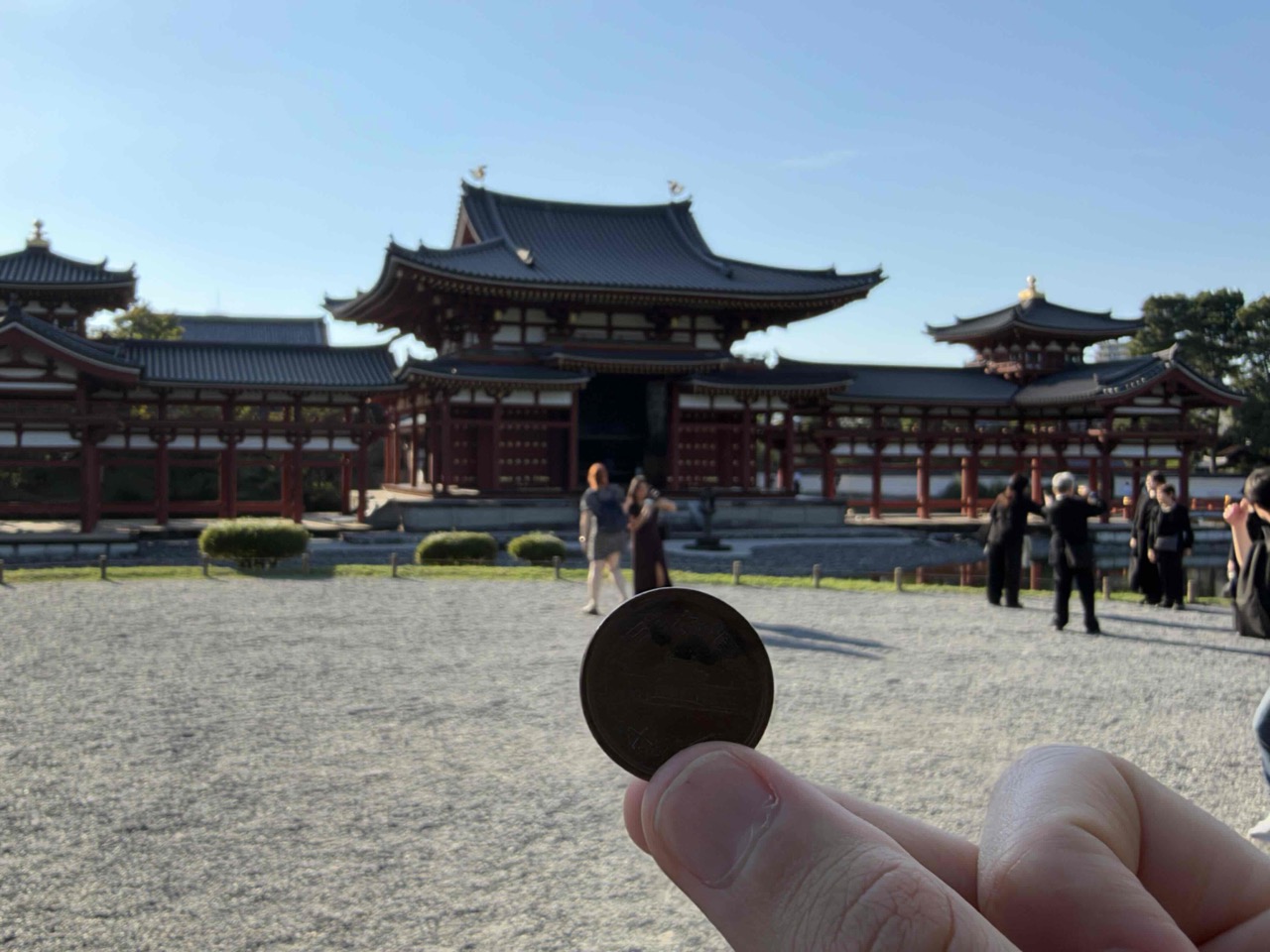
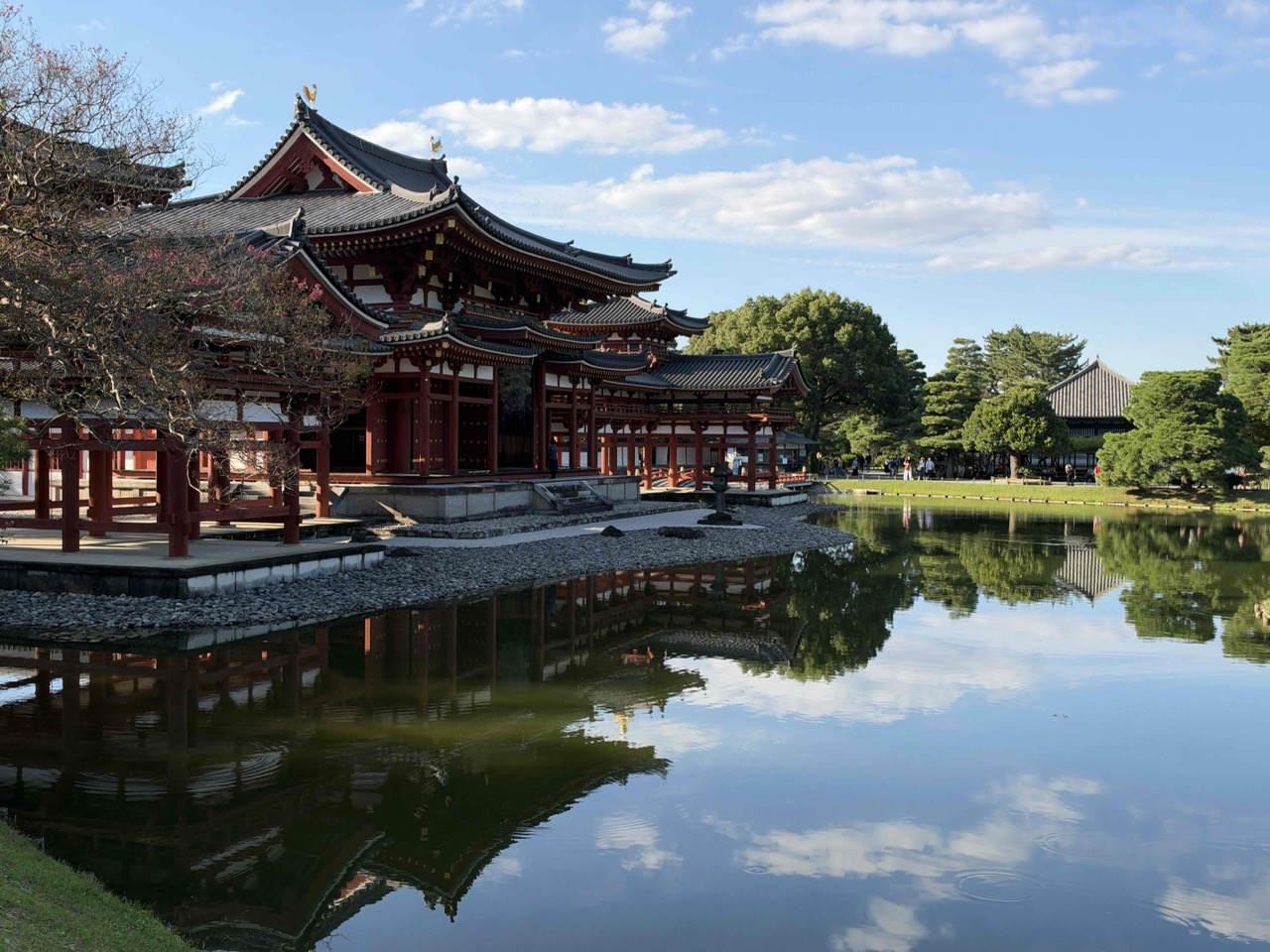
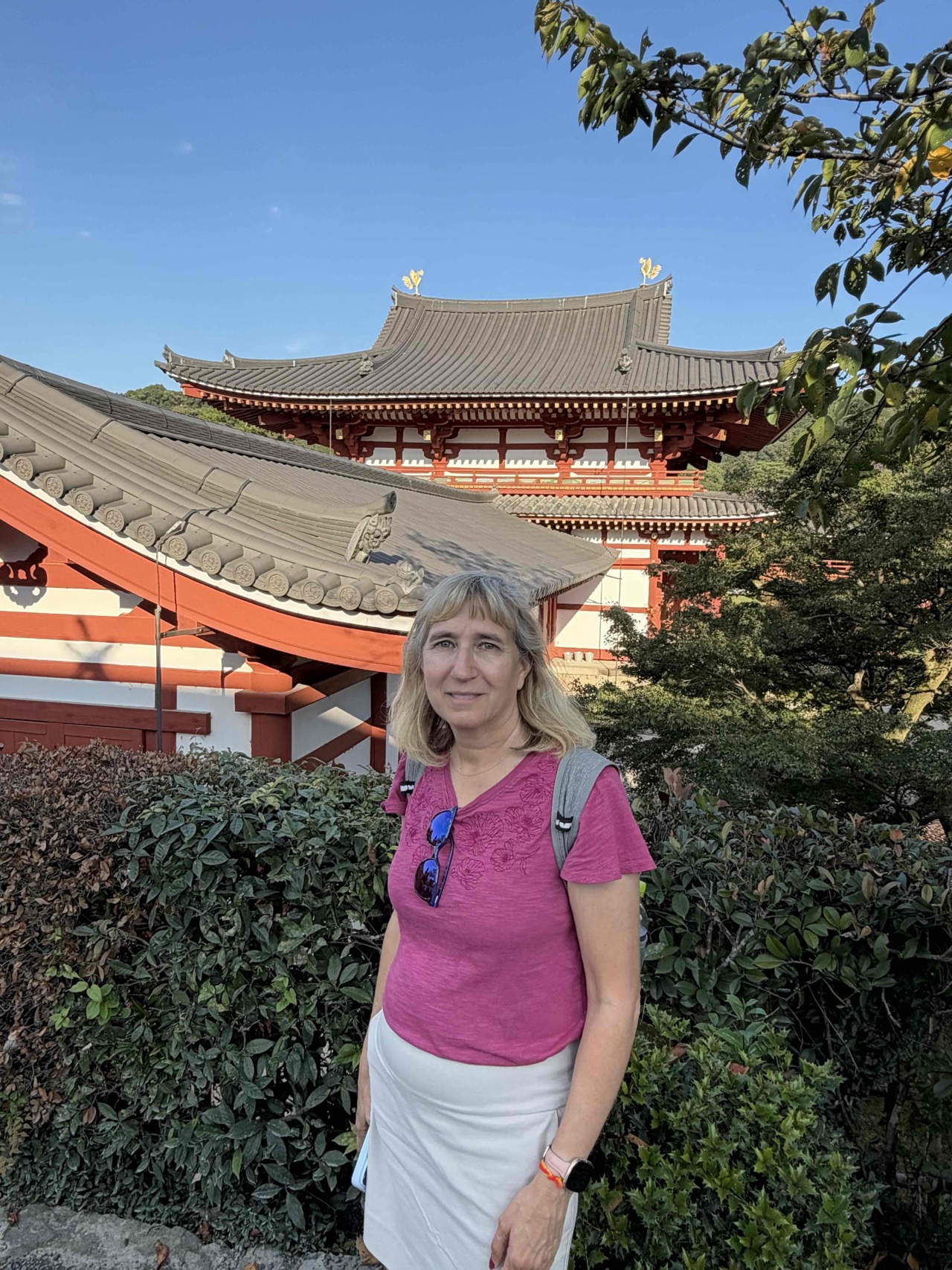
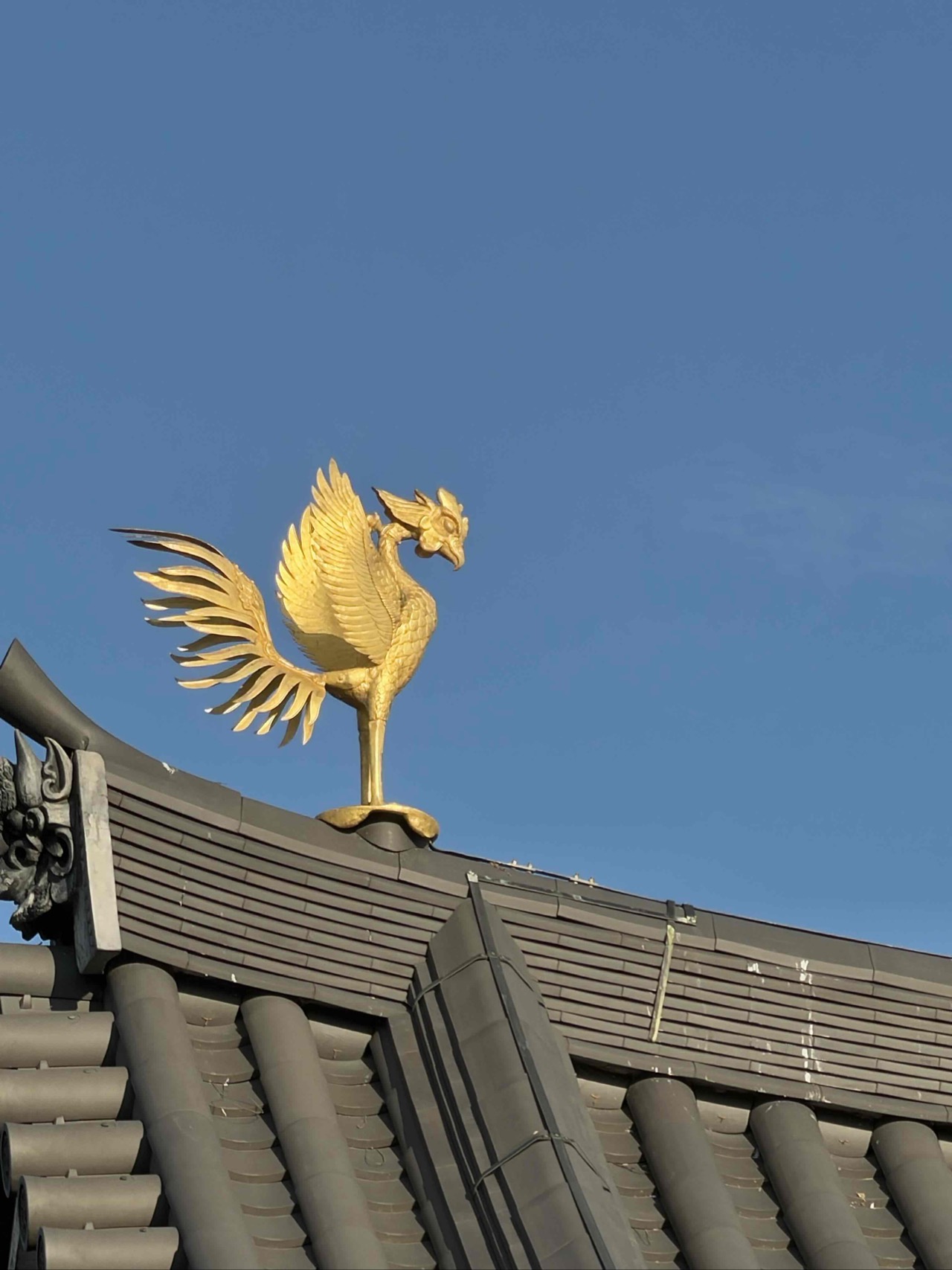
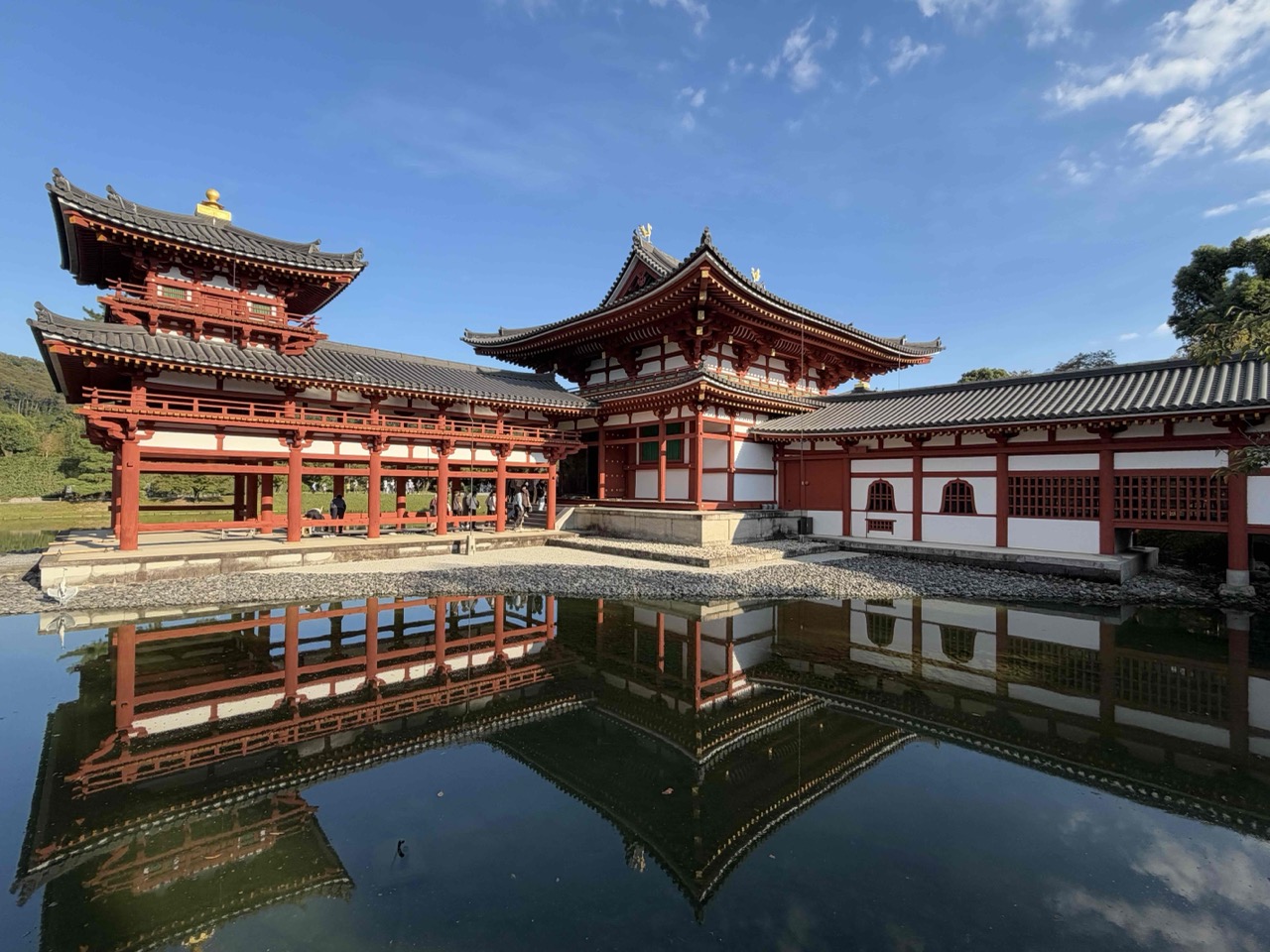
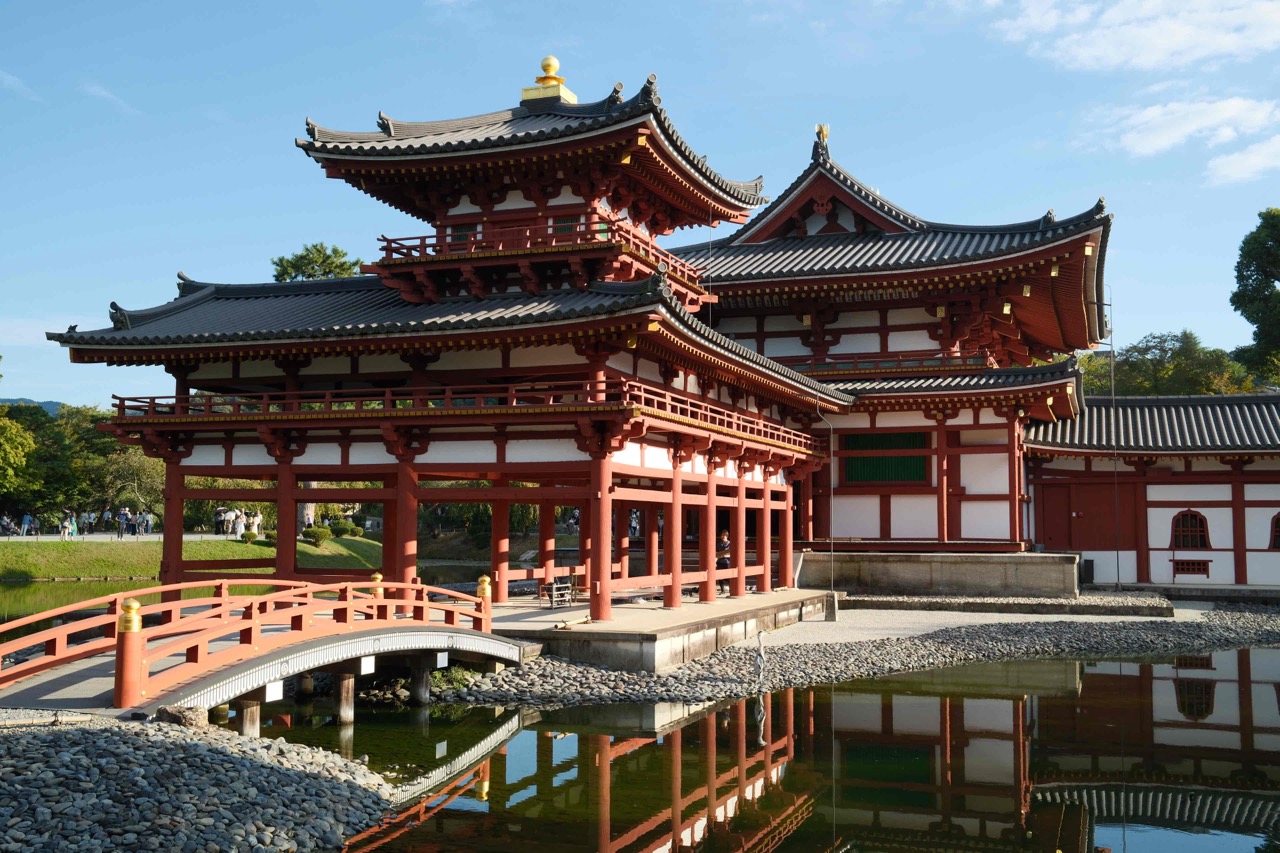
Our final stop was Byōdo-in Temple (平等院) — built in 1052 and so iconic it appears on both the 10-yen coin and the 10,000-yen note. Scott shared a beautiful piece of Buddhist teaching here: according to Buddhist belief, when you die you are reincarnated nine times, each life an elevation into something better. The blooming of a lotus flower, he told us, represents the moment of reincarnation — and the pond surrounding the temple was full of them.
We came home having learned more about Buddhism in one day than in all of our past experiences. After some laundry and a light dinner, we called it an early night.
What's Next
Tomorrow — a Samurai class and a visit to Kiyomizu Temple!
— David